

Antique Coat Rail
An antique coat rail organises hallways and cloakrooms with practical utility, bringing timber and metal character to everyday storage.
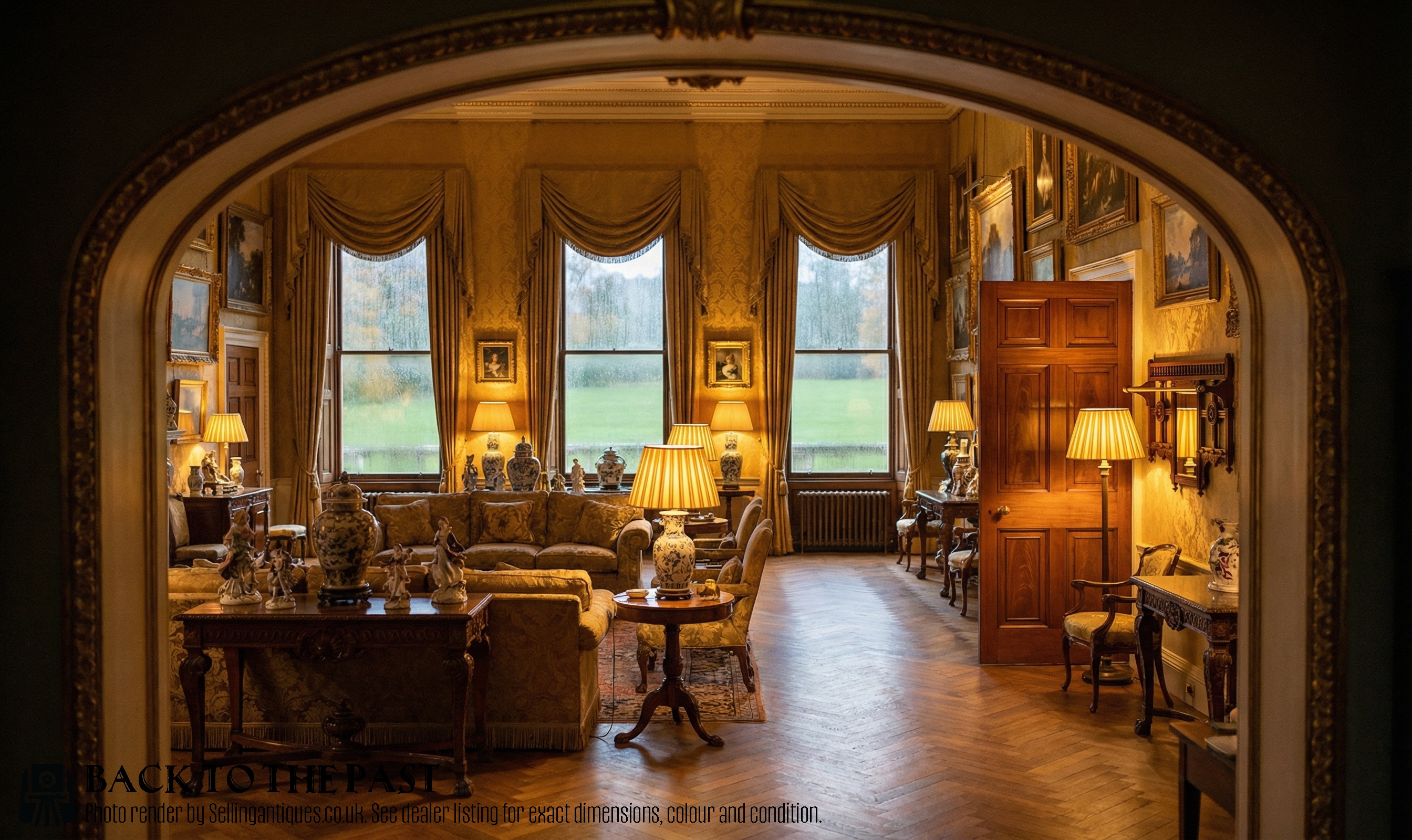
Antique Coat Rail
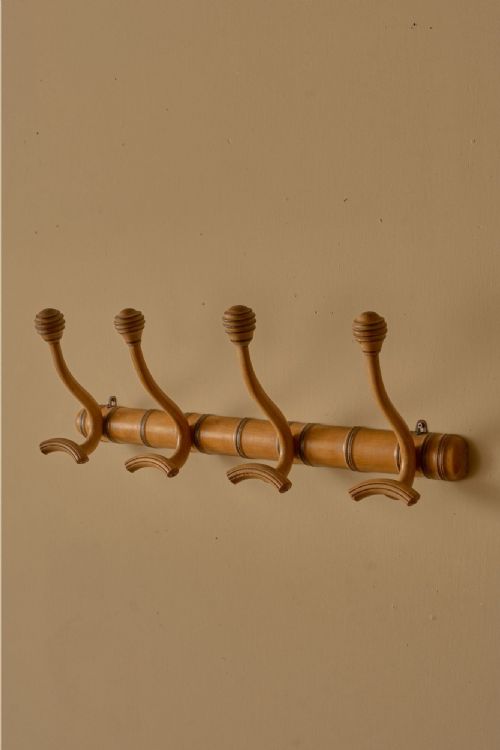
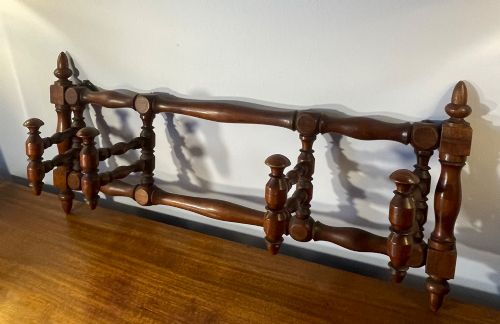
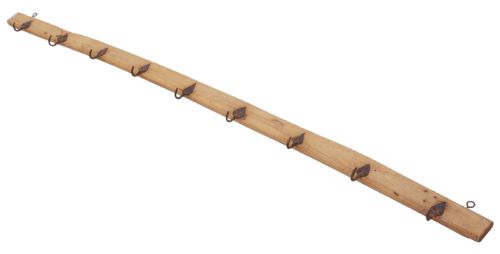
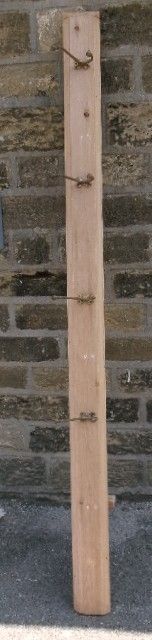
An antique coat rail serves domestic spaces by providing sturdy hanging capacity for garments, hats, and everyday accessories in hallways and cloakrooms. These pieces range from simple wall-mounted timber boards fitted with metal hooks to substantial freestanding hall stands and robe racks.
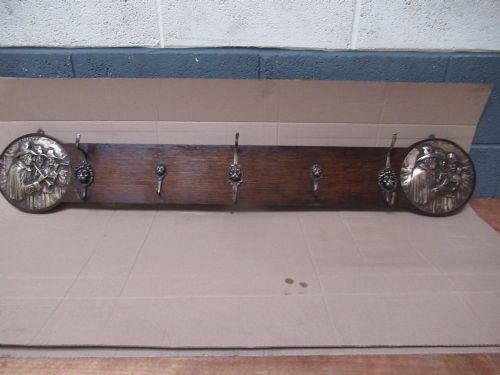
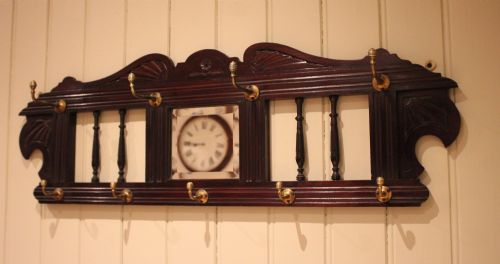
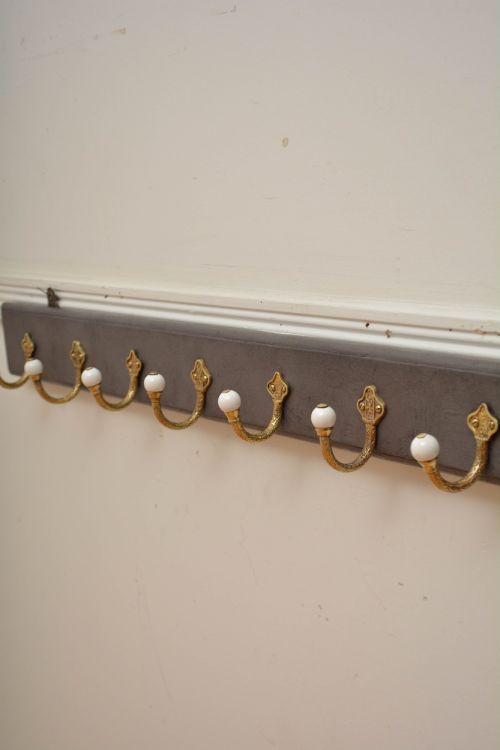
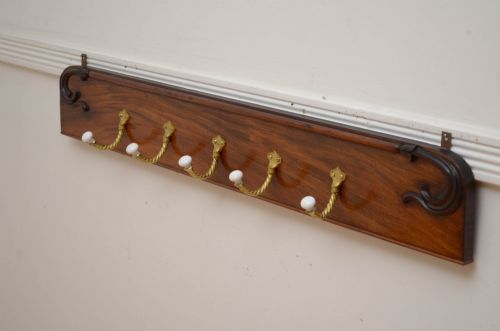
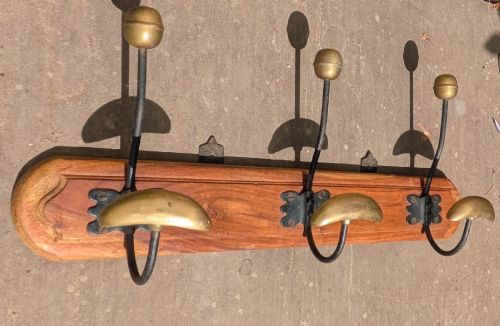
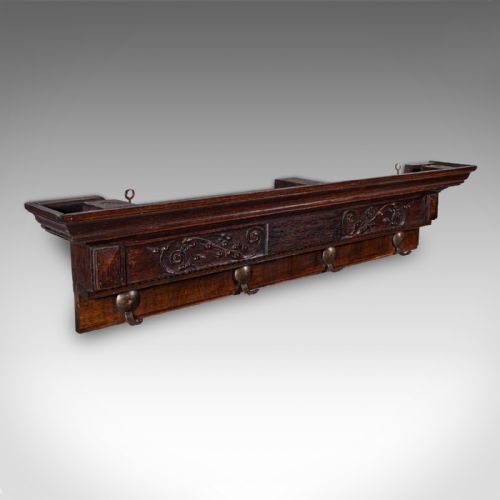
The versions most commonly met on this page span the Victorian and later nineteenth-century periods, constructed primarily from timbers such as mahogany, oak, and pine. Wall-mounted variations frequently feature rows of brass, ceramic, or cast iron hooks secured to long wooden backboards.
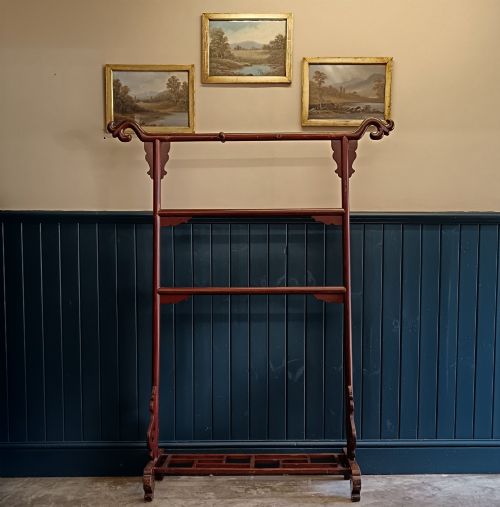
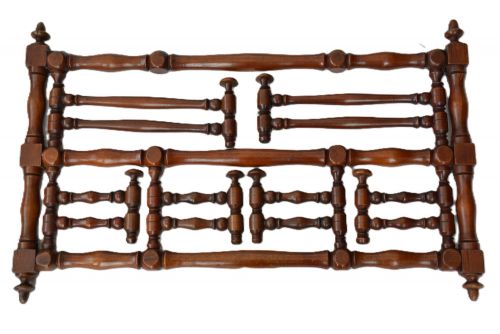
Origin and regional style introduce further variety, encompassing English reception valets, French portmanteaus, and Chinese lacquered clothes stands. Buyers select these items to combine functional wall storage with period craftsmanship.
Materials and Construction Techniques
Makers utilised dense hardwoods like mahogany and oak alongside softer structural pine for the main backboards and framing. These timbers were often ebonised, painted, or left with a natural waxed finish to highlight the grain.
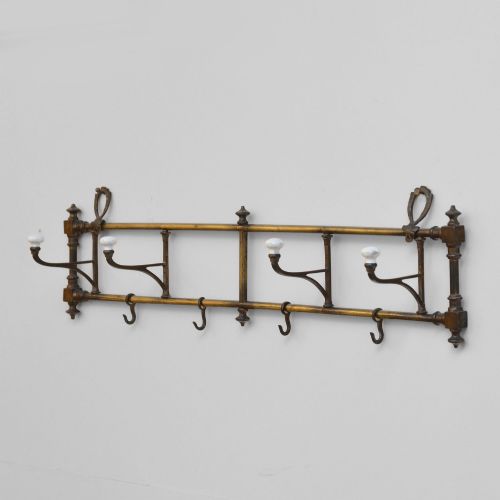
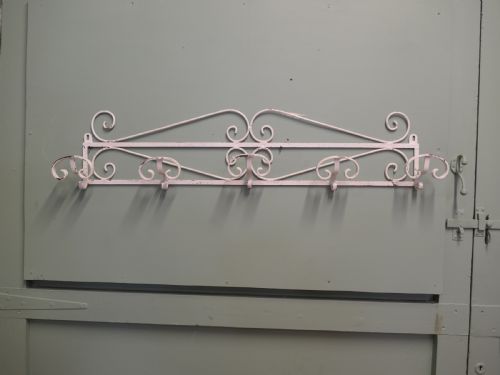
Functional metal elements such as brass, wrought iron, and cast iron formed the structural hooks and hanging rails, frequently paired with white ceramic inserts on individual hooks. Joints relied on traditional carpentry methods, securing heavy backplates and mounting brackets to withstand daily domestic loads.
Antique Coat Rail Retail Price Guide 2026
Typical asking prices for coat rail among the pieces listed under this phrase on Sellingantiques today, from the lower quarter to the upper quarter. They describe what is for sale here now, not the wider market.
Kitchen game hook racks originally displayed freshly hunted pheasants and hares before finding a second life holding damp umbrellas.
Assessing the Range of Quality
Distinctions in quality rest upon the choice of timber, the weight of the metal hardware, and the sophistication of the joinery. Superior examples utilise dense hardwoods and feature robustly cast brass or iron plates rather than stamped or thin sheet metal.
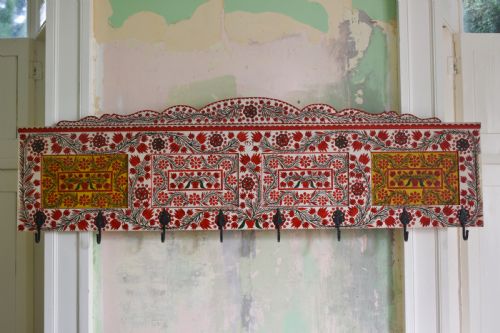
The integrity of the mounting points and the retention of original ceramic or brass hooks significantly influence the standing of a piece. Hand-carved detailing, painted decoration, or unusual structural configurations separate standard utility pieces from more ambitious reception furniture.
The Antique Coat Rail Glossary
- Backboard
- The horizontal timber plank or panel to which individual coat hooks are fastened. This board provides the structural rigidity required for wall mounting.
- Portmanteau
- A combined hat and coat rack, often incorporating a luggage shelf above the hanging hooks. This term frequently applies to continental brass designs.
- Robe Stand
- A freestanding framework designed for hanging garments without wall attachment. Examples include Chinese lacquered versions and European clothes horses.
- Hall Tree
- A tall freestanding furniture piece combining coat hooks, umbrella stands, and sometimes a mirror. These items served grand entrance halls in the nineteenth century.
Antique Coat Rail: Frequently Asked Questions
How do I mount an old wooden coat rail?
Heavy wooden coat rails require secure fixings into wall studs or solid masonry using appropriate screws through the pre-existing mounting plates. Because these pieces carried wet heavy garments, stable wall anchorage is essential for safety.
Check the spacing of the original screw holes against your wall structure before installation to ensure the weight distributes evenly across the backboard.
What is the difference between a coat rail and a hall stand?
A coat rail is typically a wall-mounted board with hooks, whereas a hall stand is a large freestanding piece of furniture. Hall stands often incorporate umbrella holders, glove boxes, and mirrors alongside the hanging hooks.
Wall-mounted rails suit compact entryways, while freestanding stands require floor space in larger reception rooms.
How do I clean brass and ceramic hooks?
Brass hooks respond well to gentle cleaning with a soft cloth to preserve any patination accumulated over the centuries. Abrasive polishes should be avoided to protect the surrounding wood and delicate finishes.
Ceramic inserts can be wiped carefully with a damp cloth and mild soap to remove surface dust without damaging the fired glaze.
Can these rails support heavy winter coats?
Most antique coat rails built with solid oak, mahogany, or pine backboards and cast metal hooks are exceptionally robust. They were originally designed for heavy wool cloaks, heavy overcoats, and hats.
Ensuring the backboard is properly fastened to the wall ensures it will safely support the weight of modern winter outerwear.