

Victorian Hall Light
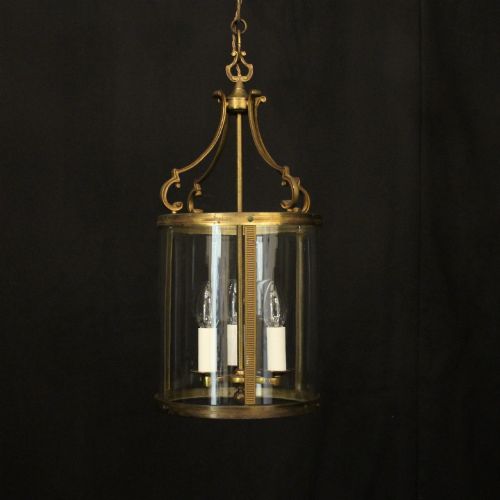
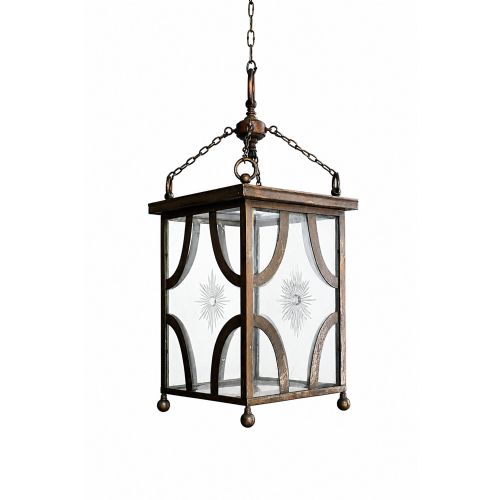
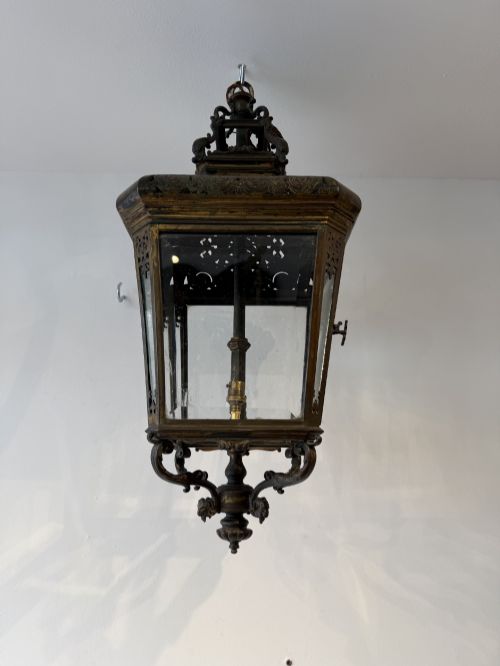
These pieces of victorian hall light illumination are designed to command an entrance, offering period glass and metalwork that captures the character of nineteenth-century hallways.
Victorian Hall Light
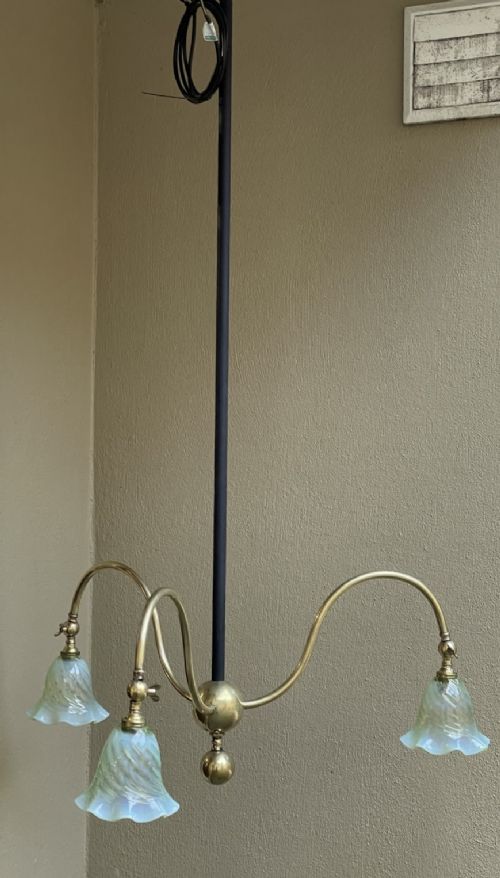
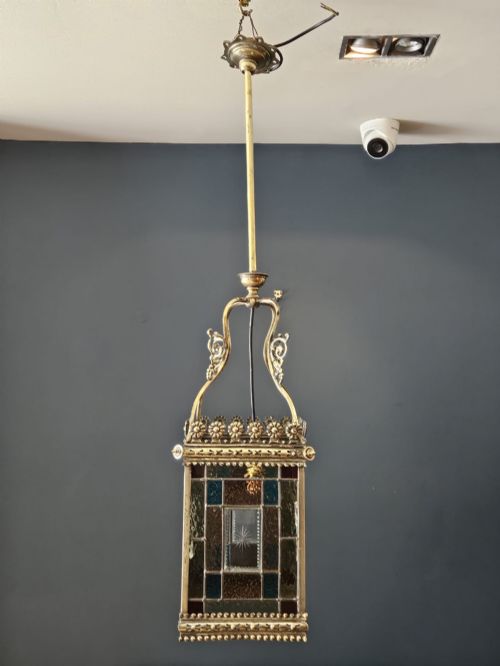
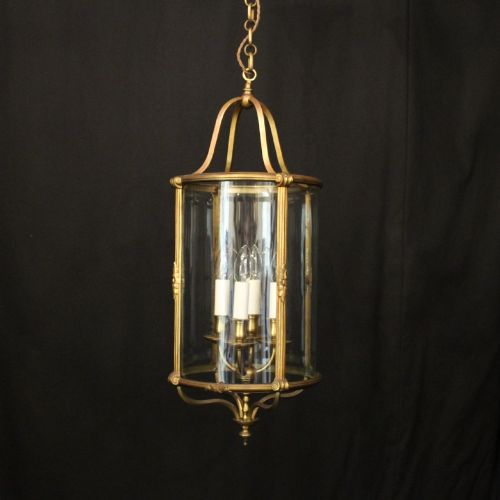
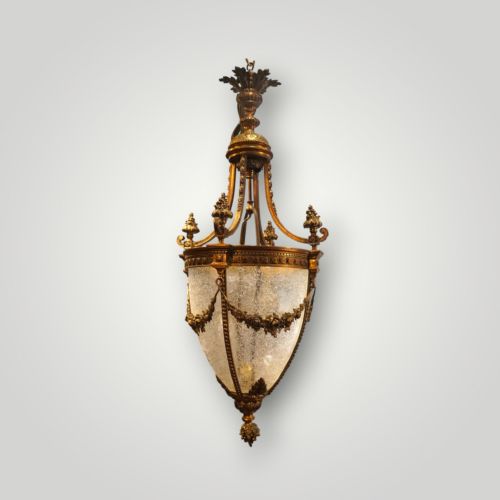
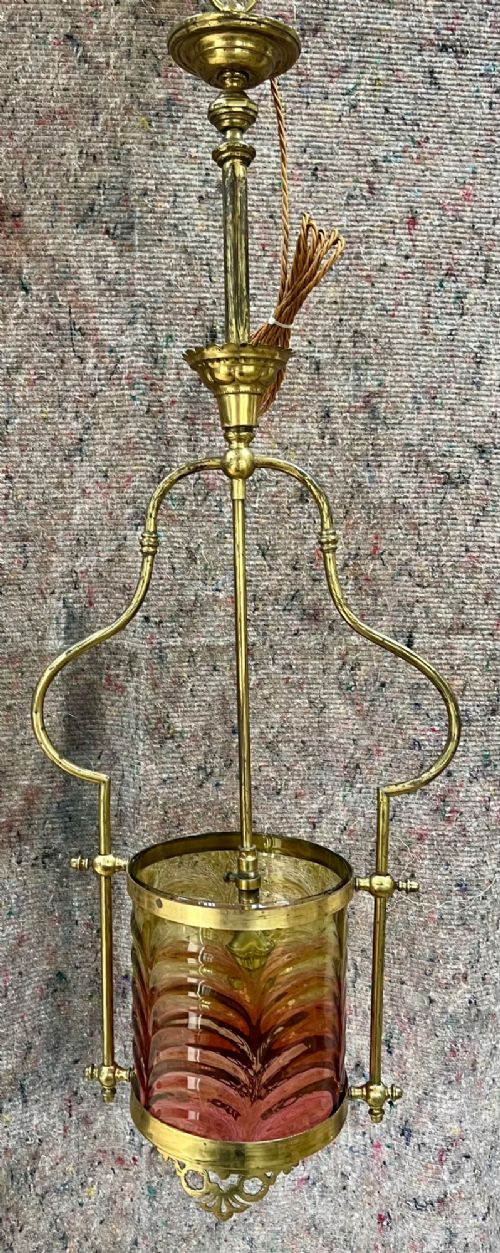
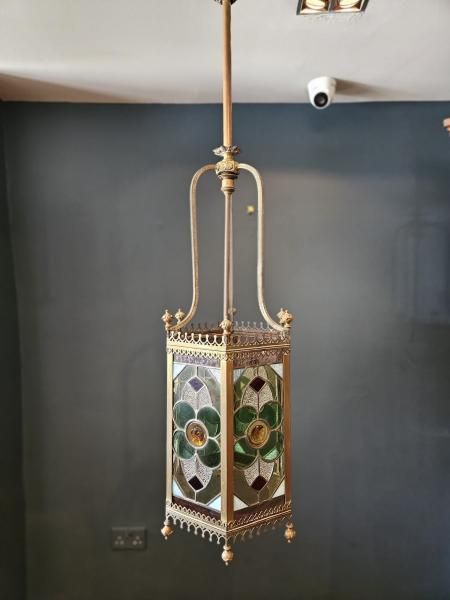
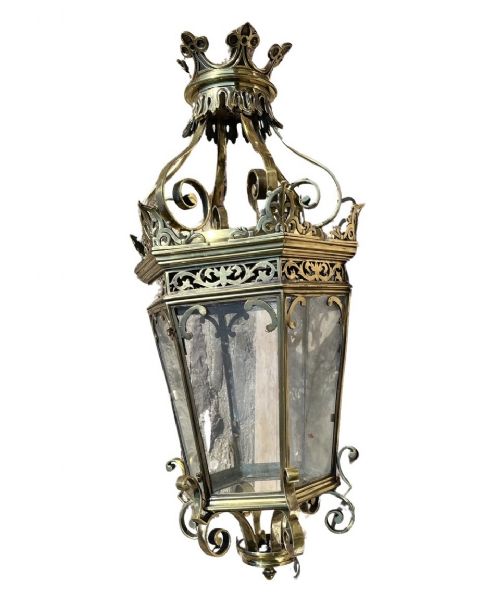
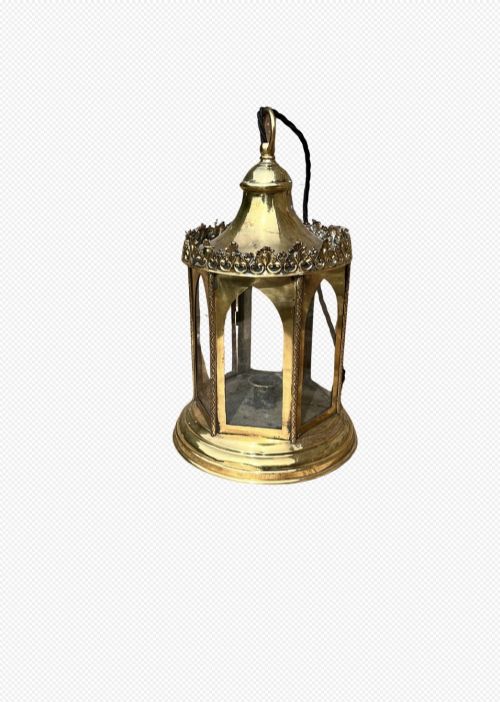
When searching for a victorian hall light, buyers encounter hanging lanterns, ceiling lights, and pendant fixtures intended for entryways and corridors. The form most commonly met on this page is the brass or bronze framed lantern, often enclosing leaded, stained, or cut glass.
Originating predominantly from the nineteenth century into the Edwardian era, these fittings reflect domestic architecture designed to illuminate dark hallways before electric lighting became universal. Styles range from plain utilitarian brass cases to elaborate Gothic Revival and French Neoclassical models.
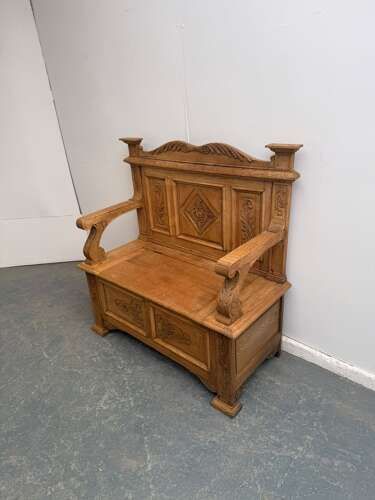
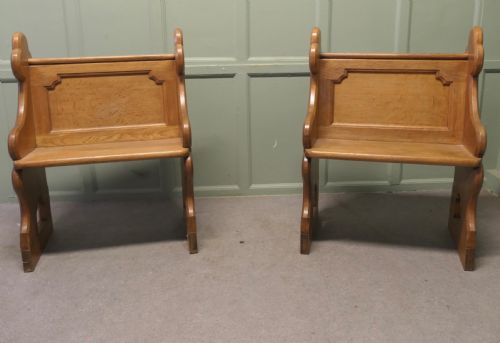
Alongside glass and metal hanging lanterns, the material record includes related oak and mahogany furnishings such as hall settles, tables, and umbrella stands. The core of the selection remains ceiling-suspended lighting designed to cast a welcoming glow from an entrance ceiling.
How they were made
Makers utilised structural frames cast from brass, bronze, or gilt metal, joined with mechanical fixings or soldered joints to support the weight of hanging glass. Wrought iron and lead also appear in heavier structural frameworks, particularly on Gothic Revival examples.
The glazing incorporated leaded glass panels, coloured glass, or opaline panes, sometimes assembled using traditional lead cames. Cut glass and convex lenses were also ground and fitted into metal collars to refract candlelight or early electric bulbs.
Materials recorded across the inventory include brass, bronze, lead, gilt metal, and various forms of decorative glass.
What varies in quality
The distinction between ordinary and superior pieces rests on the weight of the metal casting and the crispness of decorative detail in the bronze or brass frames. Heavier gauge metalwork and sophisticated surface gilding indicate workshops that invested heavily in materials.
Glazing quality separates standard production from finer work, particularly where stained, leaded, or hand-cut glass panels are integrated into the lantern body. The complexity of the frame design, such as hexagonal geometry or specialised Gothic tracery, marks out the upper tier.
Perry And Co·Pugin
The Victorian Hall Light Glossary
- Lantern
- A fully enclosed hanging light fixture designed to protect a candle or bulb from drafts. These fittings typically feature glass panels held within a metal framework.
- Gothic Revival
- An architectural and decorative style drawing inspiration from medieval forms. Pieces in this idiom display pointed arches, tracery, and heavy carved details.
- Gilt Bronze
- Bronze metal treated with a fine layer of gold or gold-coloured finish. This technique provides a durable, lustrous surface that resists tarnishing in damp entranceways.
- Lead Came
- A slender rod of lead with an H-shaped profile used to join individual pieces of glass in a window or lantern panel. It provides both structural flexibility and decorative dark lines.
- Opaline Glass
- A pale, translucent white glass developed to diffuse light softly without glare. It appears frequently in nineteenth-century pendant shades.
Victorian Hall Light: Frequently Asked Questions
How do I hang a heavy brass lantern safely?
Hanging a heavy brass or bronze lantern requires fixing directly into ceiling joists or using a substantial toggle bolt designed to bear the dead weight of the metal and glass. Electricians should check that the suspension chain and internal wiring are rated to support the fixture securely.
Ensuring the weight hangs from structural timber rather than plaster alone prevents structural failure over time. Professional installation is recommended for older hanging lights with complex multi-light clusters.
Were these lights originally wired for electricity?
Most nineteenth-century hall lanterns were originally designed to burn candles or oil before being converted to gas and later electricity. Surviving pieces often show evidence of past conversions, such as adapted burners or later internal wiring.
Buyers frequently find contemporary or twentieth-century rewiring inside antique frames. Rewiring by a qualified electrician ensures compliance with current safety standards while preserving the historic exterior.
How do I clean antique glass and brass?
Cleaning antique glass and brass requires mild soapy water and a soft cloth to avoid scratching the aged metal patination or delicate leaded joints. Harsh commercial chemical polishes strip away authentic historical surface finishes and should be avoided on old bronze and gilt.
Glass panels can often be removed carefully from their frames for thorough washing. Keeping the metal dry after cleaning prevents corrosion of the underlying brass or iron.
What is the difference between Victorian and Edwardian lanterns?
Victorian lanterns tend to display heavier, more ornate metalwork influenced by Gothic Revival or heavy industrial casting techniques. They often feature darker bronze patination and intricate leaded or stained glass panels.
Edwardian examples often shift towards lighter proportions, simpler geometric frames, and brighter brass or clearer glass. These later pieces reflect a broader turn toward brighter, airier domestic entrance halls at the start of the twentieth century.