
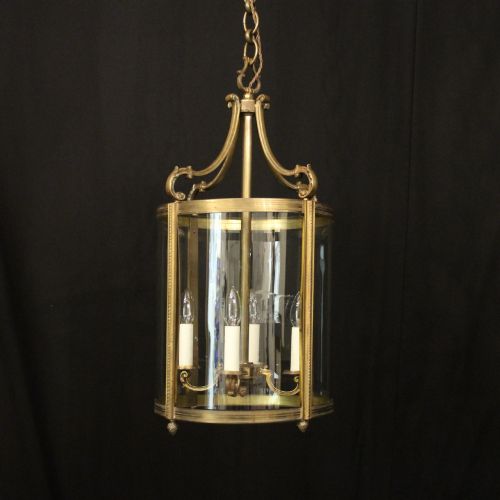
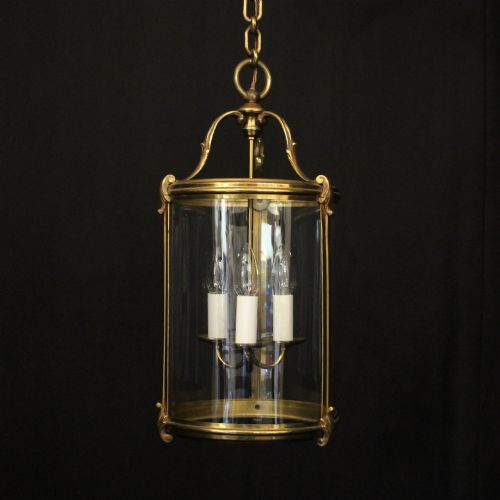
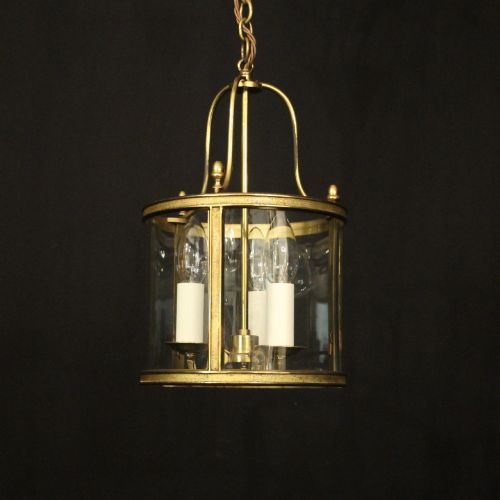
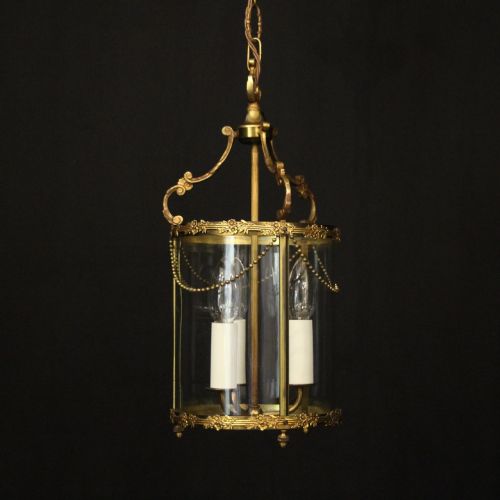
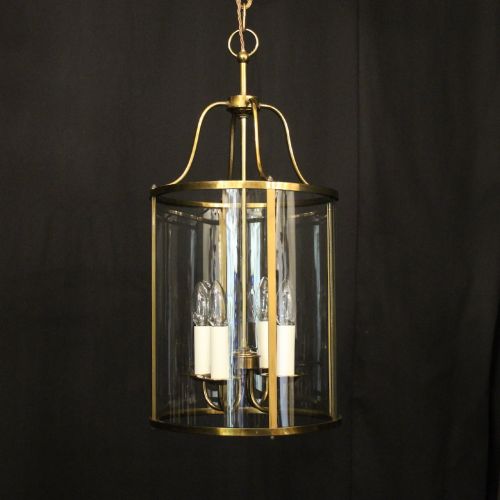
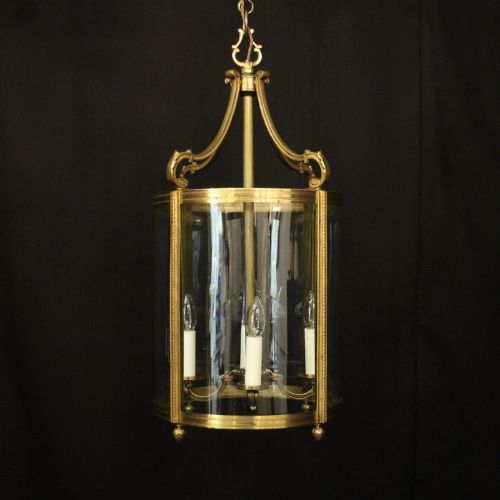


Cylindrical Brass Light
A cylindrical brass light brings striking illumination to an entrance hall, combining durable metalwork with glass to brighten narrow spaces.
Cylindrical Brass Light
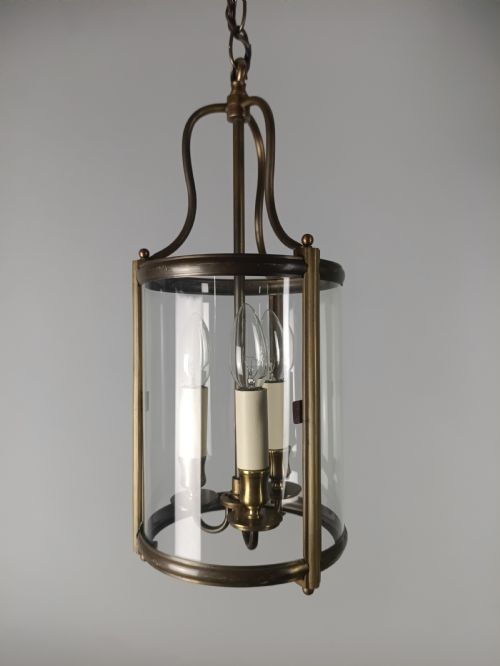
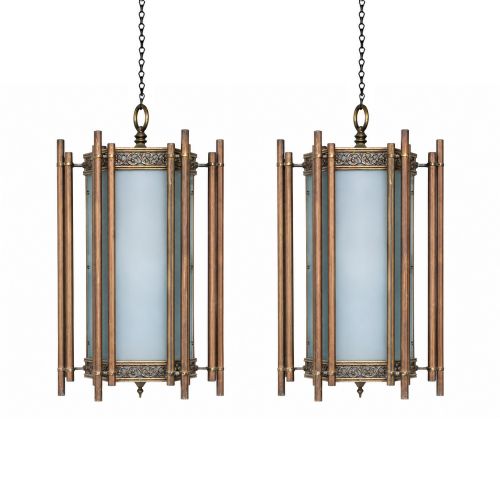
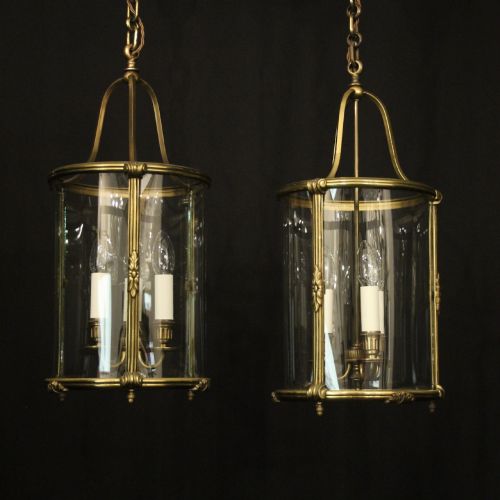
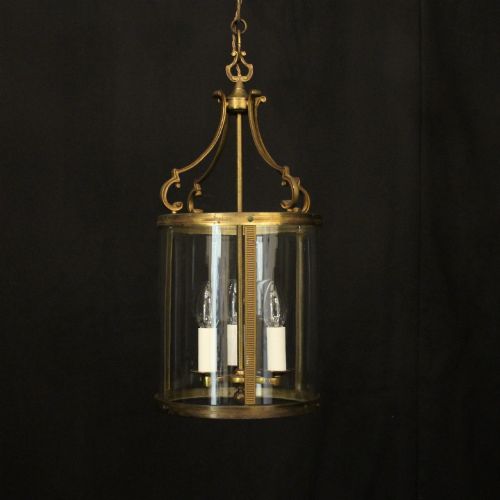
When you search for a cylindrical brass light, you encounter hanging fixtures designed primarily for entrance halls and corridors. These pieces combine metal frames with glass panels to direct illumination downward and outward.
The selections span several periods, with particular emphasis on pieces from the nineteenth century, the Edwardian era, and the 1920s and 1930s. French designs, including Empire and Art Deco styles, appear frequently alongside English examples.
Most items function as hall lanterns, ceiling lights, or pendant lights, often accommodating multiple internal light sources. Their vertical proportions suit high ceilings and narrow spaces where traditional chandeliers might overwhelm the room.
Distinctions in Quality
The distinction between standard examples and superior pieces rests on the weight of the metal casting and the crispness of the chased decoration. Heavier bronze frames and intricate gilt work indicate a higher grade of manufacture.
Glass selection also marks the difference, as thick, convex, or heavily bevelled glass panels require greater skill to produce than flat, plain panes. The integration of multiple lights and sophisticated hanging mechanisms further elevates a piece.
Current listings feature pieces spanning the nineteenth century, the Edwardian period, and the 1920s and 1930s.
The Cylindrical Brass Light Glossary
- Convex glass
- Curved glass panels that project outward to diffuse light more widely across a hallway. This type requires specialised moulding during production.
- Gilt bronze
- Bronze that has been coated with a thin layer of gold or gold amalgam for a lustrous appearance. Also known as ormolu.
- Hall lantern
- An enclosed ceiling fixture designed specifically for passageways and entrances. These fixtures protect the light source from drafts.
- Art Deco
- A design style from the early twentieth century featuring streamlined geometric forms and modern materials. It contrasts with earlier ornate classical motifs.
Cylindrical Brass Light: Frequently Asked Questions
Where should I hang a cylindrical brass light?
These fixtures suit entrance halls, corridors, and high-ceilinged stairwells where their vertical shape complements the proportions of the space.
Ensure adequate clearance beneath the fixture so that doors swing freely and passage remains unobstructed.
How do I date a brass lantern?
Dating relies on stylistic details, such as the geometric lines of Art Deco pieces compared to the classical ornamentation of nineteenth-century French designs.
Construction methods, including the type of fasteners and glass cutting, provide further clues to the period of manufacture.
Can these lights take modern bulbs?
Most antique lanterns accommodate standard modern bulb fittings through rewiring carried out by a qualified electrician.
Internal lampholders are typically updated for safety while preserving the historic exterior appearance.