

Victorian Green Glass
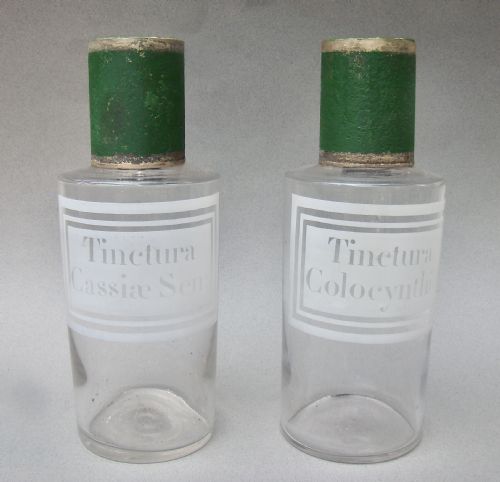
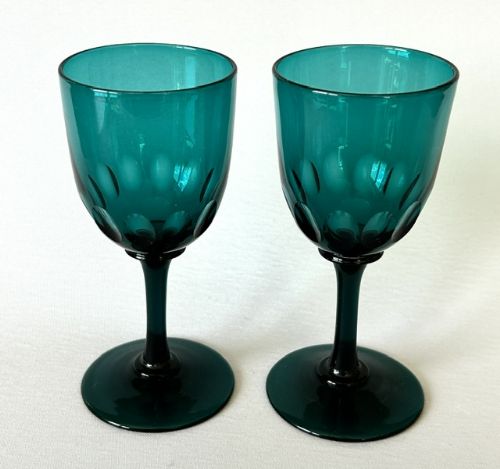
When you handle victorian green glass, you encounter everything from delicate wine glasses and decanters to heavy epergnes and scent bottles.
Victorian Green Glass
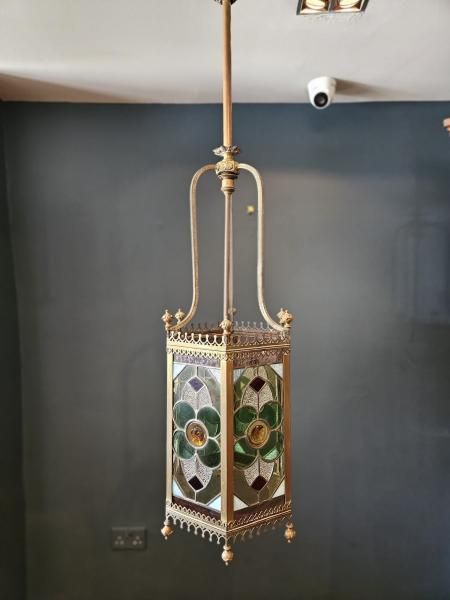
Victorian green glass encompasses a wide array of domestic and decorative objects produced throughout the nineteenth century, including tableware, lighting components, and vanity items. When exploring victorian green glass on this page, buyers frequently encounter functional drinkware such as wine glasses and spirit decanters alongside ornamental centerpieces.
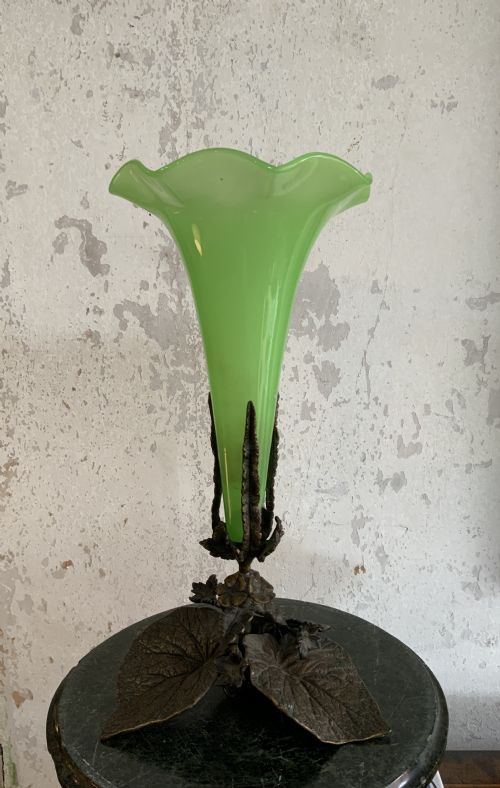
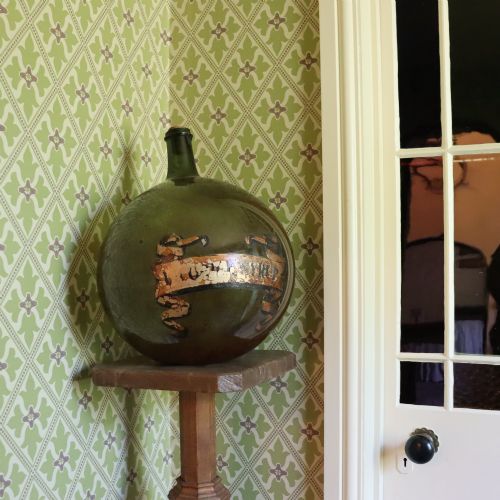
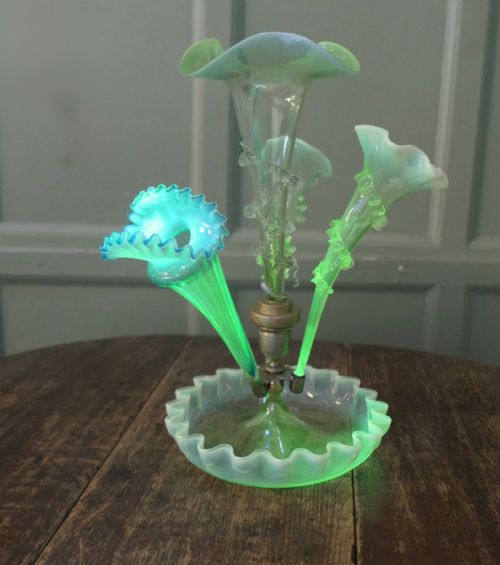
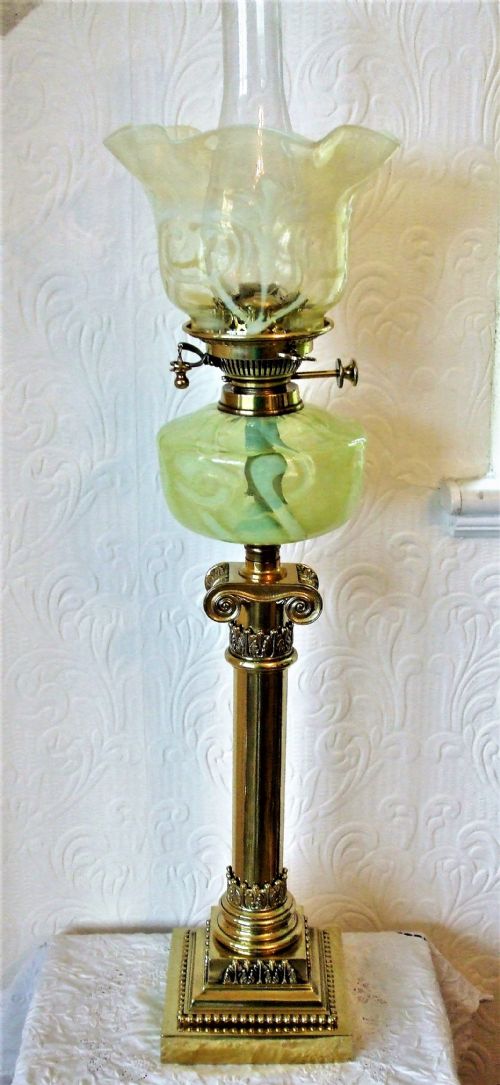
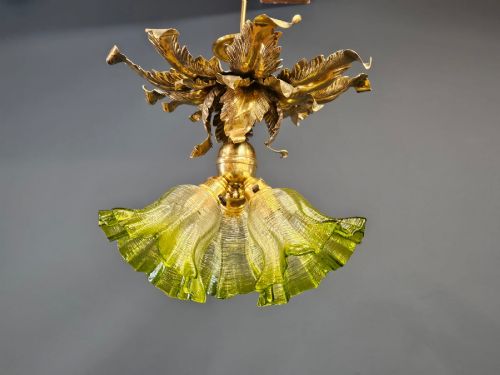
The material appears in distinct shades ranging from deep Bristol green to pale uranium and vaseline glass, often shaped into ewers, carboys, and multi-trumpet epergnes. These items reflect the diverse manufacturing output of British, Bohemian, and French workshops active during the period.
Materials and Manufacture
The production of victorian green glass relied on traditional hand-blowing techniques, where molten metal was manipulated into forms like folded feet, trail rims, and wrythen ribs. Artisans utilised metallic oxides to achieve vibrant hues, incorporating uranium for characteristic yellow-green fluorescence.
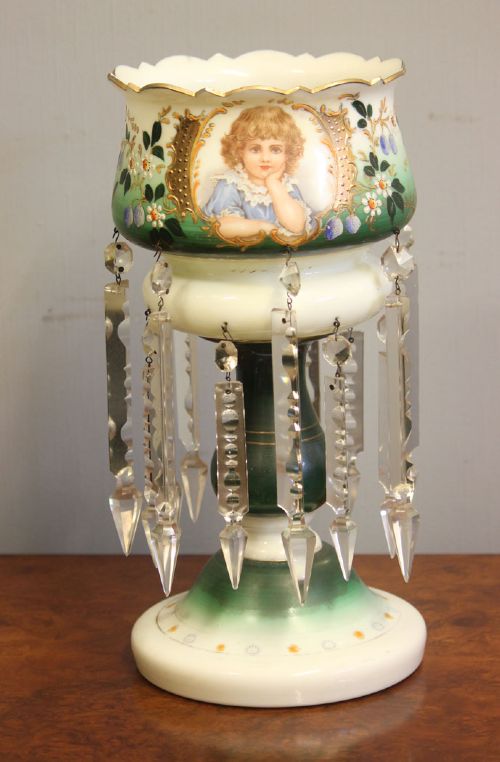
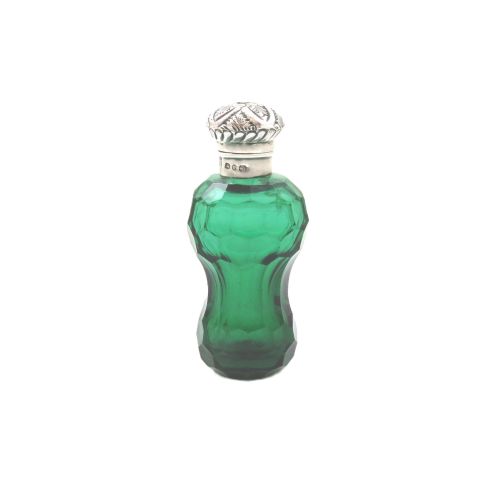
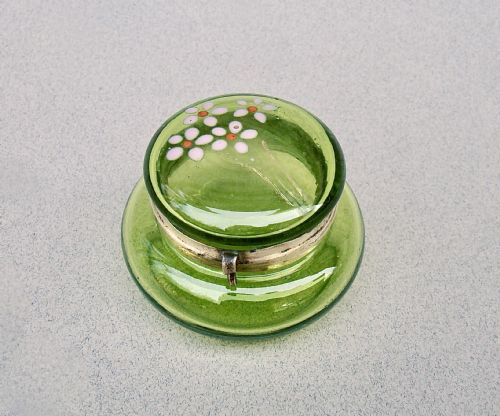
Many surviving pieces feature supplementary embellishments including hand-painted enamel scenes, gilt highlights, and etched or engraved motifs. Workshops frequently paired the glass with mounts, collars, and lids cast from silver, silver plate, or brass.
Listings feature items spanning the nineteenth century, incorporating materials such as silver plate, brass, and enamel alongside green glass.
Factors of Quality
Quality in victorian green glass rests upon the clarity and weight of the metal itself, alongside the precision of hand-cut facets or wheel engravings. Finer examples display meticulous attention to detail in applied trails, balanced proportions, and the crisp execution of enamelled decoration.
The integration of precious metal mounts also dictates standard, where items fitted with hallmarked sterling silver or gilt hardware demonstrate superior workshop provenance compared to unmounted equivalents.
Richardsons·Moser·Salviati·WMF·J Grinsell and Sons·The Mousley Brothers·Charles May
The Victorian Green Glass Glossary
- Vaseline glass
- A transparent or translucent yellowish-green glass containing uranium dioxide that exhibits a distinct green glow under ultraviolet light. It was widely utilised for decorative tableware and lighting during the nineteenth century.
- Epergne
- A large table centrepiece featuring a central bowl with multiple detachable trumpets or hanging baskets used for holding fruit or flowers. Victorian versions frequently combined green glass with bronze or silver-plated frames.
- Bristol green
- A deep, rich shade of dark green traditionally associated with glasshouses operating in the Bristol area. The colour was frequently applied to heavy decanters, wine glasses, and finger bowls.
- Latticinio
- A decorative glass technique involving interlaced threads of opaque white or coloured glass encased within clear or tinted metal. It appears on Venetian and nineteenth-century revival pieces.
- Wrythen
- A spiral pattern moulded into the body of glassware during blowing, creating a twisted or ribbed surface texture. This finish is commonly found on nineteenth-century berry bowls and drinking vessels.
Victorian Green Glass: Frequently Asked Questions
How do I identify uranium glass?
Uranium glass exhibits a distinct yellow-green tint under normal lighting and produces a vibrant bright green fluorescence when exposed to ultraviolet or black light.
This luminescence results from the addition of uranium oxide to the molten batch during manufacturing.
What is a glass dump?
A glass dump, or paperweight dump, is a heavy, solid mass of glass created by workers using leftover molten material at the end of a shift.
These pieces often contain internal air bubbles, multi-flower motifs, or bright green colouration.
How were epergnes used?
Epergnes served as elaborate dining table centrepieces designed to hold fruit, sweetmeats, or floral arrangements during formal Victorian meals.
The central bowl and surrounding trumpets created height and visual interest across the tablescape.