

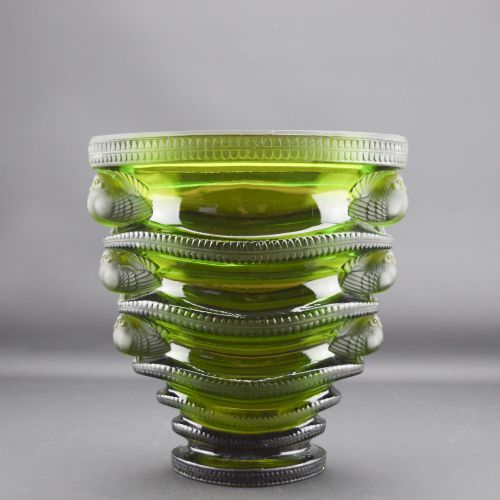



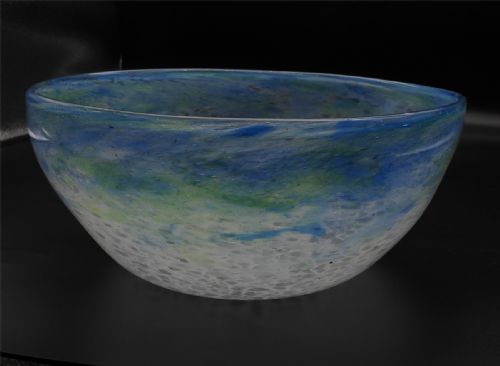


Decorative Green Glassware
Decorative green glassware offers vibrant colour and tactile form, spanning the nineteenth century through the art deco era to mid-century modern designs.
Decorative Green Glassware
Decorative green glassware comprises bowls, vases, and wine glasses created across various periods including the nineteenth century, nineteen-hundreds, nineteen-twenties, and nineteen-thirties. These pieces showcase diverse regional origins such as France, Belgium, Scotland, England, and Bohemia, reflecting distinct historical shifts in design and function.
Vases and bowls dominate the selections, ranging from heavy moulded forms to delicate pedestal pieces. Buyers frequently encounter nineteenth-century opaline glass alongside twentieth-century studio productions and factory-made items.
The styles span French Empire, Victorian, Art Nouveau, Art Deco, and Mid-Century Modern aesthetics. Each movement imparts a recognisable silhouette and surface treatment upon the green glass medium.
How they were made
Makers utilised glass as the foundational material, often enhancing vessels through techniques like cutting lead crystal or blowing layered overlays. Acid-etching, moulding, and frosting allowed artisans to manipulate the opacity and texture of the green matrix.
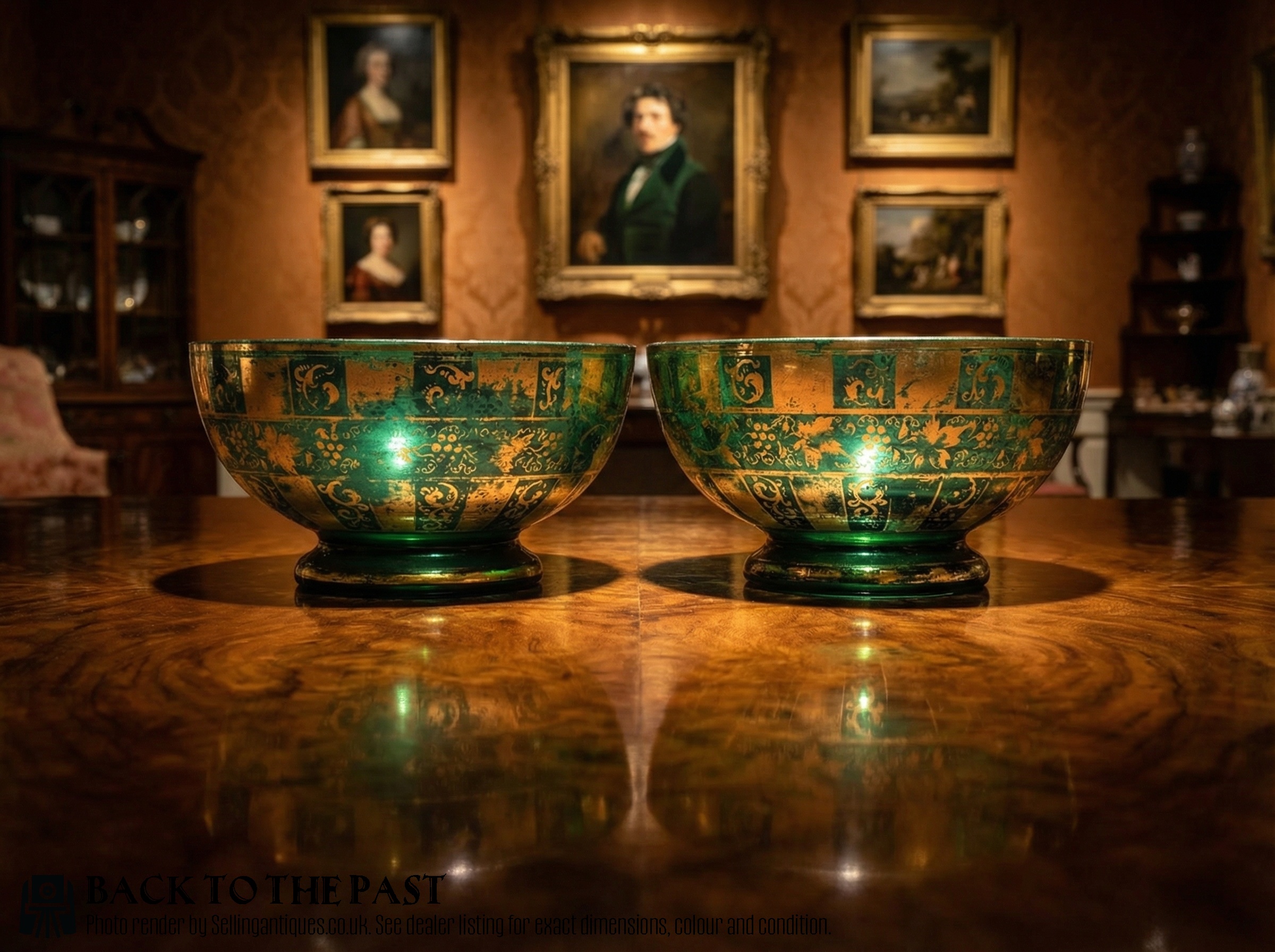
Surface ornamentation frequently involved applied enamel and gold leaf detailing. Floral motifs and geometric patterns were meticulously painted or gilded directly onto the green glass body, whilst overlay techniques involved cutting through an outer green layer to reveal a contrasting clear or coloured crystal beneath.
Decorative Green Glassware Retail Price Guide 2026
Typical asking prices for decorative green glassware among the pieces listed under this phrase on Sellingantiques today, from the lower quarter to the upper quarter. They describe what is for sale here now, not the wider market.
Materials documented across the pieces include standard glass, enamel, gold leaf, moulded glass, Murano glass, frosted glass, cut lead crystal, and green overlay glass.
What varies in quality
The execution of surface decoration dictates much of the distinction between standard and superior pieces. Hand-painted enamel, intricate gilding, and precise acid-etching demand high technical skill, whereas mechanical moulding yields more uniform, less expressive results.
The clarity and weight of the glass body itself establish a piece's calibre. Heavy cut lead crystal and complex layered overlay glass require advanced furnace control and finishing, whereas simpler pressed glass forms represent more accessible production methods.
Rene Lalique·Val St. Lambert·Stuart·Monart Glass·Thereisenthal
The Decorative Green Glassware Glossary
- Opaline glass
- An opaque or translucent glass developed in nineteenth-century France, prized for its soft, milky appearance and often tinted in pale green tones.
- Lead crystal
- Glass containing metal oxide that increases weight, brilliance, and resonance, allowing for deep, crisp facet cutting.
- Overlay glass
- A vessel formed of two or more distinct layers of glass, where the outer coloured stratum is selectively cut away to expose the inner layer.
- Enamel
- A durable, vitreous substance fused to the surface of glassware through firing, used to apply colourful pictorial or floral designs.
- Frosted glass
- Glass treated via acid-etching or sandblasting to create a diffusing, matte surface texture that softens transmitted light.
Decorative Green Glassware: Frequently Asked Questions
How do I identify art deco pieces?
Art deco items typically display stylised geometric patterns, symmetrical moulding, and clean, architectural silhouettes. These characteristics became prominent during the nineteen-twenties and nineteen-thirties.
Makers of this era often utilised frosted finishes or sharp contrasting overlays to accentuate the modernist form.
What is opaline glass?
Opaline glass is a translucent, semi-opaque material that gained popularity in nineteenth-century France. It possesses a milky depth that diffuses light softly across the surface.
Pieces from this category frequently feature hand-painted floral or leaf designs executed in enamel and gold leaf.
How should I display my glassware?
Positioning pieces near natural light sources allows the transparent and translucent qualities of the green glass to emerge fully. Daylight accentuates the subtle shifts in tone between moulded, frosted, and overlay sections.
Ensure shelves are stable and spacious enough to prevent crowding, as individual vessels benefit from breathing room.
How do I clean antique glass?
Wash pieces gently in lukewarm water using a mild, non-abrasive detergent and a soft cloth. Avoid submerging items with delicate gold leaf or enamel work for extended periods.
Dry them immediately with a lint-free cloth to prevent water spots from forming on the surface.