

Victorian Glass Vase
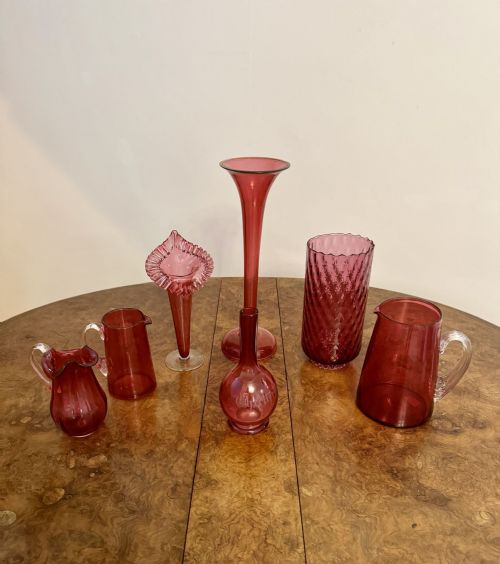
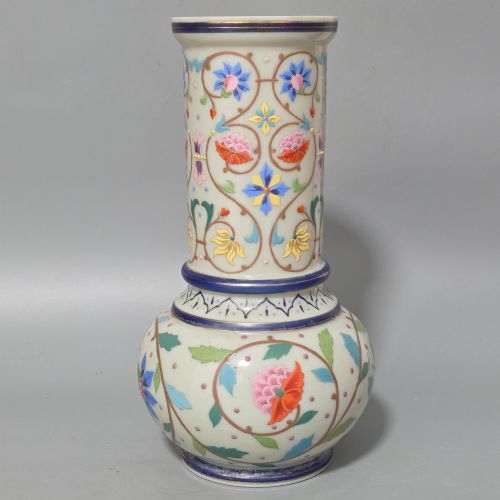
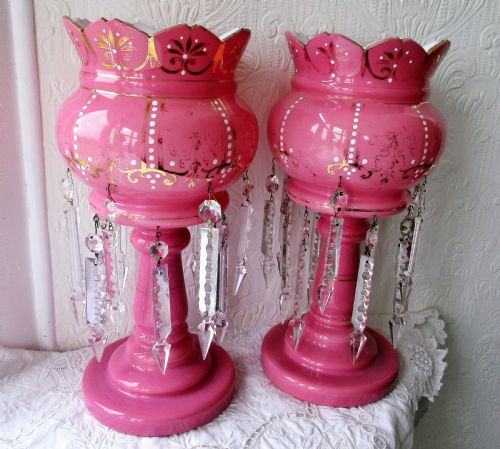
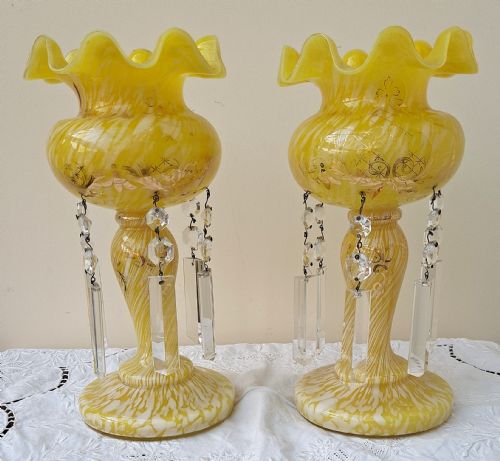
When you search for a victorian glass vase, you encounter coloured, enamelled, and cased vessels made during the nineteenth century.
Victorian Glass Vase
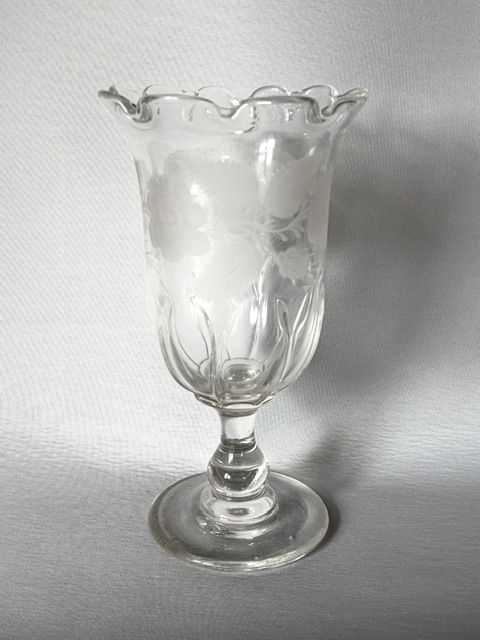
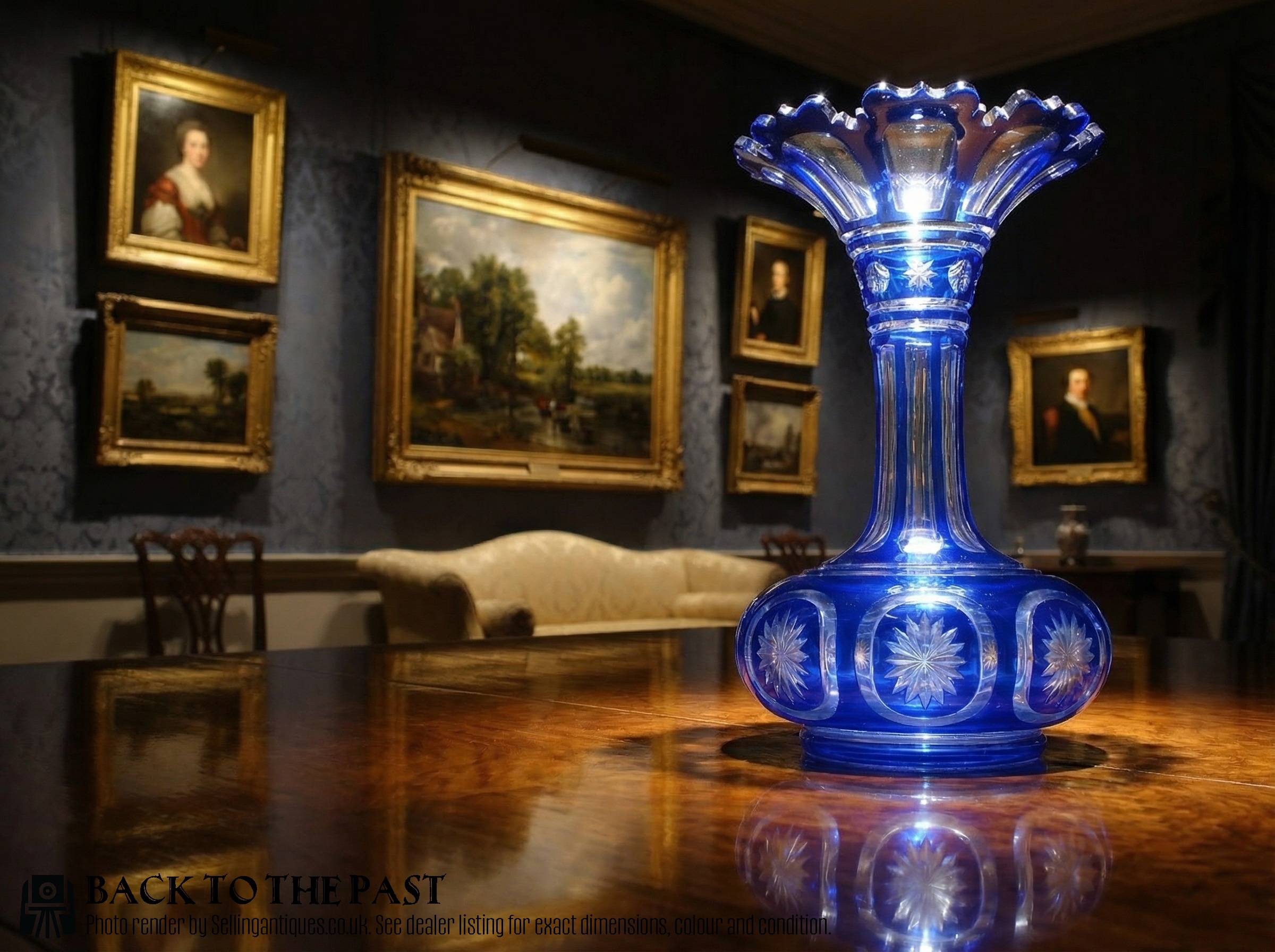
A victorian glass vase encompasses a wide variety of domestic vessels produced primarily during the nineteenth century, ranging from tall lily shapes to multi-trumpet epergnes. The selection spans straightforward table forms alongside decorative mantel lustres and intricately painted display pieces.
Cranberry glass, vaseline glass, and ruby glass dominate the offerings, frequently accompanied by opaline, satin glass, and cut crystal. These items hail from English, Bohemian, and French workshops, reflecting diverse regional techniques from the period.
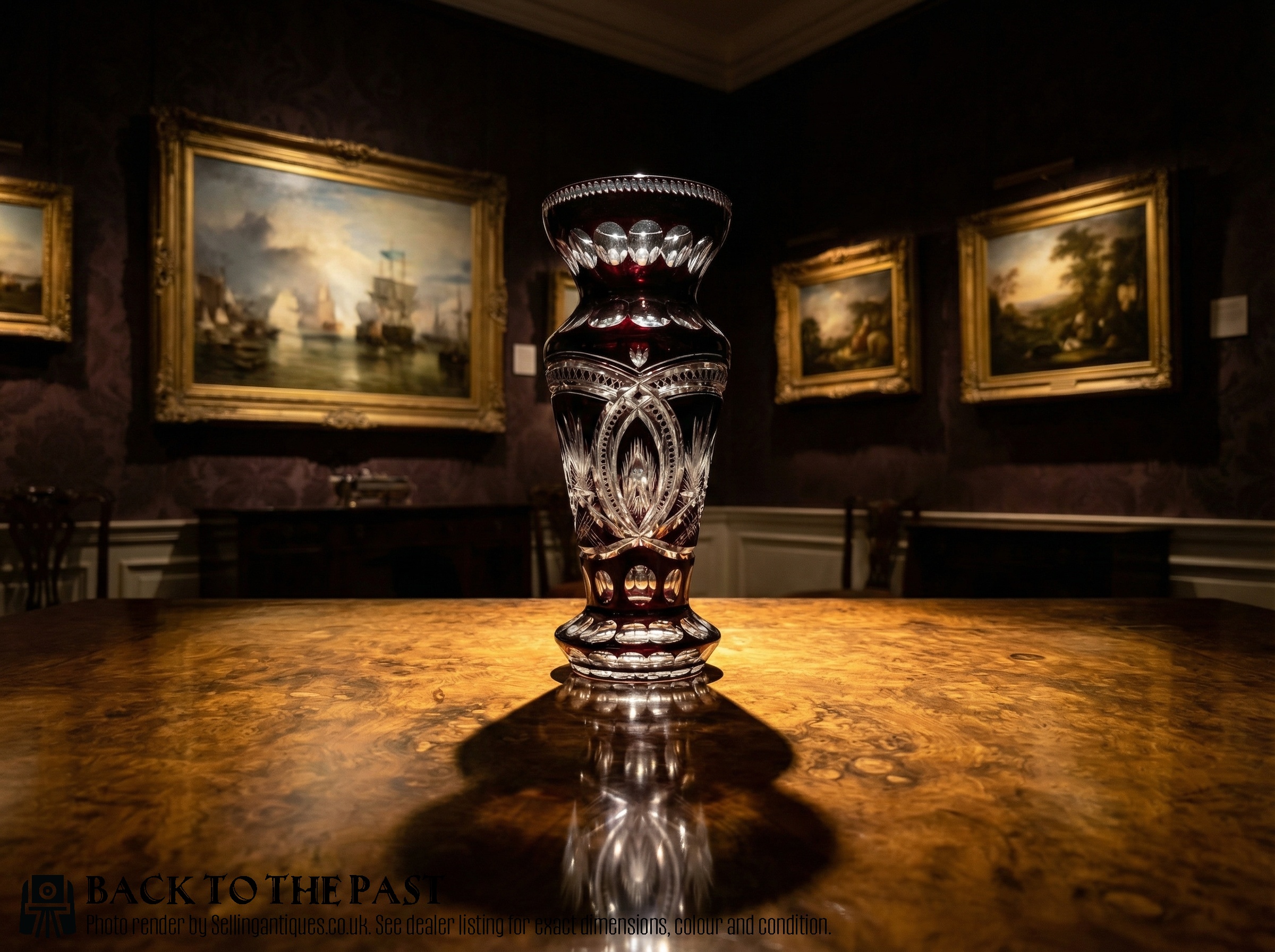
How they were made
Many vessels begin as hand-blown molten metal, manipulated while hot into frilled rims, cornucopia curves, or jack-in-the-pulpit forms. Artisans also utilised cased glass methods, fusing layers of differently coloured glass together before cutting or etching the surface.
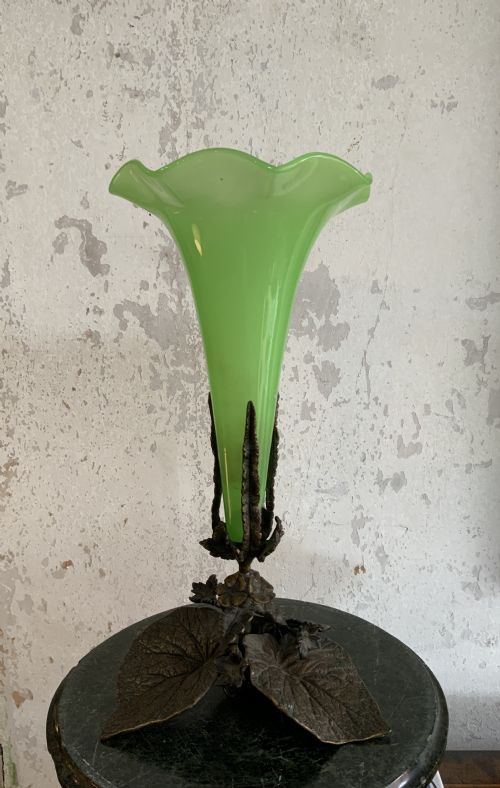
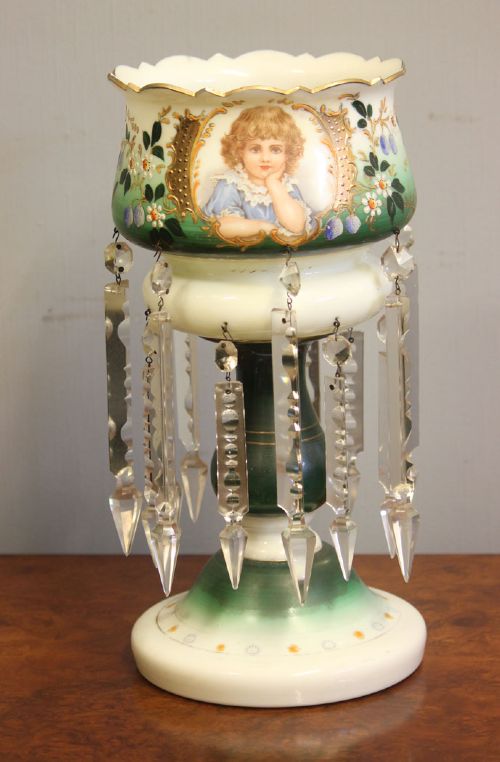
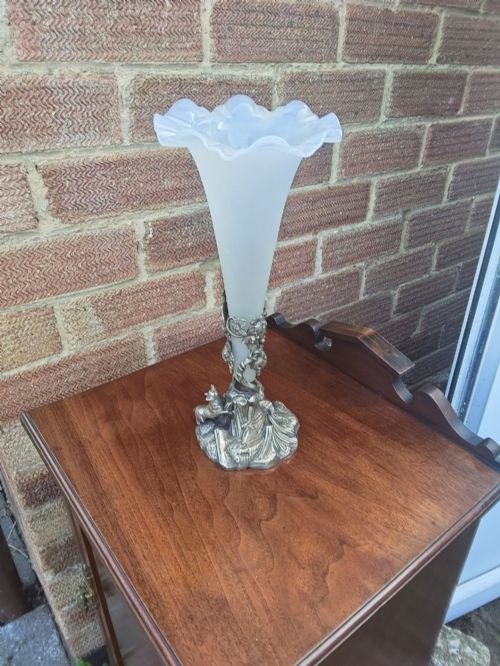
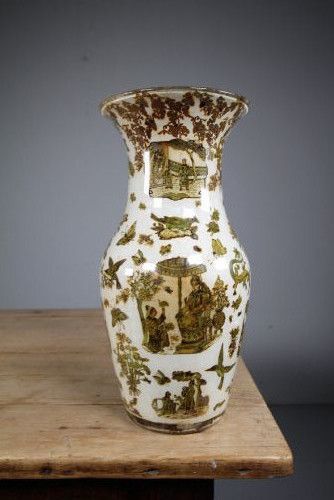
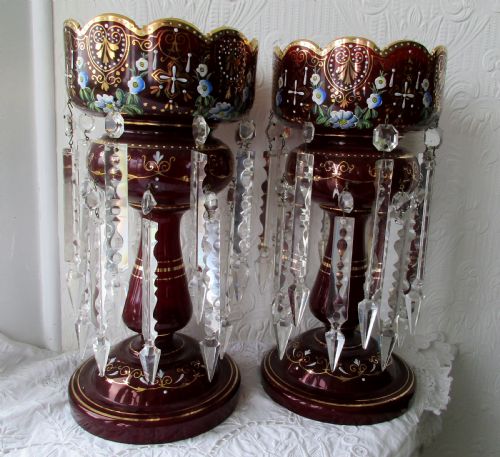
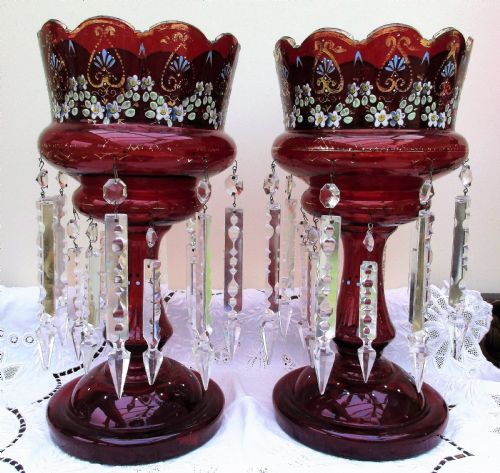
Decoration often involved hand-painted enamel scenes, gold leaf gilding, or decalcomania transfers applied to the glass body. Metal mounts in brass, bronze, and silver plate frequently support these glass bodies, particularly in epergnes and table centrepieces.
Victorian Glass Vase Retail Price Guide 2026
Typical asking prices for victorian glass vase among the pieces listed under this phrase on Sellingantiques today, from the lower quarter to the upper quarter. They describe what is for sale here now, not the wider market.
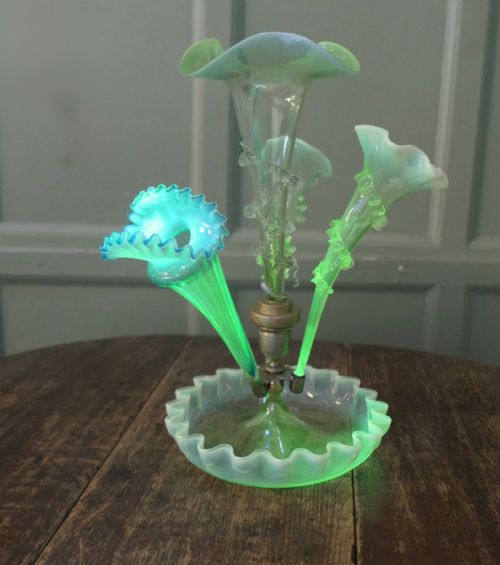
Some nineteenth-century glass glows cheerfully under a blacklight due to its uranium content, surprising those who discover it.
What varies in quality
The standard of a victorian glass vase rests upon the depth of colour in the material and the precision of the glassblower's shaping. Rich cased layers and complex forms like multi-trumpet epergnes demand advanced skill from the maker.
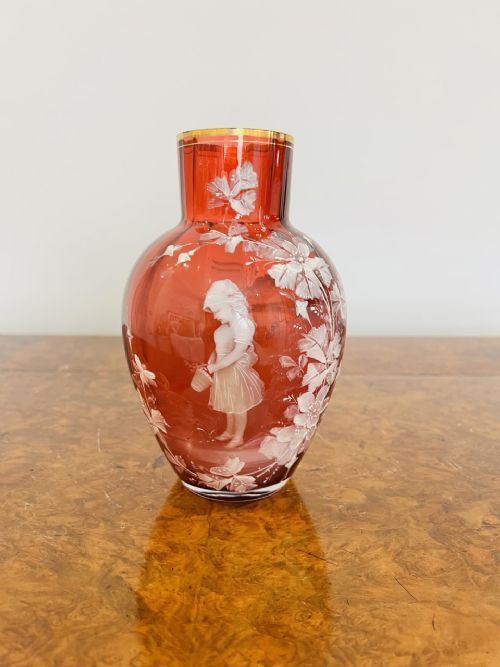
Hand-painted details such as Mary Gregory enamel figures or botanical motifs exhibit noticeable variation in artistic execution. Furthermore, the integration of matching metal mounts, gilt bronze, or silver-plated bases influences the overall refinement of the piece.
Thomas Webb and Sons·Harrach·Baccarat·Mappin and Webb
The Victorian Glass Vase Glossary
- Cranberry glass
- Transparent pinkish-red glass coloured with gold chloride during production. This rich hue is characteristic of nineteenth-century tableware and decorative items.
- Vaseline glass
- Yellow-green glass containing uranium dioxide that glows under ultraviolet light. It appears frequently in nineteenth-century decorative bowls and vases.
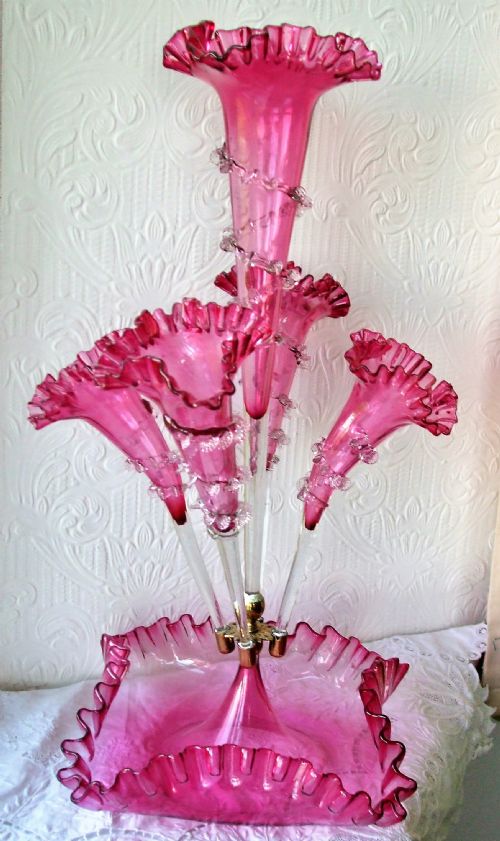
- Epergne
- A tiered table centrepiece featuring a central vase surrounded by smaller hanging or branching trumpets. These pieces often combine glass with silver-plated or bronze holders.
- Opaline glass
- Opaque or semi-translucent glass, often pale blue, pink, or white, mimicking porcelain. It provides a smooth surface well suited for enamel painting.
- Jack-in-the-pulpit vase
- A vessel featuring a wide, ruffled, and flared rim resembling a flower blossom. This distinctive shape required skilled manipulation while the glass was hot.
- Mantel lustre
- A decorative vase hung with cut glass prisms designed to catch the light. Pairs of these items traditionally decorated nineteenth-century fireplace mantels.
Victorian Glass Vase: Frequently Asked Questions
What is a victorian glass vase?
A victorian glass vase is a decorative vessel produced during the nineteenth century in various colours, cased layers, and blown shapes.
These pieces range from simple posy holders to elaborate hand-enamelled display items and multi-trumpet epergnes.
How do you clean antique glass?
Clean antique glass gently using lukewarm water and mild soap, avoiding harsh scrubbing on gilded or enamelled surfaces.
Dry the vessel carefully with a soft cloth to protect delicate rims and applied metal mounts.
What is vaseline glass?
Vaseline glass is a distinct yellow-green transparent material containing uranium dioxide, which causes the glass to fluoresce brightly under ultraviolet light.
Victorian makers utilised this substance for various tableware items, decorative bowls, and posy vases.
How were glass epergnes used?
Glass epergnes served as striking table centrepieces during formal nineteenth-century dining, often holding flowers or sweetmeats across their branching trumpets.
The central vase and detachable hanging baskets created an impressive display on dining tables and sideboards.