


Victorian Glass Top Table
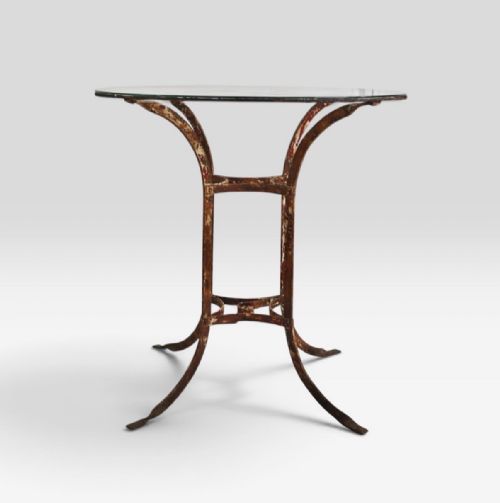
A victorian glass top table brings transparent surfaces and timber frames together, holding small treasures safely beneath glass.
Victorian Glass Top Table
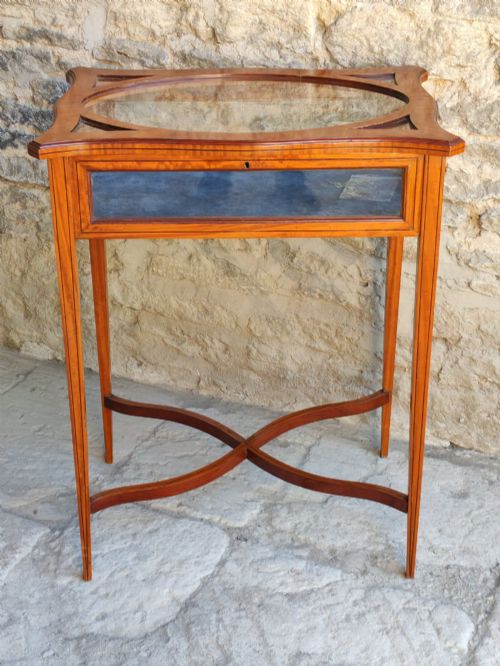
When you search for a victorian glass top table, you encounter display pieces, bijouterie tables, and vitrines designed to showcase small objects. These items emerge from the nineteenth century, with makers utilising timber frames and glazed panels to protect valuables while keeping them visible.
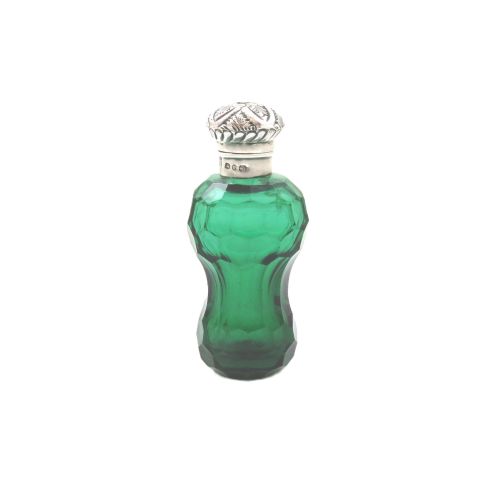
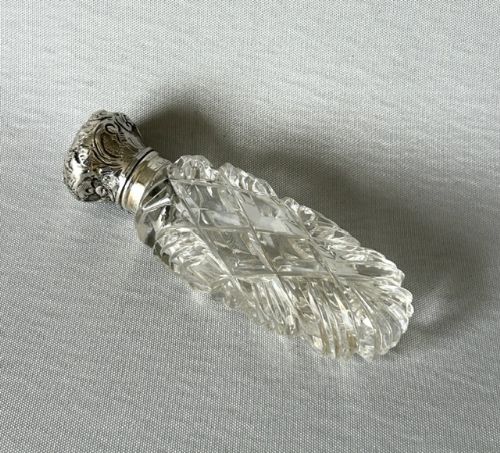
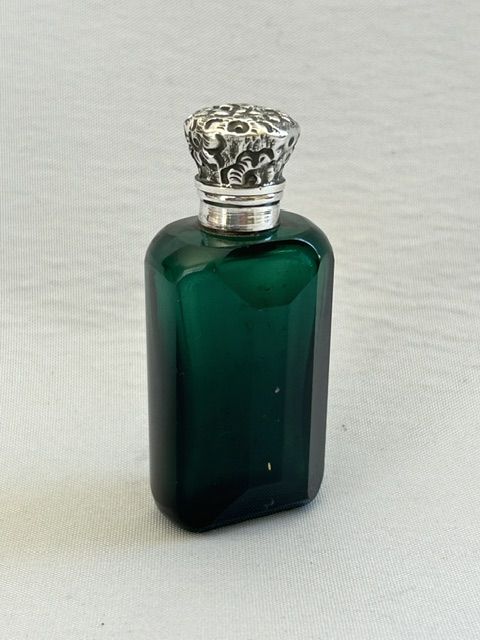
The versions most common on this page include mahogany, rosewood, and kingwood bijouterie tables alongside occasional console and garden variants. Makers shaped these with glazed tops, hinged lids, and velvet or fabric linings to cushion pocket watches, scent bottles, and trinkets.
How they were made
Cabinet makers constructed frames from hardwoods such as mahogany, rosewood, satinwood, and walnut, often applying brass or ormolu mounts to corners and edges. Glazed hinged tops fit snugly into timber surrounds, while interior wells received velvet or fabric linings to cushion delicate items.
Glass tops and panels utilised cut, bevelled, or moulded glass, sometimes paired with silver, sterling silver, or brass mounts fixed by silversmiths and metalworkers. Joinery relied on traditional mortise and tenon techniques, ensuring rigid support for the heavy glass and metal components.
Victorian drawing rooms utilised tiny glass-topped tables so guests could inspect miniature silver trinkets without dropping them on the rug.
What varies in quality
The calibre of timber selection and cabinet work dictates the standing of each piece, from plain utility frames to finely figured rosewood and kingwood veneers. Heavier brass or ormolu mounts and precise mitre joints separate superior examples from simpler constructions.
Internal details such as original velvet linings, intact bevelled glass plates, and working brass locks with functional keys elevate a table's integrity. The crispness of carved woodwork and the weight of the silver or brass mounts reveal the maker's original investment of time and skill.
Negretti and Zambra
The Victorian Glass Top Table Glossary
- Bijouterie table
- A display table with a glass top and sides designed to exhibit small valuable objects, trinkets, and jewellery. These pieces usually feature a hinged lid for access.
- Ormolu
- Gilded bronze mounts applied to furniture woodwork for decorative accent and edge protection. This technique involves coating cast bronze with a gold amalgam.
- Vitrine
- A glass-fronted or glass-topped cabinet or table used for displaying fine possessions. The term derives from the French word for glass.
- Satinwood
- A durable, yellowish timber prized for its smooth grain and glossy sheen, utilised in fine nineteenth-century cabinet making. It frequently appears in polished decorative veneers.
- Pier mirror
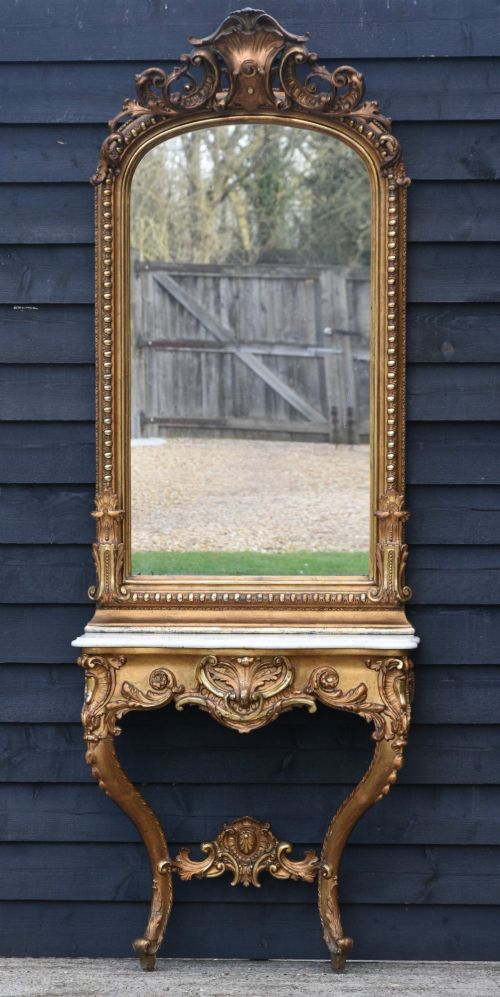
- A large wall mirror designed to hang in the wall space between windows, often paired beneath with a matching console table.
Victorian Glass Top Table: Frequently Asked Questions
What is a bijouterie table?
A bijouterie table is a display table featuring glazed tops and sides intended for showcasing small precious items. They served in nineteenth-century drawing rooms to exhibit collections of scent bottles, trinkets, and medals.
The hinged glass lid allowed owners to inspect their possessions without handling them directly. Interiors were commonly lined with velvet or silk to protect the items resting inside.
How do I clean the glass top?
Clean the glass top using a soft microfibre cloth and a mild glass cleaning solution sprayed onto the cloth rather than the table. This prevents moisture from seeping into the timber frame or tarnishing brass mounts.
Take care to avoid harsh chemical cleaners that might damage antique wood finishes, silver mounts, or fabric interior linings.
Where were these tables placed?
These tables typically stood in nineteenth-century drawing rooms, parlours, or reception spaces where guests gathered. Their transparent surfaces and displayed contents acted as conversational centrepieces.
Owners positioned them against walls or near windows to catch natural light on the displayed trinkets and polished timber frames.
How do I date a glass top table?
Dating relies on examining the timber species, construction methods, and hardware styles. Victorian and Edwardian examples show specific combinations of mahogany, rosewood, and cast brass or ormolu mounts.
Hand-cut dovetails, original glass thickness, and fastener types help establish the decade of manufacture. Comparing the design characteristics to documented nineteenth-century cabinet work confirms the period.