
Victorian Glass Oil Lamp
A Victorian glass oil lamp brings glowing warmth and period character to a room, pairing heavy metal columns with vibrant coloured fonts and shades.
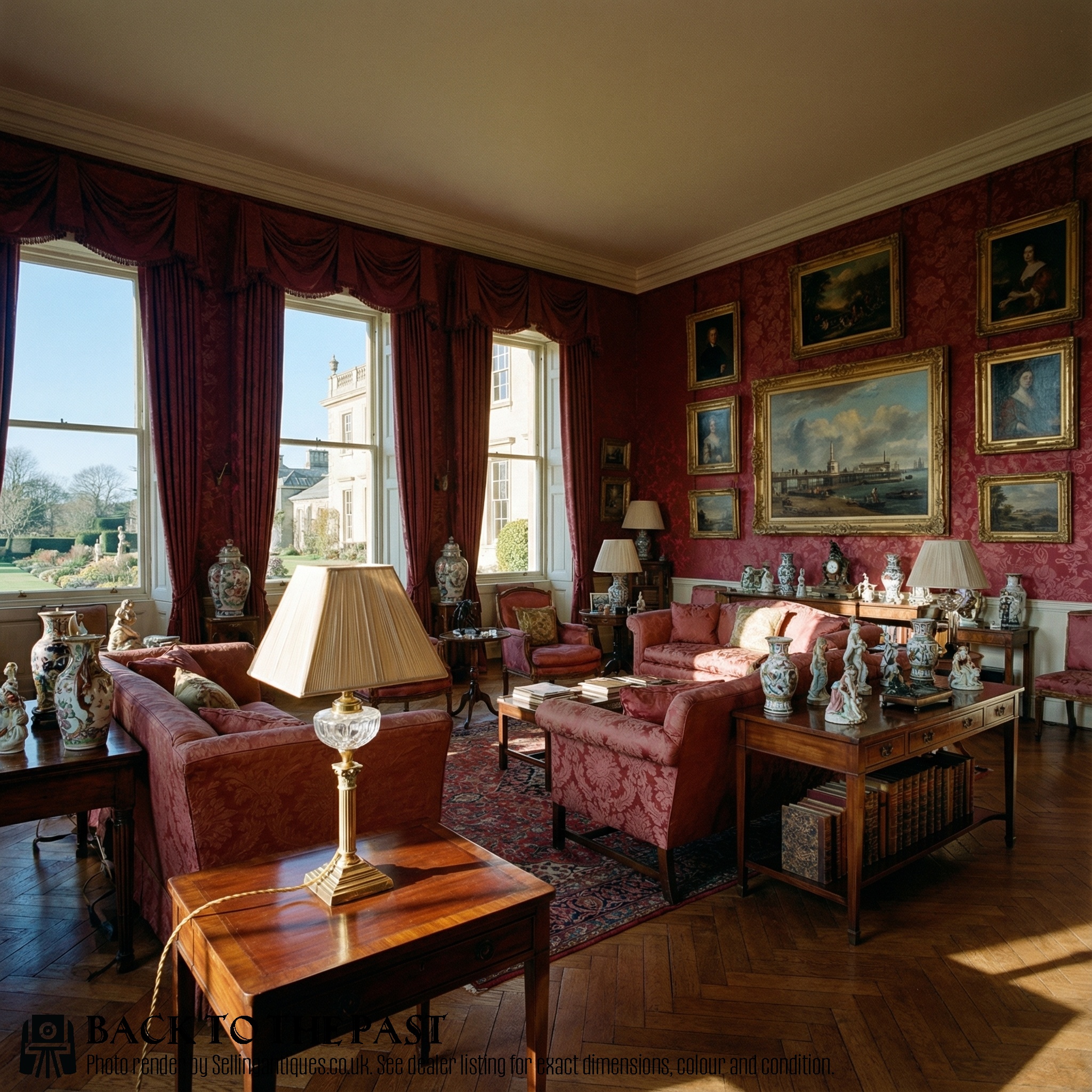
Victorian Glass Oil Lamp
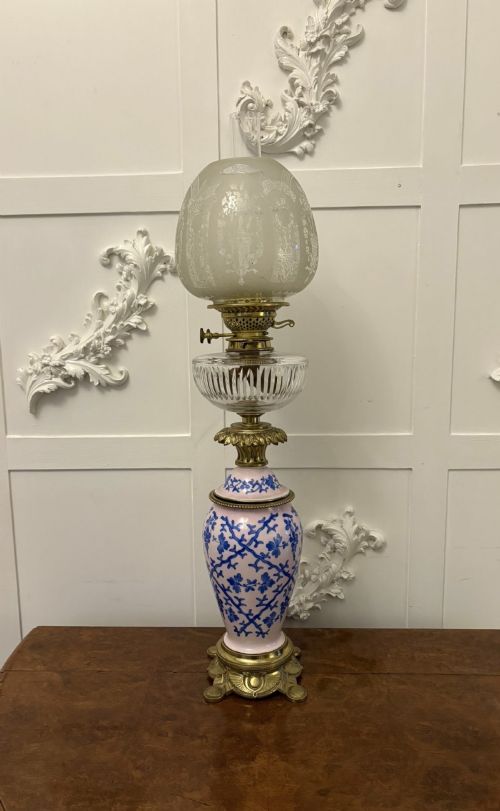
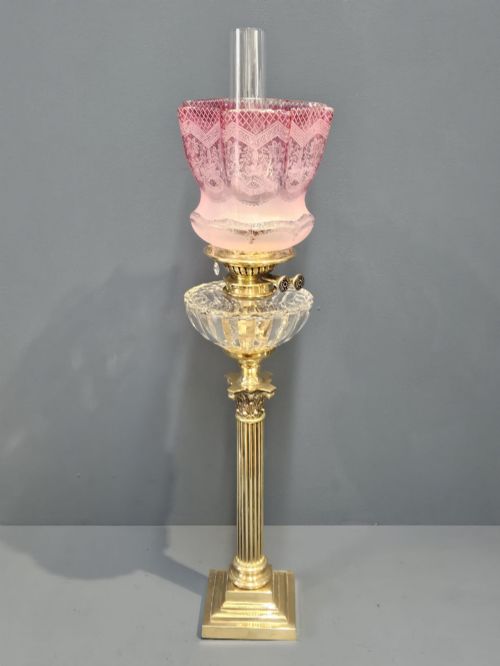
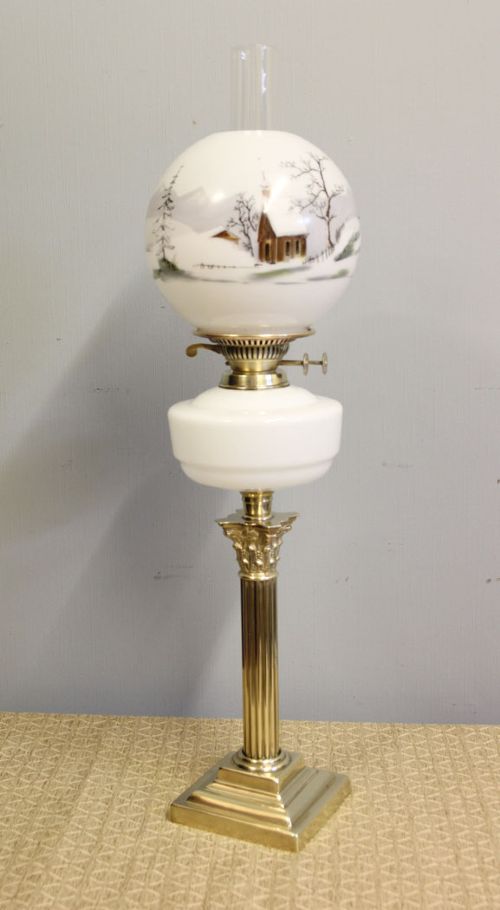
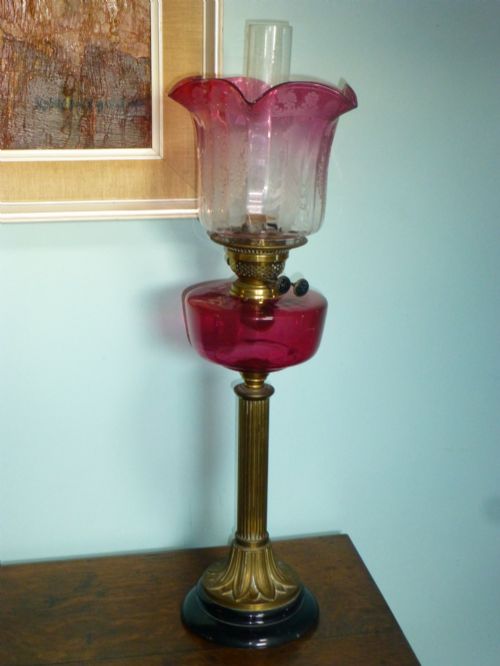
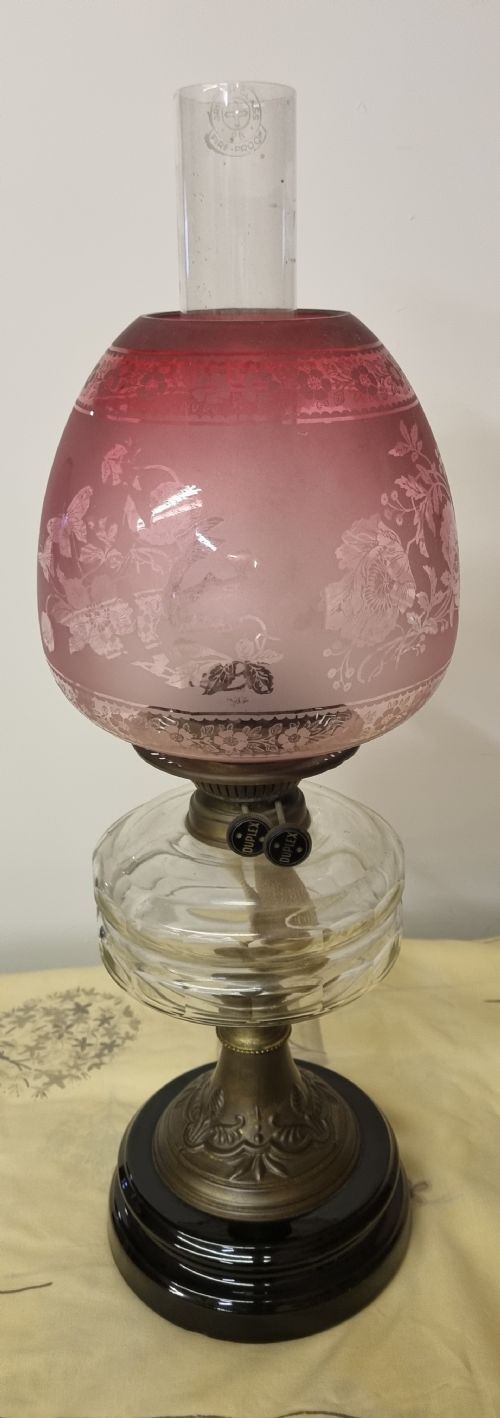
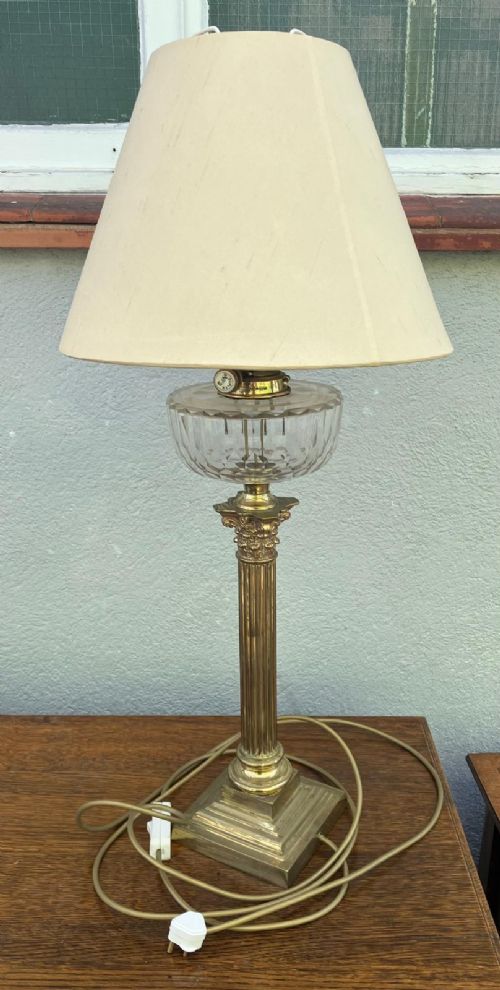
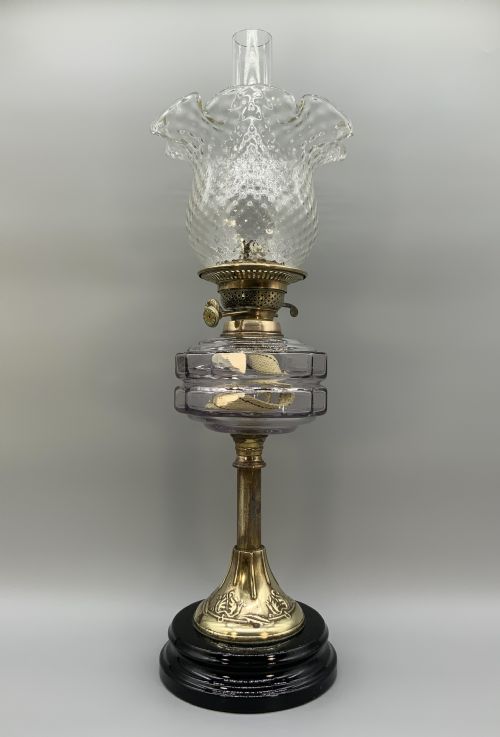
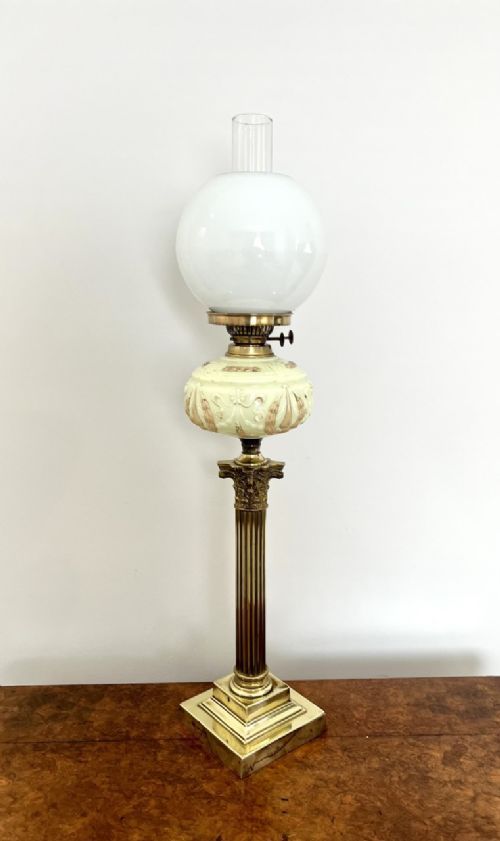
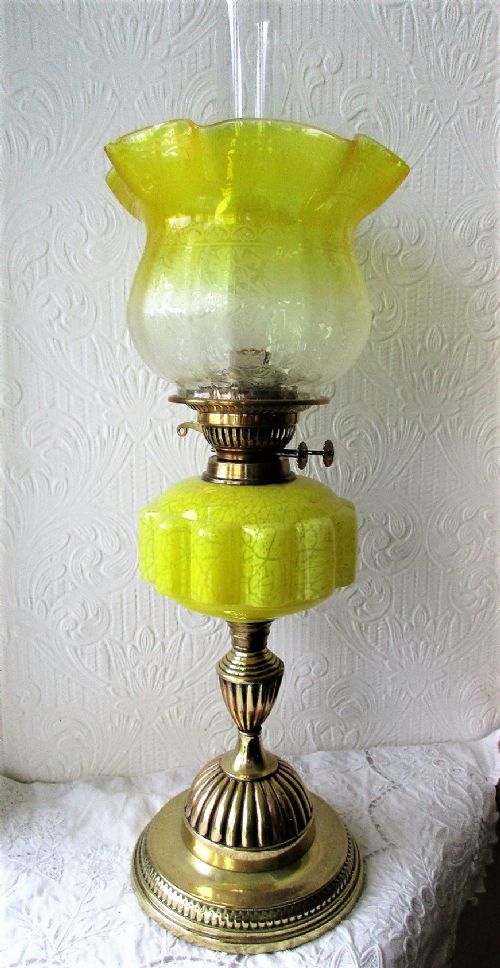
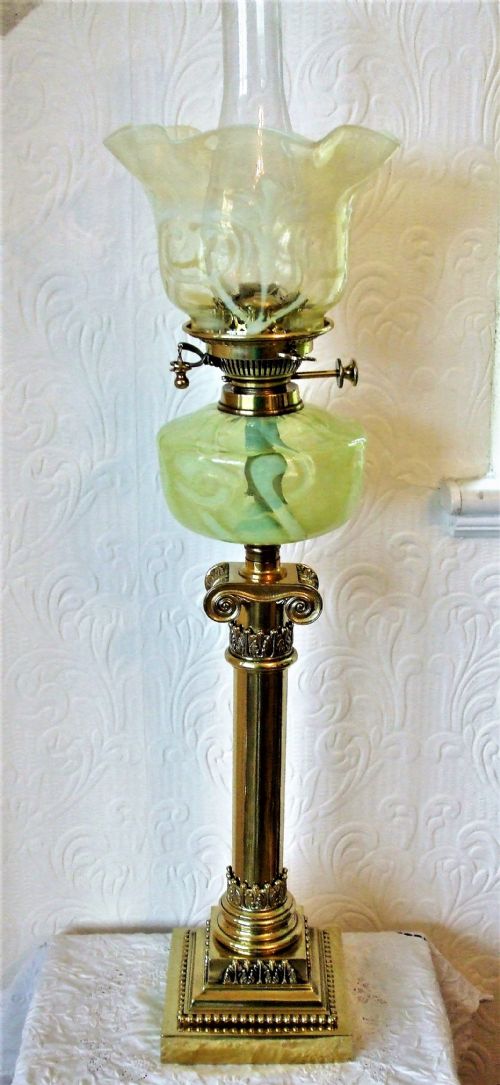
A victorian glass oil lamp is a functional household lighting piece combining a sturdy metal base with a glass fuel reservoir and often a matching glass shade. The most common examples pair a polished brass Corinthian column with a striking cranberry glass font or tulip-shaped shade.
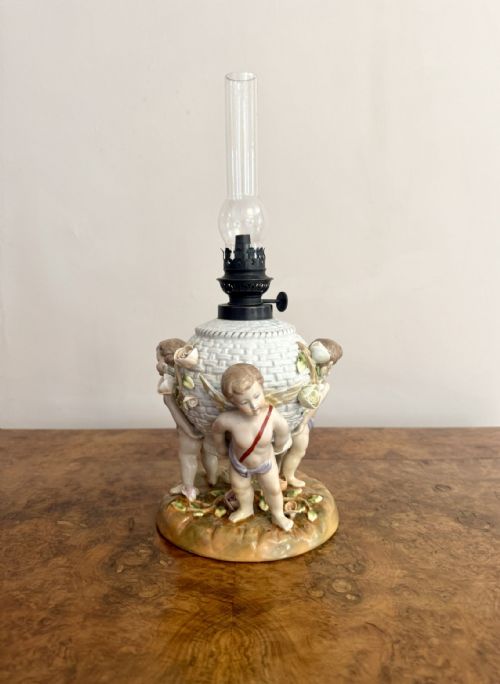
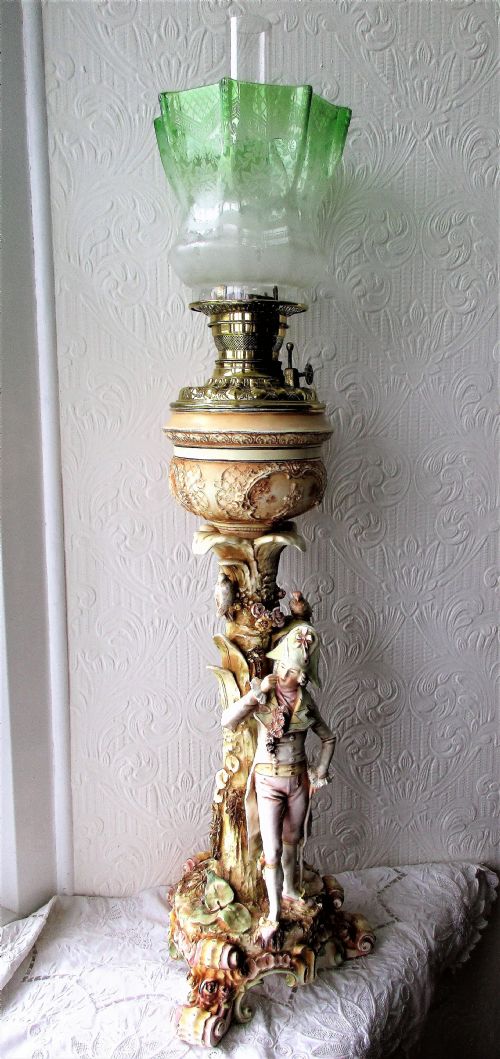
Beyond standard table models, listings reveal variations including tall double-burner duplex lamps, hanging ceiling styles, and delicate bedside finger lamps. Ceramic and porcelain elements frequently join the brass and glass assemblies, occasionally taking figural forms.
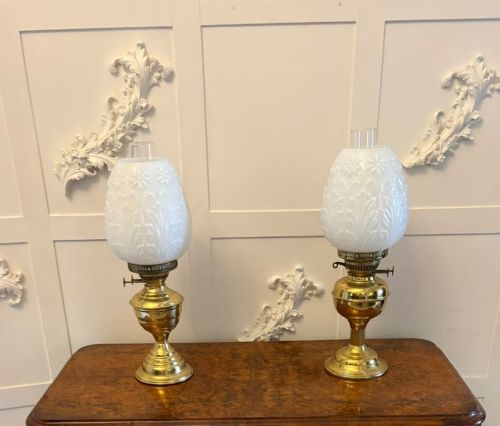
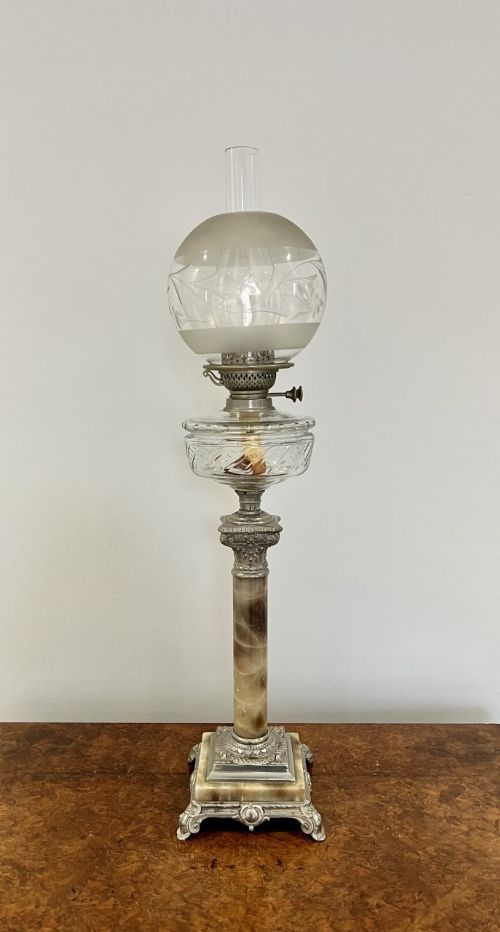
While many pieces date firmly to the nineteenth century, related examples extend into the Edwardian era with opaline glass shades and onyx details. Collectors encounter both complete matched sets with original chimneys and individual fonts awaiting compatible burners.
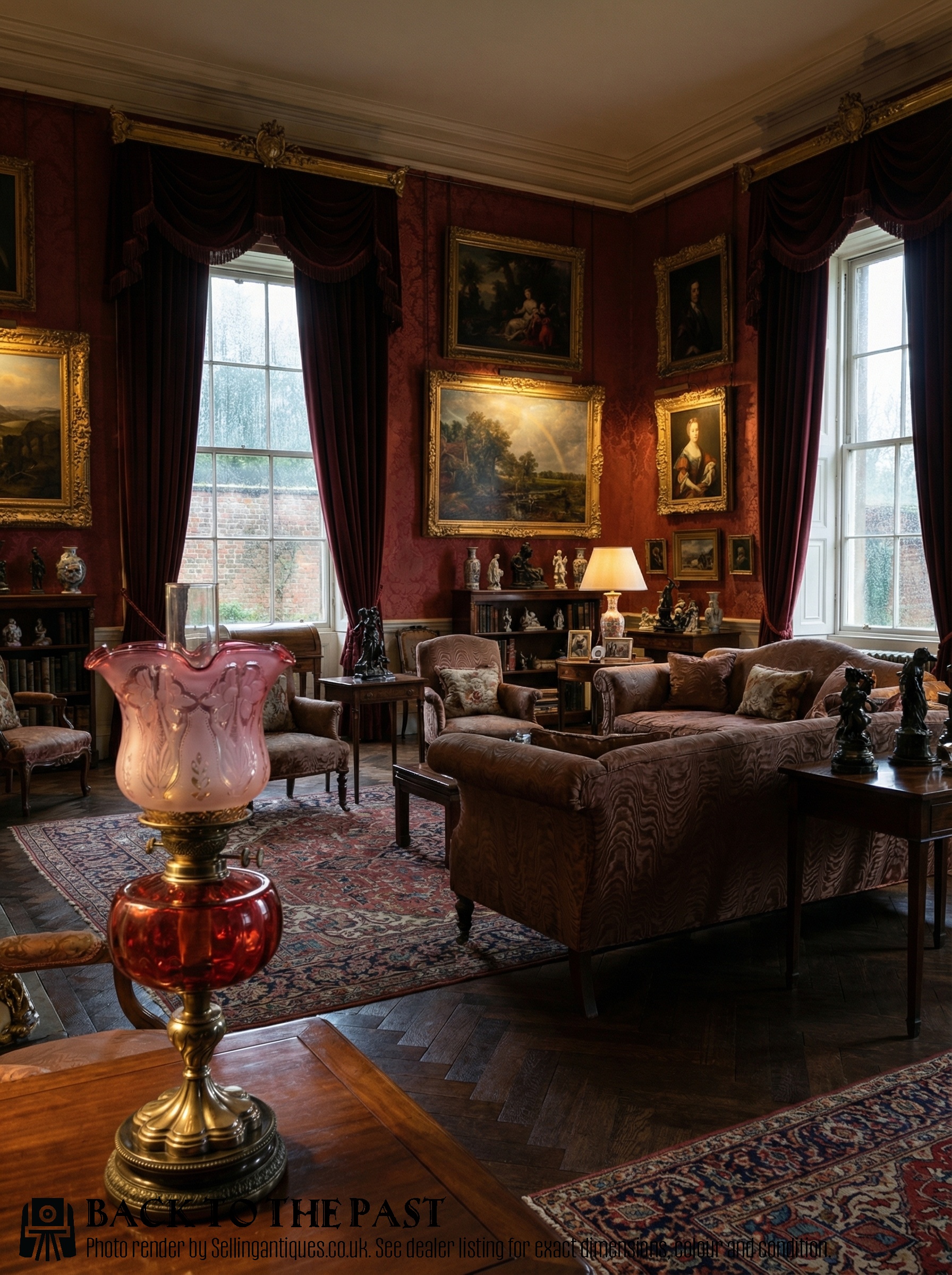
Assessing craftsmanship and condition
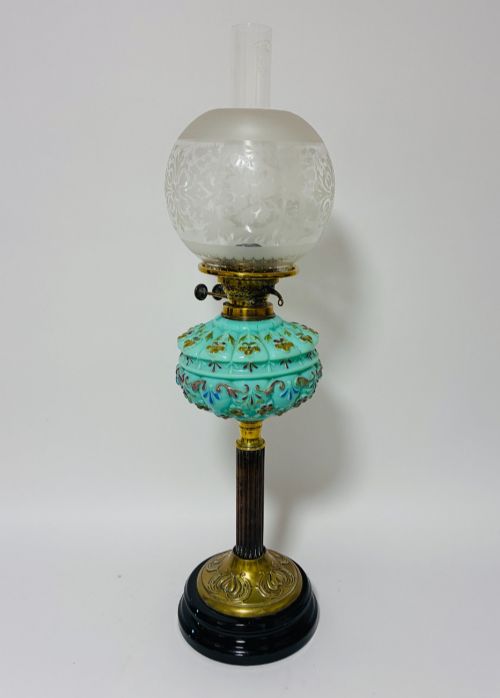
Quality rests in the depth of colour within the glass and the crispness of the brass casting on columns and burner galleries. Superior pieces retain their original matching shades, fonts, and branded burner mechanisms rather than later replacement parts.
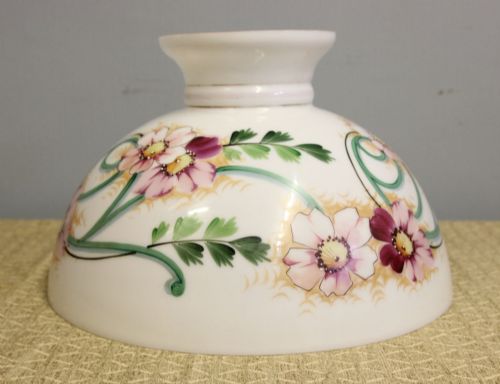
Artistic execution sets exceptional items apart, visible in hand-painted enamel details, etched glass patterns, and substantial proportions. Maker marks stamped into the brass work indicate higher manufacturing standards.
Victorian Glass Oil Lamp Retail Price Guide 2026
Typical asking prices for victorian glass oil lamp among the pieces listed under this phrase on Sellingantiques today, from the lower quarter to the upper quarter. They describe what is for sale here now, not the wider market.
Listings feature brass, cranberry glass, porcelain, and opaline glass configured into table lamps, hanging lights, and floor lamps.
Hinks·Taylor Tunnicliff·Sitzendorf
The Victorian Glass Oil Lamp Glossary
- Duplex burner
- A double-wick mechanism that produces a significantly brighter flame than single-wick designs. These were often fitted to larger parlour lamps requiring stronger illumination.
- Opaline glass
- An opaque or translucent pale glass type used for delicate shades and bodies. It diffuses the internal light into a soft glow.
- Chimney
- The tall, narrow glass tube placed over the burner to steady the flame and draw oxygen. Original examples are prized by purists.
Victorian Glass Oil Lamp: Frequently Asked Questions
Can I still burn oil in these lamps?
Many vintage lamps remain mechanically sound and can burn paraffin or lamp oil if fitted with fresh wicks. Owners should inspect the internal reservoir for integrity before adding fuel.
Alternatively, numerous examples have been professionally converted to electricity for safe daily use as modern table lighting.
How do I identify a matching shade?
Original shades typically share the exact glass colour, thickness, and etching style of the lower font reservoir. Matched sets often feature identical cranberry, ruby, or vaseline glass properties.
Fitted galleries on the burners provide a specific physical diameter constraint that dictates the correct shade size.
What is a duplex burner?
A duplex burner uses two parallel flat wicks controlled simultaneously by twin thumbwheels. This clever mechanism generated double the light output of standard Victorian burners.
Such setups usually accompany taller, grander table lamps designed for central parlour use.
How should I clean my lamp?
Glass components respond well to warm soapy water and gentle cloth drying to preserve hand-painted enamel or gilt decoration. Brass bases require non-abrasive metal cleaners applied carefully to avoid touching adjacent glass.
Harsh chemical dips can permanently strip the aged patina from nineteenth-century metalwork.