

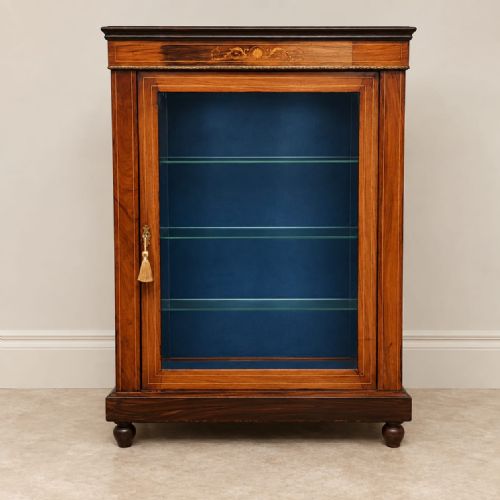
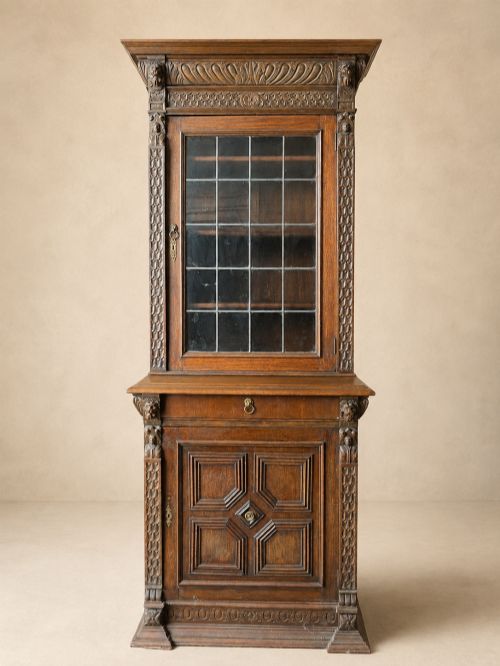
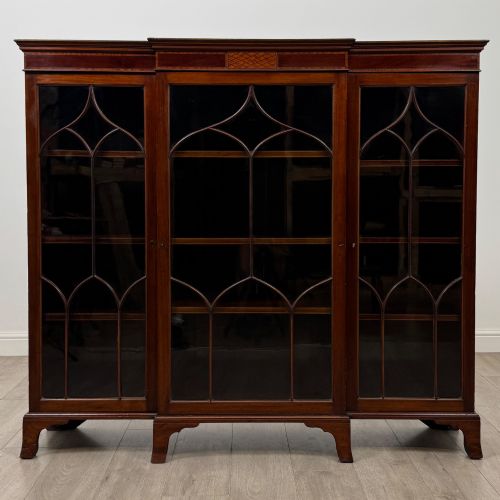
Victorian Glass Display Bookcase
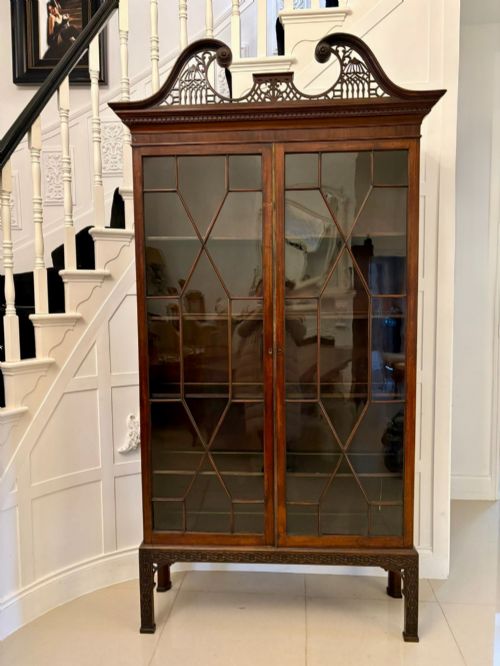
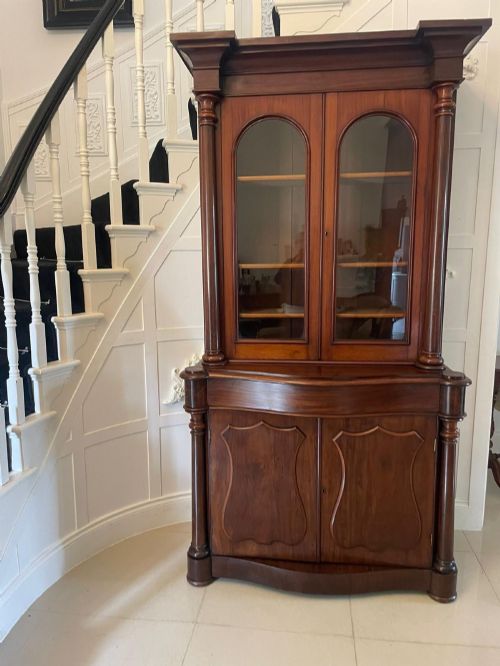
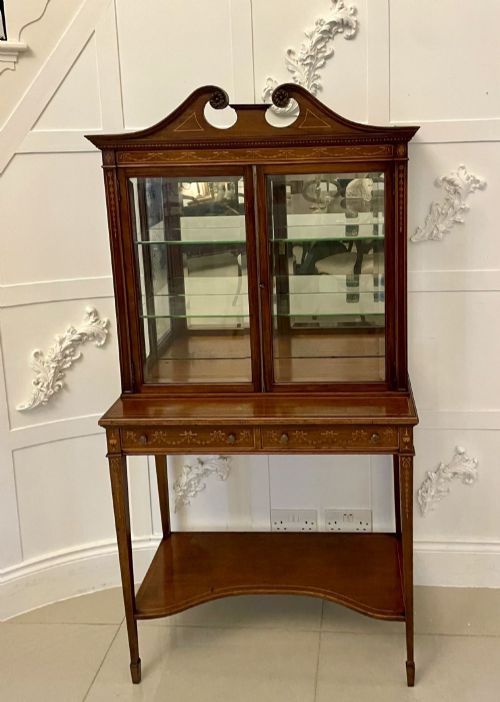
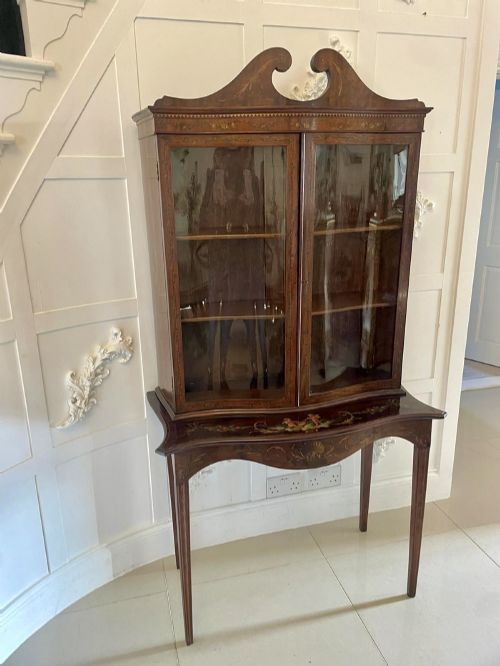
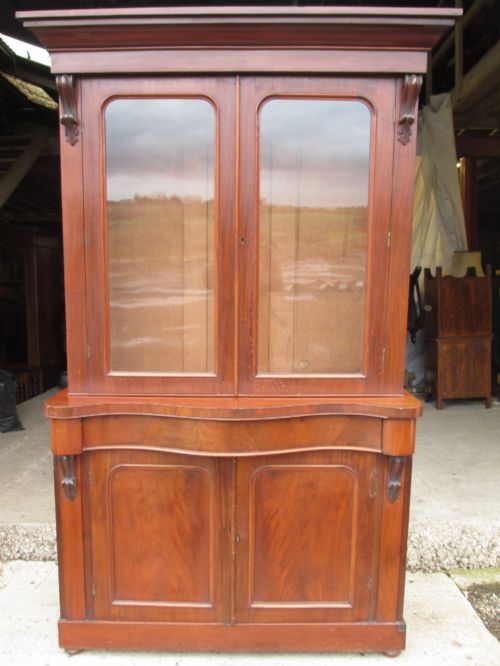
A victorian glass display bookcase holds bound volumes behind clear panes while exhibiting treasured objects inside.
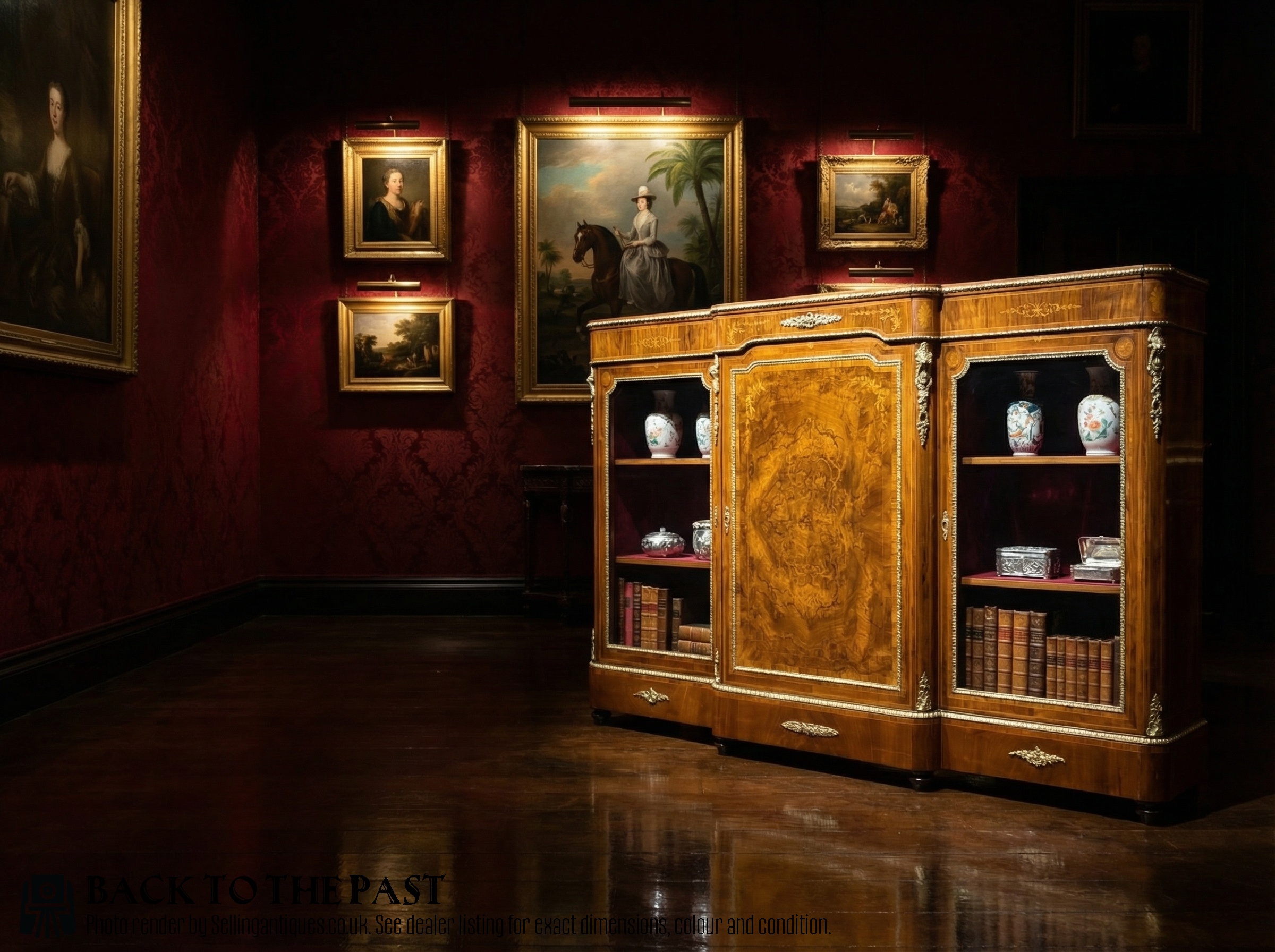
Victorian Glass Display Bookcase
A buyer seeking a victorian glass display bookcase encounters pieces spanning the nineteenth century, including specific dates such as 1850, 1860, 1870, 1880, 1900, and 1910.
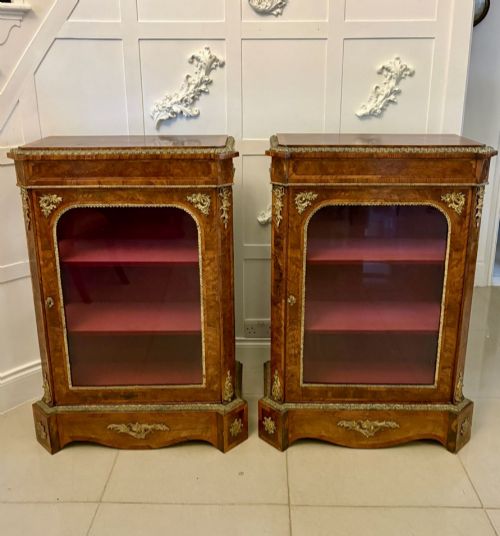
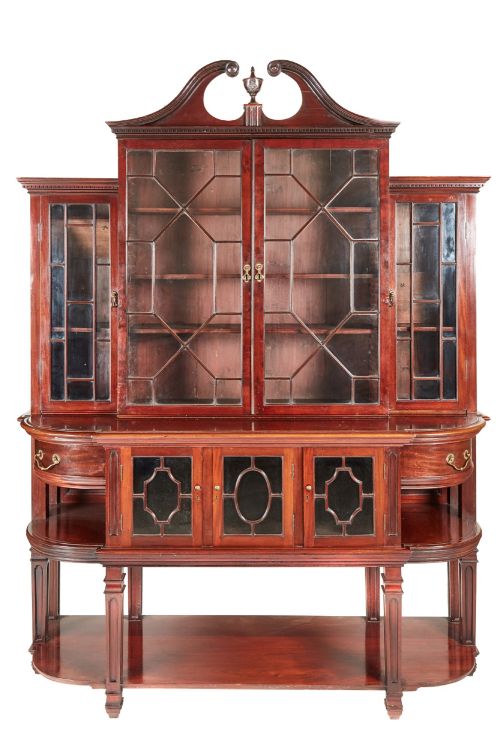
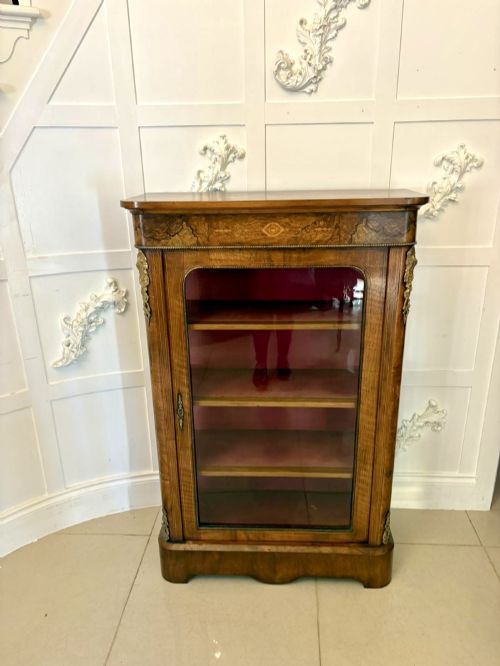
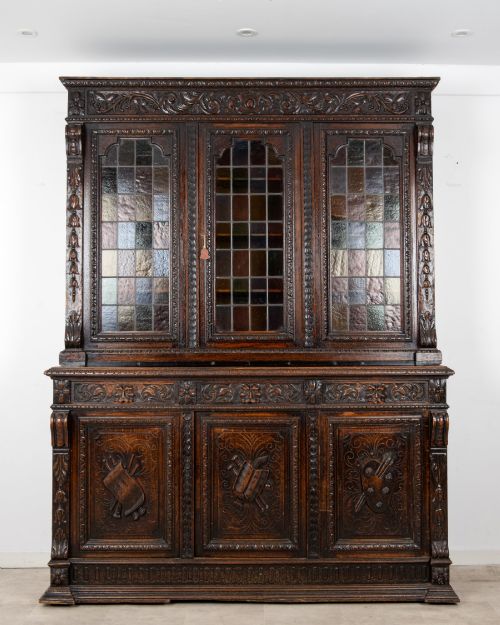
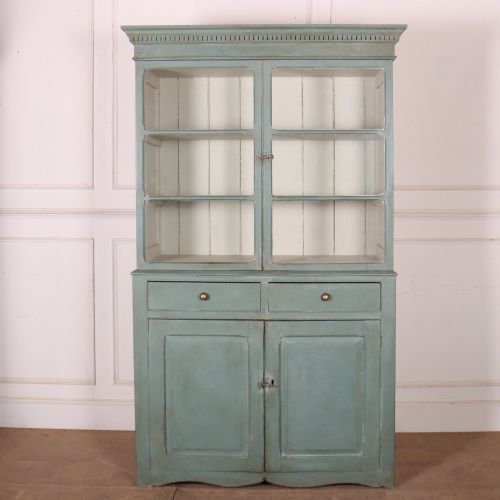
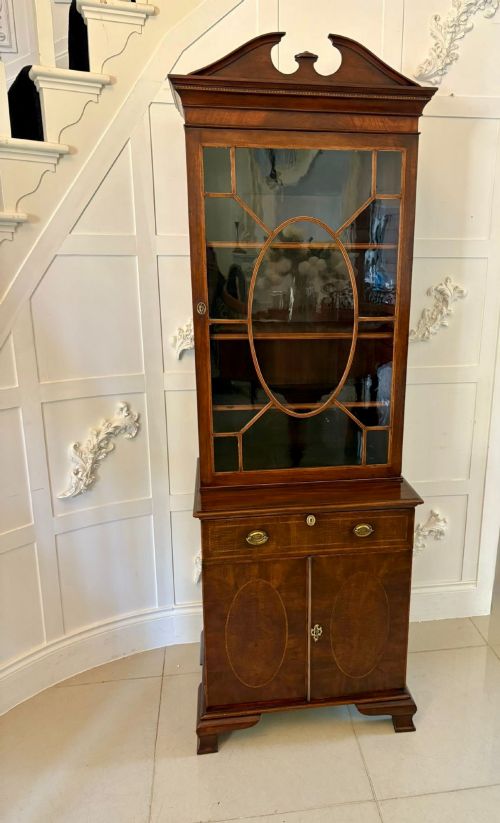
The objects combine library storage with visible display, taking forms such as breakfront bookcases, pier cabinets, credenzas, and glazed kitchen dressers.
Makers such as Jas Shoolbred, Edwards & Roberts, and Gabriel Viardot appear alongside regional pieces like Scottish and Welsh country furniture.
Standards of craftsmanship
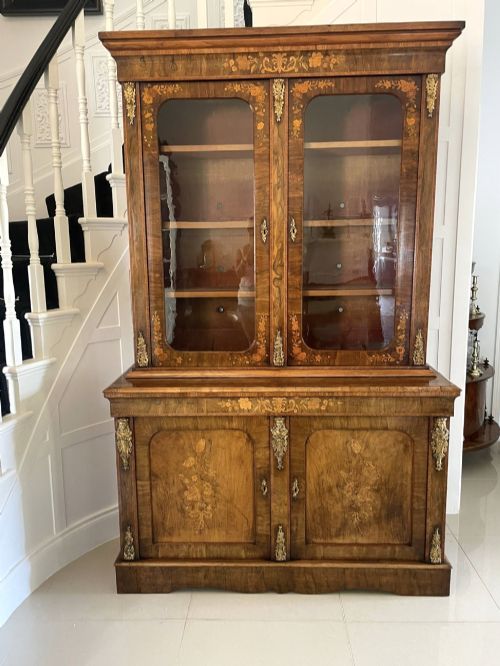
Quality rests upon the selection of timber veneers, such as figured mahogany or burr walnut, matched symmetrically across the doors and panels.
Refinement shows in the precision of the marquetry, the casting of ormolu mounts, and the integration of painted decoration or inlaid stringing.
Structural integrity appears in the joinery of the glazed doors and the survival of original glass and interior fabric.
Some music cabinets double as étagères, proving Victorians liked their sheet music served with a side of display shelf.
Jas Shoolbred·Edwards & Roberts·Gabriel Viardot
The Victorian Glass Display Bookcase Glossary
- Astragal
- A small moulding profile used to divide glass panes within a door. These wooden bars form geometric patterns across the front.
- Breakfront
- A cabinet design where the central section projects forward from the flanking wings. This architectural arrangement creates depth and visual balance.
- Ormolu
- Gilt bronze mounts applied to furniture for decorative effect. These cast metal ornaments catch the light against dark timber.
- Marquetry
- Fitted veneers arranged to form pictorial or decorative patterns on a wooden surface. Craftsmen cut various woods together to create complex designs.
- Pier cabinet
- A low freestanding cabinet designed to fit against the wall space between windows. These pieces often feature glass doors and elaborate inlay.
Victorian Glass Display Bookcase: Frequently Asked Questions
What fits inside these bookcases?
Books find a place on the wooden shelves behind glazed doors. Decorative items sit alongside them on display.
Cabinets with fabric-lined interiors often hold porcelain or small collections.
Where did these cabinets stand?
Libraries and drawing rooms housed the larger breakfront bookcases and credenzas. Parlours accommodated pier cabinets against the wall between windows.
Kitchen pieces served domestic storage needs in country houses.
How do I care for the timber?
Polishing with traditional wax maintains the finish of mahogany and walnut surfaces. Avoiding direct sunlight prevents fading of the wood.
Gentle dusting preserves delicate marquetry and inlay work.
How do I distinguish regional styles?
Regional pieces show simpler construction using local timbers such as Welsh oak or Scottish pine. London workshops favoured satinwood, burr walnut, and elaborate ormolu mounts.
Revival styles incorporate specific architectural motifs from earlier eras.