



Victorian Glass Bells
These Victorian glass bells and related domes offer a glimpse into period interiors, protecting delicate ornaments and clocks under clear glass.
Victorian Glass Bells
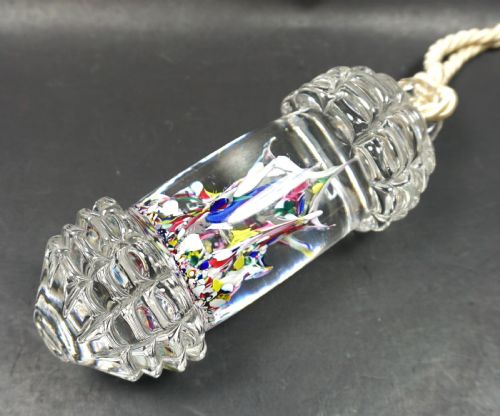
When searching for victorian glass bells, you encounter various items including handled hand bells, display domes, and cloches. The majority of available pieces span the Victorian and Edwardian periods, appearing alongside related 19th-century specimens.
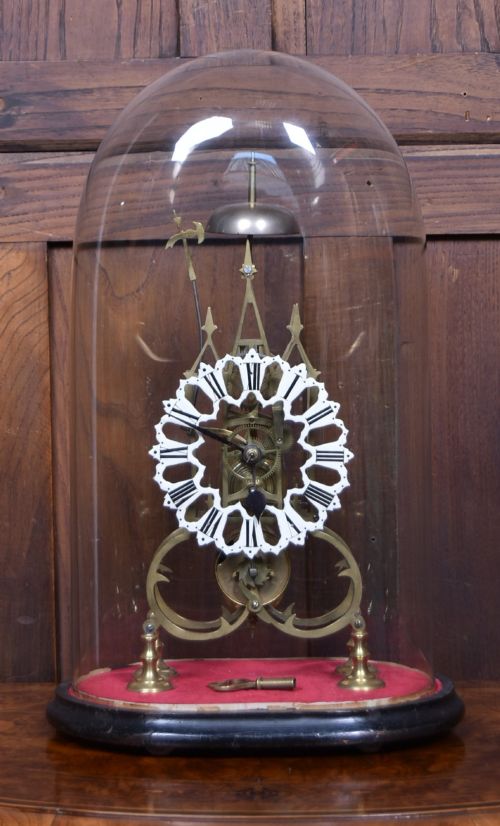
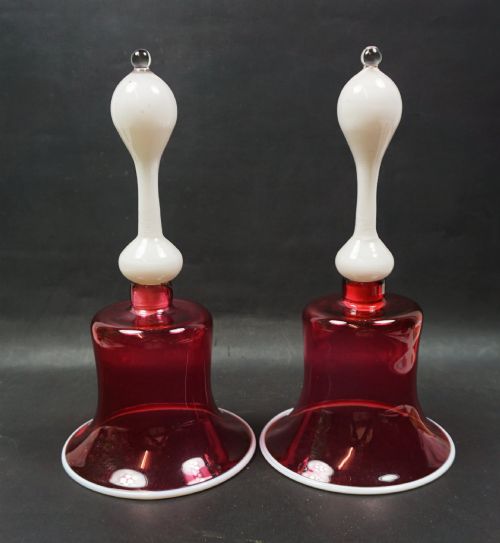
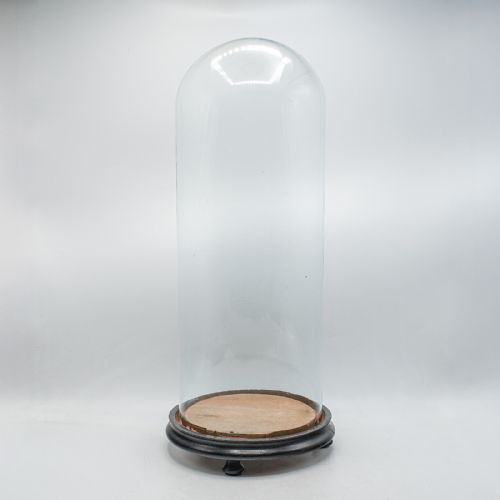
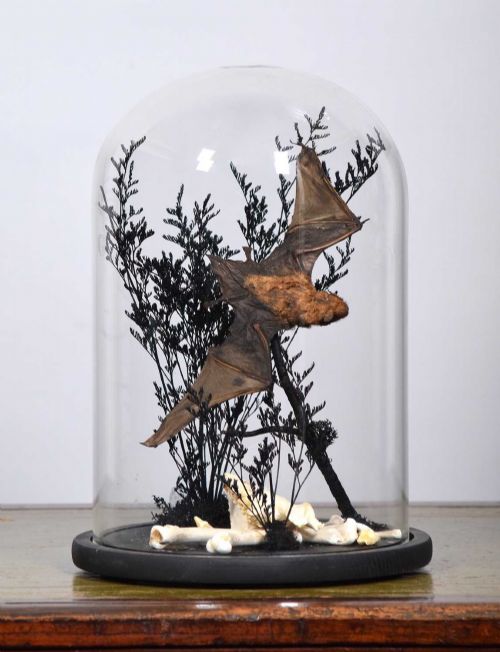
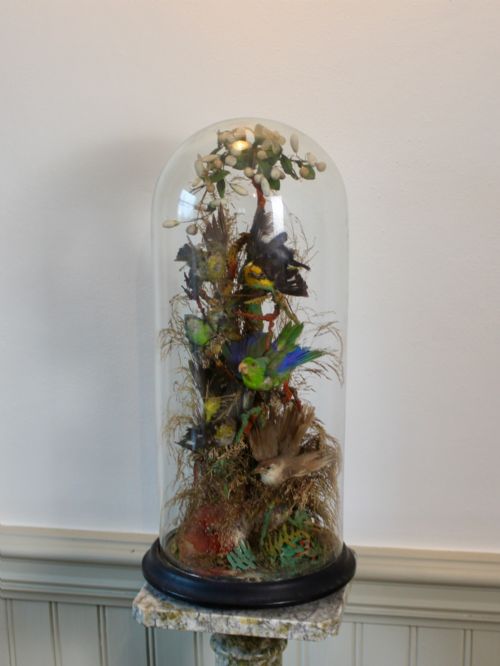
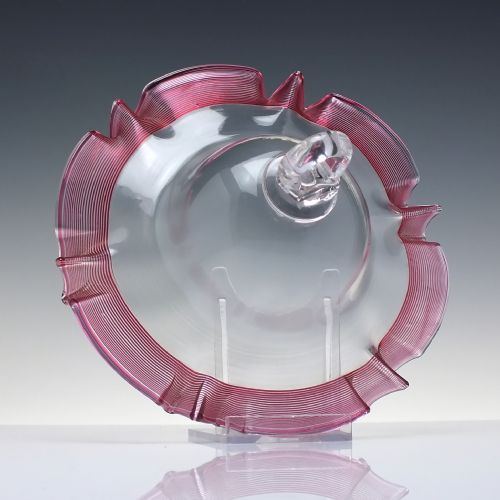
Hand bells often feature coloured glass such as cranberry and ruby hues, sometimes paired with contrasting white handles and rims. Display domes and cloches serve to cover taxidermy, clocks, and botanical arrangements on wooden or ebonised bases.
Origins include English, Continental, and Scottish workshops, utilising traditional forms designed for practical use or decorative display in period homes.
Evaluating quality and origin
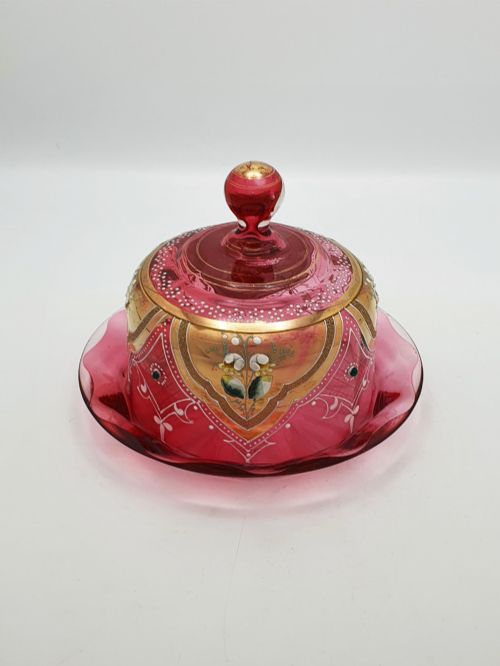
Quality rests upon the clarity and weight of the glass, alongside the craftsmanship of any applied handles, gilding, or enamel work. Hand-blown pieces showing depth and consistency in the material command attention.
The integrity of the original wooden base, whether ebonised wood, oak, or pine, contributes significantly to the overall preservation and authenticity of the piece.
The listings feature glass, ebonised wood, brass, and velvet across Victorian, Edwardian, and Georgian periods.
The Victorian Glass Bells Glossary
- Cloche
- A bell-shaped glass cover used traditionally in gardens or for protecting indoor displays. It sits directly over plants or objects.
- Display Dome
- A large glass cover resting on a base, designed to showcase taxidermy, clocks, or ornaments. These protect delicate items from dust.
- Cranberry Glass
- A type of transparent red glass coloured with gold chloride. It appears frequently in Victorian tableware and decorative bells.
- Ebonised Wood
- Timber treated to resemble ebony, providing a dark, polished contrast to glass domes and bases. It remains common in 19th-century furniture and mounts.
- Taxidermy Showcase
- A glass dome or case housing preserved animals or birds. They were popular in Victorian parlours for educational and decorative purposes.
Victorian Glass Bells: Frequently Asked Questions
What were Victorian glass bells used for?
These items served various domestic functions, ranging from sounding chimes in a parlour to covering delicate ornaments and food items on a table.
Hand-held bells summoned servants or marked gatherings, whilst smaller covered dishes protected cheeses and preserves.
How do I clean a glass dome?
Dust the glass gently with a soft, dry cloth to prevent scratching the surface of the antique material.
Avoid using harsh chemical cleaners, especially near original wooden bases or delicate gilding and enamel details.
Are these items from the Victorian period?
The selection includes pieces specifically dated to the Victorian era, alongside Edwardian and late 19th-century examples.
Makers across England and the Continent produced these glass items utilising traditional hand-blown methods of the time.
What sits beneath a display dome?
Domes typically cover taxidermy specimens, clocks, artificial flowers, or botanical arrangements mounted on wooden bases.
These interior displays reflect Victorian tastes for natural history and preserved household ornaments.