




Victorian Giltwood Pier Mirror
A victorian giltwood pier mirror brings grand nineteenth-century light and vertical proportion into a room.
Victorian Giltwood Pier Mirror
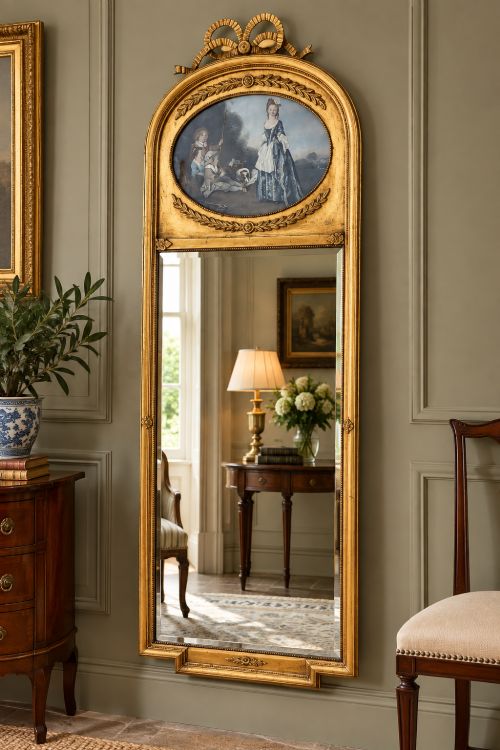
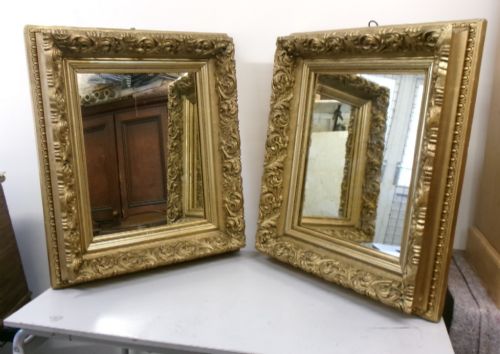
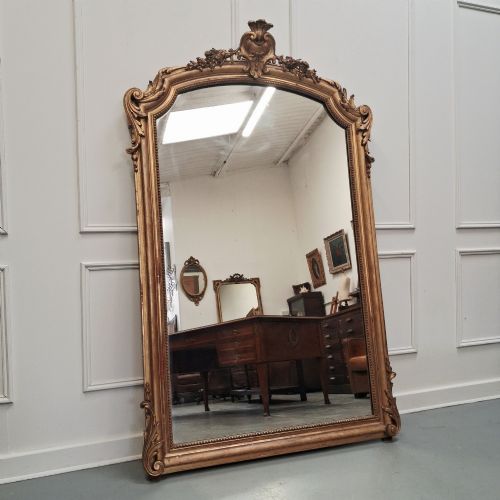
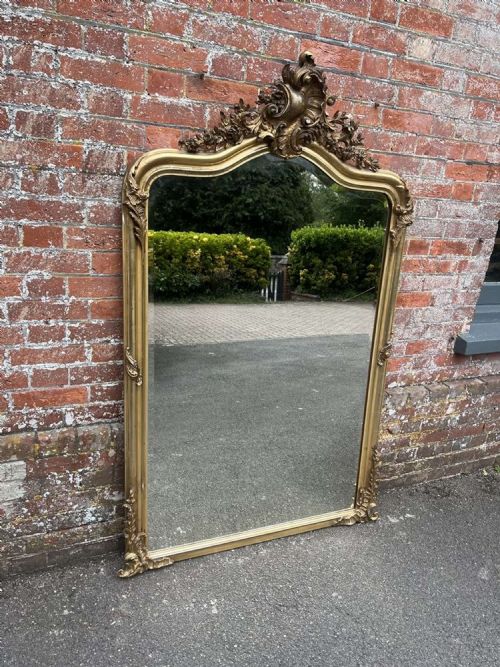
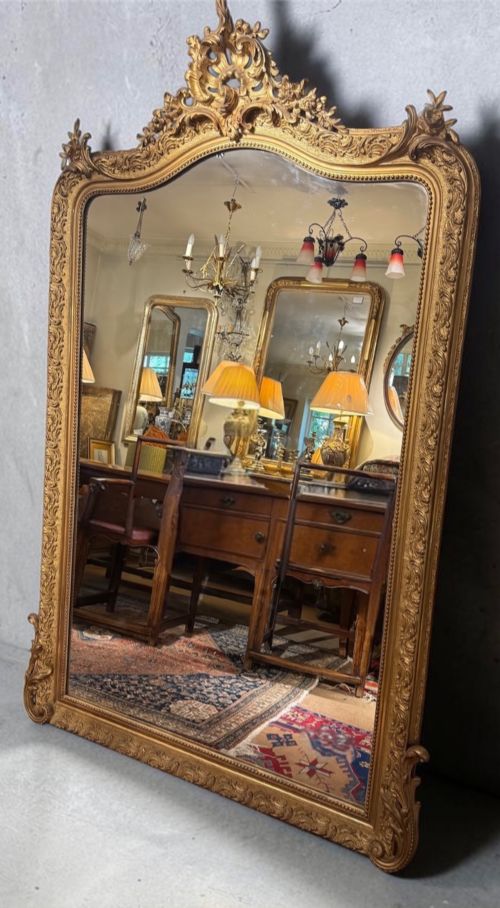
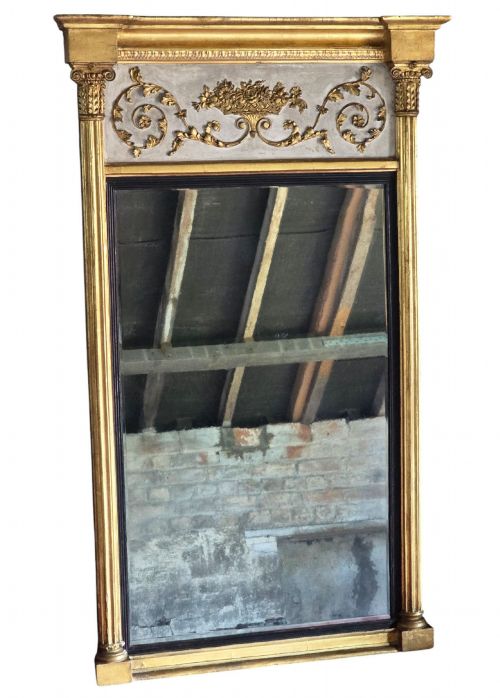
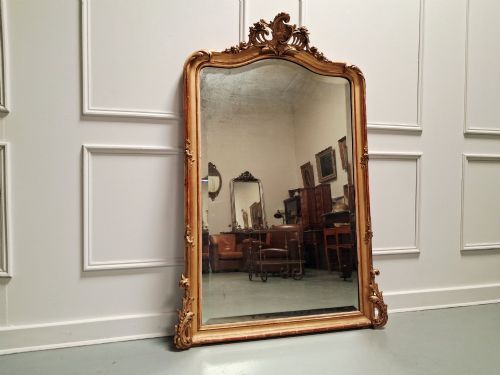
When searching for a victorian giltwood pier mirror, collectors encounter tall vertical wall glasses designed to hang between windows or above low console tables. The examples found here span the nineteenth century, including pieces from the eighteen-fifties through the eighteen-nineties alongside earlier revival idioms. Makers drew upon French Rococo, Neoclassical, and George II revival styles to create commanding decorative focal points.
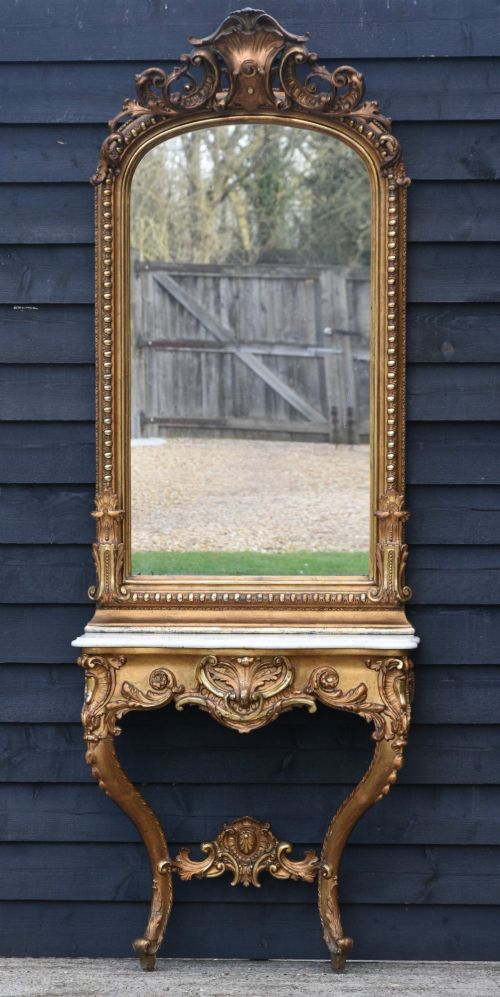
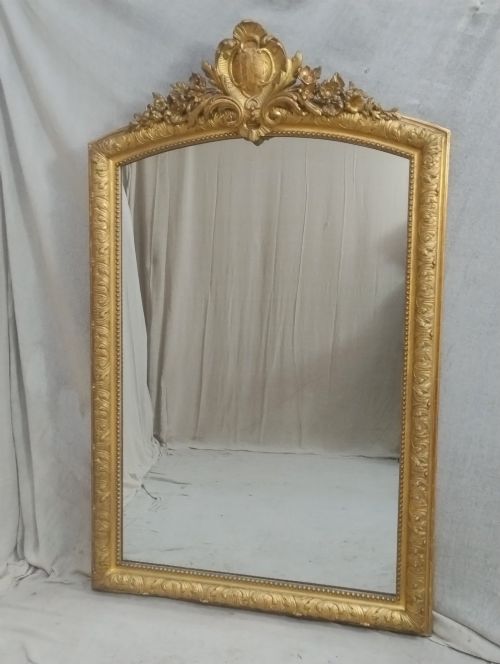
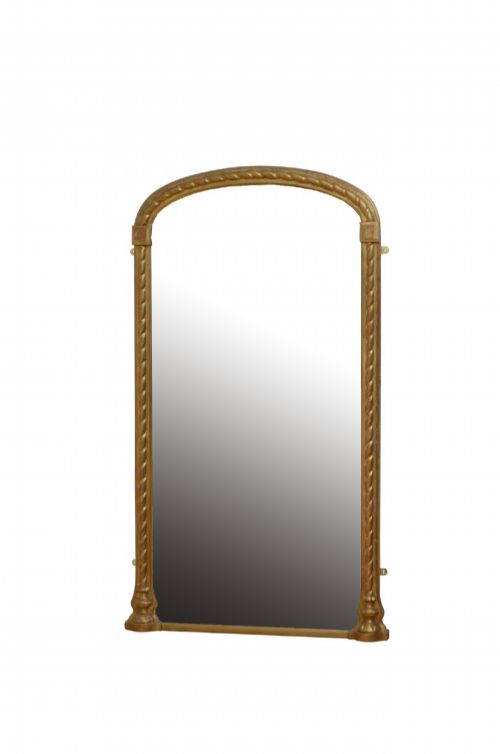
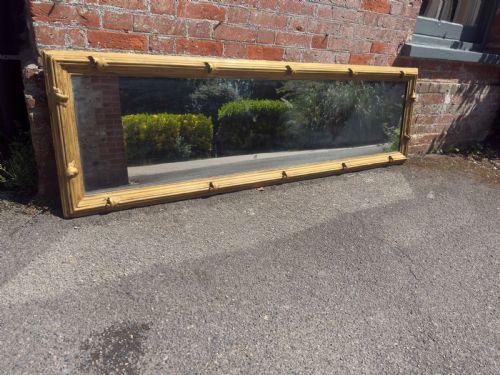
Most items on this page appear as large wall mirrors, tall dressing glasses, or combined console table and mirror sets. Forms range from simple arched top frames to monumental carved wooden structures embellished with gesso and rope work. These pieces served practical domestic roles in nineteenth-century halls and reception rooms by reflecting natural light into darker interior spaces.
Construction and materials
Craftsmen built the underlying carcass from timber such as mahogany, walnut, or pine, applying carved wood and moulded composition details over the base structure. Gesso layers provided a smooth foundation for subsequent gilding with gold leaf or paint.
The heavy mirror glass within these frames reflects the traditional silvering and polishing methods of the nineteenth century. Many pieces incorporate marble tops on associated console tables, pairing stone with gilded wooden frames.
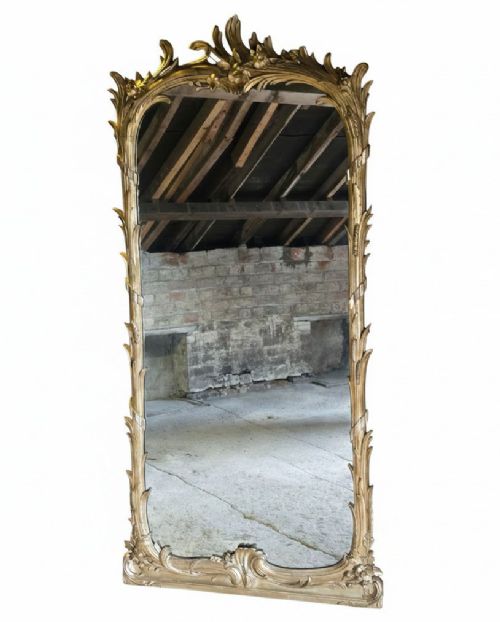
Several mirrors feature delicate carved ferns, bringing botanical Victorian parlour trends directly onto the framing.
Assessing craftsmanship and condition
The distinction between ordinary and superior pieces rests upon the depth and crispness of the hand-carved wood ornamentation. Finer examples display meticulous detailing in the acanthus leaves, rope carving, and crests without excessive reliance on moulded composition.
Proportion and structural integrity also separate standard wall glasses from exceptional statement items. Heavy frames require sound joinery to support tall vertical mirror plates securely over decades of use.
William Kent
The Victorian Giltwood Pier Mirror Glossary
- Giltwood
- Wood that has been coated with gold leaf or gold paint. This finish creates the characteristic bright metallic sheen found on nineteenth-century frames.
- Gesso
- A plaster-like mixture applied to wooden frame surfaces as a base for gilding. It allows craftsmen to carve intricate relief decoration before applying gold leaf.
- Pier glass
- A large mirror specifically proportioned to hang on the narrow wall space between two windows. These mirrors frequently paired with matching console tables underneath.
- Composition
- A mouldable mixture of whiting, resin, glue, and oil pressed into decorative ornaments. It offered a cost-effective alternative to hand-carved wood details.
- Console table
- A table designed to be fixed against a wall, often accompanied by a matching mirror. Nineteenth-century versions frequently featured marble tops.
Victorian Giltwood Pier Mirror: Frequently Asked Questions
What is a pier mirror?
A pier mirror is a tall vertical looking glass historically positioned on the wall space between two windows. This placement maximised daylight diffusion in nineteenth-century reception rooms.
Such mirrors frequently stood directly above low console tables or marble-topped side tables in formal halls and drawing rooms.
How do I date a giltwood mirror?
Dating relies on examining the framing styles, construction techniques, and materials recorded across the nineteenth century. Stylistic revivals such as George II or French Rococo heavily influenced Victorian cabinet makers.
Details like gesso composition, backing boards, and the thickness of the mirror glass provide further clues to exact manufacturing decades.
Where should I hang a tall mirror?
These tall vertical glasses suit narrow wall spaces where height is available but floor space is restricted. Placing them opposite windows enhances interior illumination.
They also function effectively above mantelpieces or paired with matching console tables in entrance halls.