
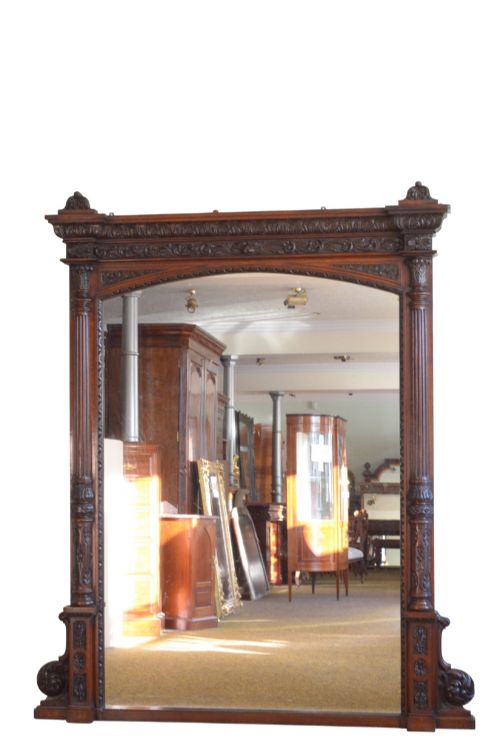
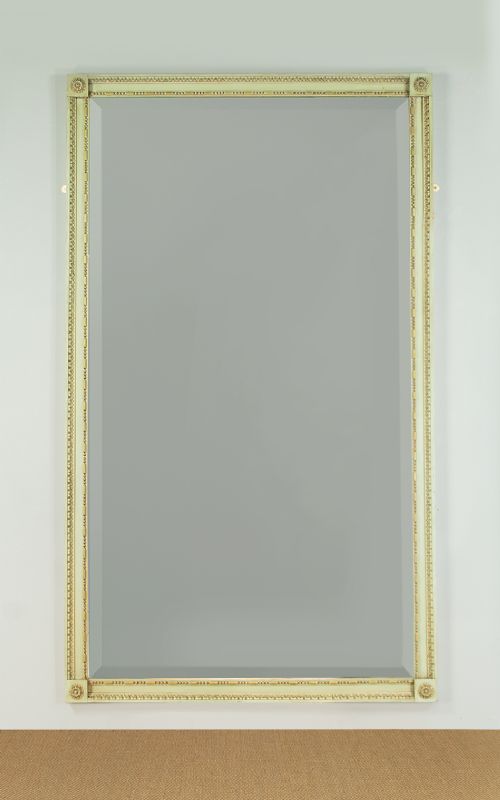
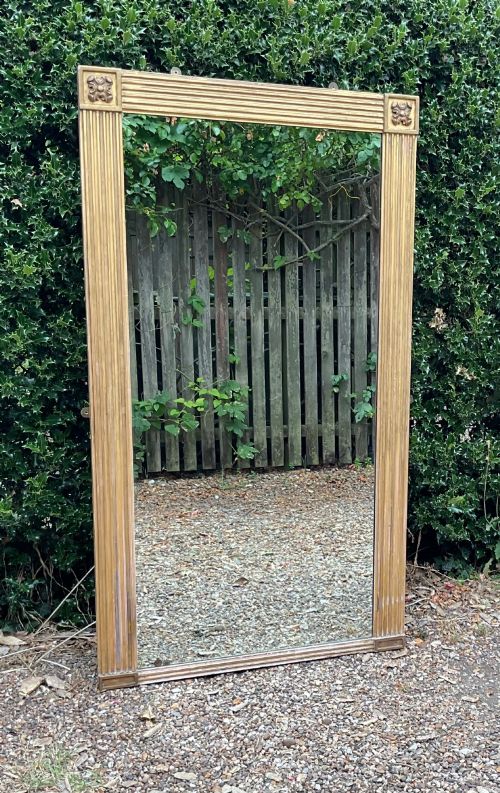
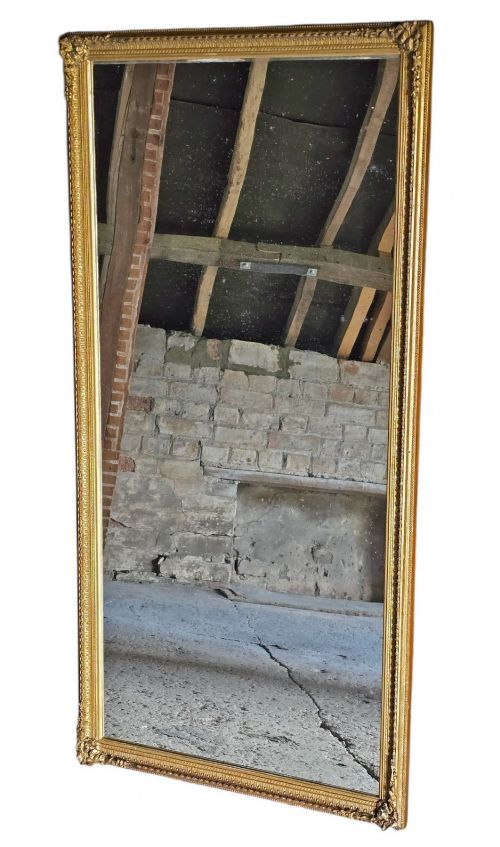
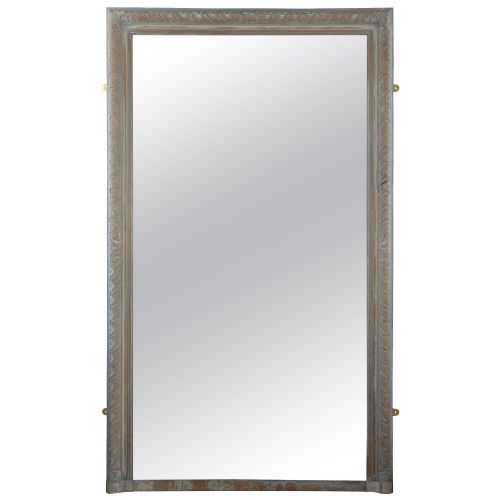
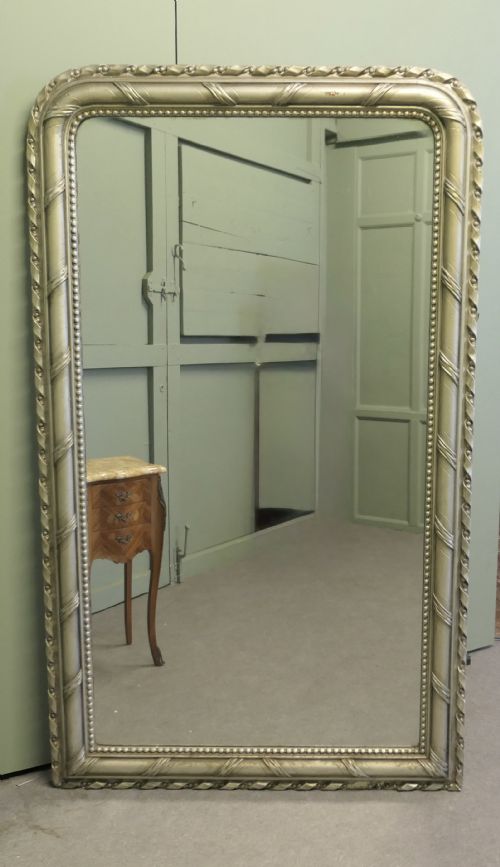

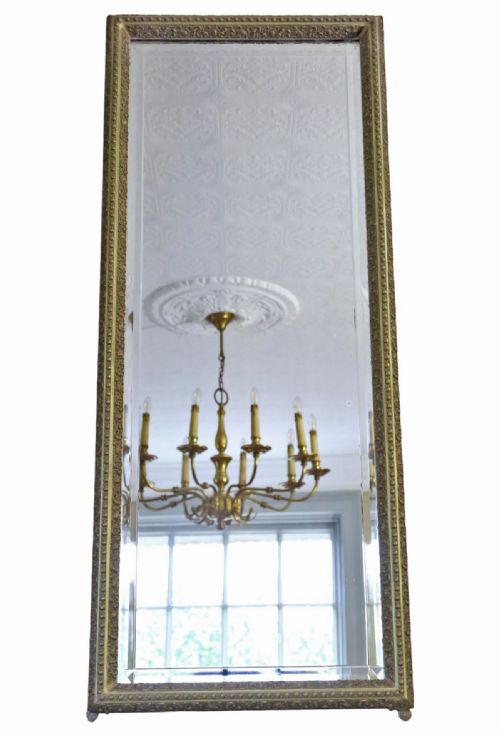
Tall Full Length Mirror
A tall full length mirror brings height and reflected light to a room, ranging from grand giltwood leaner frames to freestanding mahogany cheval designs.
Tall Full Length Mirror
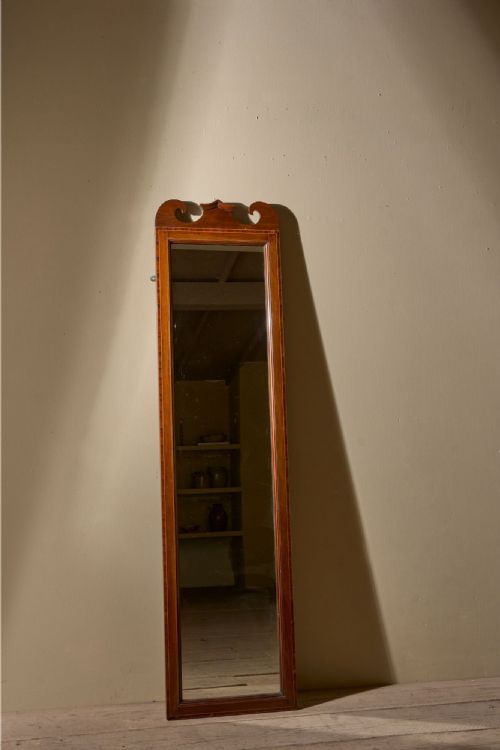
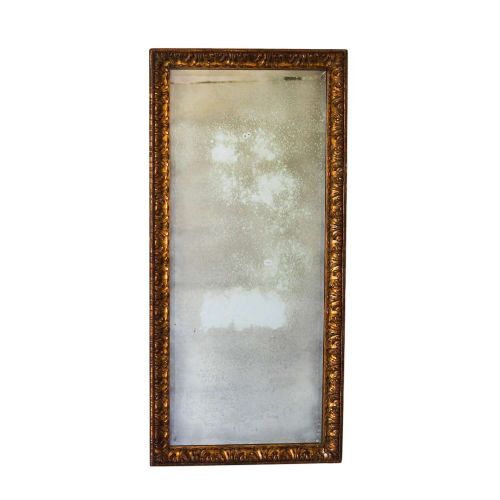
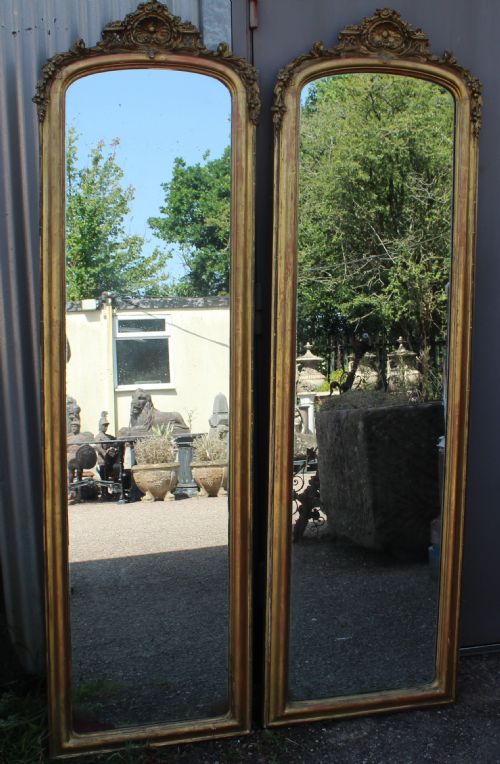
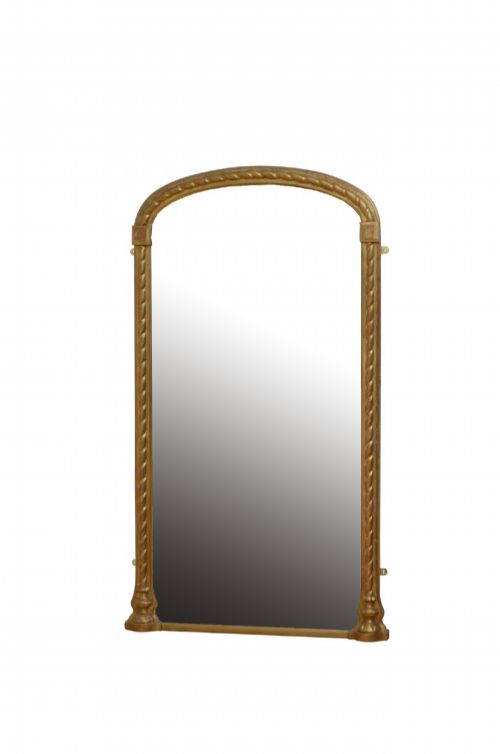
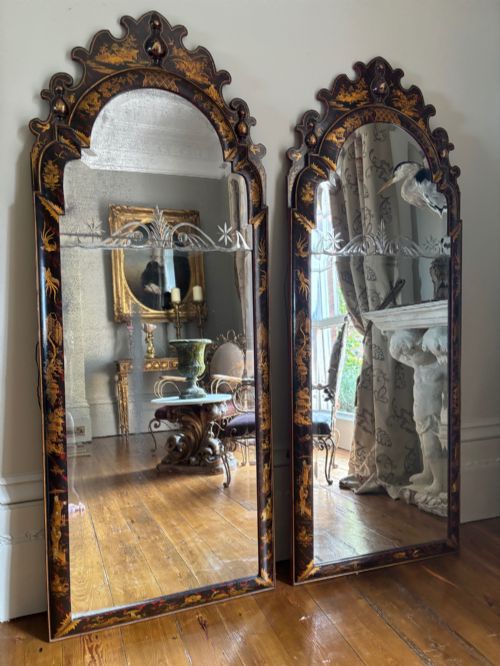
A tall full length mirror serves both a practical dressing purpose and an architectural role in interior spaces, stretching vertical lines across a wall or corner. The selection on this page draws on periods spanning the Regency era through to the early twentieth century, taking forms such as overmantels, pier glasses, and floor-standing cheval mirrors.
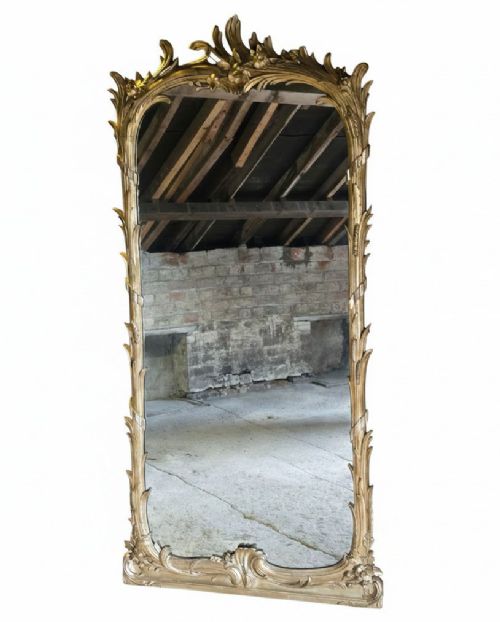
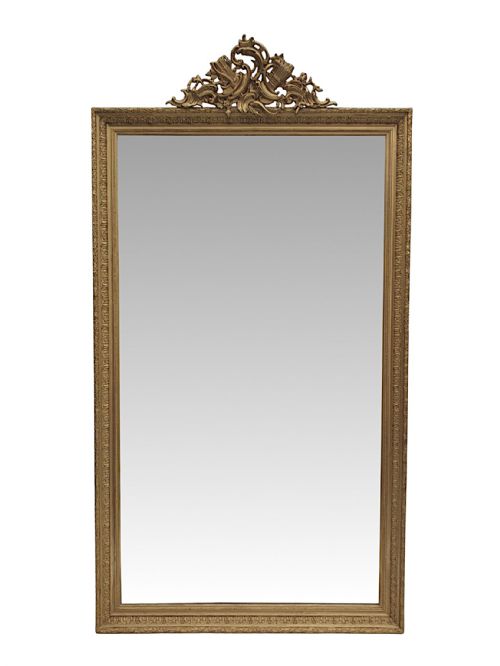
Buyers will encounter substantial giltwood frames with ornate carving alongside simpler mahogany and oak constructions. French Louis Philippe, Regency, and Victorian aesthetics dominate the current offerings, often presenting considerable height suitable for bedrooms, hallways, and reception rooms.
Origins vary from English workshops to French provincial makers and Italian studios. Whether designed as a fixed wall leaner or mounted on pivoting side supports, each piece provides substantial vertical glass surface area.
How they were made
Frames rely on solid timbers such as mahogany, oak, and walnut, frequently joined with traditional cabinetry methods to support heavy glass plates. Giltwood and gesso examples employ carved wooden carcases treated with layers of preparation before the application of gold leaf or metallic paint.
Mirror plates of the nineteenth and early twentieth centuries are fitted into rebates behind wooden beads or secured within heavy plaster mouldings. Many plates feature bevelled edges, ground by hand to catch the light at shallow angles, whilst older examples retain their original silvering or show characteristic foxing.
Listings feature periods from the Regency era through the 1930s, incorporating materials such as giltwood, gesso, mahogany, oak, brass, and bevelled mirror glass.
What varies in quality
The standard of carving and the crispness of applied gesso ornamentation separate exceptional architectural frames from simpler utilitarian pieces. Deeply undercut foliage, balanced proportions, and original fire-gilt surfaces command attention.
Structural integrity within the framing timber and the stability of the backing boards dictate longevity in large vertical formats. Original mirror plates showing uniform ageing carry more authenticity than modern replacement glass.
The Tall Full Length Mirror Glossary
- Cheval mirror
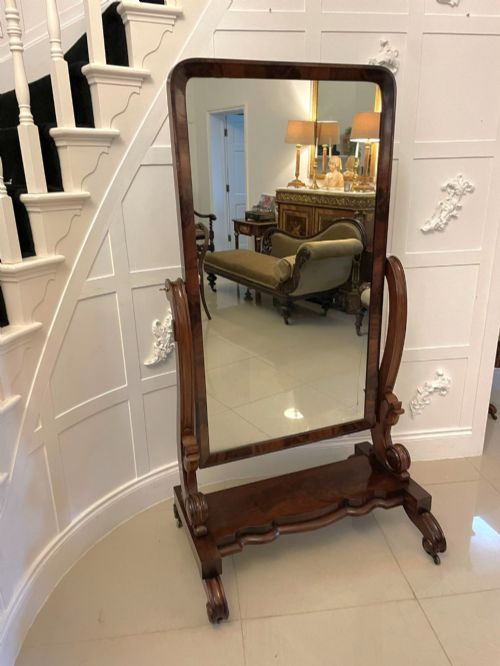
- A freestanding full-length mirror mounted on a vertical frame with pivots that allow the glass to tilt. These often stand on four legs fitted with castors.
- Pier glass
- A tall, narrow mirror traditionally hung on the pier, the section of wall between two windows. They frequently incorporate candle sconces or console shelves beneath.
- Gesso
- A plaster-like mixture applied to wooden frames as a base for gilding or painting. It is built up in layers before being carved or stamped with decorative motifs.
- Leaner mirror
- A large floor-standing mirror designed to rest against a wall without permanent wall fixings. Their substantial weight keeps them stable in position.
- Foxing
- Small dark spots or cloudy patches that develop within the silver backing of older mirror plates over time. This chemical ageing process is valued by collectors for authenticity.
Tall Full Length Mirror: Frequently Asked Questions
How do I secure a tall leaner mirror safely?
Large floor-standing mirrors rely on their substantial weight and a slight backward angle to remain stable against a vertical surface. Many dealers recommend discreet wall anchor brackets attached to the upper frame to prevent tipping.
Positioning the base on a level floor away from high-traffic zones protects the heavy timber and glass structure from accidental impact.
What is the difference between a pier mirror and a cheval mirror?
A pier mirror is designed to hang flat against a wall, traditionally fitted into the narrow masonry space between windows. They are fixed in place and often paired with console tables.
A cheval mirror is a freestanding piece held within a supportive floor frame on pivots, allowing the user to adjust the angle of reflection for dressing.
Can I place these mirrors in a hallway?
Narrow hallway spaces benefit greatly from tall vertical mirrors because they bounce natural light around dark areas and create an illusion of depth. Pier mirrors and slim wall-mounted frames suit entranceways particularly well.
Ensure the wall construction can support the weight of heavy timber and glass frames before hanging.
How do I identify a Victorian mirror?
Victorian examples often feature dense mahogany, oak, or heavily moulded giltwood frames with robust joinery. Stylistic markers include carved foliate details, architectural pediments, and substantial proportions designed for high-ceilinged nineteenth-century rooms.
Examining the backing boards, screw types, and the composition of the glass plate helps confirm the period of manufacture.