
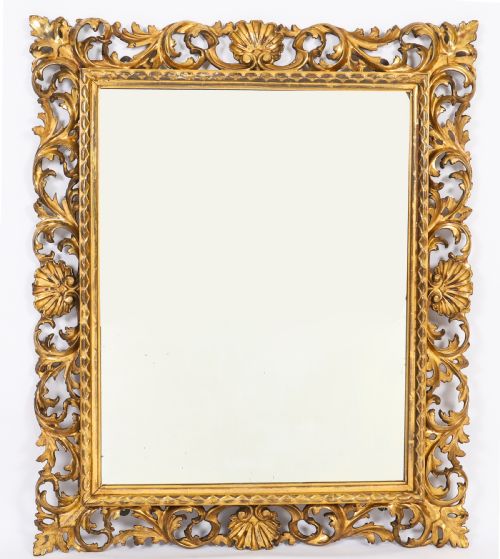

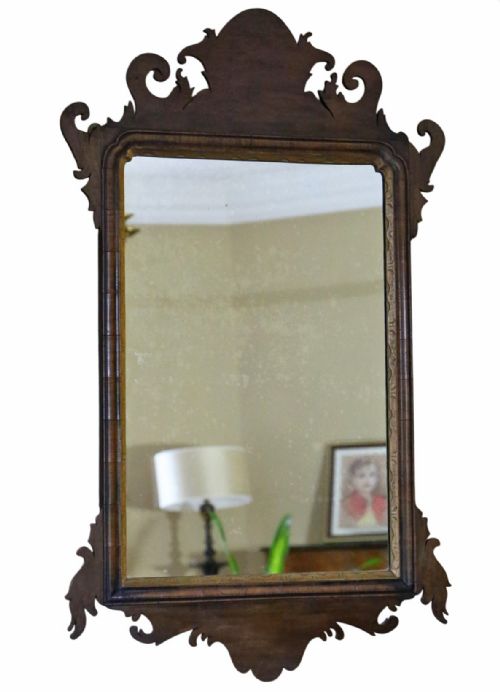


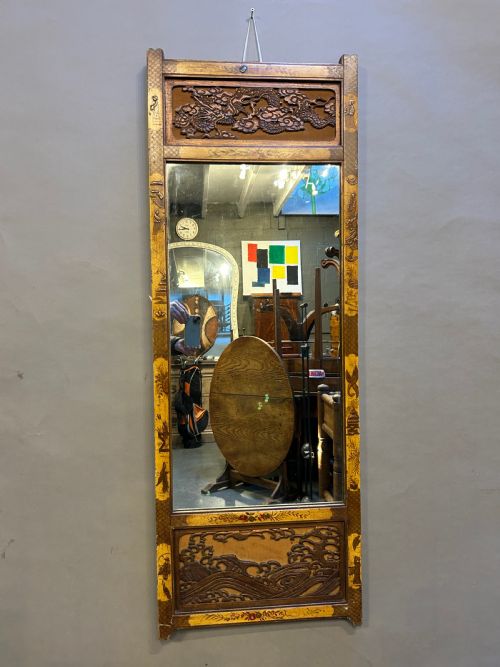


Gilt Wood Hall Mirror
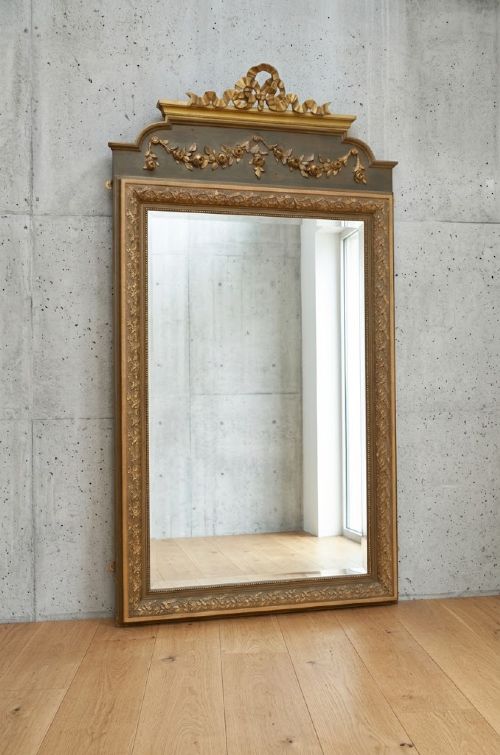
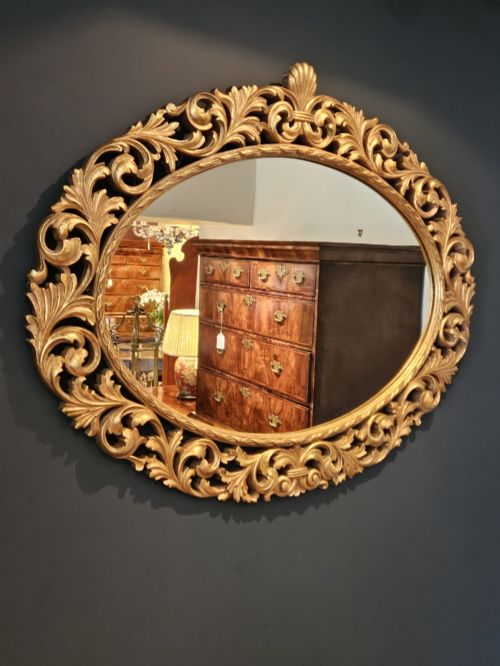
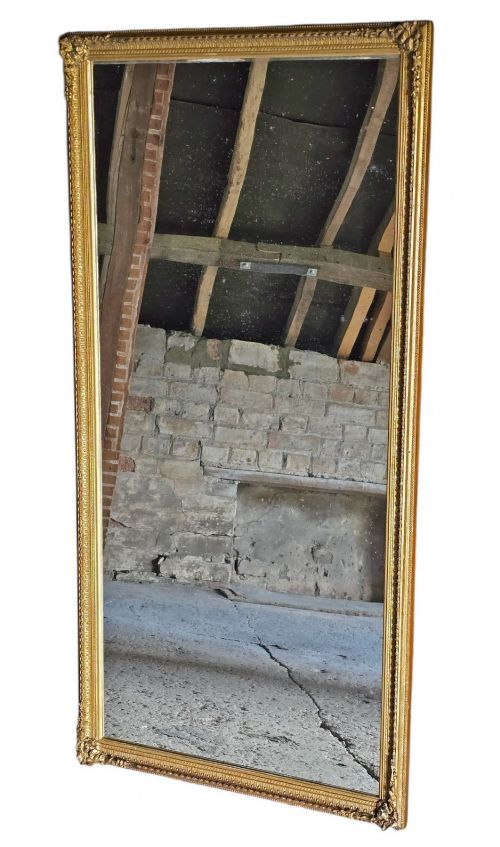
A gilt wood hall mirror brings reflective depth and metallic warmth to an entryway, combining historic craftsmanship with practical daily use.
Gilt Wood Hall Mirror
A gilt wood hall mirror is a decorative looking glass designed to hang in entrance halls, corridors, and reception rooms, often positioned above console tables to amplify natural light.
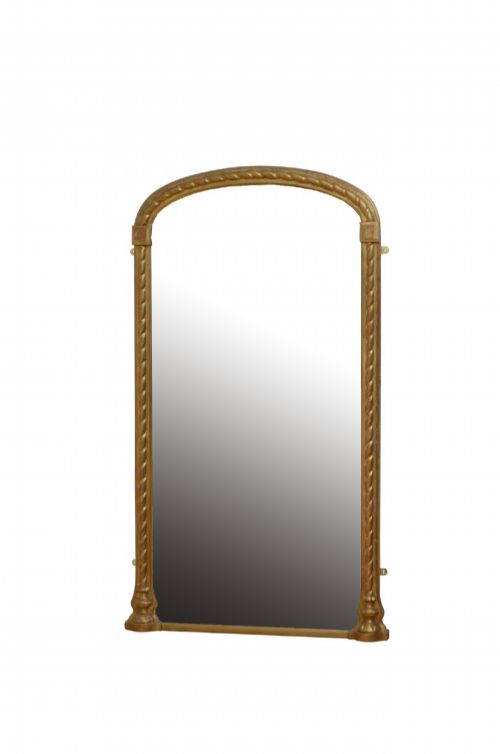
Buyers seeking a gilt wood hall mirror encounter a variety of period expressions on this page, dominated by nineteenth-century English and French examples alongside early twentieth-century revivals.
Forms range from vertical arched pier glasses and grand overmantels to carved ovals and fret-cut walnut frames, reflecting the architectural tastes of Georgian, Victorian, and Edwardian interiors.
How they were made
Carved timber foundations, typically pine or walnut, provide the structural core for these frames, shaped with rope twists, scrolls, and neoclassical motifs.
Layers of gesso are applied over the timber base to create a smooth, absorbent ground for subsequent gilding techniques.
Gold leaf or surface gilding is meticulously laid over the prepared ground, sometimes combined with ebonised details, paint, or parcel-gilt highlights.
Several mirrors retain the subtle foxing and gentle distortions of antique glass, reminding us that they have watched generations pass by.
What varies in quality
The crispness of the hand-carved wood and the depth of the gesso relief distinguish superior frames from softer, flatter mouldings.
Originality of the mirror glass and the integrity of the antique gilding surface dictate the historical resonance and visual richness of the piece.
The Gilt Wood Hall Mirror Glossary
- Giltwood
- Timber covered with gold leaf or metal leaf. This traditional finish gives frames their characteristic warm metallic glow.
- Gesso
- A plaster mixture applied to wood frames to provide a smooth surface for gilding. It allows carvers to achieve fine decorative details.
- Pier mirror
- A tall glass designed to hang on the wall space between windows. These pieces traditionally sat above narrow console tables.
- Overmantel mirror
- A wide looking glass created to hang above a fireplace mantel. They frequently share decorative traits with large hall mirrors.
- Fretwork
- Thin wood panels cut with ornamental scroll patterns. Georgian revival examples frequently utilise this delicate technique.
Gilt Wood Hall Mirror: Frequently Asked Questions
Where should a hall mirror be hung?
These looking glasses are traditionally positioned in entranceways, hallways, or corridors where they reflect light and create a welcoming sense of space upon entering a home.
They are frequently mounted directly above console tables or low furniture pieces to anchor the arrangement visually within the room.
How do I identify a Victorian mirror?
Victorian examples often display heavy carved wooden frames, elaborate gesso ornamentation, and distinct neoclassical or rococo revival styling influenced by nineteenth-century tastes.
Inspect the timber backing, mirror plate characteristics, and construction methods to help determine the period alongside stylistic clues.
What is a pier mirror?
A pier mirror is a tall, narrow looking glass historically manufactured to fit the architectural wall space between two windows in a reception room.
Because of their vertical proportions, they function well in hallways and narrow entry spaces to provide full-length reflections.
Are these mirrors heavy?
Many of these pieces are substantial in weight due to their dense timber frames, thick gesso layers, and large glass plates.
Secure wall fixings and appropriate bracket support are essential for hanging heavy antique carved frames safely.