
Victorian Gilt Overmantel
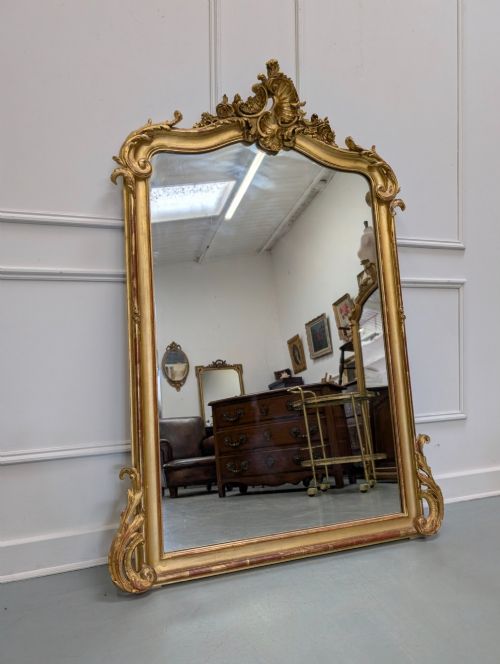
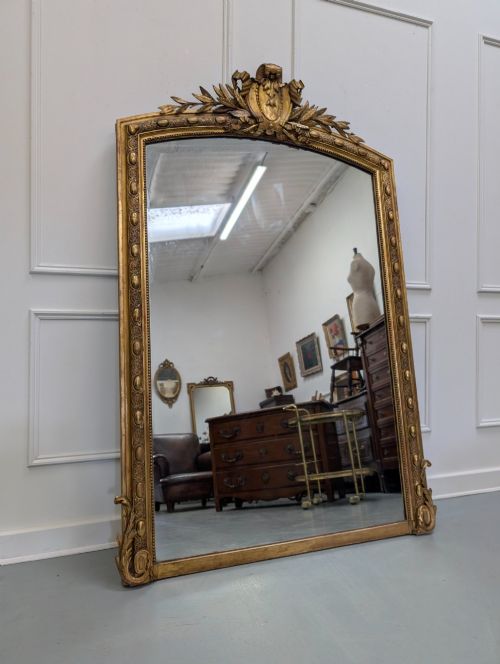
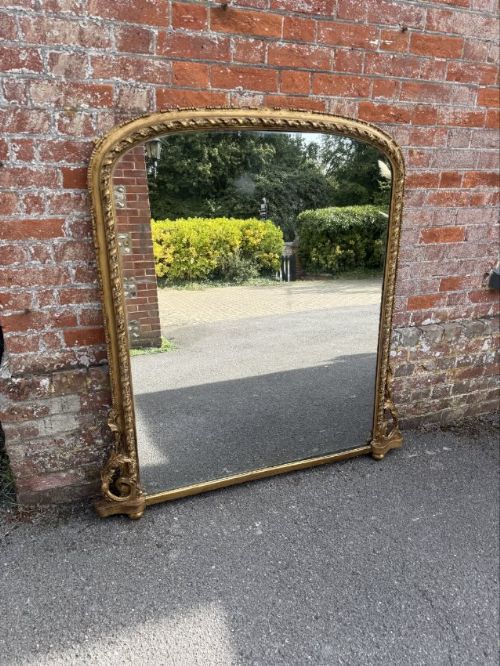
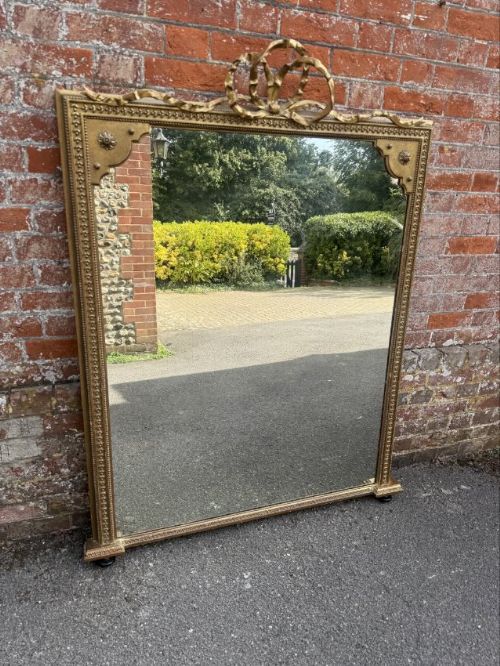
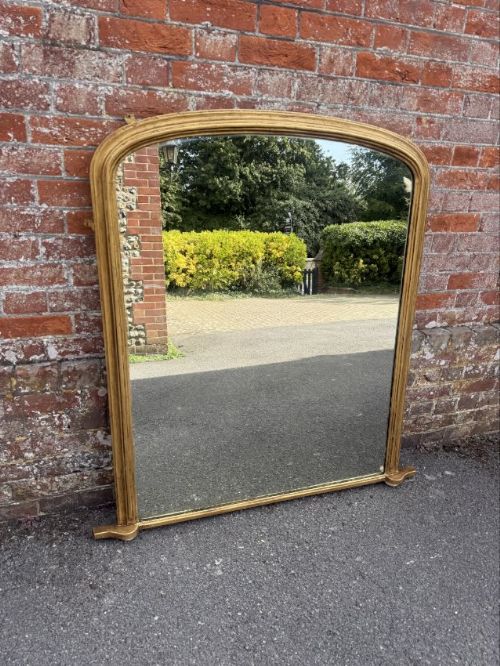
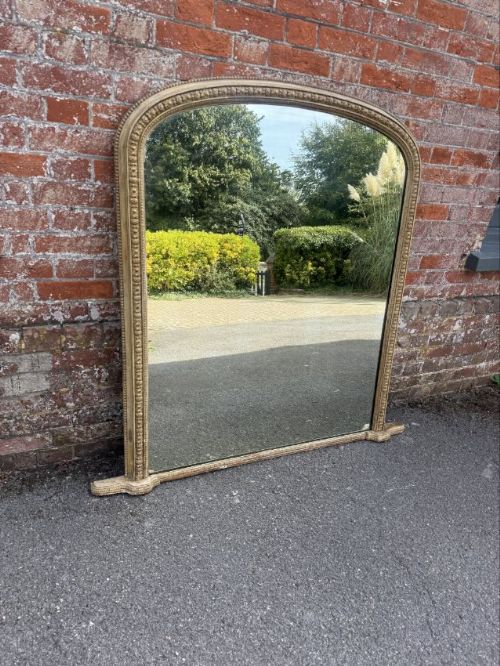
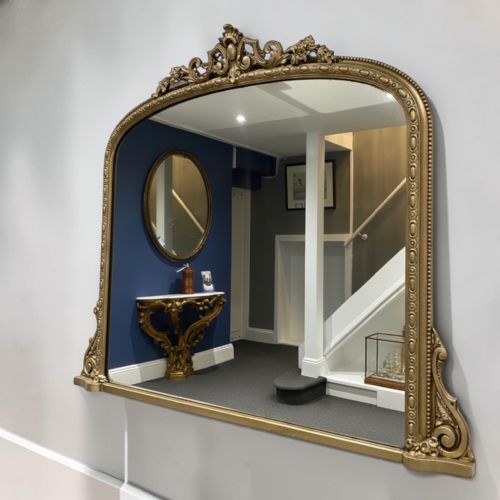
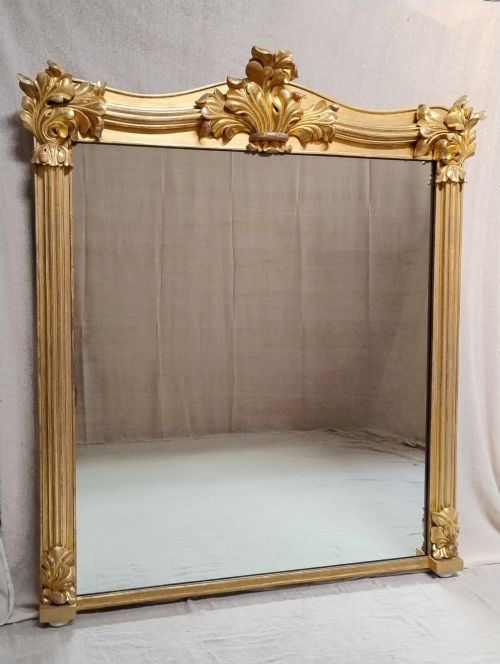
A victorian gilt overmantel mirror brings grand scale and reflected light to a chimney breast, defining the proportions of a period room.
Victorian Gilt Overmantel
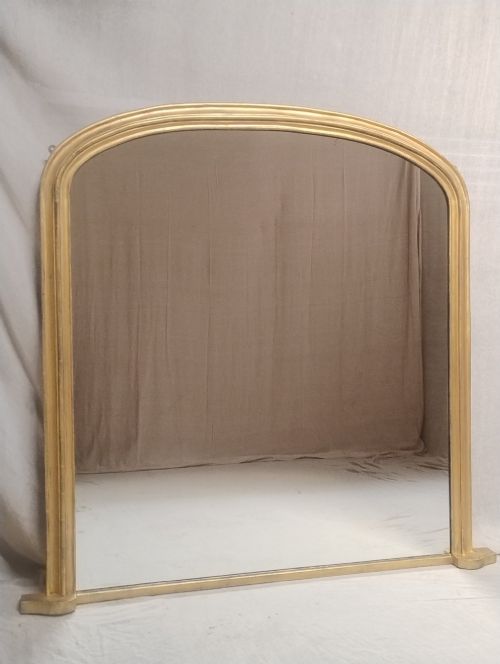
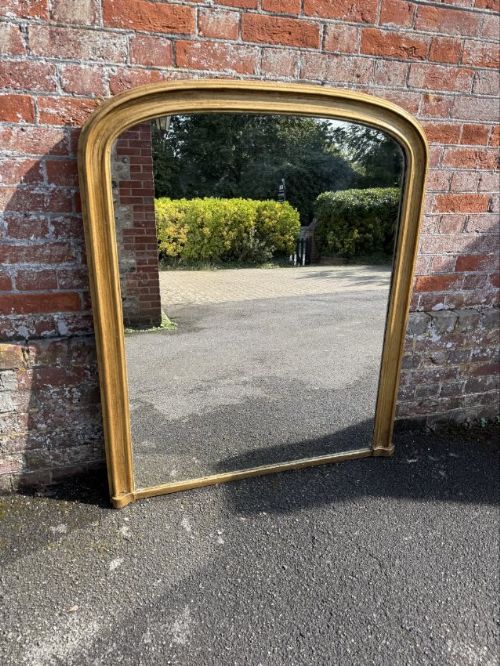
When searching for a victorian gilt overmantel, a buyer encounters large wall-hanging mirrors designed specifically to sit above a fireplace mantelpiece. These pieces originate predominantly from the nineteenth century, spanning decades from the eighteen-fifties through to the late eighteen-nineties, with many examples bearing arched tops or shaped frames.
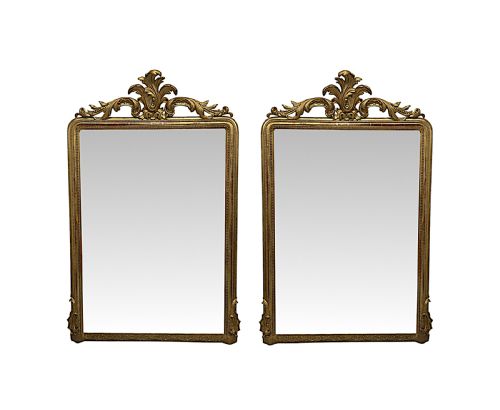
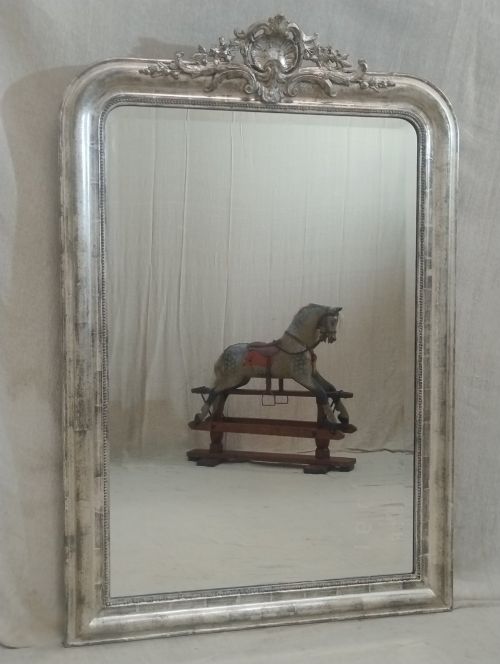
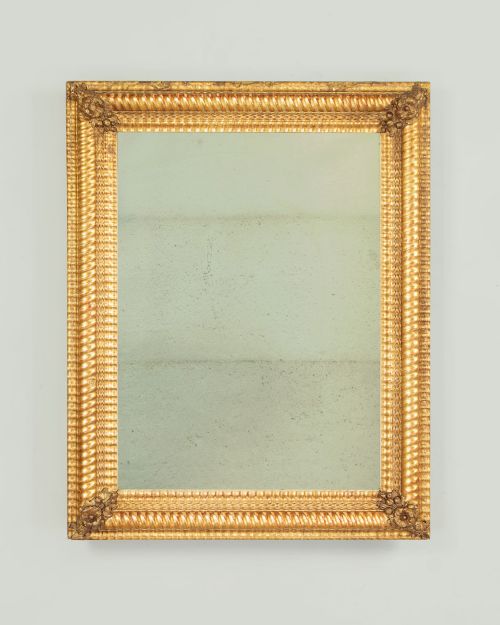
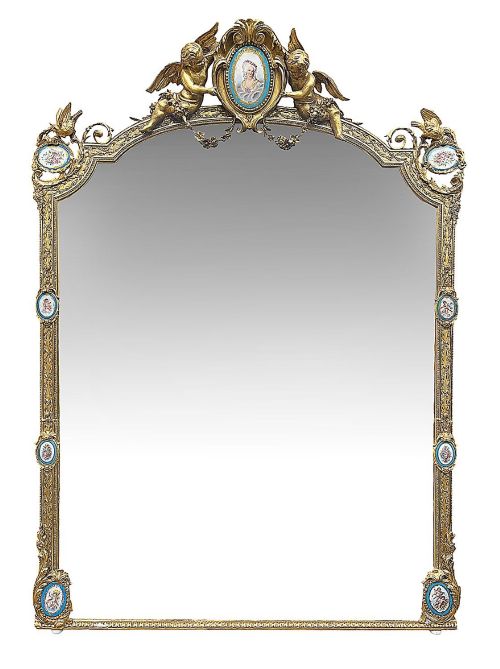
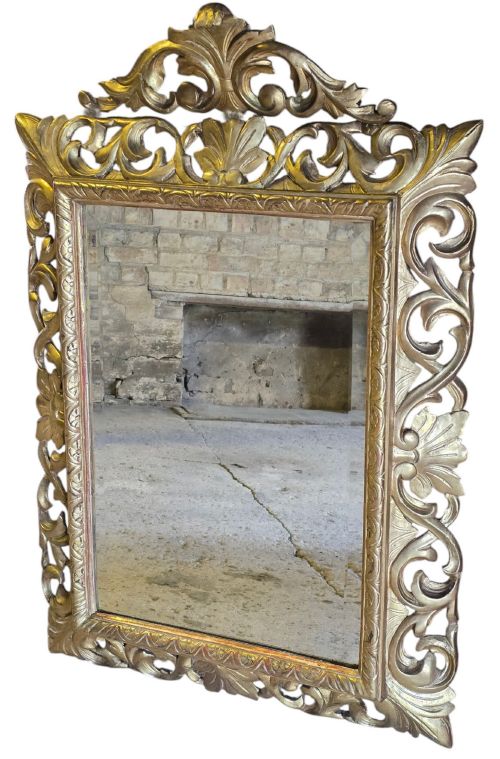
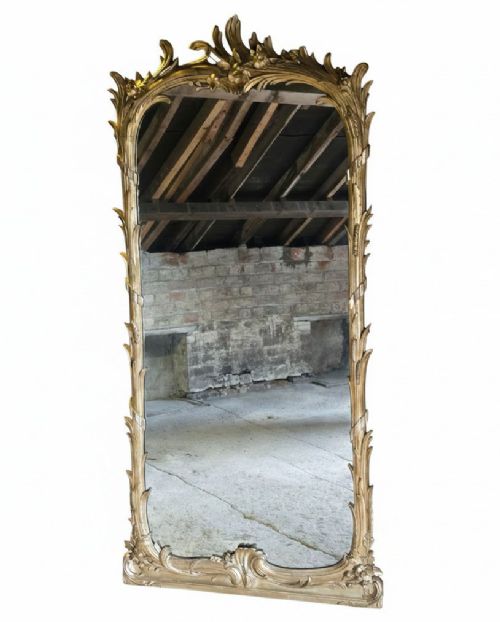
The versions met most frequently on this page include English and French pieces featuring heavy carved wooden frames enriched with gesso ornament. Formats range from simple architectural column frames to elaborate Rococo Revival styles with triple plates, acanthus leaf decoration, and crested tops.
Many survivors retain their original mercury or bevelled glass plates, often showing light foxing or distress from age. Scale is a defining characteristic, with heights frequently exceeding one hundred and fifty centimetres to command the wall space above a hearth.
How They Were Made
Craftsmen built the structural carcass of a victorian gilt overmantel using solid timber, frequently incorporating pine or mahogany for the main framework. Over this wooden base, artisans applied layers of gesso - a mixture of chalk and glue - to build up deep relief details such as scrolls, rope twists, and floral motifs.
Gilding was applied using thin sheets of gold leaf or metal leaf laid over a prepared bole, creating a brilliant reflective surface that caught the candle or gas light of a period interior. Composition ornament moulded from a paste of whiting, resin, and glue was also pressed into place to form repetitive decorative friezes.
Mirror glass was manually silvered, fitted into rebates at the back of the heavy frame, and secured with wooden battens. Triple plate configurations required precise joinery to align multiple glass sections within a single overarching architectural design.
Current listings feature nineteenth-century pieces incorporating glass, gesso, giltwood, and composition materials.
What Varies In Quality
The distinction between standard production and the finest examples lies in the crispness of the hand-carved woodwork and the depth of the gesso relief. Superior pieces display sharply defined acanthus leaves and scrolls modelled by hand rather than mass-produced composition stampings.
Substantial weight indicates thicker timber framing and robust structural joinery capable of supporting massive mirror plates without sagging over time. The quality of the gilding itself, including the warmth of the leaf and the retention of original burnished surfaces, separates workshop masterpieces from ordinary utility mirrors.
S T Townshend Norwich·John Taylor And Son
The Victorian Gilt Overmantel Glossary
- Gesso
- A dense mixture of chalk, gypsum, and glue used as a smooth ground for gilding and low-relief moulding. It allows intricate decorative details to be carved or applied onto the wooden frame.
- Giltwood
- Timber that has been coated with gold leaf or metal leaf over a prepared surface. This technique provides the rich, metallic finish characteristic of nineteenth-century frames.
- Overmantel
- A large mirror or painting specifically proportioned to hang on the wall directly above a fireplace mantelpiece. These mirrors visually anchor the hearth and distribute light across the room.
- Rococo Revival
- A nineteenth-century design movement inspired by the asymmetrical curves, scrolls, and natural motifs of the eighteenth-century French Rococo style. Frames from this aesthetic feature exuberant leafwork and cartouche forms.
- Composition
- A pliable paste made from whiting, linseed oil, resin, and glue pressed into metal moulds to create ornamental details. It offered a faster alternative to hand carving detailed frame decorations.
Victorian Gilt Overmantel: Frequently Asked Questions
Where should an overmantel mirror be hung?
These mirrors are traditionally hung directly above a fireplace mantelpiece, where their generous scale balances the hearth below. They were originally designed to reflect light from windows and lamps across the reception room.
Ensuring secure wall fixings is essential due to the considerable weight of the timber frame and glass plate. Many owners also place them on principal salon walls without a fireplace to serve as monumental standalone wall mirrors.
How do I identify a nineteenth-century frame?
Nineteenth-century frames display construction methods typical of the period, including hand-cut joinery, heavy timber carcasses, and traditional gesso preparation beneath the gold leaf. Examining the backboards and fixings often reveals age-appropriate materials and hand tools.
Stylistic cues such as Rococo Revival curves or Victorian architectural mouldings provide further period context. Original mirror plates frequently exhibit subtle imperfections, foxing, or bevels consistent with nineteenth-century manufacturing techniques.
Can these mirrors be cleaned safely?
Cleaning requires gentle dusting with a soft, dry cloth to protect fragile gilt surfaces and delicate gesso details. Moisture should be kept away from the edges of the frame where old gilding can easily lift.
Glass plates can be wiped with a mild glass cleaner applied directly to the cloth rather than the mirror. Avoiding abrasive compounds preserves both the antique gold leaf and the historic silvering on the glass.