



Victorian Gilded Porcelain Plate
A victorian gilded porcelain plate brings nineteenth-century painting and gold leaf together on the dining table or cabinet shelf.
Victorian Gilded Porcelain Plate
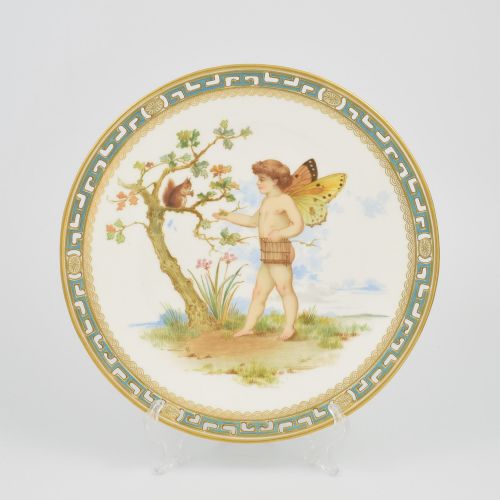
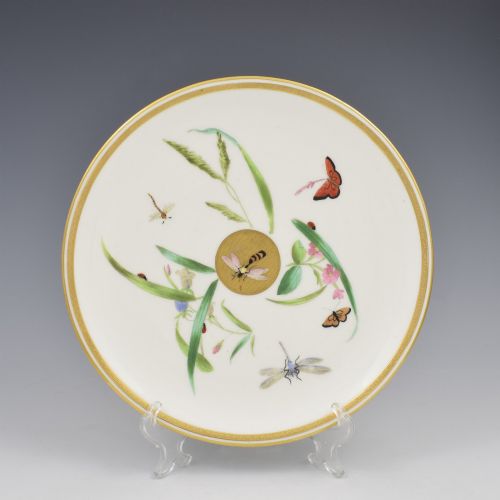
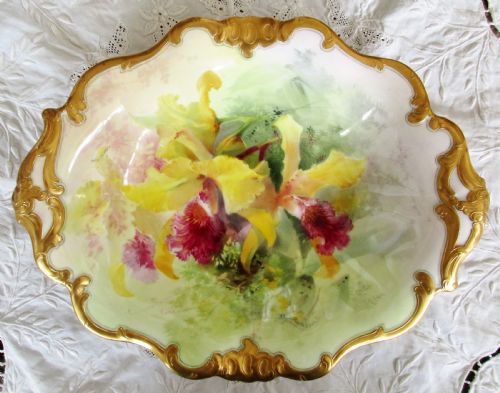
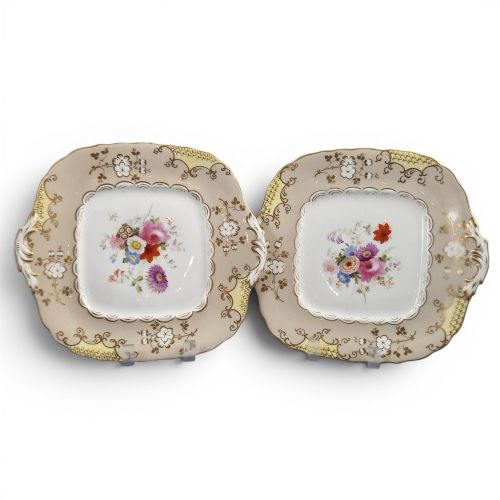
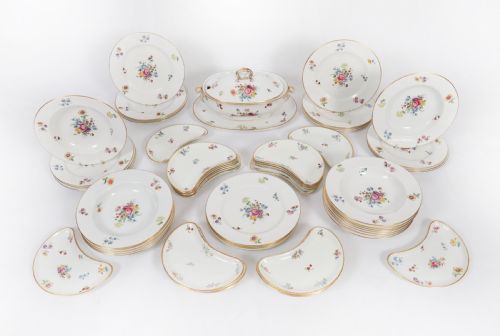
When you search for a victorian gilded porcelain plate, you encounter items designed for display in cabinets or service at dessert and dinner. The selection on this page spans cabinet plates, decorative chargers, dessert service components, and serving dishes from the nineteenth century.
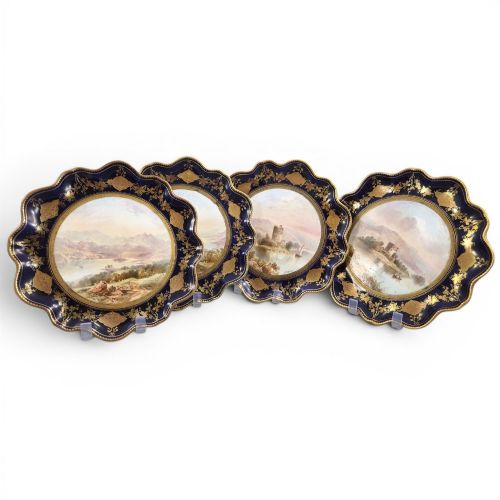
Most examples originate from English potteries and European manufactories, taking forms such as pierced plates, basketweave dishes, and large round chargers. Styles range from Rococo Revival and Aesthetic Movement designs to hand-painted scenic views and armorial crests.
Makers recorded in these pieces include Minton, Coalport, Royal Worcester, and Meissen. These works combine utilitarian dining forms with intricate pictorial art intended for visual appreciation.
How they were made
Potters shaped porcelain, bone china, and earthenware bodies before applying white or coloured glaze and firing the pieces in kilns. Many items incorporate moulded relief details, such as basketweave textures or pierced borders.
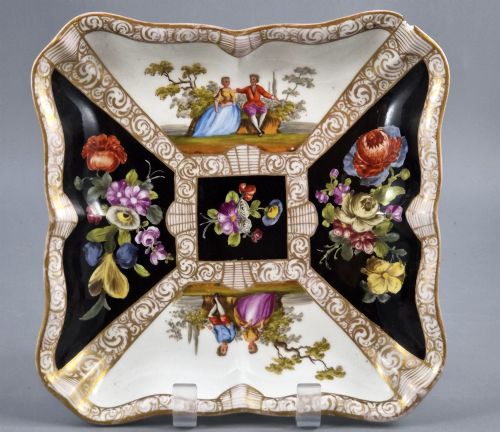
Decoration relied on hand-painted enamel pigments depicting figures, landscapes, flowers, and birds, often framed by applied gold leaf or raised gilt work. Firing fixed the metal leaf and enamel colours permanently to the ceramic surface.
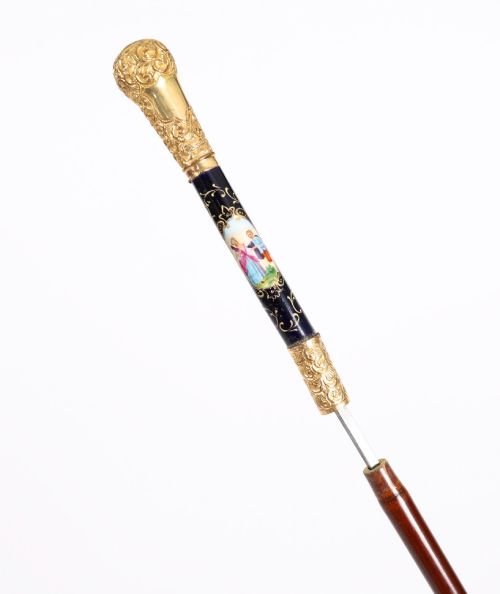
Victorian diners enjoyed dessert services complete with walking sword sticks hidden nearby just in case.
What varies in quality
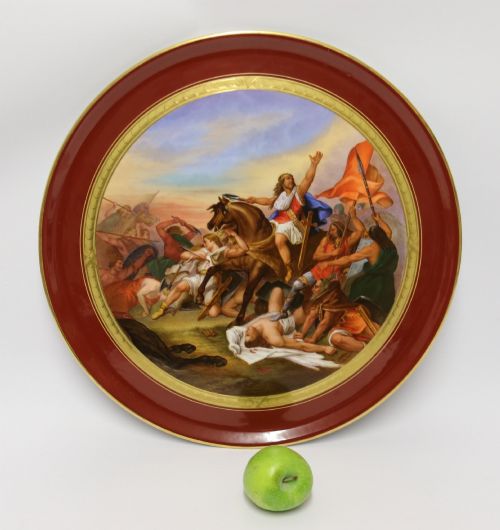
Quality rests upon the skill of the painting and the precision of the gilding applied across the porcelain surface. Hand-painted panels depicting named views, mythological scenes, or botanical studies by known artists elevate an object above standard factory transfer-printed decoration.
The weight and refinement of the porcelain body, alongside the crispness of moulded elements like pierced borders and basketweave reliefs, distinguish finer productions. Intricate raised gold leaf work and well-preserved enamel colours indicate superior execution.
Royal Crown Derby·Royal Doulton·Kerr and Binns·Kornilov Brothers·James Rouse Jnr
The Victorian Gilded Porcelain Plate Glossary
- Cabinet plate
- A decorative ceramic plate intended primarily for display in a cabinet rather than for everyday dining. These pieces often feature elaborate hand-painted scenes and gilt borders.
- Gilt
- A thin layer of gold applied to the surface of porcelain. This technique highlights rims, handles, and moulded motifs.
- Comport
- A raised dish or bowl used for serving fruit or sweets as part of a dessert service. They stand on a pedestal base above the table level.
- Imari
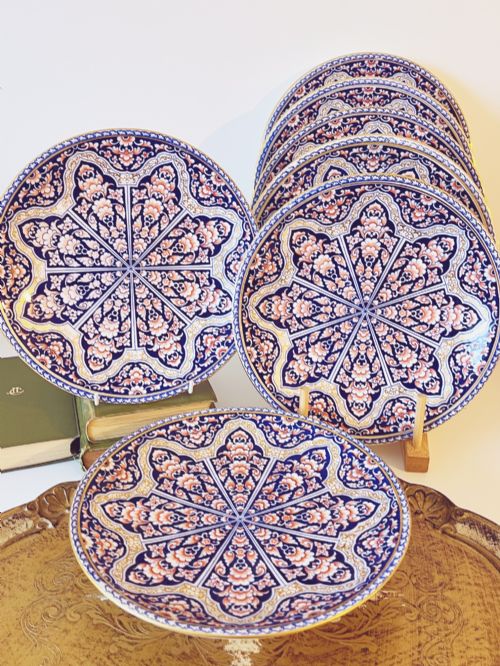
- A style of ceramic decoration featuring deep blue, iron red, and gold, inspired by Japanese export wares. Victorian potteries frequently adopted these patterns.
- Reticulated
- Having an openwork or pierced pattern resembling a net. This technique appears on the borders of fine cabinet plates.
Victorian Gilded Porcelain Plate: Frequently Asked Questions
What is a cabinet plate?
A cabinet plate is a decorative ceramic piece created for display rather than functional table use. They frequently feature detailed painted artwork and precious metal accents.
These items were housed in glass-fronted furniture to showcase wealth and artistic taste during the nineteenth century.
How were dessert services used?
Dessert services formed the final course of formal Victorian dinners, featuring comports, plates, and serving dishes for fruit, nuts, and sweetmeats.
Guests handled these pieces at the table, making durability and aesthetic appeal equally important for the manufactories producing them.
How do I identify a maker?
Makers' marks appear on the underside of the porcelain, stamped, painted, or impressed into the ceramic body before glazing. These marks often include factory ciphers, initials, or registration numbers.
Consulting manufacturer records helps connect specific symbols to exact decades of production.
Can I use these plates for dining?
While these items originated as functional tableware or decorative objects, age and delicate enamel work make gentle handling advisable. Historic gilding and hand-painted pigments can wear away with frequent washing.
Most collectors choose to display them in cabinets or on walls rather than subject them to modern dining use.