


Painted Landscape China Plate
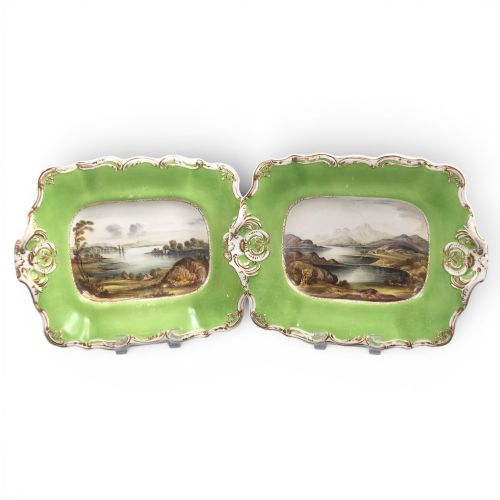
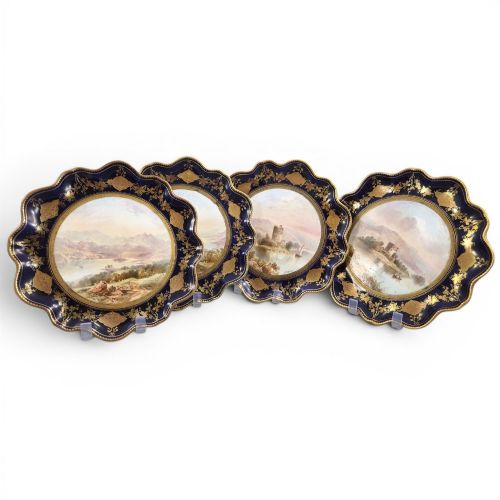
These painted landscape china plate pieces are hand-finished table and cabinet wares that bring scenic views into the home.
Painted Landscape China Plate
When you search for painted landscape china plate, you encounter items designed for display or dessert service, originating from the eighteenth, nineteenth, and early twentieth centuries. These objects range from cabinet plates and decorative plates to serving dishes.
The selections span English potteries such as Copeland & Garrett, Aynsley, Royal Doulton, Coalport, Minton, Barr Flight Barr, and Royal Worcester, alongside French porcelain from Paris makers like Pucher Deroche and Chinese export ware.
Most examples present named British views, Scottish scenes, or classical landscapes, combining utility with pictorial art across various historic periods including the Georgian, Regency, and Victorian eras.
How they were made
Makers utilised porcelain, bone china, and earthenware as the foundational bodies for these items, shaped into plates and oval dessert dishes. Potters fired the clay bases before applying detailed enamel pigments by hand to create the landscape scenes.
Workers frequently added gold leaf and gilt highlights to the rims and borders, framing the central views. Clear glaze seals the painted surfaces, providing a glossy finish that protects the delicate pigments underneath.
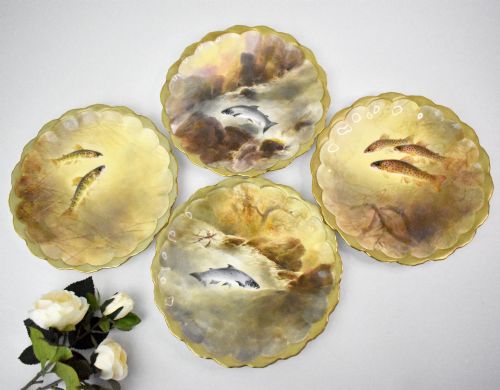
Fish plates painted by Joseph Birbeck Senior bring Victorian rivers straight to the dinner table.
What varies in quality
The finesse of the hand-painted landscape brushwork separates standard production from superior pieces, with skilled artists capturing specific named views and atmospheric detail. The complexity of the surrounding border ornamentation, such as pearl jewelled decoration or heavy gilding, also indicates higher manufacturing standards.
The reputation of the pottery and the documented attribution to named artists significantly influence the standing of each piece. Superior items maintain crisp definition in the enamel colours and precise application of gold leaf across the ceramic body.
Copeland & Garrett·Aynsley·Royal Doulton·Pucher Deroche·Coalport·Minton·Barr Flight Barr·Royal Worcester
The Painted Landscape China Plate Glossary
- Cabinet plate
- A decorative ceramic dish intended for display on a wall or in a cabinet rather than for dining use. These items usually feature intricate hand-painted subjects.
- Gilt
- A thin layer of gold applied to the ceramic surface to decorate edges and borders. It provides a metallic accent that complements the central painted scene.
- Bone china
- A type of porcelain composed of bone ash, feldspathic material, and kaolin. It offers a bright white body and high strength.
- Enamel
- Vitreous coloured glass fused to the porcelain surface during firing. This material allows for vibrant and permanent landscape depictions.
Painted Landscape China Plate: Frequently Asked Questions
Were these plates used for dining?
Many examples function as dessert plates or serving dishes, designed to hold food during formal meals. Others are strictly cabinet plates intended solely for visual display.
Over time, pieces originally used for service transitioned into ornamental roles due to the delicate nature of their painted surfaces.
How do I identify the maker?
Makers mark the underside of the ceramic body using printed or impressed stamps, pattern numbers, and retailer details. These marks correspond to specific historic potteries and operational dates.
Associated text on the reverse often names the specific landscape depicted on the front.
What materials make up these plates?
The pieces consist primarily of porcelain, bone china, or earthenware bodies shaped on a potter wheel or in a mould. Artisans then applied enamel paints, gold leaf, and protective glazes.
Firing fixed these materials permanently to the ceramic surface.
How should I display them?
Cabinet plates fit securely in wall-mounted plate hangers or dedicated display stands designed for ceramic wares. Positioning them away from direct sunlight preserves the hand-painted enamel colours.
Gentle dusting with a soft, dry cloth maintains the surface without abrasive wear.