




Victorian Gilded Frame
A victorian gilded frame brings warmth and deep metallic sheen to nineteenth-century art and mirrors.
Victorian Gilded Frame
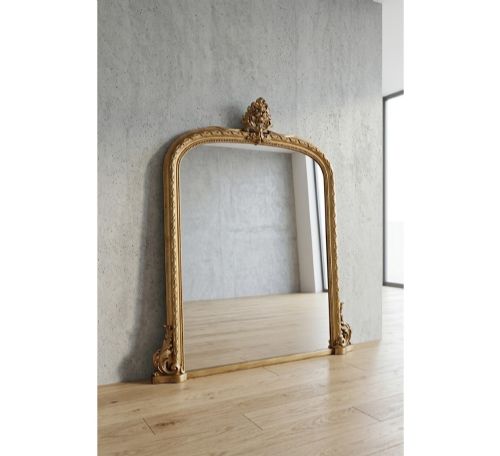
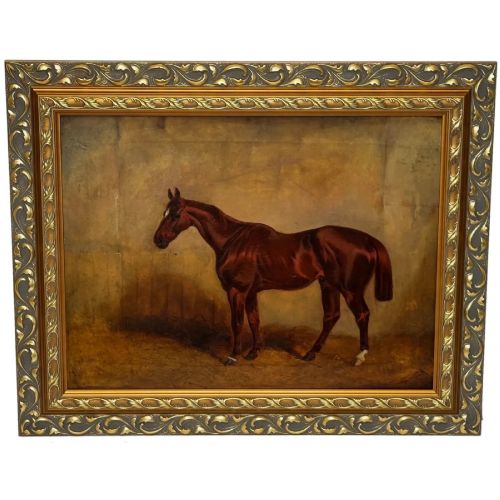
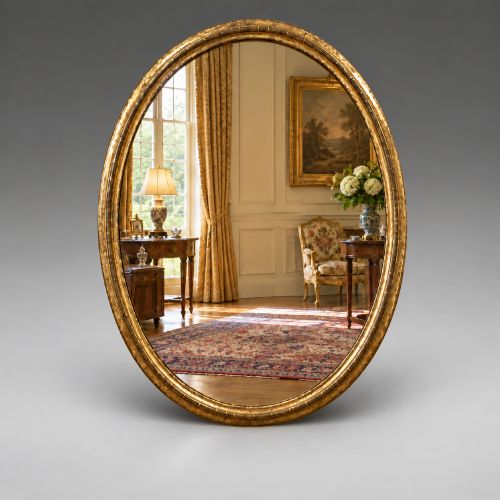
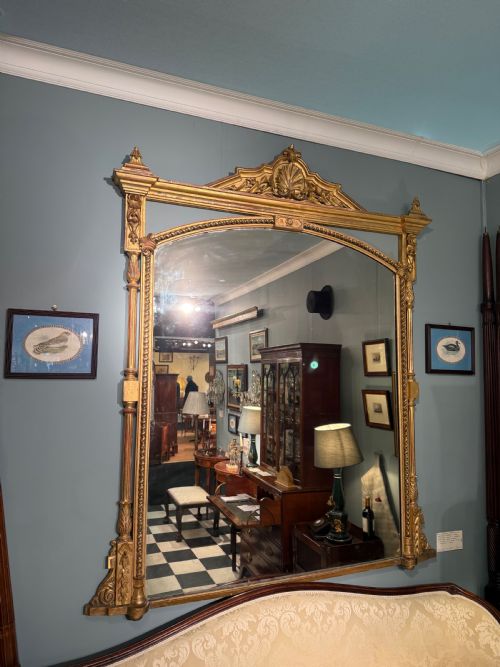
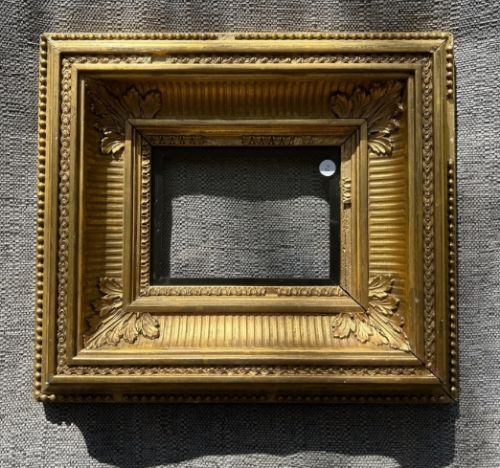
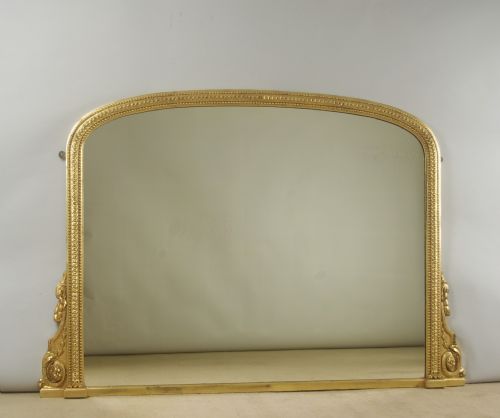
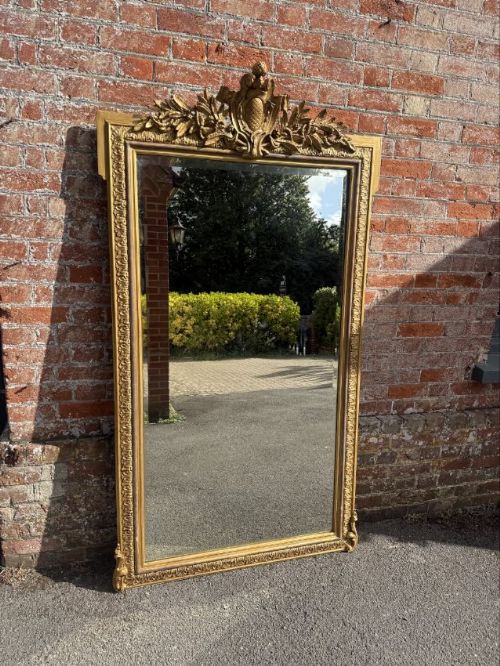
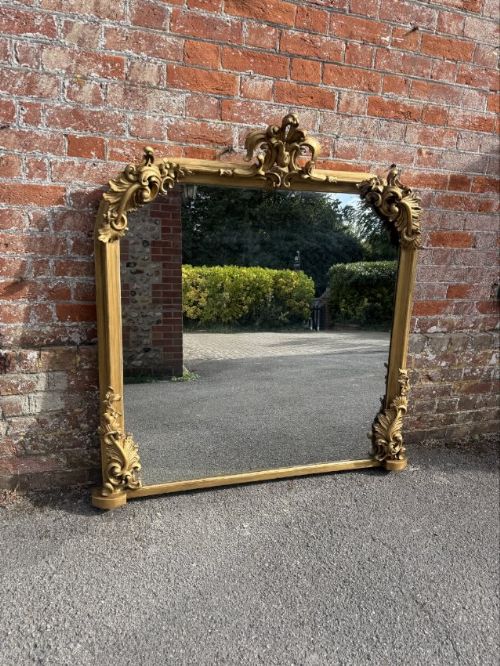
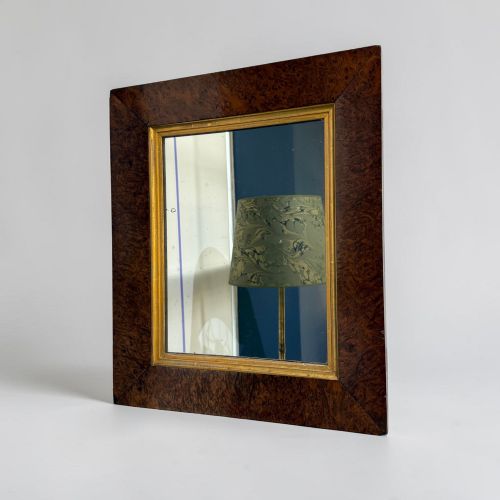
A victorian gilded frame encompasses ornate wooden and gesso surrounds created during the nineteenth century to house oil paintings, watercolours and wall mirrors. These pieces range from restrained oval timber profiles to deep, architectural overmantel mirrors designed to command a chimney breast.
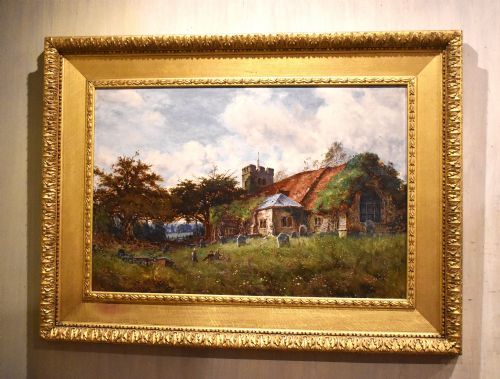
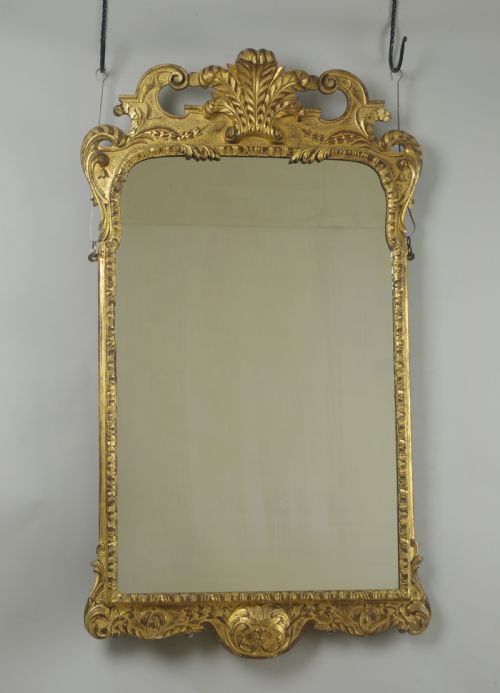
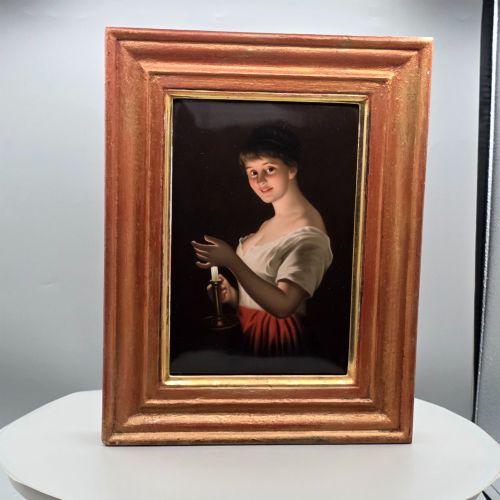
The versions most commonly met on this page are substantial English and French wall mirrors alongside oil paintings on canvas or board. Many pieces feature arched tops, intricate leaf moulding or heavy carved wooden construction finished in bright or burnished gold leaf.
Makers and artists applied these gilded surrounds to elevate domestic interiors, pairing reflective glass or fine landscape and portrait art with opulent metallic borders. Collectors encounter them in styles spanning from Rococo Revival and French Chateau to simple carved wood.
Materials and construction
Makers formed a vict personalidad by carving solid wood or building up complex decorative motifs using gesso and composition over a wooden base. Artisans applied thin layers of gold leaf or metallic paint directly onto these prepared surfaces to achieve a luminous finish.
Substantial overmantel and pier glass mirrors utilise heavy timber frames secured with pegged joints to support thick glass plates. Oil paintings and watercolours sit within moulded wooden profiles often enriched with acanthus leaf decoration or ribbed details.
The selection includes wall mirrors, overmantel mirrors, oil paintings and picture frames from the Victorian era.
Evaluating craftsmanship
The distinction between ordinary and exceptional examples rests in the depth of the hand-carved woodwork and the crispness of the gesso ornament. Superior pieces display sharply defined acanthus leaves, deliberate gilding techniques and robust timber construction that remains stable over centuries.
Lesser examples rely on mass-produced composition mouldings that can obscure fine detail or crack over time. The quality of the underlying wood, the weight of the mirror plate and the harmony of the proportion separate standard production from master craftsmanship.
Richard Sebastian Bond·Valentine T Garland·Dumini Leopoldo·Alfred Fontville de Breanski Jr·Oliver Clare·Edward Mills·Stephen Samuel Lewin·Vittorio Reggianini
The Victorian Gilded Frame Glossary
- Gesso
- A plaster-like mixture applied to wooden frames as a smooth base for gilding. Artisans carved intricate details directly into this hardened layer before applying gold leaf.
- Giltwood
- Timber that has been covered in thin sheets of gold leaf or metallic powder. It provides a rich, warm reflection distinct from modern painted finishes.
- Overmantel Mirror
- A large mirror specifically proportioned to hang above a fireplace mantel. These architectural pieces often feature arched tops and heavy carved frames.
- Composition
- A pliable mixture of whiting, resin and oil pressed into moulds to create decorative reliefs. It offered a faster alternative to hand-carving complex patterns on nineteenth-century mouldings.
- Pier Glass
- A tall, narrow mirror designed to hang on the wall space between two windows. They reflect additional light into dimly lit Victorian drawing rooms.
Victorian Gilded Frame: Frequently Asked Questions
How do I hang a heavy overmantel mirror safely?
These large mirrors carry substantial weight from their wooden frames and thick glass plates. Secure them directly into structural wall studs using appropriate heavy-duty brackets.
Professional installation ensures the weight distributes evenly across the wall rather than relying solely on decorative plaster or standard picture hooks.
Can I clean the gold leaf on my frame?
Dust the surface gently with a very soft, dry brush to remove accumulated particles without disturbing the delicate metallic leaf. Avoid liquid cleaners, abrasive cloths or chemical sprays entirely.
Moisture and harsh substances strip away historical gilding and expose the underlying gesso or timber base.
What is the difference between gesso and carved wood frames?
Carved wood frames feature ornamentation cut directly into the solid timber base by hand. Gesso frames utilise a sculpted plaster layer over wood to form intricate three-dimensional relief patterns.
Many Victorian pieces combine both techniques, using a sturdy wooden carcass embellished with moulded gesso decoration.
How do I identify the period of a gilded frame?
Examine the construction joints, the backing boards and the specific stylistic revival cues such as Rococo curves or Regency neoclassical lines. Tool marks and the ageing of the underlying gesso provide further clues.
Comparing the style against known nineteenth-century design patterns helps narrow down the decade of manufacture.