



Victorian Gilded Chimney Glass
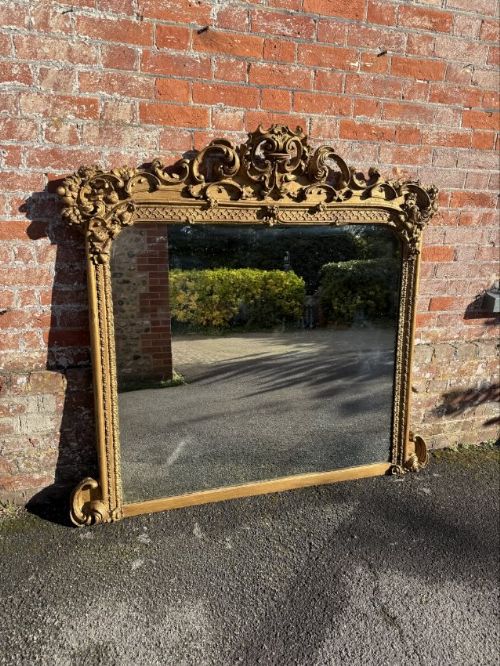
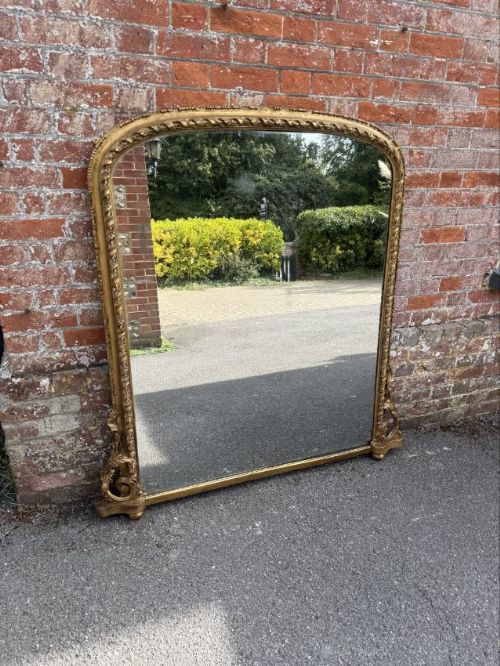
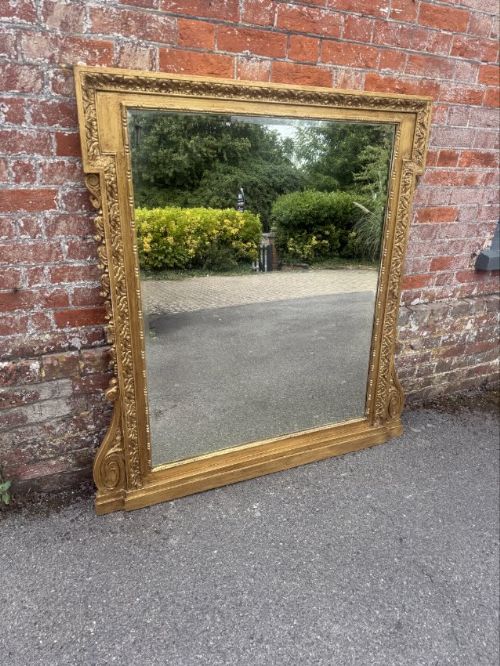
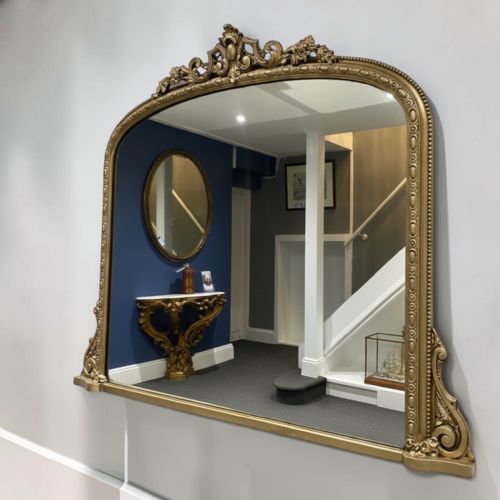
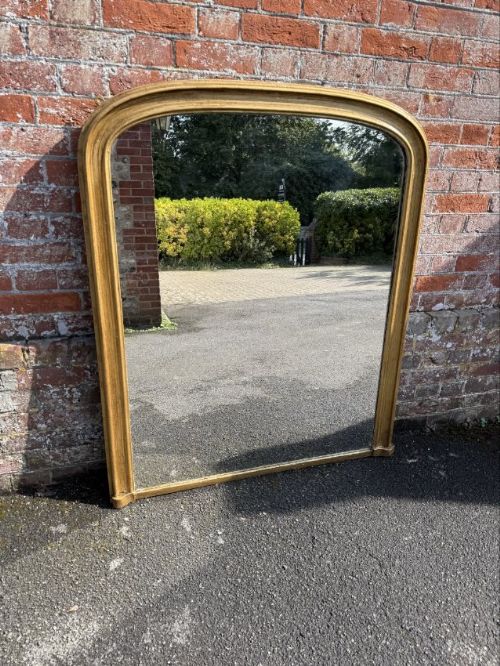
Victorian gilded chimney glass brings substantial architectural presence and reflective light to a room, functioning traditionally above a fireplace.
Victorian Gilded Chimney Glass
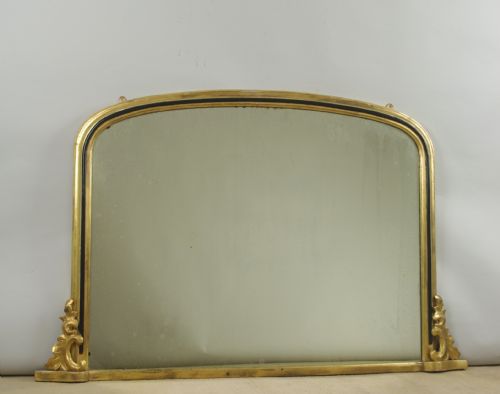
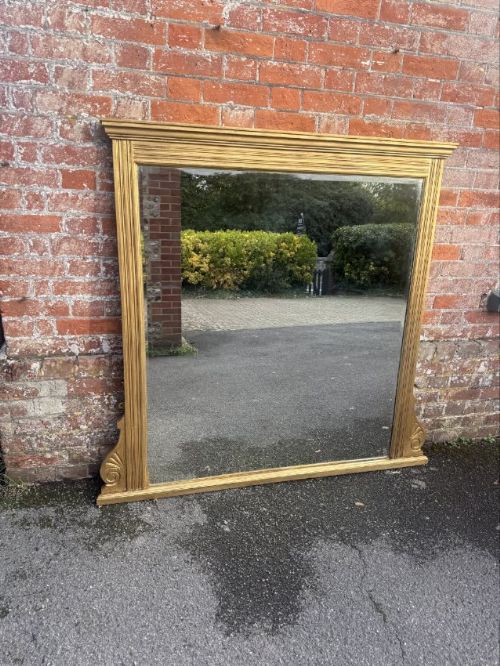
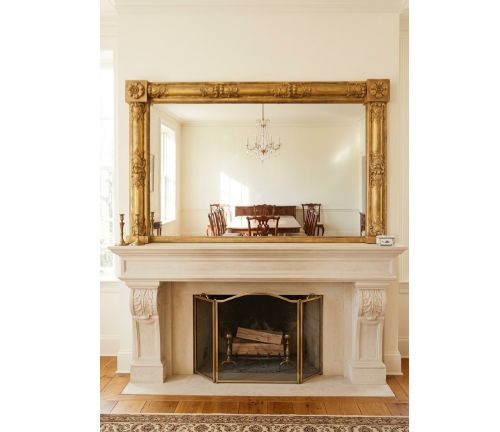
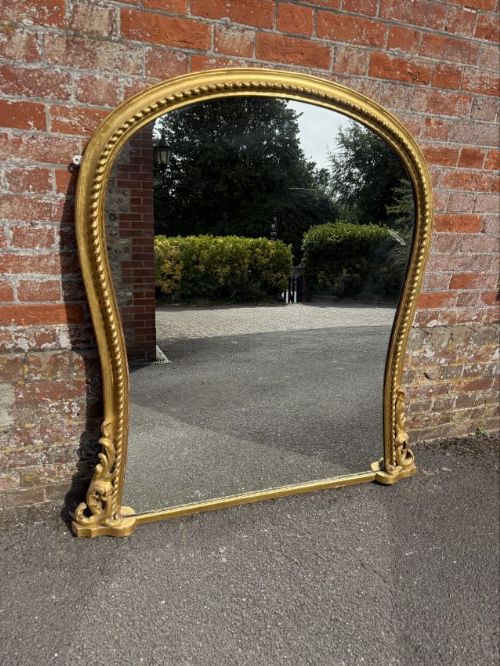
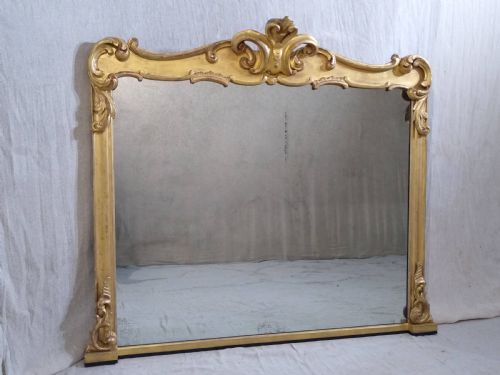
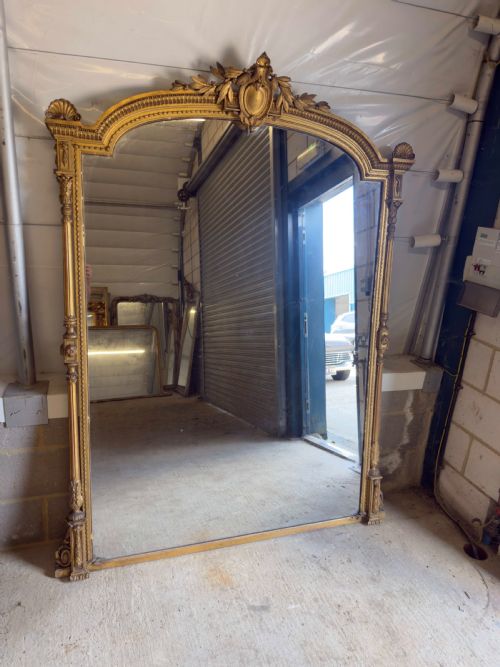
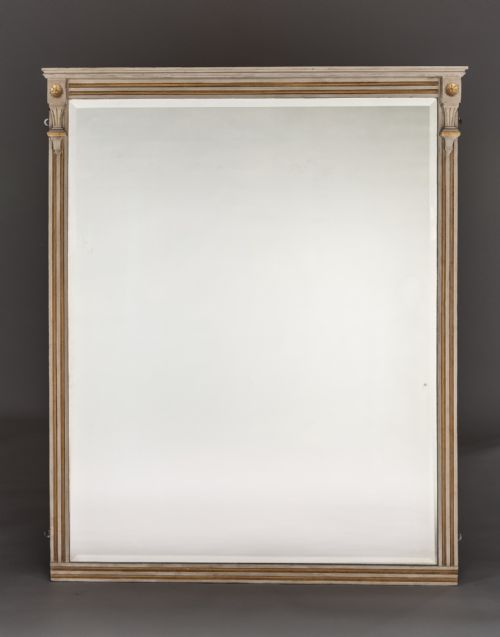
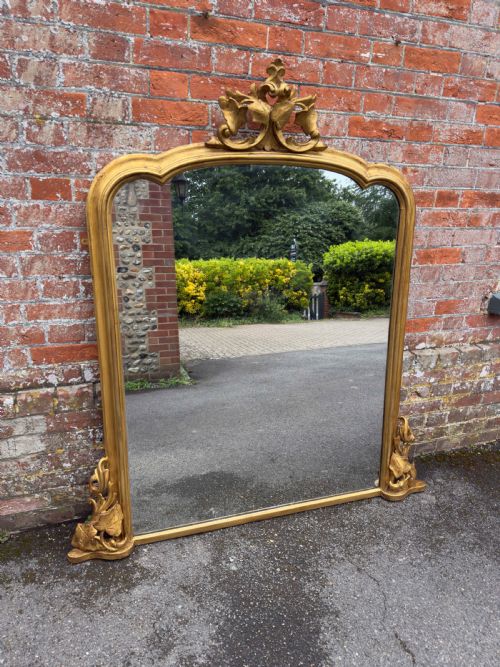
Victorian gilded chimney glass typically manifests as large overmantel mirrors designed to sit directly above fireplace mantelpieces. These grand pieces originate primarily from the nineteenth century, spanning decades from the eighteen-fifties through to the eighteen-nineties, alongside occasional Regency and earlier examples.
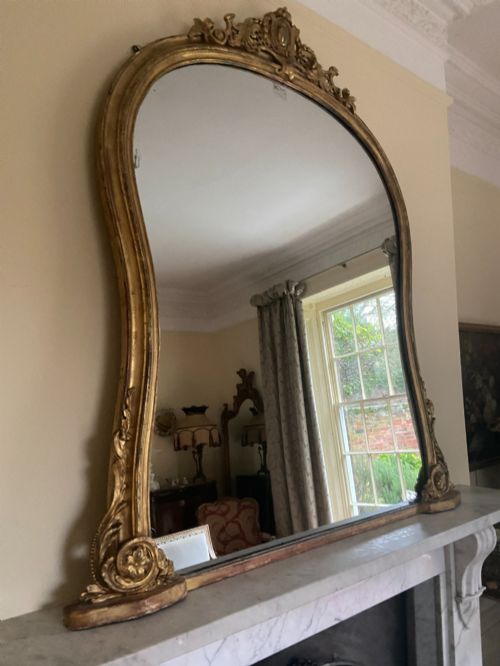
The forms vary between arched tops, shaped frames, rectangular formats, and waisted outlines. Many examples incorporate decorative elements such as rope twists, hour glass ribbing, or neoclassical motifs.
Origins include English workshops and Irish country houses, reflecting both domestic output and French chateau influences in styles like Rococo Revival and the Aesthetic Movement.
How they were made
Frames combine structural timbers like pine and oak with applied composition or gesso ornamentations. Carved wood provides the sturdy foundational armature necessary to support substantial glass plates.
Gilding is applied using gold leaf or painted parcel-gilt finishes over the wooden and gesso surfaces, catching the light and creating a rich metallic sheen. Ebonised details frequently contrast against the warm gilt areas on specific nineteenth-century models.
Victorian Gilded Chimney Glass Retail Price Guide 2026
Typical asking prices for victorian gilded chimney glass among the pieces listed under this phrase on Sellingantiques today, from the lower quarter to the upper quarter. They describe what is for sale here now, not the wider market.
Several mirrors carry the invisible weight of nineteenth-century Irish country houses, having spent generations quietly watching coal fires burn.
What varies in quality
The depth and crispness of the carved wood and gesso ornamentation separate standard production from finer craftsmanship. Elaborate pediments, detailed rope twists, and precise neoclassical motifs indicate superior artisanal skill.
The integrity of the original gilding and the preservation of the mirror glass itself determine the historical value of the piece. Substantial proportions combined with balanced architectural framing dictate the visual impact within a interior.
The Victorian Gilded Chimney Glass Glossary
- Overmantel mirror
- A large wall glass specifically designed to hang or rest upon the mantelpiece above a fireplace. These items often span a considerable width to match the scale of the hearth below.
- Gesso
- A plaster-like material applied to wood frames and carved or moulded into intricate decorative reliefs before gilding. It allows for sharp, complex ornamentation.
- Giltwood
- Timber that has been coated with gold leaf or metallic powder. This technique provides a durable and luminous finish characteristic of nineteenth-century reception rooms.
- Parcel-gilt
- A decorative treatment where only specific portions of an object are gilded, leaving other areas painted or stained. This creates a contrasting two-tone visual effect.
- Rope twist
- A carved wooden moulding resembling the spiral strands of a rope. This pattern adds textural depth to the inner or outer borders of the frame.
Victorian Gilded Chimney Glass: Frequently Asked Questions
Where should a chimney glass be placed?
These mirrors are traditionally positioned centrally above a fireplace mantelpiece, where their generous proportions reflect light across the room.
They also function effectively on principal walls in large reception spaces as standalone statement pieces.
How do I identify a Victorian piece?
Nineteenth-century characteristics include specific construction methods, such as pine frames covered in moulded gesso and finished with gold leaf.
Stylistic indicators like Rococo Revival curves, neoclassical motifs, and arched or shaped top profiles further point to this era.
Are these mirrors heavy to hang?
Due to their substantial wooden frames and large glass plates, these overmantels carry considerable weight and require secure wall anchoring.
Professional installation into solid masonry or well-supported studwork is essential for safe placement.
What is the difference between giltwood and painted frames?
Giltwood frames feature a metallic gold leaf or gold finish applied over gesso and wood, offering a bright reflective quality.
Painted and parcel-gilt versions combine flat painted surfaces with selectively gilded highlights for a more understated aesthetic.