

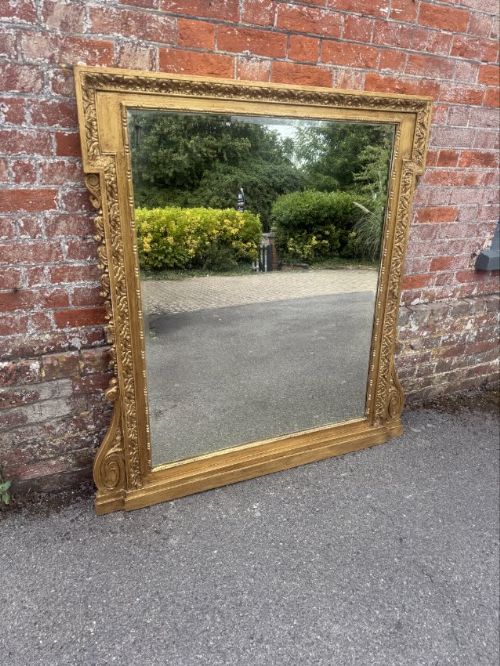
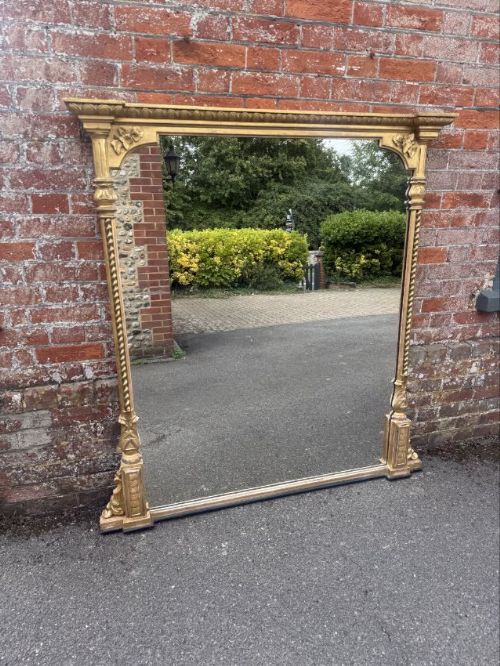
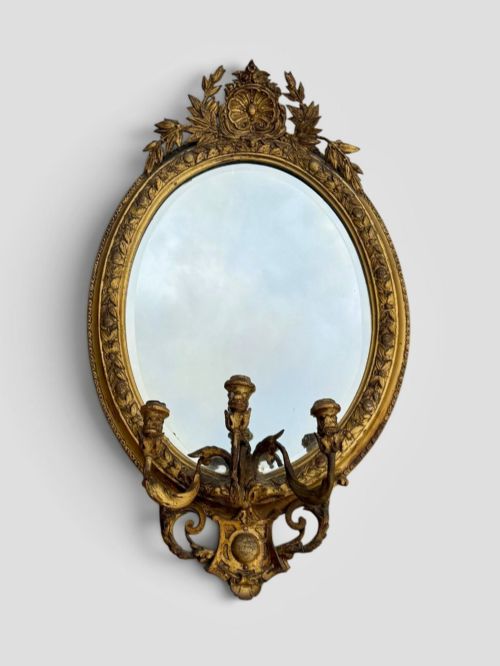
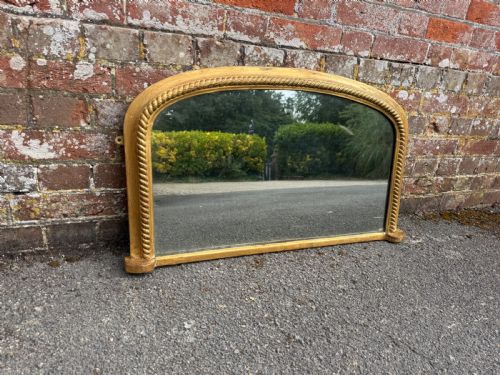

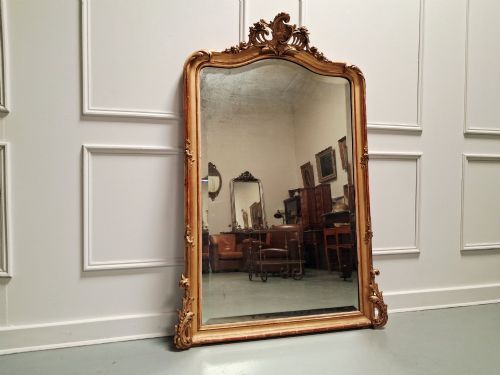
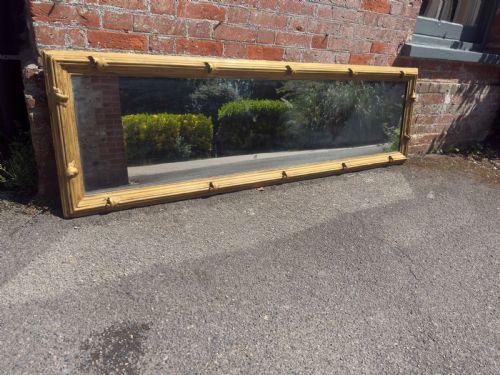
Victorian Gesso Frame
A victorian gesso frame brings nineteenth-century craftsmanship into a room, offering ornate decorative appeal around mirrors and fine art.
Victorian Gesso Frame
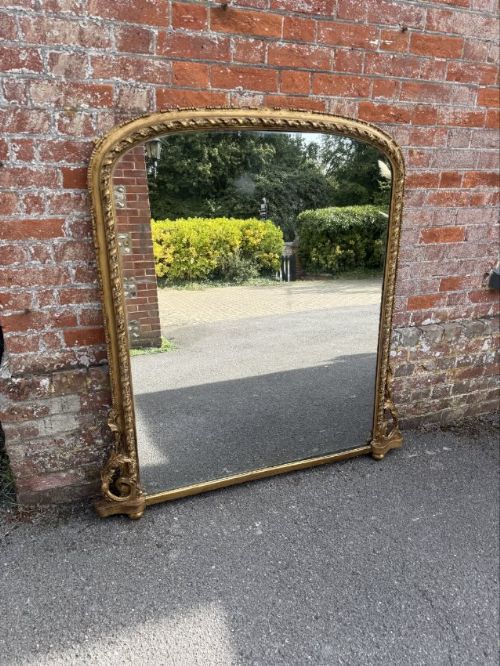
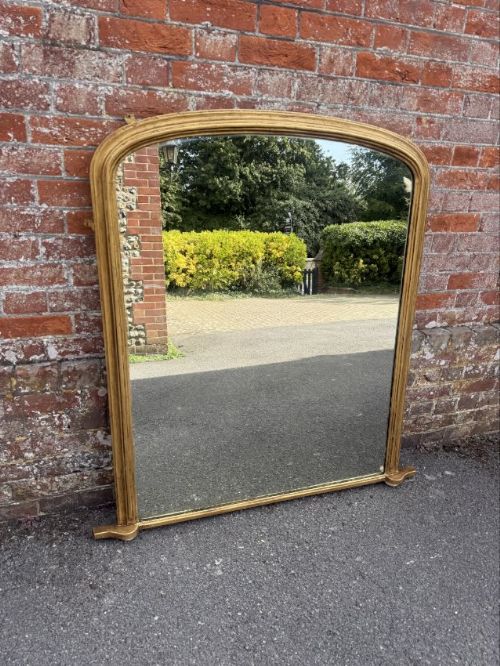
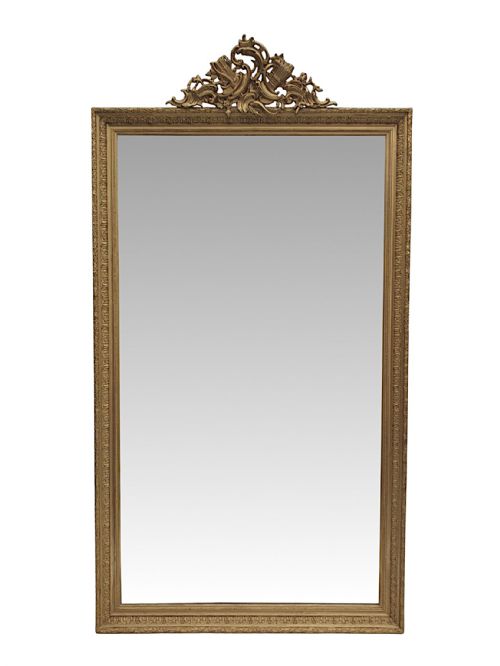
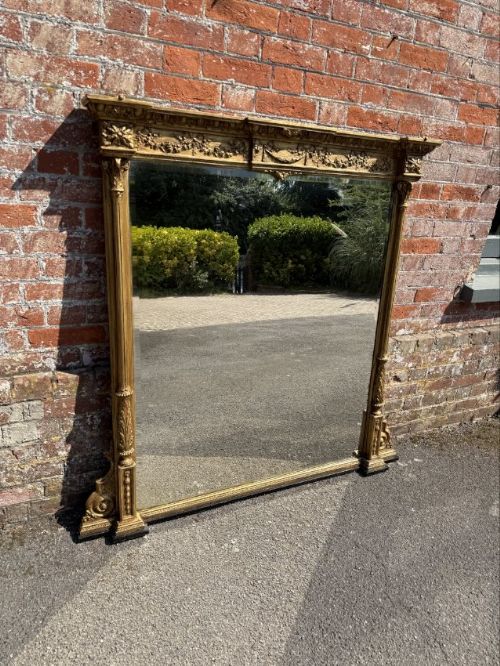
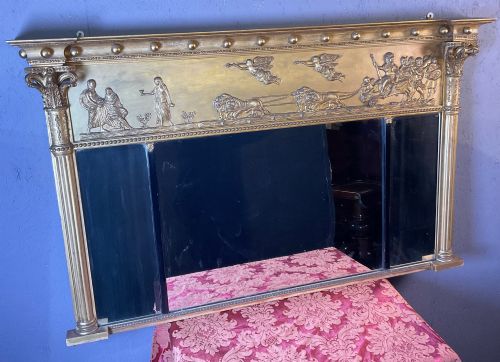
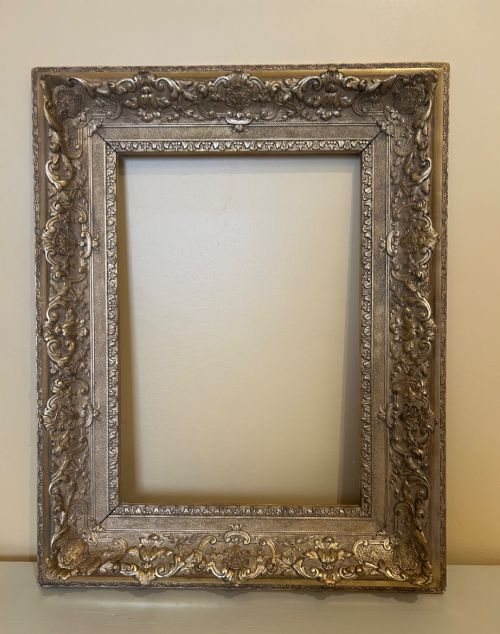
When searching for a victorian gesso frame, buyers encounter substantial overmantel mirrors, wall mirrors, and picture frames dating from the mid to late nineteenth century.
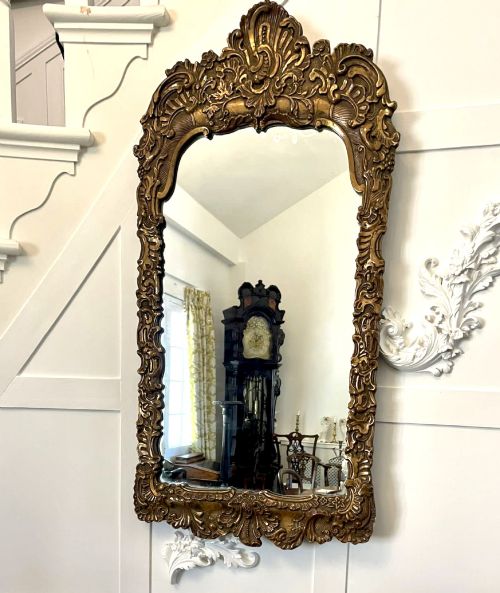
Many examples originate from English and Italian workshops, displaying rococo revival influences alongside classical motifs.
Materials and construction methods
Craftsmen built the core structures from carved wood, applying layers of gesso to create crisp, raised ornamental reliefs.
Surfaces received finishes of gold leaf, giltwood, or paint, producing the bright metallic sheen characteristic of the period.
Listings feature items from the 1850s to the 1920s, constructed from gesso, wood, glass, and gold leaf.
Assessing quality in gesso frames
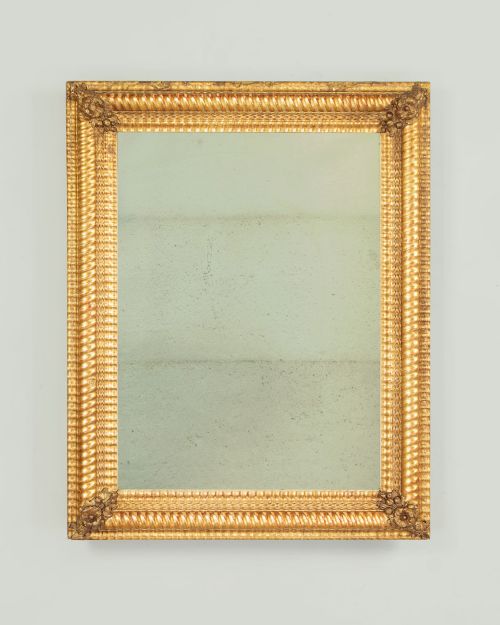
Superior pieces display deep, sharply defined relief moulding where floral rosettes, scrolls, and gadrooned edging remain crisp and unmitigated by wear or excessive overpainting.
The underlying timber construction dictates overall structural integrity, separating substantial wall and overmantel pieces from lighter decorative items.
The Victorian Gesso Frame Glossary
- Gesso
- A plaster-based mixture applied to wooden frame foundations to receive intricate moulded ornamentation. This mixture forms the raised decorative surfaces that accept gold leaf or gilding.
- Giltwood
- Timber that has been gilded with gold leaf or metal leaf. This material provides a durable, reflective metallic surface across nineteenth-century mouldings.
- Overmantel Mirror
- A large mirror designed to hang above a fireplace mantel. These pieces frequently feature arched tops and heavy gesso decoration.
- Rope Twist
- A carved rope pattern running along the border of a frame moulding. This technique adds texture and visual movement to the edge.
- Gadrooned
- A decorative carved banding featuring convex curves or flutes. This edge treatment appears frequently on nineteenth-century picture frames and mirrors.
Victorian Gesso Frame: Frequently Asked Questions
How do I hang a heavy overmantel mirror?
These large frames require secure fixings anchored directly into wall studs or masonry to support the substantial weight of the timber and mirror glass.
Professional mirror hangers utilise heavy-duty brackets distributed evenly across the frame structure to ensure safe wall placement.
Where should I place a victorian gesso frame?
Overmantels belong above fireplace openings, while wall mirrors and picture frames function well as focal points in living spaces and hallways.
Placing them opposite windows helps reflect natural light deeper into the room.
Are these frames suitable for modern art?
The ornate Victorian aesthetic creates a striking contrast when paired with contemporary paintings or minimalist interiors.
Deep picture frames add depth and visual weight to canvases and landscape oil paintings.