




Victorian French Style Vanity
These victorian french style vanity pieces bring continental flourish and nineteenth-century dressing room elegance directly to your bedroom scheme.
Victorian French Style Vanity
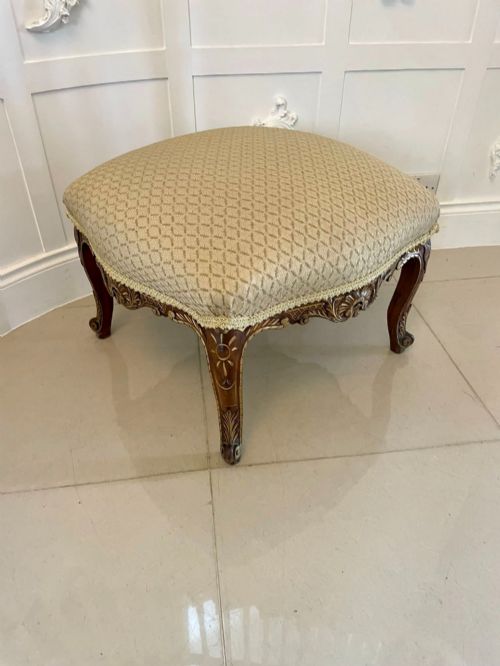
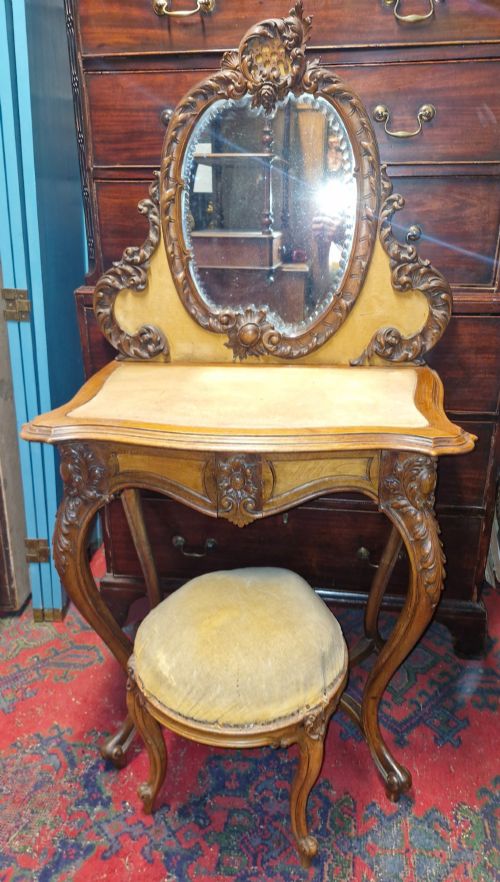
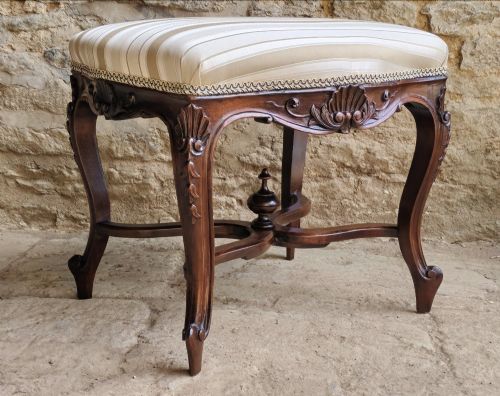
A victorian french style vanity search encompasses a range of nineteenth-century dressing furnishings, from walnut dressing tables and poudreuses to toilet mirrors and matching stools. Pieces span the decades from the 1860s to the turn of the twentieth century, capturing revivals of Rococo, Renaissance, and French Empire tastes.
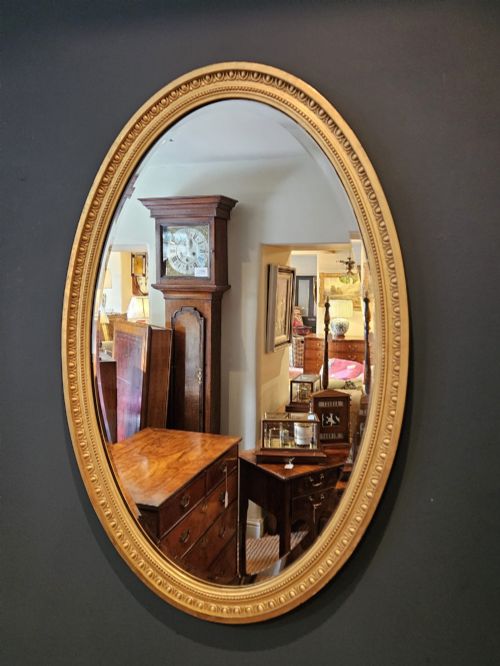
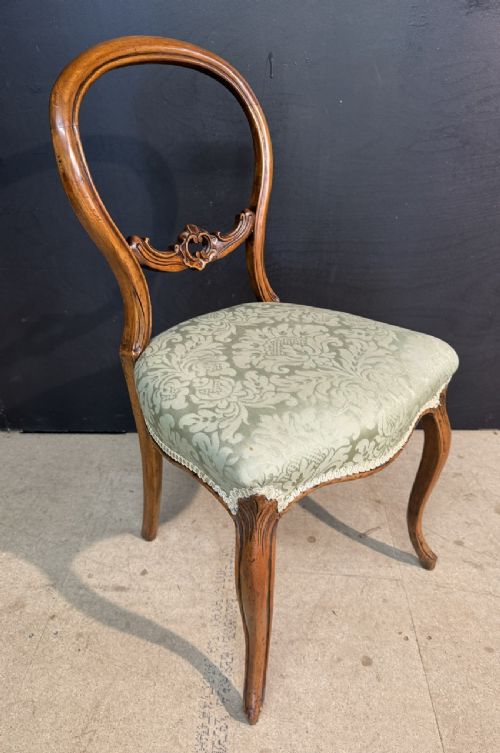
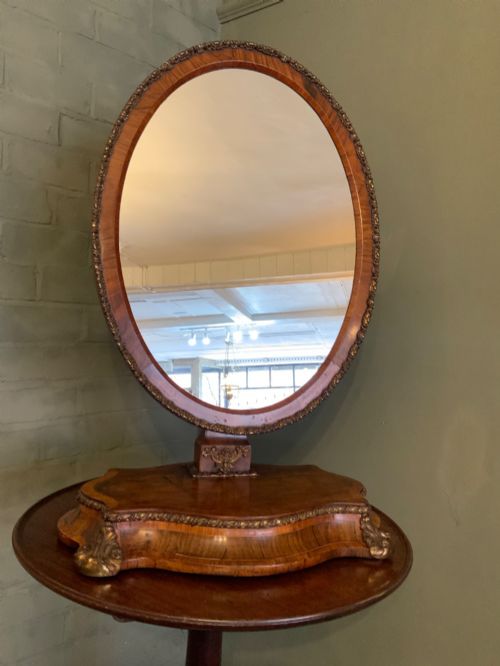
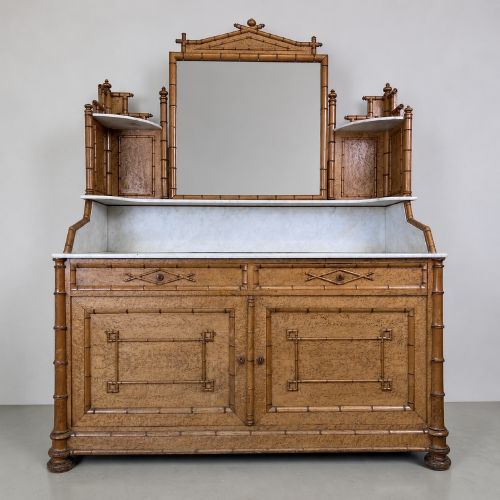
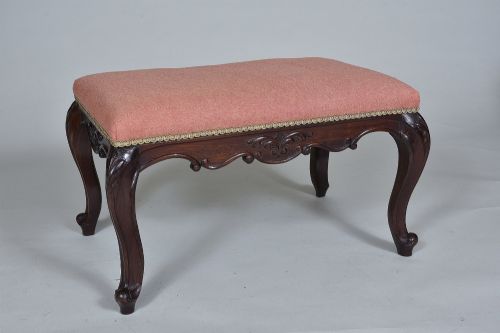
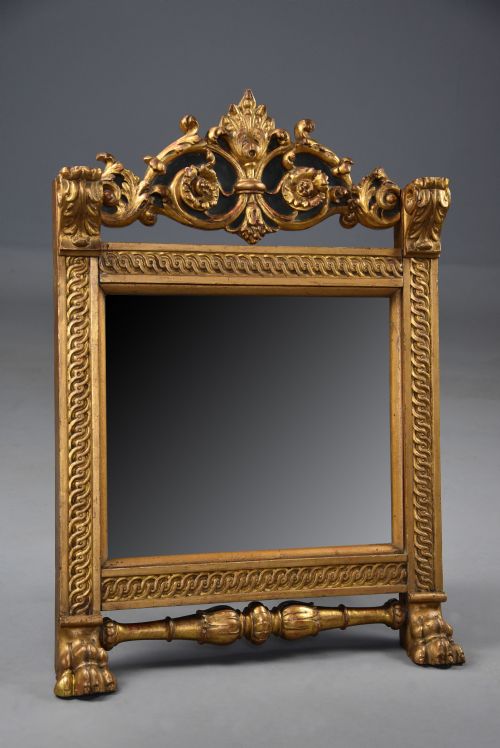
Buyers commonly encounter ornate giltwood mirrors, carved walnut seating, and occasional faux-bamboo or mahogany washstands alongside writing desks. The selection leans heavily towards walnut and mahogany structures, frequently paired with bevelled glass, ormolu mounts, and upholstered fabric elements.
Origins stretch across British craftsmanship influenced by continental aesthetics to direct French imports from around 1870 to 1890. Function meets decorative ambition in items designed specifically for the boudoir and dressing chamber.
Materials and construction
Solid woods such as walnut, burr walnut, mahogany, and oak provide the structural foundation for tables, desks, and frames, while maple appears in specialised faux-bamboo iterations. Carved details and applied gesso shape the ornamental surfaces of giltwood mirrors and chairs.
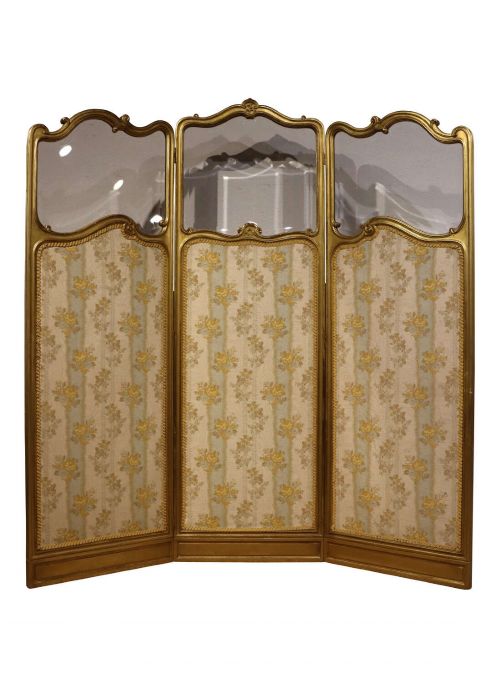
Finishing techniques rely on traditional hand-painting, gilding with silver or gold leaf, and intricate marquetry inlay. Brass and ormolu mounts add hardware accents, and silk panels or traditional textile upholstery complete the seating and screen elements.
Faux-bamboo dressing cabinets bring an unexpected botanical whimsy straight to the nineteenth-century bedroom.
Distinguishing quality
Depth and crispness of hand-carving separate standard production from superior examples, particularly across walnut frames and giltwood mirrors. Superior pieces exhibit refined proportions, careful timber selection such as figured burr walnut veneers, and sophisticated joinery.
The integrity of original gilding, hand-painted porcelain panels, and bevelled mirror plates dictates the standing of decorative items. Original upholstery framing and matching suite components elevate the historical cohesion of surviving dressing furniture.
Lamb of Manchester
The Victorian French Style Vanity Glossary
- Poudreuse
- A type of French dressing table featuring folding lids that reveal a mirror and compartments for cosmetics. These nineteenth-century pieces often incorporate marquetry.
- Bonheur De Jour
- A light lady's writing desk with a small cabinet or set of drawers on the top surface. They appear frequently in fine walnut during the Victorian era.
- Ormolu
- Gilded bronze mounts applied to furniture and decorative objects. This technique adds metallic highlight to nineteenth-century walnut and mahogany pieces.
- Gesso
- A plaster-like mixture applied to wood surfaces as a base for gilding. It allows for intricate moulded ornamentation on frames and mirrors.
- Faux-bamboo
- Wood turned and painted to imitate natural bamboo stems. This decorative finish became popular in bedroom furniture during the late nineteenth century.
Victorian French Style Vanity: Frequently Asked Questions
What defines a victorian french style vanity?
These items combine nineteenth-century British and continental forms with decorative motifs drawn from French Rococo and Empire revivals. They typically include dressing tables, mirrors, and stools utilising walnut, mahogany, and giltwood.
Craftsmanship from periods such as the 1870s and 1880s emphasises curved cabriole legs, carved ornamentation, and integrated glass or fabric elements.
How do I use a antique vanity mirror?
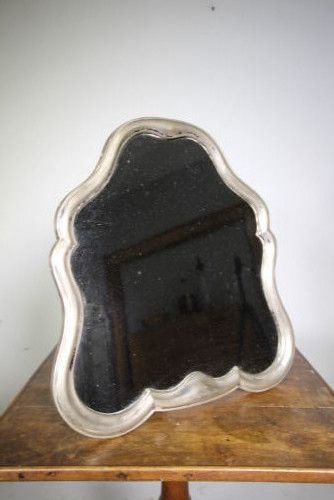
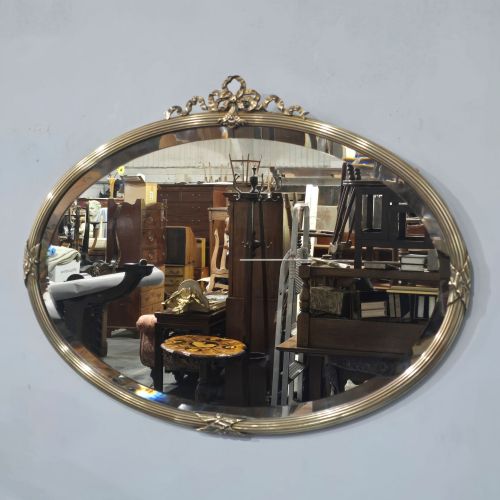
Tabletop dressing mirrors are designed to sit atop a chest of drawers, washstand, or writing table to provide a reflective surface for grooming. Many feature pivoting frames supported by brass or wooden arms to adjust the angle.
Freestanding toilet mirrors require a stable surface with sufficient depth to support their base weight and often coordinate with matching bedroom seating.
Are these pieces from France or Britain?
The selection includes both British-made furniture influenced by continental taste and items imported directly from France during the nineteenth century. Makers in both regions adopted French design vocabulary.
Stylistic markers and construction methods often reflect the prevailing aesthetic movements of specific decades between 1860 and 1900.
How do I care for giltwood and walnut?
Giltwood frames require gentle dusting with a soft, dry brush to protect delicate gold leaf and gesso surfaces from moisture damage. Avoid chemical polishes on gilded areas.
Walnut surfaces benefit from occasional application of traditional furniture wax to nourish the timber and preserve the patina developed over the centuries.