



Rococo Revival Vanity
A rococo revival vanity brings sculptural woodwork and curving mirrors from the nineteenth century into modern bedrooms.
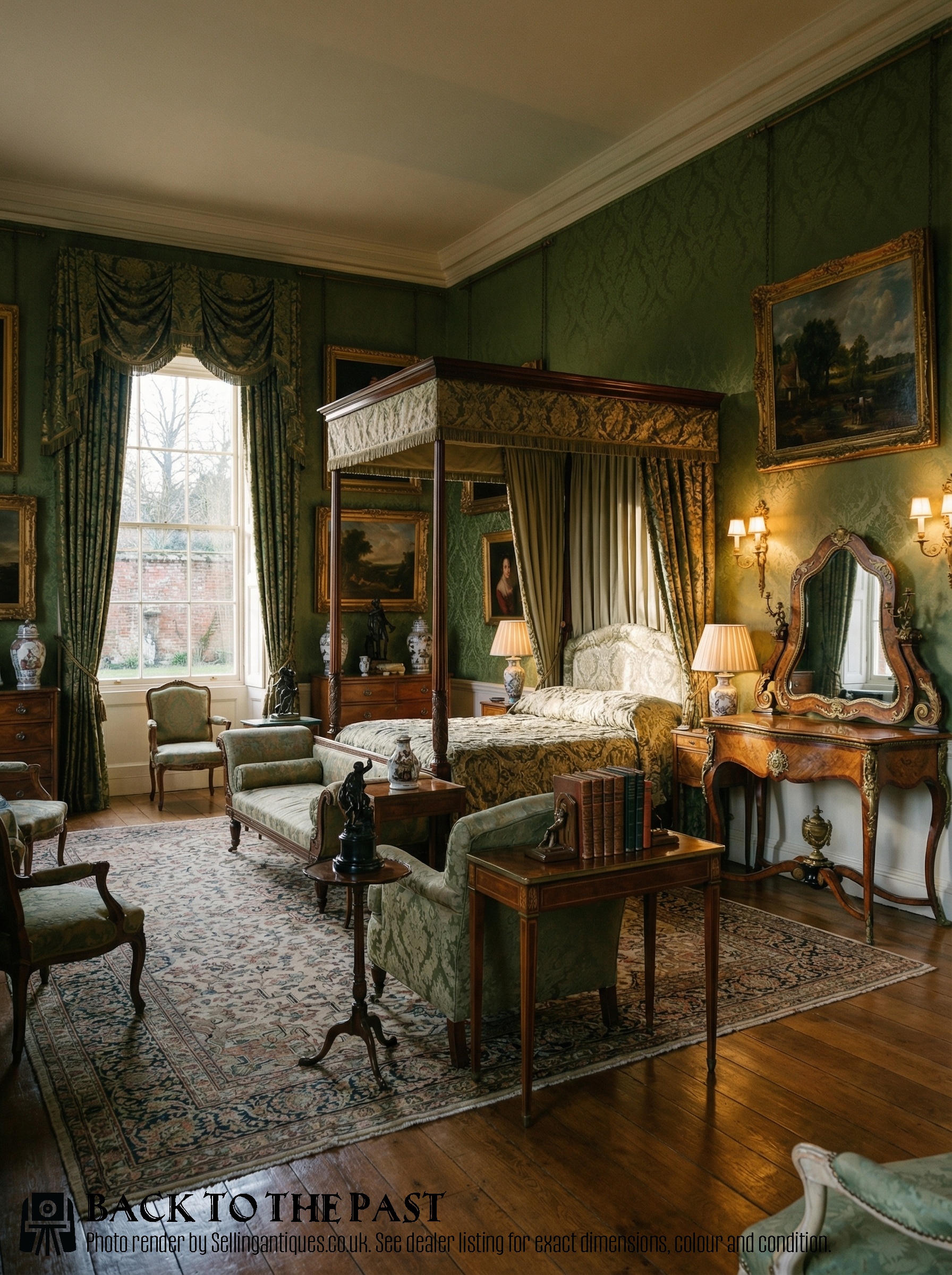
Rococo Revival Vanity
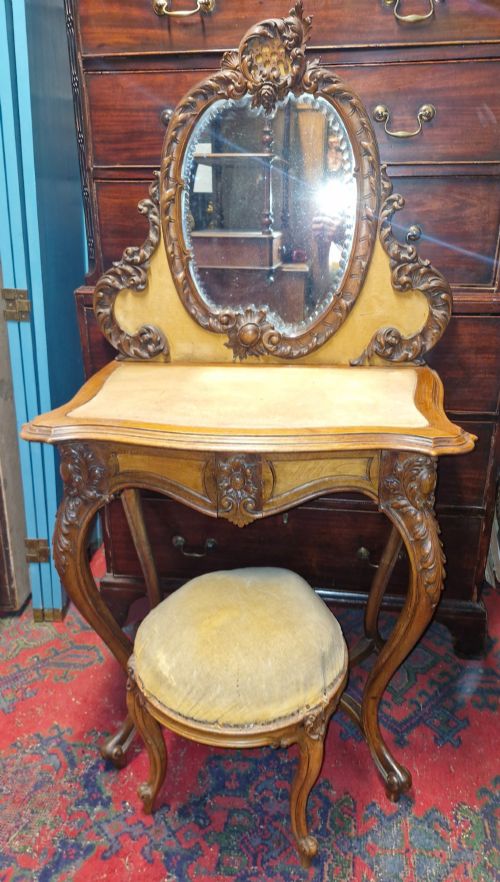
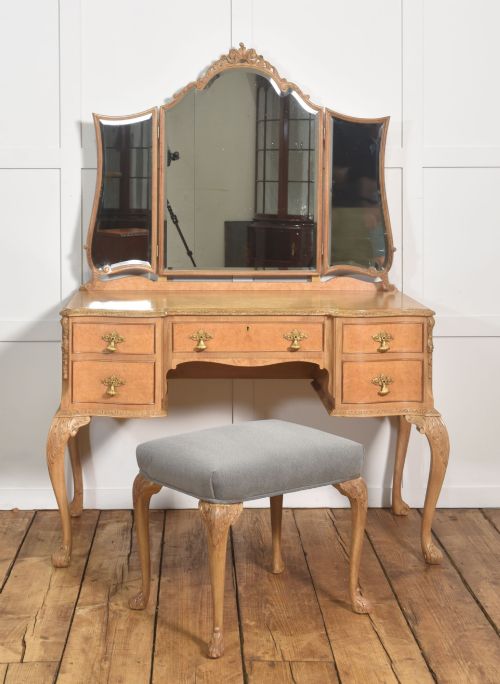
A rococo revival vanity encompasses dressing tables, matching stools, and dressing table mirrors originating mostly from the Victorian era and the broader nineteenth century. These objects include freestanding pieces in walnut and mahogany alongside porcelain-mounted mirrors and upholstered seats.
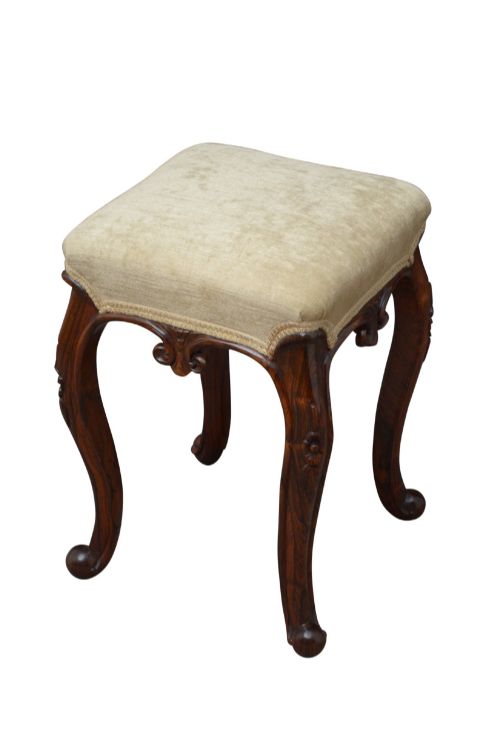
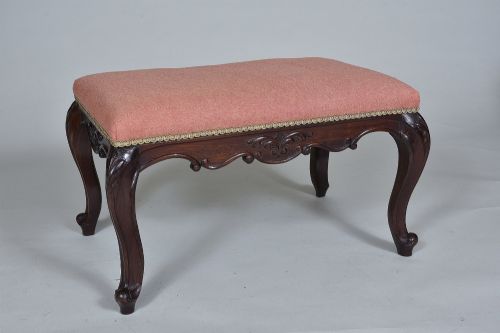
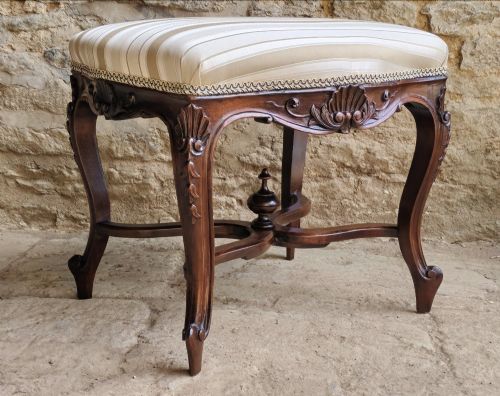
The version most commonly encountered on this page is the dressing table or dressing table mirror framed in carved walnut, rosewood, or oak. Matching stools with cabriole legs and fabric or needlepoint upholstery frequently accompany these tables.
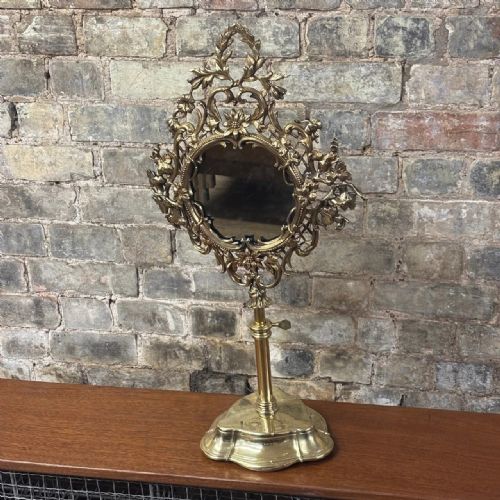
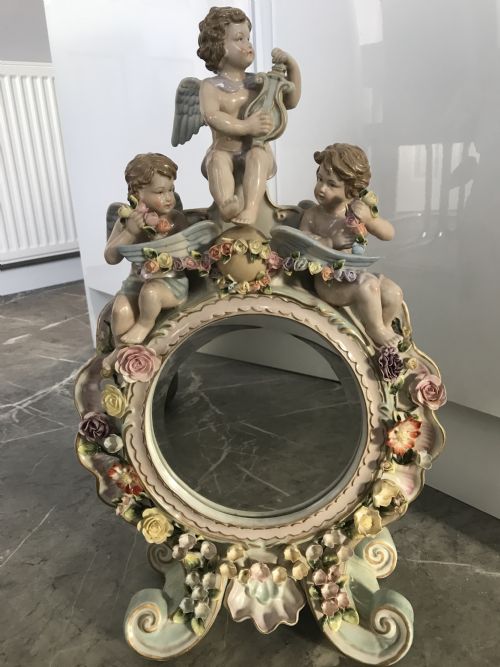
Origin points span English cabinetmakers and continental factories, yielding items that draw heavily on Louis XV motifs, French chateau styles, and ornate scrollwork. Mirrors range from large triple-mirror table units to wall-hung and easel variants decorated with porcelain flowers and cherubs.
How they were made
Cabinetmakers constructed these pieces using solid hardwoods like mahogany, walnut, rosewood, and oak, often selecting burr walnut veneers for figured surfaces on dressing tables and writing desks. Carvers shaped deep scrolls, floral garlands, and asymmetry directly into the timber to mimic eighteenth-century French prototypes.
Metal components involved cast brass, ormolu mounts, and silver deposit work applied to porcelain elements. Glass makers provided heavy mirror glass and swing mirror plates, while upholsterers finished the accompanying stools in fabric and original needlepoint.
Listings feature items spanning the Victorian era through the early twentieth century, utilising mahogany, walnut, rosewood, brass, and porcelain.
What varies in quality
The depth and crispness of the hand-carved woodwork distinguish finer items from simpler production, as skilled carvers achieved fluid asymmetry without losing structural line. The choice of primary timbers, such as figured burr walnut and rich mahogany, marks out superior examples.
The integration of decorative components also separates tiers of work. High-grade pieces incorporate hand-painted porcelain plaques, heavy cast ormolu mounts, and original mirror plates that maintain their silvering, whereas basic items rely on machine-pressed brass and plain timber frames.
Maison Pretot Paris·Jean Gille
The Rococo Revival Vanity Glossary
- Cabriole leg
- A furniture leg that curves out and then in, mimicking an animal's leg. This shape appears frequently on the stools and dressing tables found here.
- Ormolu
- Gilded bronze applied to furniture mounts and mirror frames. It adds a metallic sheen that contrasts with dark walnut and mahogany.
- Needlepoint
- Stitched yarn work used on period upholstery. It often survives on the seats of nineteenth-century dressing stools.
- Swing mirror
- A glass plate mounted on pivots between upright arms. This arrangement allows the user to tilt the reflecting surface at various angles.
- Sevres
- A French porcelain factory noted for decorated wares. Its plaques and porcelain frames appear on high-end dressing tables and mirrors.
Rococo Revival Vanity: Frequently Asked Questions
What is a rococo revival vanity?
A rococo revival vanity is a nineteenth-century dressing table, mirror, or matching stool styled after earlier French court furniture. These pieces use curving lines, carved floral motifs, and rich woods like walnut and mahogany.
They emerged during the Victorian era when makers looked back to Louis XV designs. Today, collectors use them to bring ornate nineteenth-century character into domestic spaces.
How do I style a dressing table mirror?
A dressing table mirror sits atop a matching vanity or a freestanding chest to create a functional grooming station. They work equally well placed on larger writing desks or sideboards.
Ensure the scale of the mirror matches the surface below it. Allowing natural light to strike the glass enhances the carved wood and porcelain details.
Are the stools sold separately?
Some stools appear paired with their original dressing tables, while others survive independently. Nineteenth-century makers often produced matching seats upholstered in needlepoint or fabric.
When found together, the suite offers a cohesive look. Individual stools also function well as footstools or small occasional seats.
How do I date these Victorian pieces?
Dating relies on timber choices, construction methods, and stylistic markers recorded across the nineteenth century. Heavier Victorian walnut and mahogany examples often date between eighteen-fifty and nineteen-hundred.
Factory marks on porcelain components and mirror backing techniques provide further clues. Makers such as Jean Gille or Maison Pretot help narrow down specific decades.