


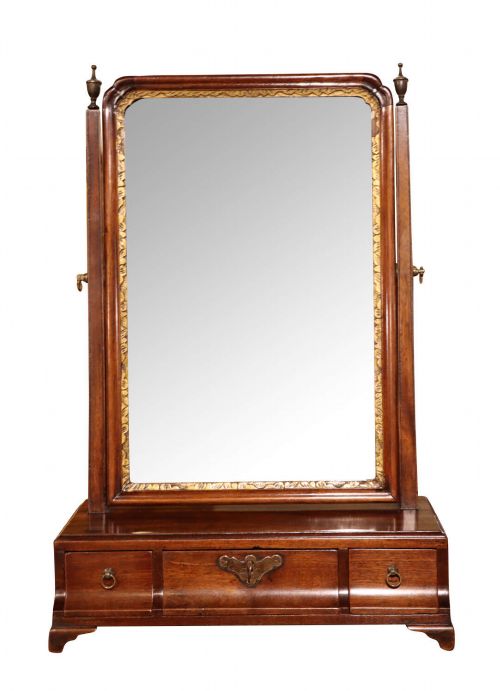


Nineteenth Century Vanity
Nineteenth century vanity pieces are dressing tables, mirrors, and fitted boxes that organise personal grooming, sought after for their domestic utility and rich cabinet timbers.
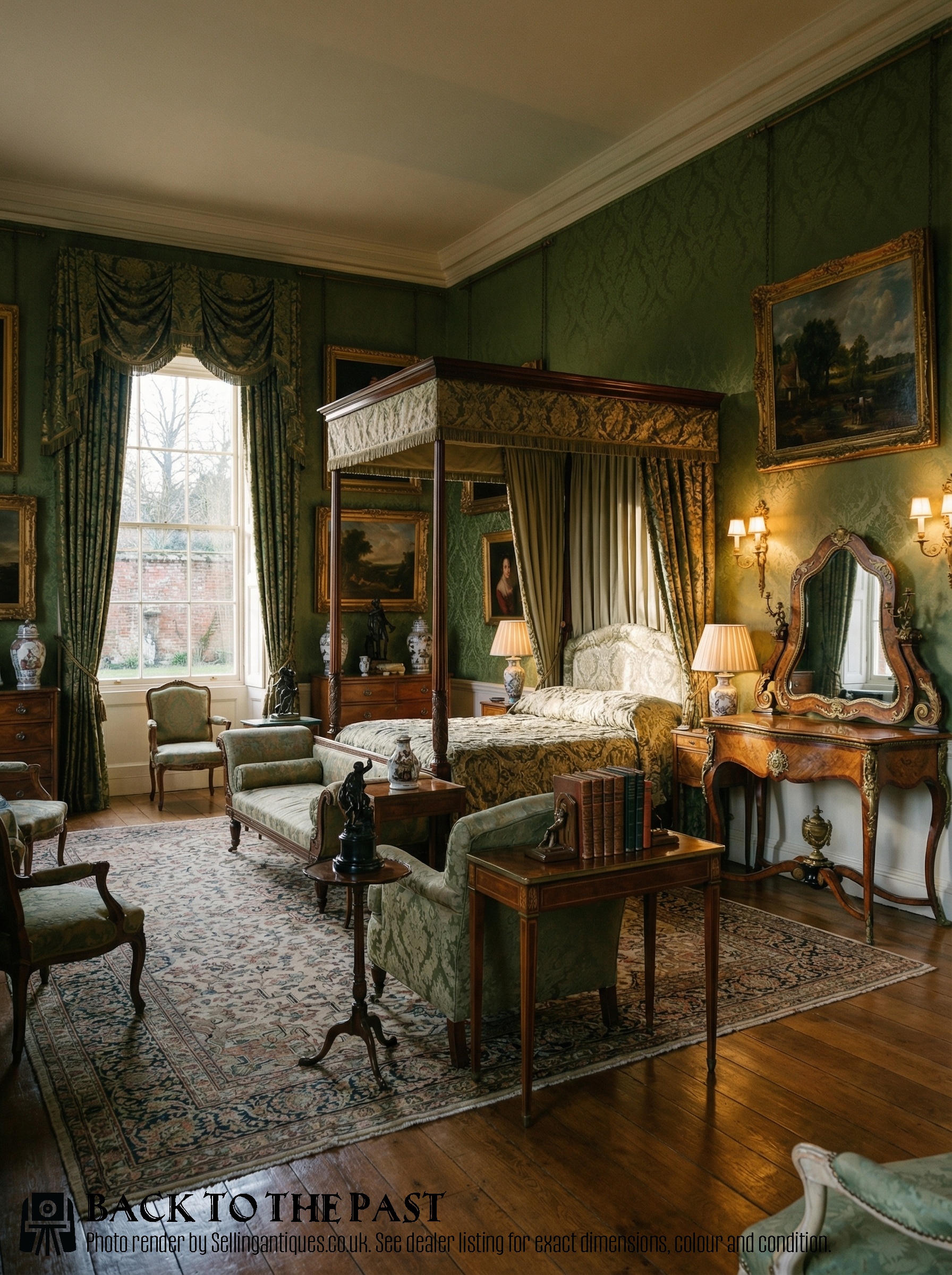
Nineteenth Century Vanity
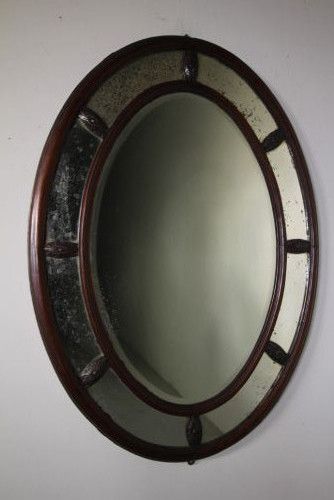
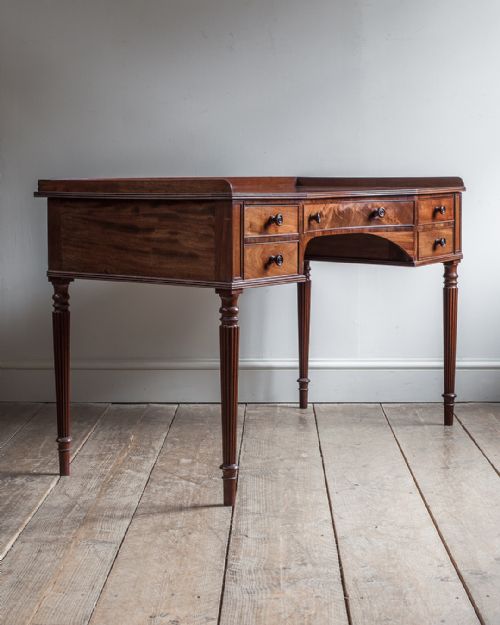
A nineteenth century vanity selection centres on dressing tables, dressing mirrors, and fitted travelling cases designed for personal grooming. These objects date across the Georgian, Regency, and Victorian periods, with distinct regional forms from England, France, and Holland.
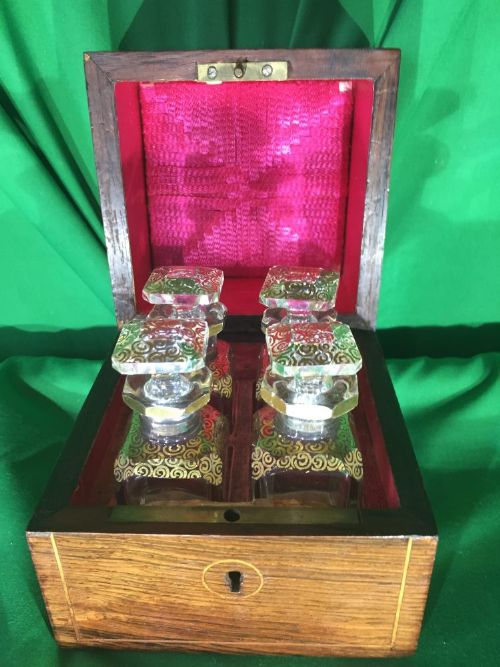
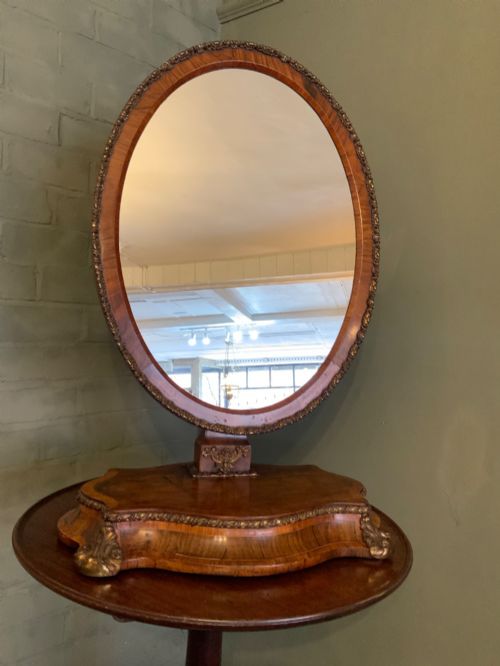
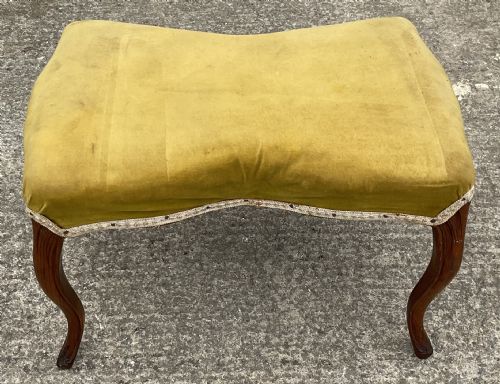
The most common items on this page are table mirrors, swivelling dressing mirrors with drawer bases, and portable coromandel or rosewood boxes. Alongside these sit occasional stools, washstands, and wall-mounted looking glasses.
Makers and workshops across Europe produced these items using dense hardwoods and specialist inlays, creating pieces intended for bedrooms and boudoirs. Their varied forms reflect the changing domestic routines of the period.
How they were made
Cabinet makers utilised solid and veneered timbers such as mahogany, walnut, rosewood, and coromandel, often framing glass plates with brass, ormolu, and giltwood. Construction relied on tight joinery for boxes and tables, while mirrors used pivoting side arms fixed to sturdy upright supports.
Surface ornamentation involved intricate techniques including Dutch marquetry, mother-of-pearl inlay, satinwood banding, and hand carving. Travelling dressing cases incorporated fitted interiors lined with velvet to secure glass scent bottles and small instruments.
Listings feature periods spanning from the Georgian era through Regency and Victorian times up to nineteen hundred.
What varies in quality
Quality rests upon the selection of timbers and the precision of the cabinet work, particularly in the alignment of drawer dovetails and the crispness of carved details. Superior examples display figured wood grain, original mercury glass plates, and intact internal fittings rather than replaced elements.
The standard of mounts, whether cast ormolu, brass handles, or inlaid marquetry, separates standard production items from workshop pieces signed by makers. Well-preserved original finishes and sound structural movement in adjustable mirrors elevate an individual piece.
Thiebaut Freres·H Mitchell·Maison Pretot Paris
The Nineteenth Century Vanity Glossary
- Ormolu
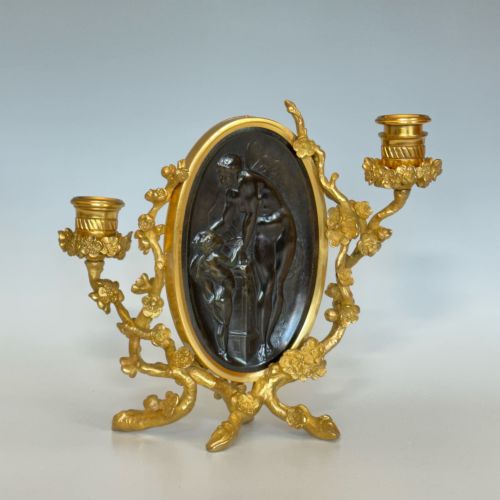
- Gilded bronze mountings applied to furniture and mirror frames. This technique provided ornamental detail and contrast against dark cabinet woods during the nineteenth century.
- Marquetry
- Decorative veneer work forming pictorial or geometric patterns on wooden surfaces. Craftsmen utilised contrasting timbers like satinwood and walnut.
- Coromandel
- A dense, heavily figured exotic timber with dark brown and black graining. It was frequently selected for high-status nineteenth century dressing boxes and travelling cases.
- Tunbridge Ware
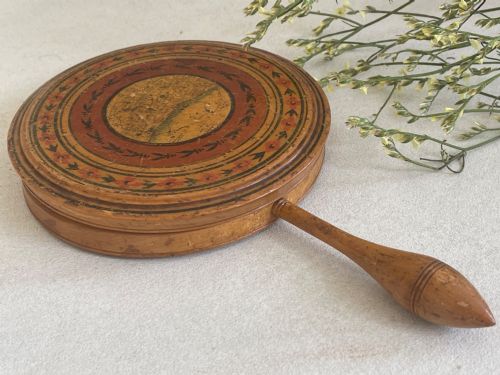
- Small wooden objects decorated with mosaic patterns built from tiny coloured wood blocks. This regional English craft often appeared on Tunbridge Ware travelling mirrors.
- Bevelled glass
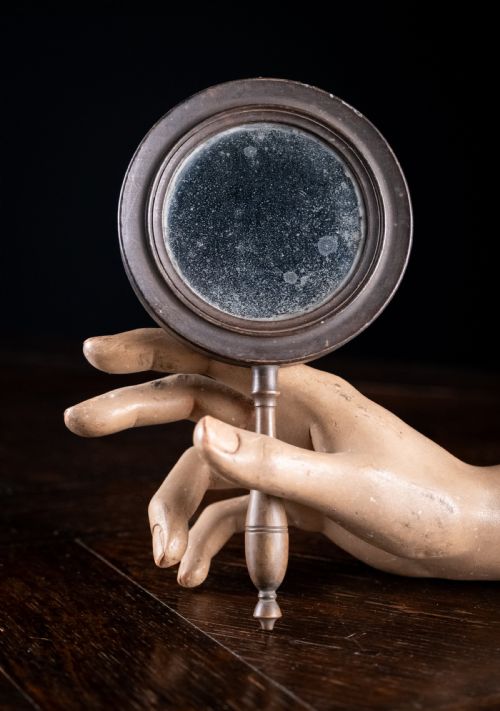
- Mirror plate with edges ground and polished at an angled slope. This treatment added depth and a decorative border to the reflection.
Nineteenth Century Vanity: Frequently Asked Questions
What is a nineteenth century vanity box?
A nineteenth century vanity box is a portable case fitted with compartments, glass scent bottles, and mirrors for personal grooming during travel or home use.
These boxes used timbers like coromandel and rosewood, often featuring mother-of-pearl inlay and velvet-lined interiors to secure delicate glass items.
How do I use a dressing table mirror?
A dressing table mirror is designed to sit upon a chest or dressing table, providing a reflective surface supported by pivoting side arms. The glass plate tilts to adjust the angle for the user.
Many examples include small drawers in the base for holding jewellery, pins, and cosmetics.
What is the difference between Georgian and Victorian mirrors?
Georgian mirrors often display restrained mahogany frames with simple ogee mouldings and understated scrollwork supports. They reflect an emphasis on structural balance and traditional cabinet making.
Victorian mirrors tend to introduce heavier proportions, bolder walnut or rosewood framing, ornate carving, and sometimes adjustable shaving stands or brass wall fixtures.
How should I care for antique wood and glass?
Antique wood surfaces benefit from light cleaning with a soft cloth and occasional application of appropriate natural wax to nourish the timber. Avoid placing them in direct sunlight or areas with extreme humidity.
Mirror plates should be cleaned gently around the edges to protect the original silvering and backing from moisture damage.