



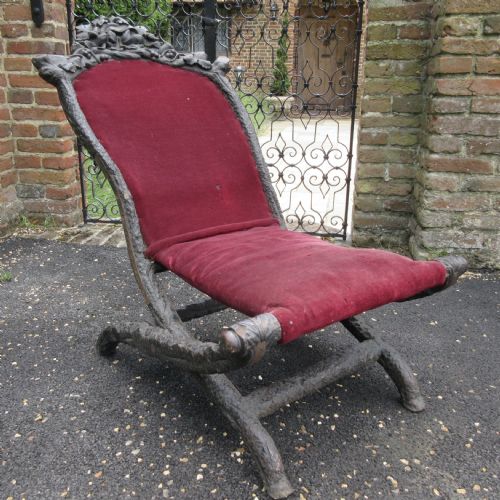


Victorian Folding Armchair
These victorian folding armchair selections offer portable comfort and ingenious engineering, making them essential finds for flexible living spaces.
Victorian Folding Armchair
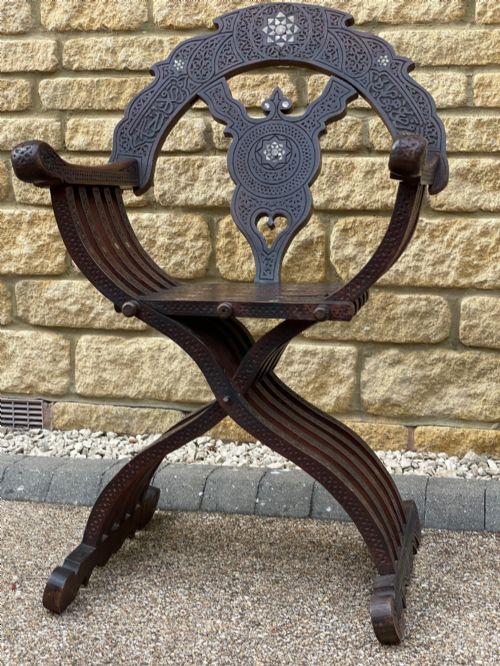
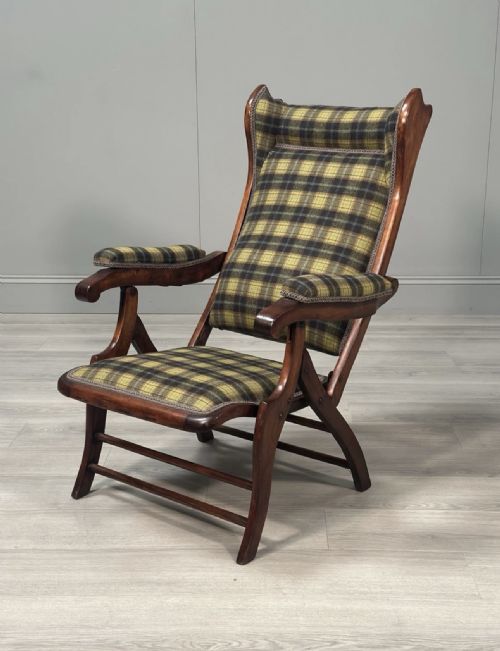
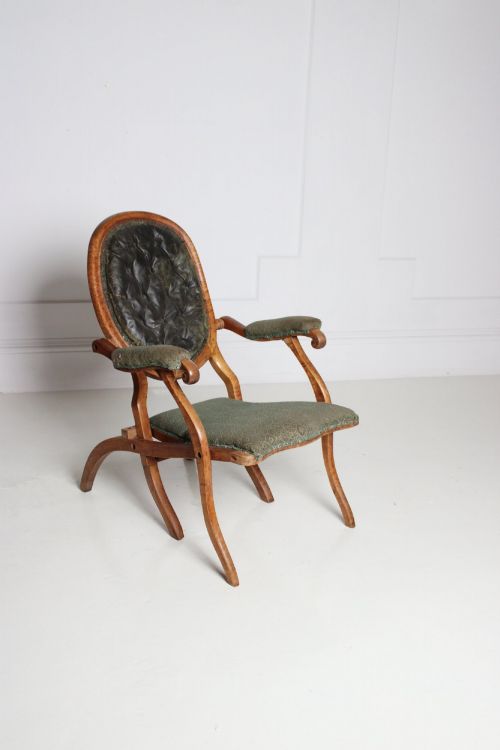
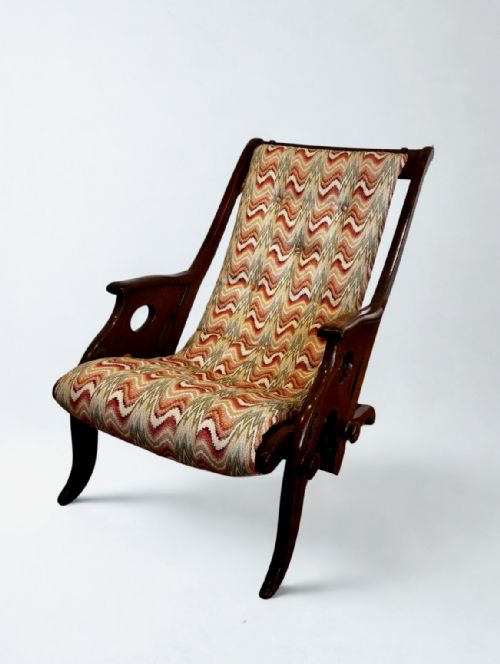
When searching for a victorian folding armchair, buyers encounter portable seating solutions designed for travel, campaign use, or effortless domestic relocation. These items span the nineteenth century and the Edwardian era, incorporating styles such as campaign, Syrian Ottoman, Arts and Crafts, Gothic Revival, Black Forest, and Colonial.
The most common forms on this page include folding armchairs, campaign chairs, steamer deck chairs, lounge chairs, and occasional chairs. Materials range from walnut, mahogany, oak, rosewood, and birds eye maple to brass, cane, leather, fabric, textile, metal, and bone button decoration.
How they were made
Cabinetmakers utilised dense hardwoods like walnut, mahogany, and oak to ensure the folding frames could withstand regular transport and adjustment. Metal hinges, brass fittings, and pivoting joints allowed the chairs to collapse flat without sacrificing structural integrity.
Surface ornamentation involved intricate hand-carving, pierced crest rails, fluting, and bone button inlays, alongside mother of pearl inlays in Syrian Ottoman examples. Seating surfaces utilised cane, leather, and upholstered fabric or textile pads.
Listings feature pieces spanning the nineteenth century, Victorian era, Edwardian period, and nineteen-ten.
What varies in quality
The sophistication of the folding mechanism separates standard utility pieces from exceptional examples, with superior items operating smoothly through clever concealed pivots and locking pins. The choice of timber also dictates quality, distinguishing solid rosewood and figured walnut frames from simpler woods.
Carving depth and decorative detail distinguish finer workshops from mass production, particularly where pierced crest rails, bone buttons, or mother of pearl inlay adorn the frame. The retention of original upholstery materials, cane work, and brass hardware preserves the integrity of the piece.
J. Herbert McNair
The Victorian Folding Armchair Glossary
- Campaign chair
- A portable folding seat designed for military officers or travellers, engineered to pack flat into transit cases.
- Steamer chair
- An adjustable reclining armchair with an extended footrest, traditionally used on ocean liners and verandas.
- Glastonbury chair
- A nineteenth century revival style armchair with an X-frame base, sloping arms, and a panelled back.
- Bergère
- An enclosed upholstered armchair with wooden frames, often featuring cane-panelled sides and backs.
- Crest rail
- The top horizontal member of a chair back, frequently decorated with carving or piercing.
Victorian Folding Armchair: Frequently Asked Questions
How do these folding armchairs work?
These chairs use pivoting cross-frames and hinges that allow the wooden structure to collapse flat for easy storage and transportation.
Many examples feature adjustable mechanisms that alter the angle of the backrest or seat for greater comfort.
Where were campaign chairs used?
Original campaign chairs travelled with British military officers, diplomats, and explorers across the empire during the nineteenth century.
Their portable design made them equally popular for domestic use in gardens, verandas, and temporary accommodation.
How do I identify a Victorian folding chair?
Look for period timber selections such as walnut, mahogany, and rosewood combined with clever folding brass hardware and nineteenth century joinery techniques.
Stylistic markers like Gothic Revival motifs, Black Forest carving, or campaign styling help confirm the era.
Can I use these antiques daily?
Solid hardwood frames and sturdy folding mechanisms make these historic chairs suitable for regular domestic use when handled with care.
Checking the stability of the hinges and supporting straps ensures safe seating for daily living.