

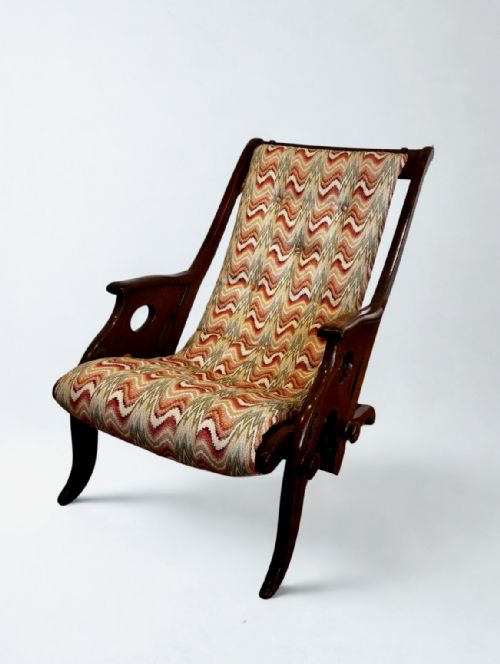
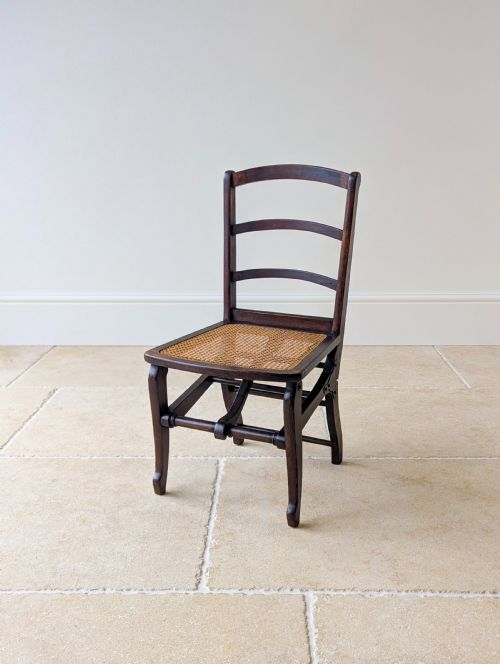


Antique Military Chair
An antique military chair is a portable, rugged seat built for travel, offering remarkable ingenuity and historic character for modern spaces.
Antique Military Chair
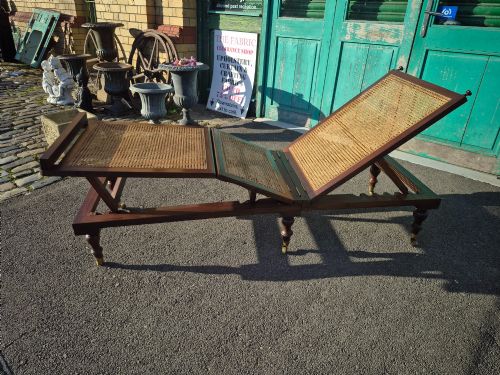
When you search for an antique military chair, you encounter a specialised form of portable furniture engineered for officers on the move during the nineteenth and early twentieth centuries. These pieces encompass campaign styles, folding armchairs, and desk chairs designed to dismantle or collapse for transport across campaigns.
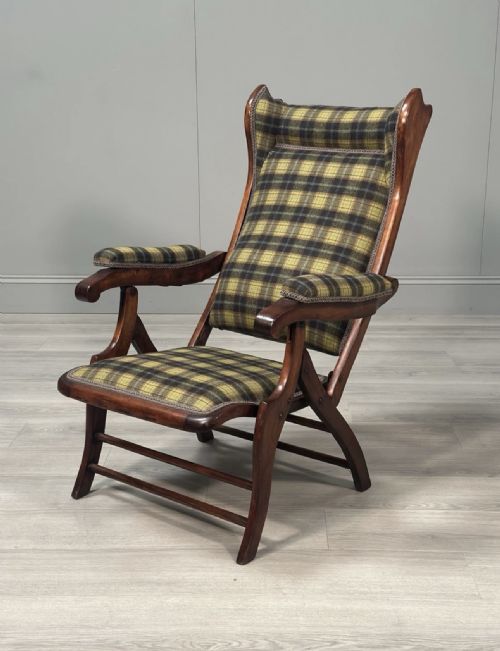
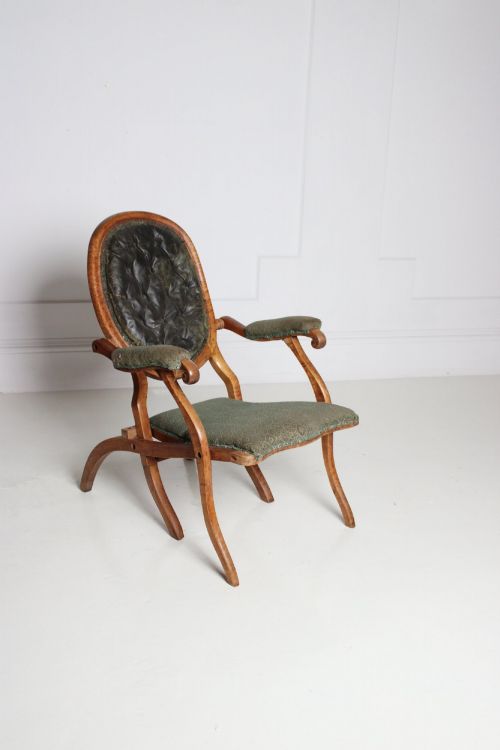
The versions most commonly met on this page span the Regency, Victorian, and Edwardian periods, often constructed as folding campaign chairs or rigid armchairs intended for colonial service and military outposts. Forms range from reclining armchairs and daybeds to side chairs and dining chairs.
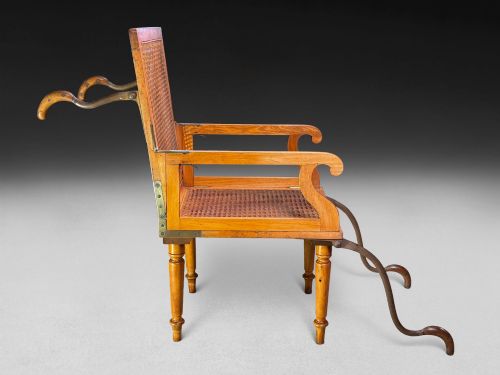
Materials recorded in these forms include mahogany, teak, rosewood, walnut, and birds eye maple, frequently paired with brass hardware. Many retain functional adjustments such as folding mechanisms or adjustable backs used by officers in the field.
Materials and construction
Construction relies heavily on durable hardwoods like mahogany, teak, rosewood, and walnut, chosen for their resilience against harsh climates and frequent transport. Cabinetmakers utilised dense timbers to withstand the rigours of military campaigns without sacrificing stability.
Metal components play a crucial structural role, with brass hinges, screws, and brackets allowing frames to fold or dismantle cleanly. Caning, leather, fabric, and cane inserts provide flexible seating surfaces that reduce weight while maintaining comfort.
Decorative elements occasionally appear alongside purely utilitarian design, including pierced carved crest rails, fluting, and bone button decorations on nineteenth-century examples. Stamped maker marks and clever folding mechanisms highlight the mechanical ingenuity inherent in these pieces.
Listings feature pieces spanning the Regency period through to the 1930s, utilising mahogany, teak, rosewood, walnut, and brass.
Assessing quality and execution
Quality in these pieces depends upon the integrity of the folding mechanisms and the precision of the brass hardware. Superior examples operate smoothly without excessive play in the joints when locked into position.
The choice of timber and the fineness of the cabinetwork distinguish finer pieces from standard utilitarian issue. Finely figured woods like birds eye maple, rosewood, and polished mahogany elevate the status of an armchair beyond basic field equipment.
Original elements such as stamped maker marks, undisturbed brass mounts, and authentic leather or cane surfaces separate untouched survivals from heavily restored or later constructed items.
J. Herbert McNair
The Antique Military Chair Glossary
- Campaign style
- Furniture designed to be easily dismantled, folded, or packed into chests for military transport. This style prioritises portability and robust construction.
- Cane
- Woven rattan material used for seats and backs. It offers lightweight flexibility and breathability in warm climates.
- Brass hardware
- Metal corners, hinges, and straps fitted to protect edges and reinforce joints. These mounts are characteristic of campaign pieces.
- Crestrail
- The top horizontal member of a chair back. It often receives decorative carving or shaping.
- Adjustable chair
- A seating form featuring mechanical ratchets or pivots allowing the backrest to recline. Officers utilised these for rest during field operations.
Antique Military Chair: Frequently Asked Questions
How do campaign chairs fold?
Many nineteenth-century examples utilise intersecting X-frame wooden supports combined with hinged brass brackets. This scissor action allows the entire seat structure to collapse flat for packing into a transit chest.
Other designs feature removable screw-in legs and knock-down components that detach completely without tools. The clever engineering ensures stability when erected while remaining compact for transport.
Were these chairs actually used in battle?
Officers purchased private purchase campaign furniture to maintain comfort during extended postings, field campaigns, and colonial service. They accompanied regiments on marches and were set up in campaign tents or temporary mess quarters.
While built robustly for harsh conditions, their primary purpose was to provide civilised living standards for commanding staff rather than direct front-line service.
How do I care for a folding wood chair?
Protect the timber by maintaining stable indoor humidity and applying occasional applications of appropriate furniture wax. Avoid forcing stiff folding mechanisms, as historical brass and dry wood can bind under undue pressure.
Check brass screws and hinges periodically to ensure they remain secure without overtightening into aged wood.
What is the difference between Victorian and Edwardian examples?
Victorian pieces, spanning much of the nineteenth century, often display rich timbers like rosewood and mahogany with robust brass mounts and sometimes ornate carving. They reflect the height of British colonial expansion.
Edwardian items from the early twentieth century tend toward lighter mahogany forms and practical desk chairs, reflecting changing administrative needs and interior aesthetics.