





19th Century Campaign Chair
A 19th century campaign chair is a portable seat built for travel, offering officers and explorers comfort away from home.
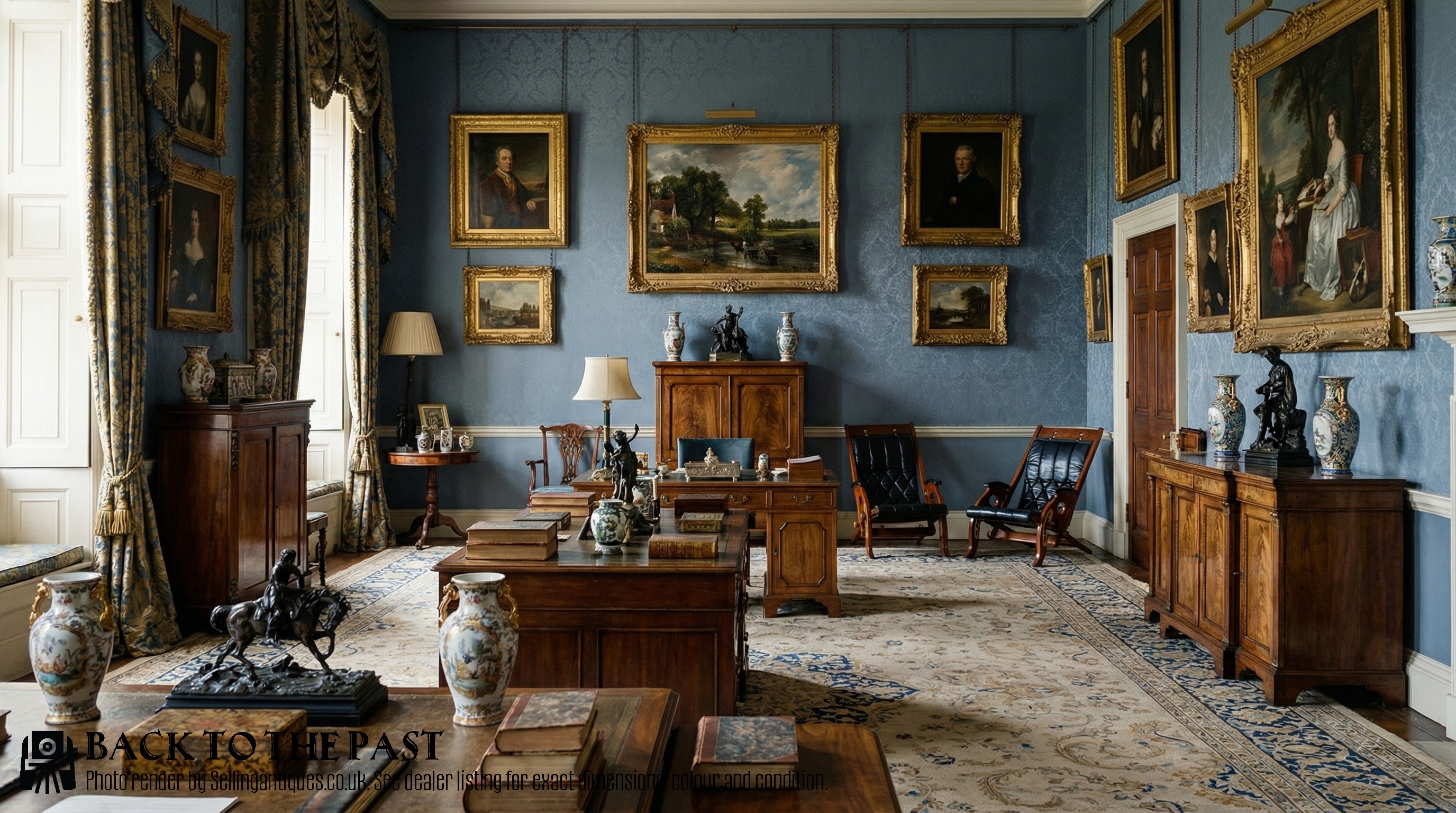
19th Century Campaign Chair
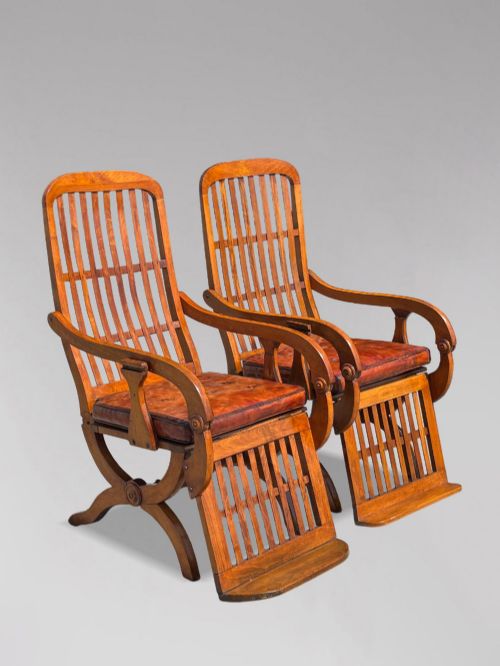
A 19th century campaign chair is a collapsible or adjustable seat designed for transport and field use during the Victorian era and earlier periods. When you search for this phrase, you encounter folding frames, reclining armchairs, and steamer chairs intended for mobility.
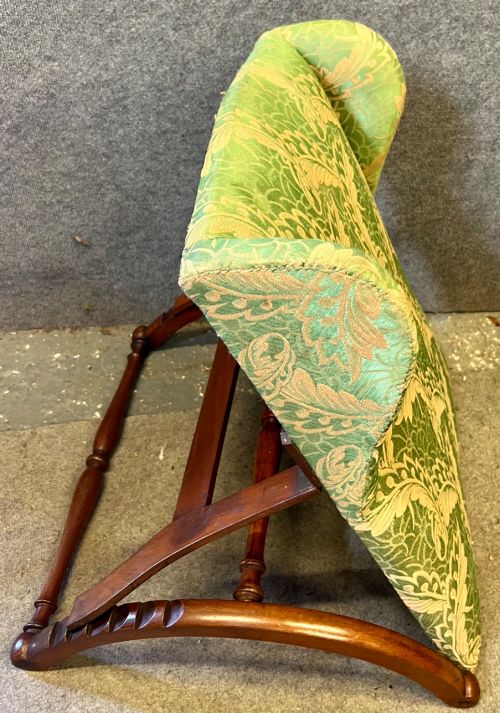
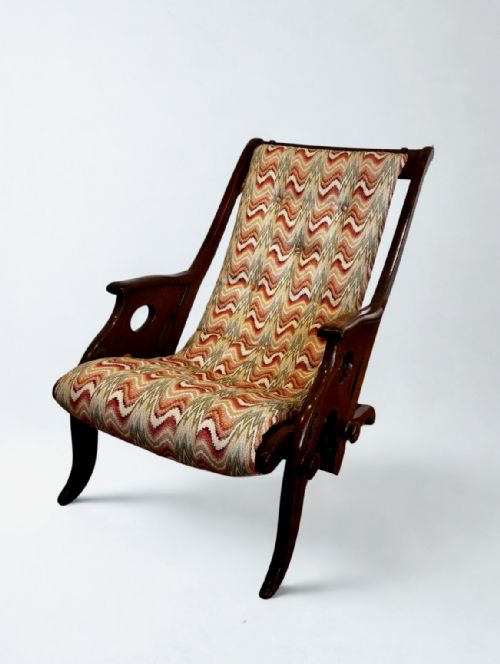
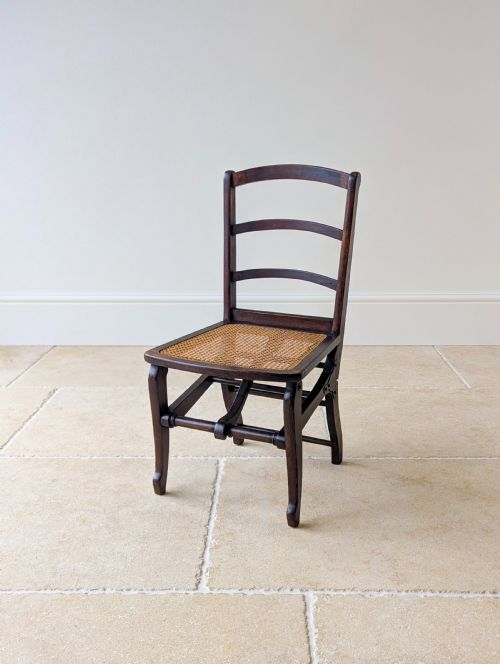
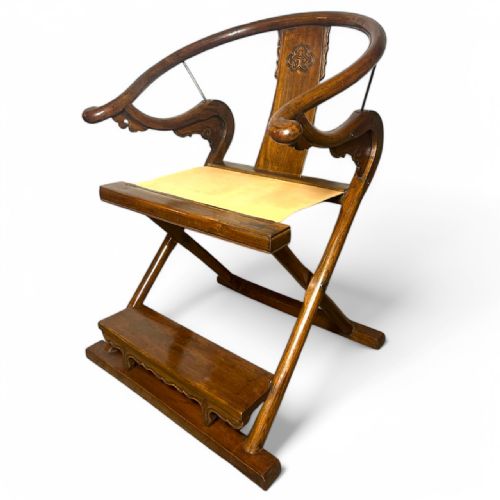
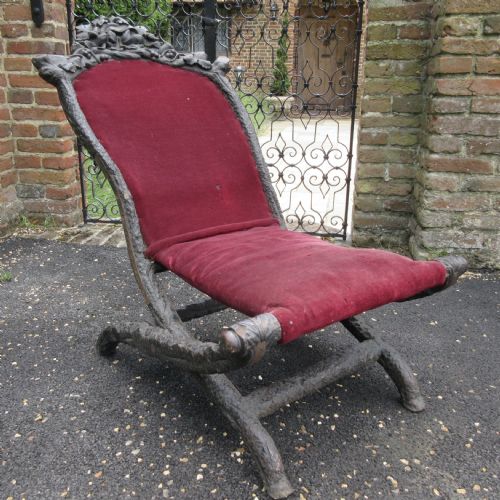
The versions you meet most frequently on this page are folding chairs and adjustable armchairs in mahogany, walnut, or hardwood, often featuring leather, iron, or textile elements. Makers adapted these forms for colonial service, domestic leisure, and travel, resulting in diverse styles from Victorian to Qing Dynasty and Black Forest.
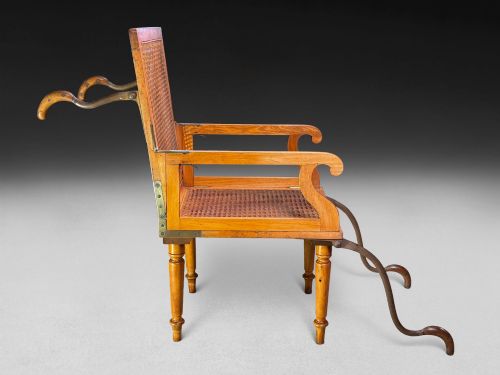
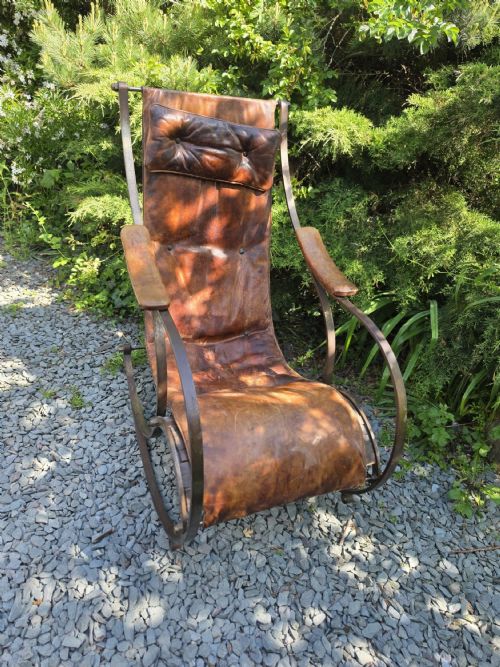
Forms range from simple folding camp chairs to sophisticated day beds and rocking chairs with adjustable backrests. They combine practical portability with the robust construction required for rugged journeys and military campaigns.
How they were made
Cabinetmakers utilised dense timbers such as mahogany, rosewood, walnut, and assorted hardwoods to withstand the rigours of transport. Brass hinges, pins, and screws allowed frames to fold flat without losing structural integrity.
Seats and backs incorporate stitched leather, woven cane, robust textiles, or fabric upholstery. Iron and steel reinforcement provided additional strength for folding mechanisms and adjustable reclining actions.
Materials recorded across the inventory include leather, brass, hardwood, mahogany, iron, textile, walnut, and fabric.
What varies in quality
The standard of a 19th century campaign chair depends upon the sophistication of its folding mechanism and the precision of its brass joints. Superior examples feature ingenious engineering that allows smooth conversion between seating and reclining positions.
Material selection and carving execution separate standard camp furniture from high-status pieces. Finely figured walnut or mahogany, detailed bone button decorations, and pierced carved crest rails indicate workshop distinction.
R W Wingfield·J Herbert McNair
The 19th Century Campaign Chair Glossary
- Campaign chair
- A portable, collapsible seat designed for military officers or travellers on active service abroad. These chairs disassemble or fold flat for transit.
- Adjustable backrest
- A mechanical feature allowing the user to alter the angle of the seat back for reading or resting. This mechanism often relies on notched wooden ratchets or brass bars.
- Folding chair
- A seat built with hinged X-frame supports that collapse together for compact storage. This design represents the core utility of field furniture.
- Steamer chair
- An extended armchair or day bed with a lengthening leg rest, popular for travel by ship or rail. They frequently utilise adjustable ladderback frames.
- Crest rail
- The top horizontal member of a chair back, often carved or shaped for visual distinction. In better pieces, this part receives decorative piercing or fine moulding.
19th Century Campaign Chair: Frequently Asked Questions
How do campaign chairs fold?
These chairs use pivoting X-frames, removable pins, or folding hinges that allow the wooden or iron structure to collapse flat. This design minimised bulk for transport in baggage trains or ships.
Many examples disassemble further into component parts, securing with brass thumbscrews or drop-in joints for compact packing.
Were these chairs actually used in battle?
Officers and colonial administrators purchased portable furniture for use in field tents, campaign encampments, and administrative outposts. Their durability suited the harsh conditions of military life.
Over time, many of these practical folding designs also transitioned into domestic use for conservatories, gardens, and travel.
How do I care for leather and wood?
Maintain the timber frames with appropriate wax polish to nourish the grain and protect the finish. Avoid placing antique hardwood near direct heat sources.
Treat original leather surfaces gently with specialist leather conditioners to prevent cracking while preserving the historic patina.
Are all campaign chairs British?
While many pieces reflect British colonial history, makers across Europe and Asia produced portable furniture. Listings include French Louis Philippe designs, Chinese hardwood folding chairs, and Black Forest carvings.
Each regional tradition adapted the folding mechanism to local aesthetic preferences and available native timbers.