



Victorian Woven Cane Chair
These Victorian woven cane chairs bring breathable textures and sturdy nineteenth-century timber frames into modern rooms.
Victorian Woven Cane Chair
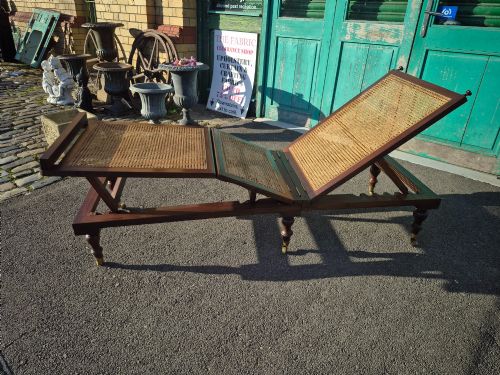
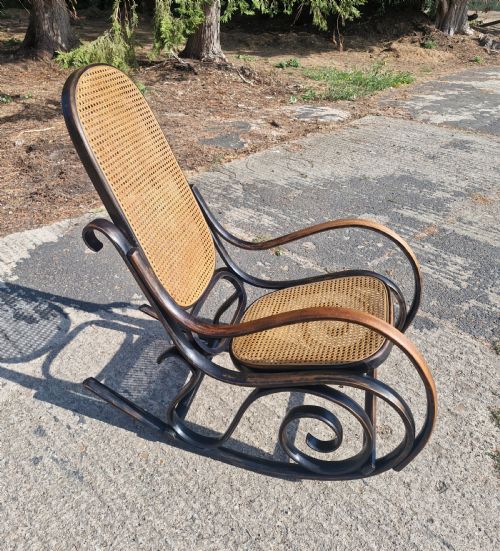
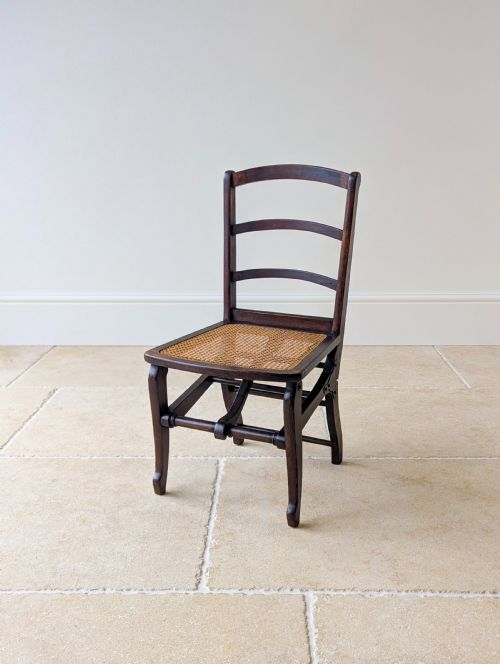
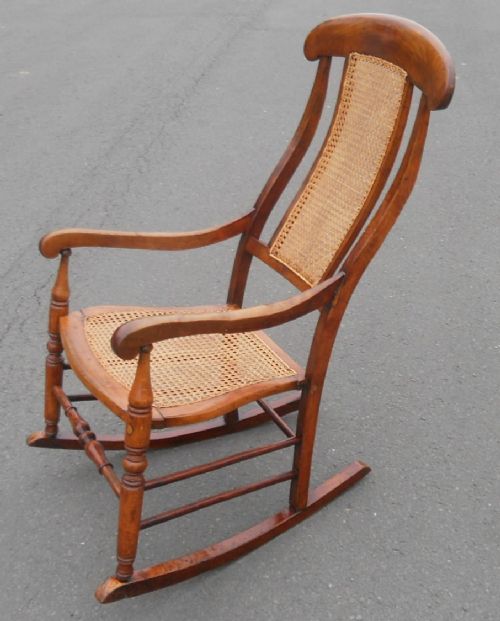
A victorian woven cane chair combines a wooden structural frame with pliable plant material threaded through the seat or back panel. The selection ranges from robust mahogany rocking chairs and walnut armchairs to side chairs, daybeds, and children's high chairs.
Most examples originate from the nineteenth century, including specific styles like Late Victorian, Colonial Campaign, and Anglo-Indian Colonial variations. Buyers will frequently encounter functional seating forms built for bedrooms, halls, and parlours.
Materials and Construction
Frames rely on hardwoods such as mahogany, walnut, oak, beech, and ebony, shaped through carving, turning, or steam-bending. Structural elements occasionally incorporate brass hardware, particularly in folding campaign designs.
Seating panels utilise natural cane or woven plant fibres threaded directly through drilled perimeter holes in the wooden rails. This method provides flexible support while maintaining a lightweight profile across various chair types.
Design styles encompass campaign daybeds, Gothic oak kneelers, and oriental lacquered elbow seats.
Assessing Quality and Craftsmanship
Quality rests upon the density and precision of the cane weave, alongside the integrity of the underlying hardwood frame. Finely carved details on walnut or mahogany structures separate standard utilitarian seating from superior parlour pieces.
The condition of the woven panel relative to the stability of the timber joints dictates the overall standard. Original frames retaining their uncompromised joinery demonstrate higher fidelity to period manufacturing methods.
The Victorian Woven Cane Chair Glossary
- Bergere
- An upholstered or caned armchair with enclosed wooden sides, common in nineteenth-century seating. This form offers a grounded, substantial silhouette.
- Cane
- Strips of peeled rattan palm woven into open or closed mesh patterns for seats and backs. It provides flexible strength and ventilation.
- Campaign chair
- Portable folding furniture designed for military use during the nineteenth century. These pieces feature collapsible timber frames and brass fittings.
- Bentwood
- Wood shaped by steaming and bending into curved forms, frequently utilised for nineteenth-century rocking and bistro chairs. This technique produces continuous flowing lines.
- Side chair
- An upright chair without arms, intended for dining or occasional use around a room. These forms appear in matched sets or pairs.
Victorian Woven Cane Chair: Frequently Asked Questions
How do I clean a cane seat?
Dust the woven surface gently using a soft brush or a vacuum attachment on a low setting.
Occasionally wipe the cane with a damp sponge and warm water, allowing it to dry completely to restore elasticity.
Can I sit on an antique cane chair daily?
Most nineteenth-century chairs remain sturdy enough for regular use provided the weave and frame are sound.
Avoid placing excessive localized weight on the centre of older panels to prevent snapping the natural fibres.
How do I date a cane chair accurately?
Examine the timber species, joinery methods, and the style of the turned or carved wooden frame.
Period markers such as campaign brass hinges or specific Victorian revival motifs help narrow the decade of manufacture.