


Antique Wooden Campaign Chair
An antique wooden campaign chair is a collapsible folding seat built for travel, offering portability without sacrificing traditional comfort.
Antique Wooden Campaign Chair
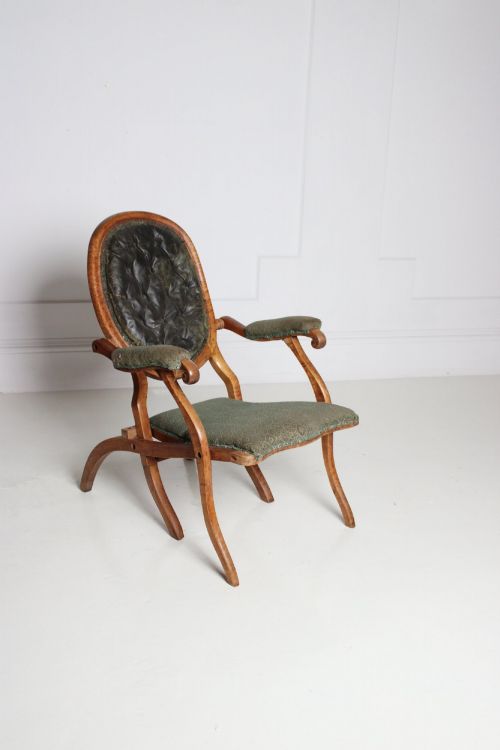
An antique wooden campaign chair is a clever folding seat originally designed for officers on the move during military campaigns abroad. These portable pieces combine sturdy timber frames with folding mechanisms that allow the chair to collapse neatly for transport.
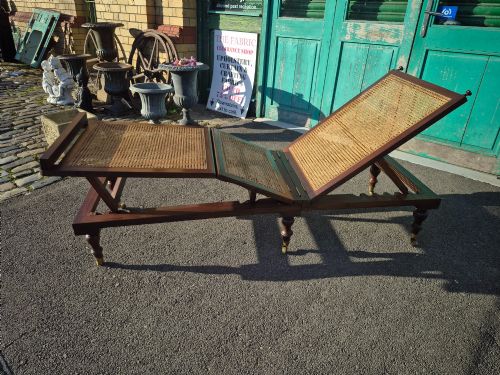
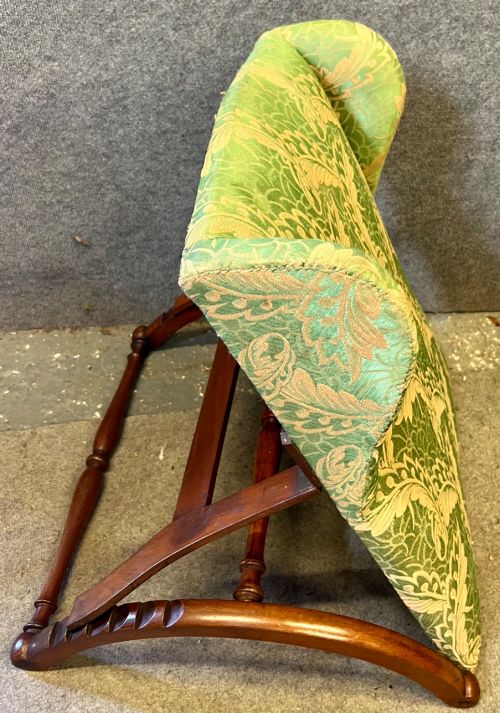
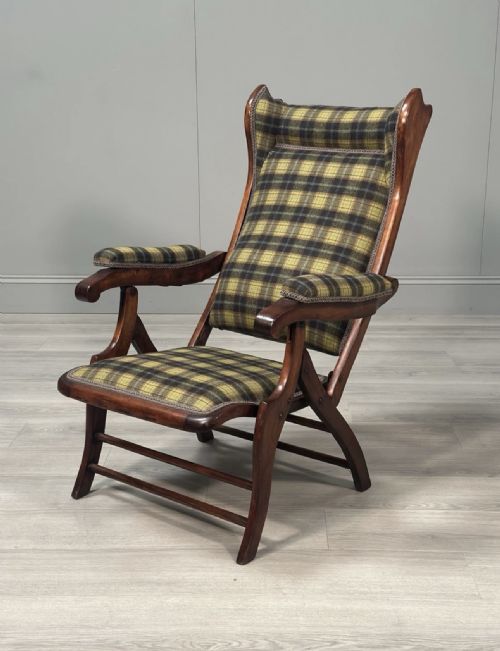
Buyers browsing this selection will most commonly encounter 19th century and Edwardian examples, including Victorian folding chairs, steamer deck chairs, and daybeds. These pieces often feature adjustable backrests and collapsible frames tailored for both travel and leisure.
Originating from British colonial and military contexts, these chairs reflect styles such as Victorian Campaign and Anglo-Burmese Colonial. They bridge the gap between utilitarian military equipment and comfortable domestic lounging furniture.
How they were made
Craftsmen built these portable chairs using dense hardwoods like mahogany, walnut, and birds eye maple to withstand rigorous travel. These timbers were paired with brass hinges, screws, and brackets that allowed the frames to fold smoothly without losing structural integrity.
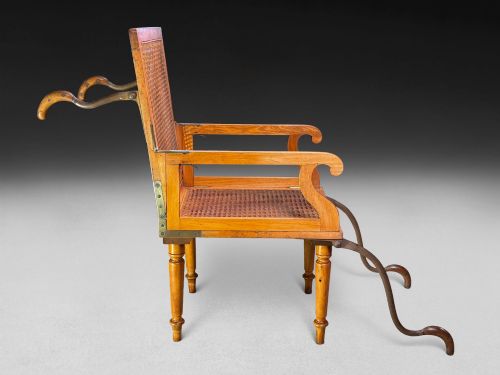
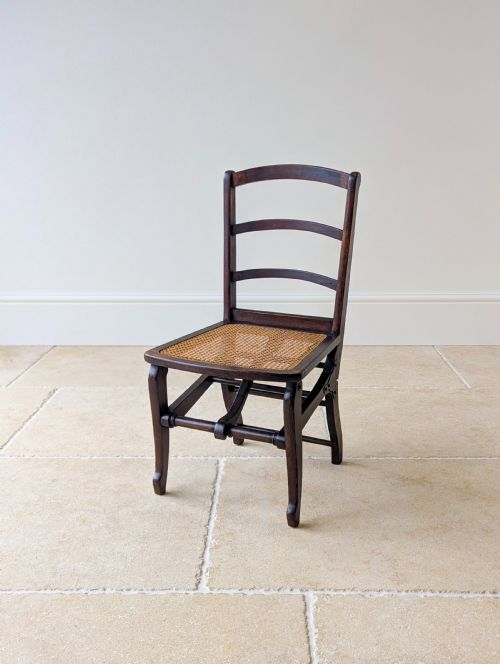
Seating surfaces and supports frequently incorporated woven cane, fabric upholstery, and iron or metal hardware for flexibility and strength. Decorative touches such as bone button decorations, pierced carved crest rails, and fluting appeared on finer domestic adaptations.
Object types span armchairs, accent chairs, daybeds, adjustable backrests, side chairs, and steamer deck chairs.
What varies in quality
The sophistication of the folding mechanism often separates standard folding camp furniture from superior examples. Smooth, reliable movement in the hinges and adjustable backrests indicates thoughtful design and careful workshop execution.
The choice of timber and secondary materials dictates the overall calibre of the piece. Dense hardwoods like walnut and mahogany, combined with detailed carving and quality brass fittings, elevate a chair from a simple utility seat to a refined piece of campaign furniture.
The Antique Wooden Campaign Chair Glossary
- Campaign chair
- A portable, folding seat designed for easy dismantling or collapsing during military campaigns or travel. These chairs use hinged wooden frames to achieve compactness.
- Adjustable backrest
- A mechanical feature allowing the user to alter the angle of the chair back for sitting upright or reclining. It is commonly operated via ratchets or notched wooden supports.
- Steamer deck chair
- A type of reclining lounge chair fitted with folding wooden slats and sometimes extended leg rests. They gained popularity for travel on ocean liners and trains.
- Cane
- Woven rattan material used to form breathable seats and backs on wooden frames. It offers flexibility and lightness suitable for warm climates.
Antique Wooden Campaign Chair: Frequently Asked Questions
What is an antique wooden campaign chair?
An antique wooden campaign chair is a collapsible folding seat originally built for military officers and travellers on the move. These pieces use clever folding mechanisms and durable timbers to combine portability with comfort.
They appear in various forms across the 19th century and Edwardian periods, ranging from simple folding armchairs to adjustable steamer deck chairs and daybeds.
How were campaign chairs used originally?
These chairs were utilised by military officers, colonial administrators, and travellers who required comfortable seating that could pack down easily for transport. Their collapsible wooden frames allowed them to be loaded onto wagons or ships alongside other campaign baggage.
Over time, many of these portable designs transitioned from active service into domestic use on verandas, lawns, and aboard ocean liners.
How do I care for a wooden campaign chair?
Keep wooden campaign furniture away from direct heat sources and fluctuating humidity to prevent the timber and cane from drying out. Treat the wood with suitable furniture wax and handle folding mechanisms with care.
Inspect brass hinges and iron hardware periodically to ensure moving parts remain clean and operate smoothly without forcing the joints.
How can I identify the period of a campaign chair?
Dating relies on examining the timber species, metal fittings, and style characteristics recorded in the construction. Pieces from the Regency and mid-19th century often display heavy mahogany frames, whilst Edwardian and later 1910 examples include walnut steamer deck chairs and adjustable ladderbacks.
Look for construction details such as brass screws, cane work, and carved crest rails that align with Victorian and colonial design traits.