




Reclining Campaign Chair
A reclining campaign chair brings portable comfort home, offering adjustable posture and clever folding designs built for travel.
Reclining Campaign Chair
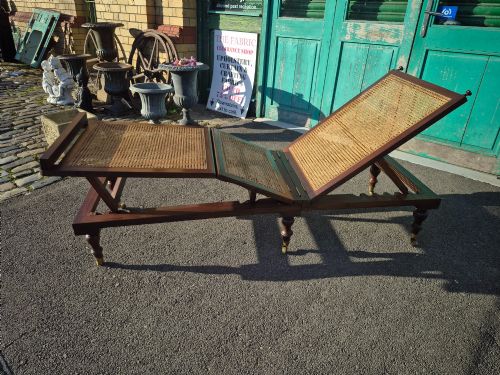
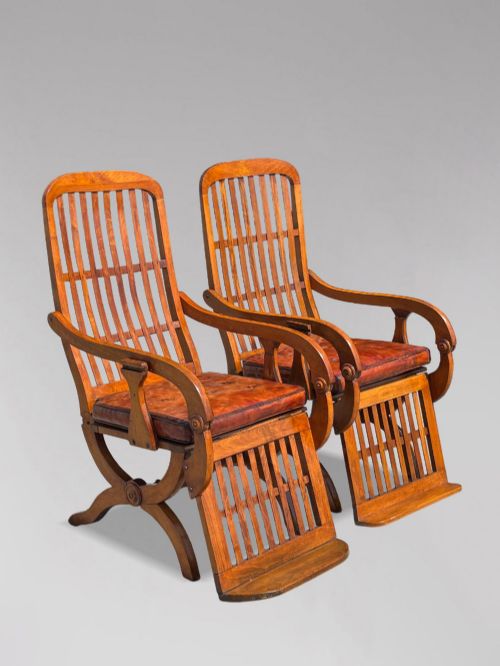
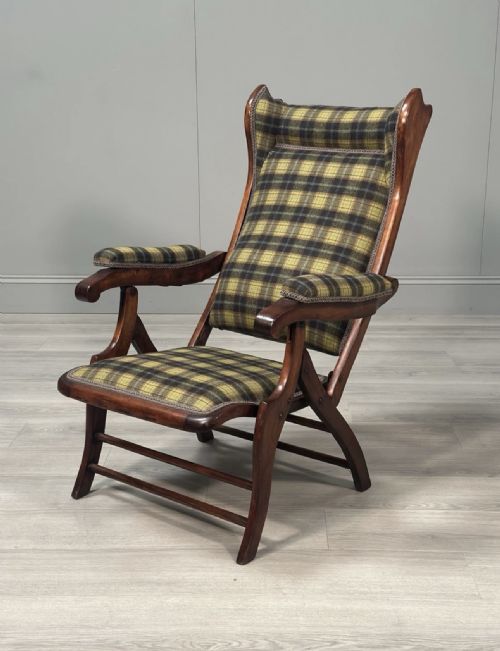
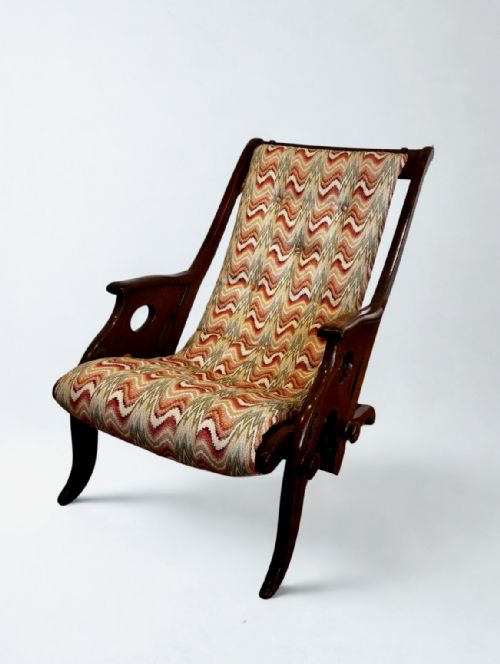
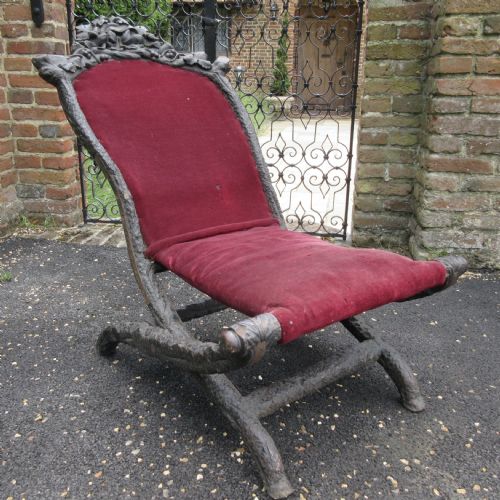
When you search for a reclining campaign chair, you are looking at seating designed originally for officers on the move, which translates today into adaptable lounge furniture. The pieces on this page span the nineteenth century, the Edwardian era, and up to nineteen-ten, taking forms such as armchairs, daybeds, and steamer deck chairs.
You are most likely to meet folding armchairs and adjustable loungers from the Victorian period, alongside colonial campaign pieces and Arts and Crafts examples. These chairs utilise clever mechanics like adjustable backrests and ladderbacks to shift between upright seating and relaxed lounging.
Originating as practical field equipment, these items turn up in various regional styles, including Anglo-Burmese, Black Forest carved designs, and Colonial campaign interpretations. They offer a versatile seating option that combines historical folding utility with deep-seated comfort.
How they were made
Cabinetmakers built these chairs using dense timbers such as mahogany, walnut, rosewood, and cane, selecting materials that could endure regular folding and transport. Brass fittings provided the necessary joints and hinges for the collapsible frames.
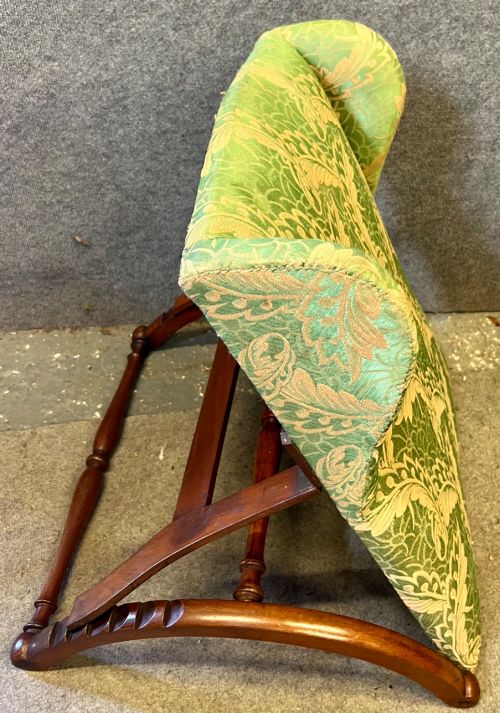
Upholstery materials included leather, fabric, and wool, paired with adjustable mechanisms like castors and folding supports. Carved details appeared on specific regional pieces, whilst bergère cane work offered lightweight durability for steamer chairs.
Listings feature items from the Regency period through to nineteen-ten, spanning solid rosewood, walnut, mahogany, and cane.
What varies in quality
The sophistication of the folding mechanism and the rigidity of the frame separate standard folding seats from superior adjustable armchairs. Solid timbers like rosewood and finely carved walnut represent the higher tier of production.
The integration of brass hardware and the preservation of original cane or upholstery materials dictate the standing of an individual piece. Robust ladderback construction and smooth adjustment action signal thoughtful craftsmanship.
J. Herbert McNair·J Shoolbred
The Reclining Campaign Chair Glossary
- Campaign chair
- A portable, folding chair designed for military officers on the move. These pieces prioritise collapsible frames and sturdy construction.
- Steamer chair
- A lounge chair often featuring a folding timber frame and extended footrest for travel use. They frequently utilise cane or wood slats.
- Bergère
- A style of chair featuring woven cane panels on the back or sides. This technique provides a lightweight yet supportive structure.
- Ladderback
- A chair back featuring horizontal wooden slats arranged in a ladder formation. This design often incorporates adjustable reclining angles.
- Castors
- Small wheels attached to the legs of furniture to ease movement. They appear on specific nineteenth-century armchairs for practical mobility.
Reclining Campaign Chair: Frequently Asked Questions
How do you fold a campaign chair?
Most folding campaign chairs utilise hinged wooden X-frames or collapsible bracing supports that allow the seat to fold flat for transport. Users simply lift or release the locking pins and fold the arms inward toward the base.
Heavier adjustable versions with mechanical backrests require disengaging the rear strut from its ladderback slots before collapsing the frame down.
What is a steamer deck chair?
A steamer deck chair is a long, folding lounge seat originally designed for ocean liner travel and outdoor relaxation. They feature extended leg rests and flexible wooden or cane slats that contour to the body.
These chairs fold compactly for storage on deck and often include adjustable back angles to shift between sitting and lying.
Where were campaign chairs used?
Campaign chairs were originally commissioned by military officers, diplomats, and travellers on active service across the British Empire. They provided portable, comfortable seating that could travel easily across rough terrain.
Over time, these practical designs moved from field tents into colonial verandahs and domestic homes, where their folding utility remained popular.
How do I date a campaign chair?
Dating a campaign chair involves examining the timber used, the style of the brass fittings, and the complexity of the folding mechanism. Regency and early nineteenth-century pieces often display mahogany frames with simple folding X-shapes, whilst Victorian and Edwardian examples introduce castors and elaborate carved details.
Makers' attributions, patent stamps, and specific styles like Arts and Crafts or Black Forest carving also help narrow the period of manufacture.