

Pattern Upholstered Armchair
A pattern upholstered armchair brings texture and history to a room, offering both traditional comfort and distinct decorative presence.
Pattern Upholstered Armchair
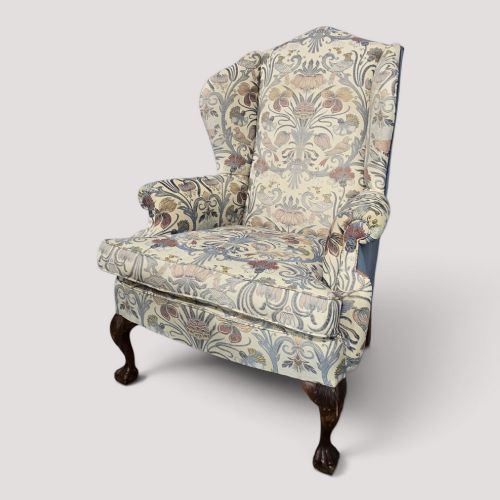
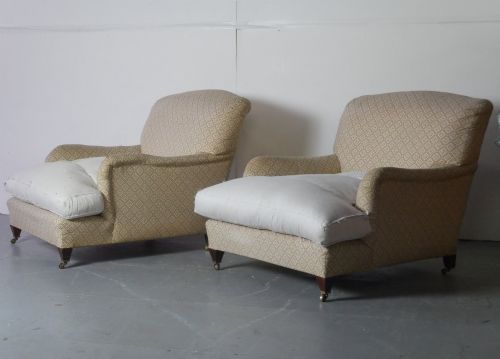
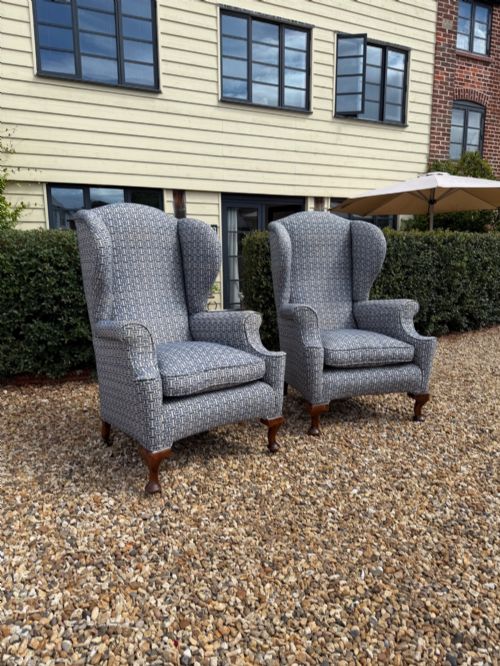
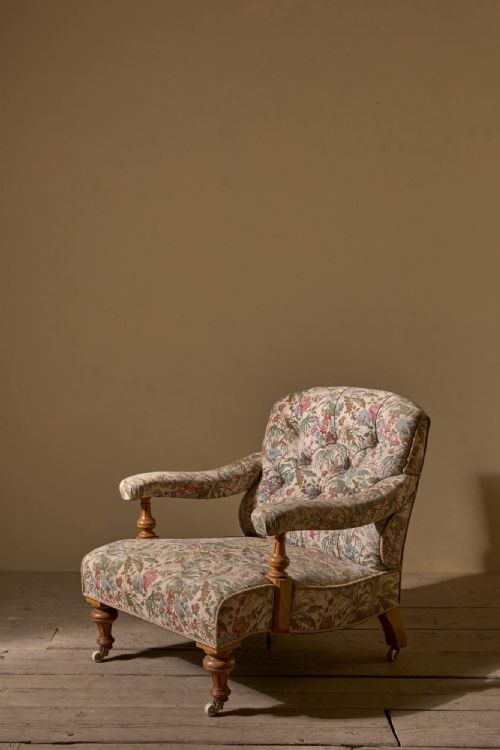
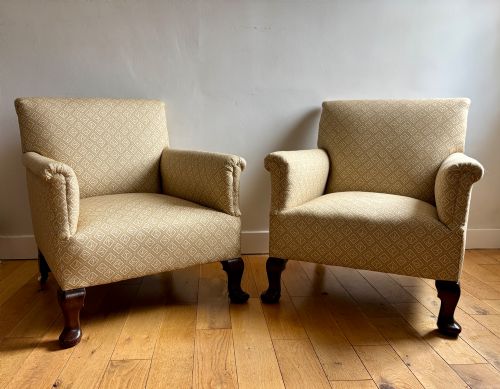
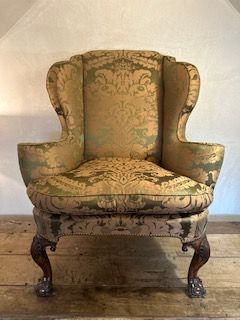
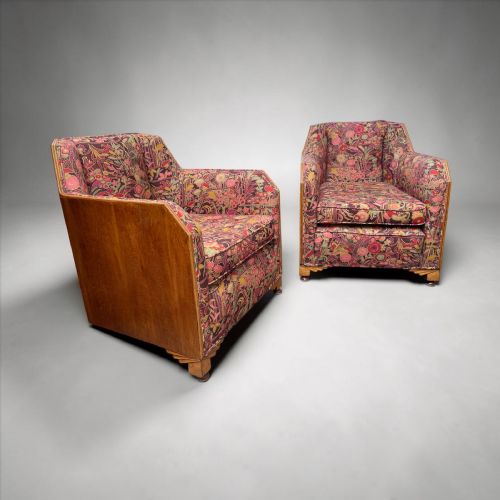
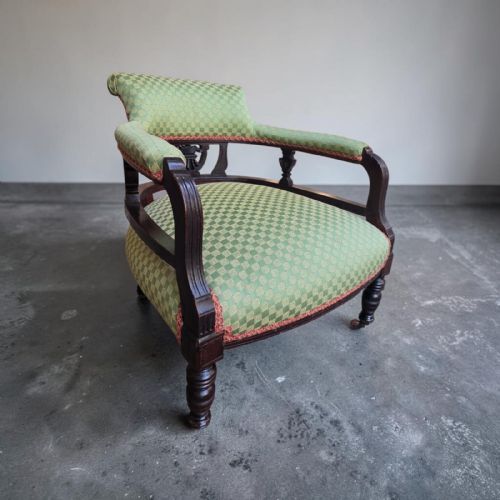
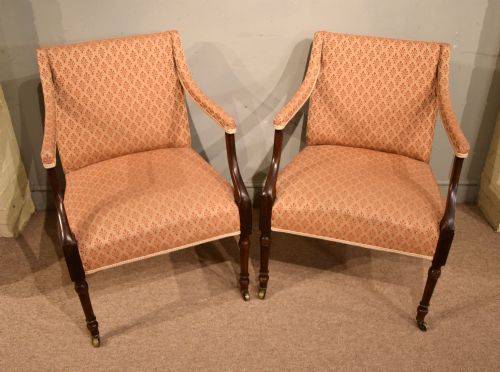
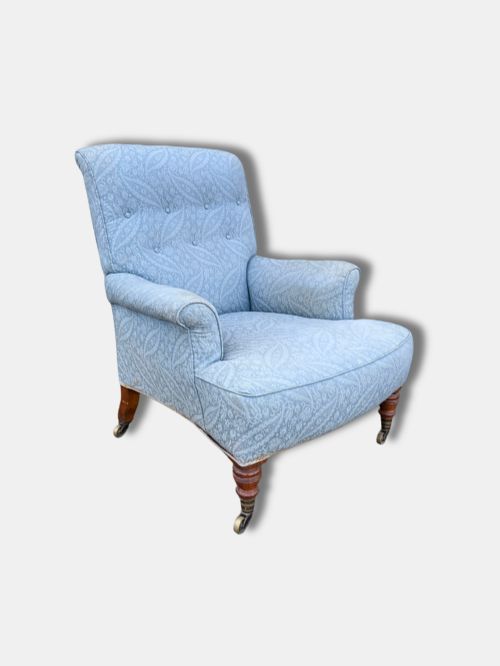
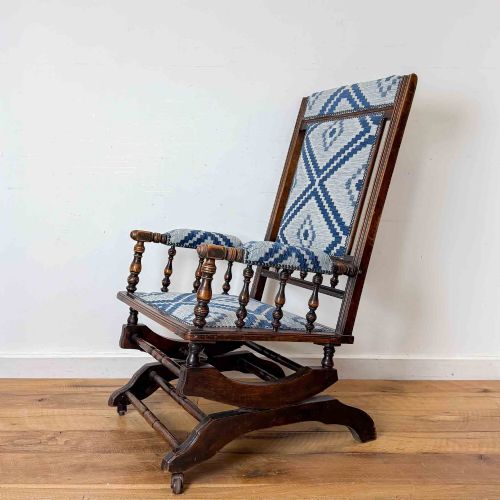
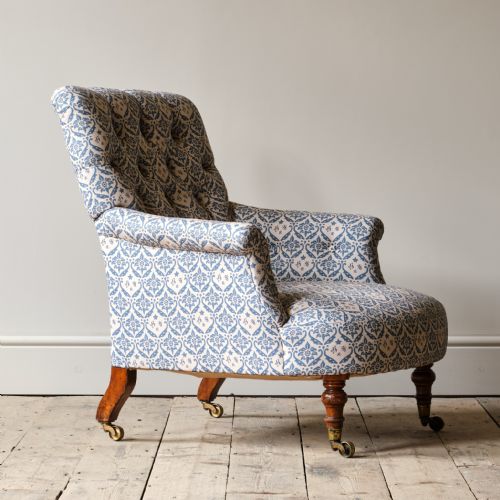
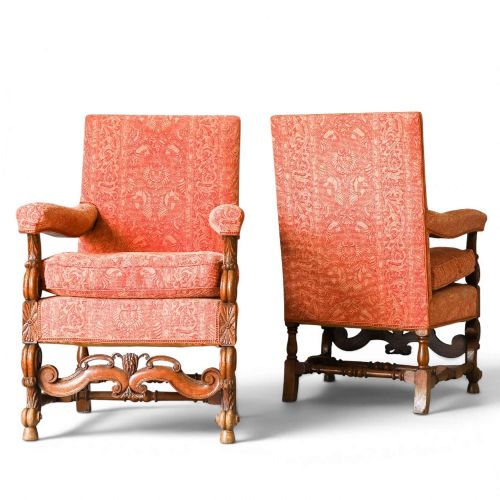
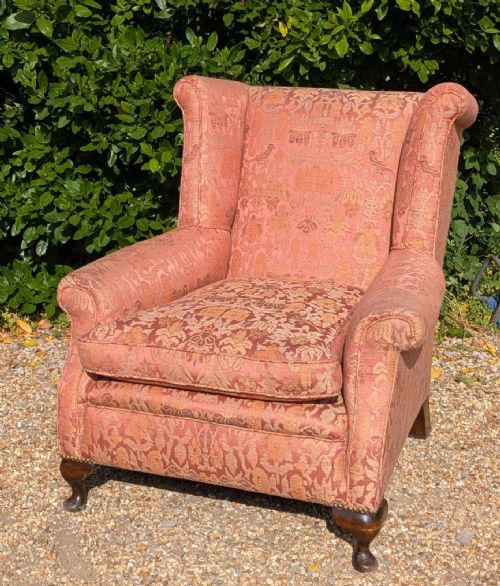
A pattern upholstered armchair provides a comfortable seat wrapped in patterned textile, uniting structural woodwork with decorative fabric. Buyers seeking a pattern upholstered armchair will find pieces spanning from the eighteenth century to the mid-twentieth century, including Victorian tub chairs, Edwardian designs, and Art Deco seating.
Makers such as Howard and Sons, Whytock & Reid, and Holland & Sons represent the higher tier of these seating options. Buyers also encounter English country house styles, French Empire fauteuils, and contemporary plaid or patterned fabric revivals.
Materials and construction
These armchairs rely on sturdy internal frames built from hardwoods such as mahogany, walnut, and general timber. Joinery traditions dictate the stability of the frame, supporting sprung or feather-filled interiors beneath the outer textile.
The outer layer consists of upholstery fabric, textile, and occasionally leather, secured with brass detailing or traditional tacks. Patterned coverings range from historical weaves to modern wool plaids applied during restoration.
Some Victorian tub chairs were built low to the floor so ladies could sit comfortably while wearing voluminous crinoline skirts.
Assessing craftsmanship and finish
Quality separates the handmade, maker-stamped frame from standard production through the precision of the joinery and the resilience of the internal stuffing. Pieces retaining original manufacturer markings or specific maker stamps command greater attention from collectors.
The distinction also lies in the execution of the woodwork, from carved mahogany details to bentwood shaping, coupled with the harmony and alignment of the patterned textile applied across the arms, back, and seat.
Howard and Sons·Whytock & Reid·Holland & Sons·Heals
The Pattern Upholstered Armchair Glossary
- Wingback armchair
- A large seat featuring protective side panels designed to shield the sitter from draughts near a fireplace. These chairs often showcase deep upholstery and substantial wooden legs.
- Tub chair
- A compact armchair with a rounded, curved back that flows continuously into low arms. This form provides a snug and enclosed seating experience.
- Fauteuil
- An open-arm armchair originating in France, characterised by exposed wooden framing around the upholstered back and seat. The arms typically feature padded elbow rests.
- Gainsborough chair
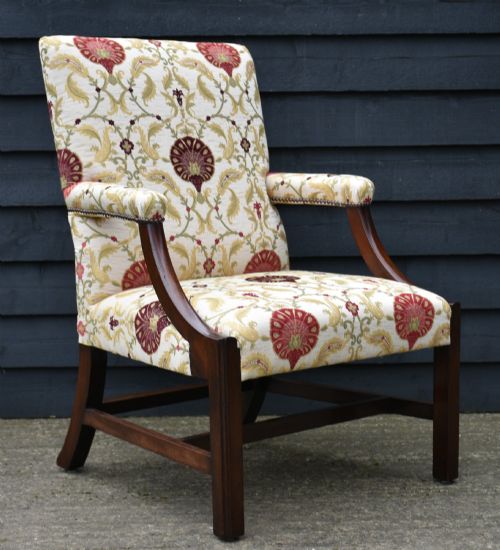
- A wide, low-slung mahogany armchair with an upholstered back and seat, open arms, and square legs. It dates originally to the mid-eighteenth century.
- Slipper chair
- A low-seated bedroom chair traditionally used by ladies while dressing. The lack of arms allowed bulky historical garments to fit comfortably.
Pattern Upholstered Armchair: Frequently Asked Questions
How do I date an antique armchair?
Dating relies on examining the timber species, joinery techniques, and the style of the legs and arms. Revivals often copy earlier centuries, so structural wear helps confirm age.
Upholstery methods and webbing materials also change over time, offering further clues to the period of manufacture.
What is a Howard and Sons armchair?
Howard and Sons was a renowned London-based upholstery firm operating during the Victorian and Edwardian eras. Their chairs are celebrated for supreme comfort and distinct branded ticking.
Collectors prize marked examples for their exceptional joinery and traditional stuffing techniques.
Are these chairs suitable for daily use?
Most antique and vintage armchairs remain robust enough for regular sitting if the internal frame is sound. Feather-filled cushions and traditional springs offer durable support.
Buyers often select pieces with new upholstery to ensure the fabric matches contemporary domestic wear requirements.
How do I choose the right pattern?
Pattern choice depends on the existing interior scheme and the historical period of the chair. Traditional wool plaids, damasks, and floral textiles suit country house or revival pieces.
Art Deco and mid-century frames pair well with geometric designs or plain textured weaves that highlight the curved woodwork.