


Victorian Fluted Column Stand
A Victorian fluted column stand brings classical architecture indoors, serving as a sturdy stage for plants, lamps, or sculpture.
Victorian Fluted Column Stand
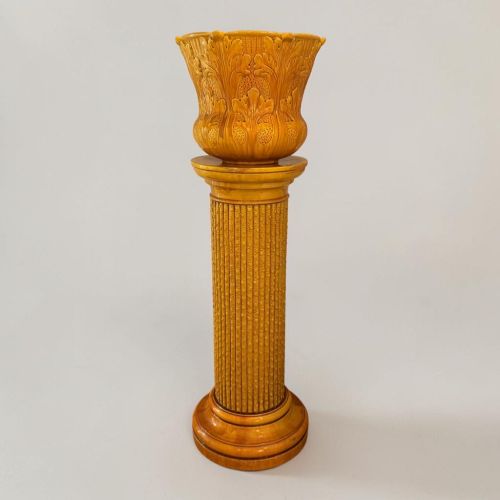
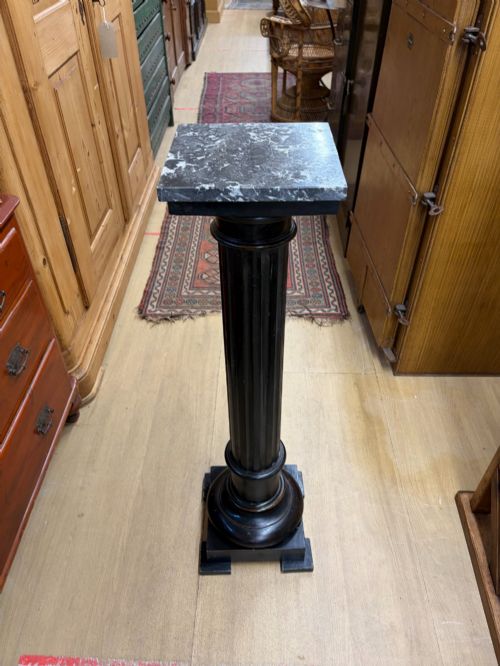
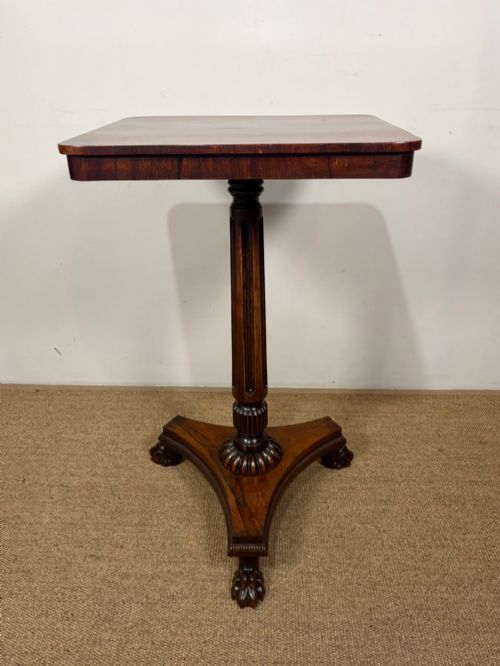
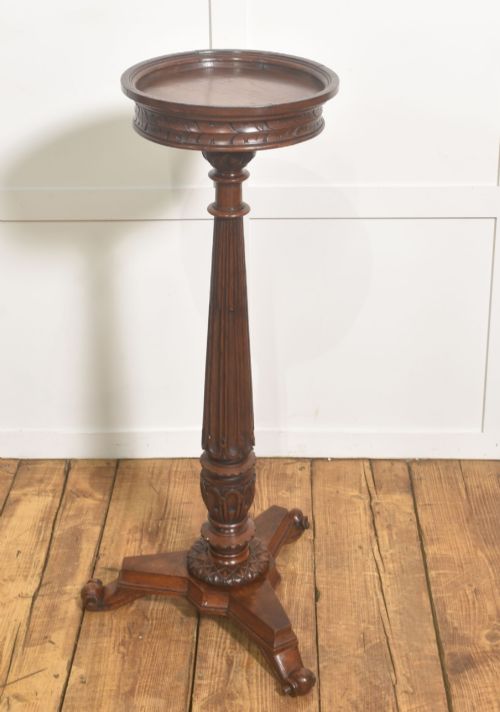
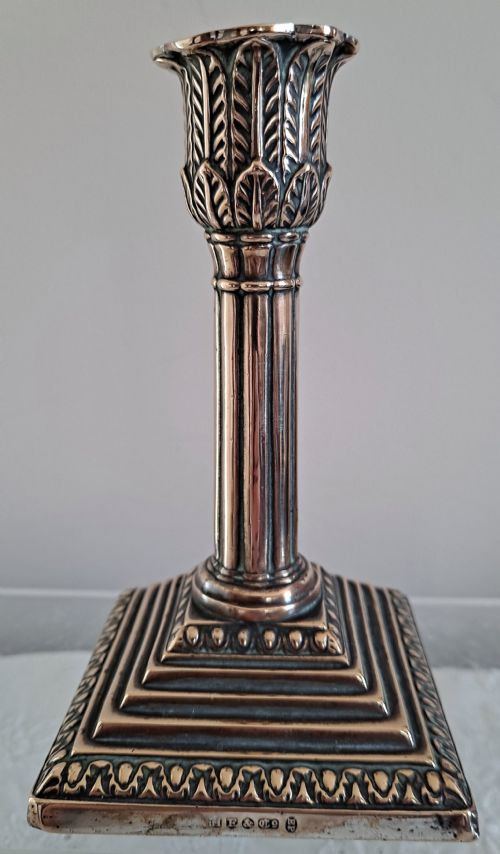
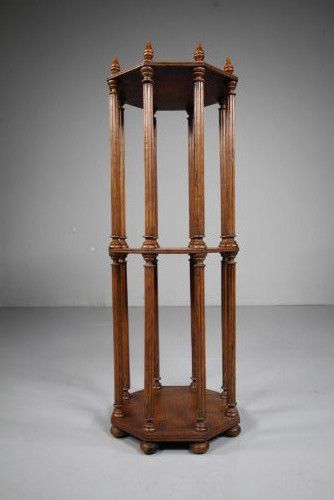
A Victorian fluted column stand uses classical architectural motifs scaled down for domestic interiors, functioning as a pedestal, torchère, or lamp base. When searching for a victorian fluted column stand, buyers encounter tall timber pillars and stone-topped supports shaped by nineteenth-century revival styles. These upright furnishings lift decorative items to eye level in a hallway or parlour.
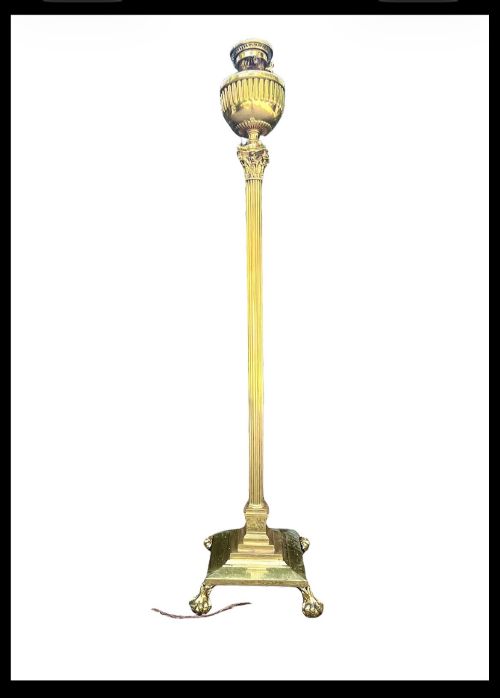
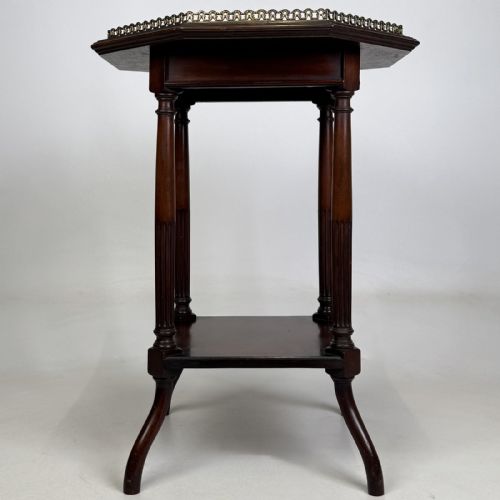
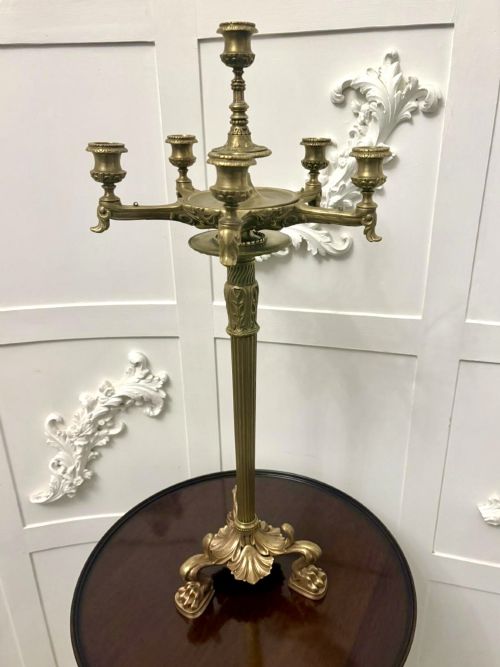
The selections on this page span the nineteenth century into the Edwardian era, incorporating mahogany, ebonised wood, and marble. Tall mahogany torchères and ebonised pedestals sit alongside brass floor lamps and heavy stone columns. Many pieces adopt neoclassical or William IV revival designs, reflecting a persistent Victorian appetite for ancient forms.
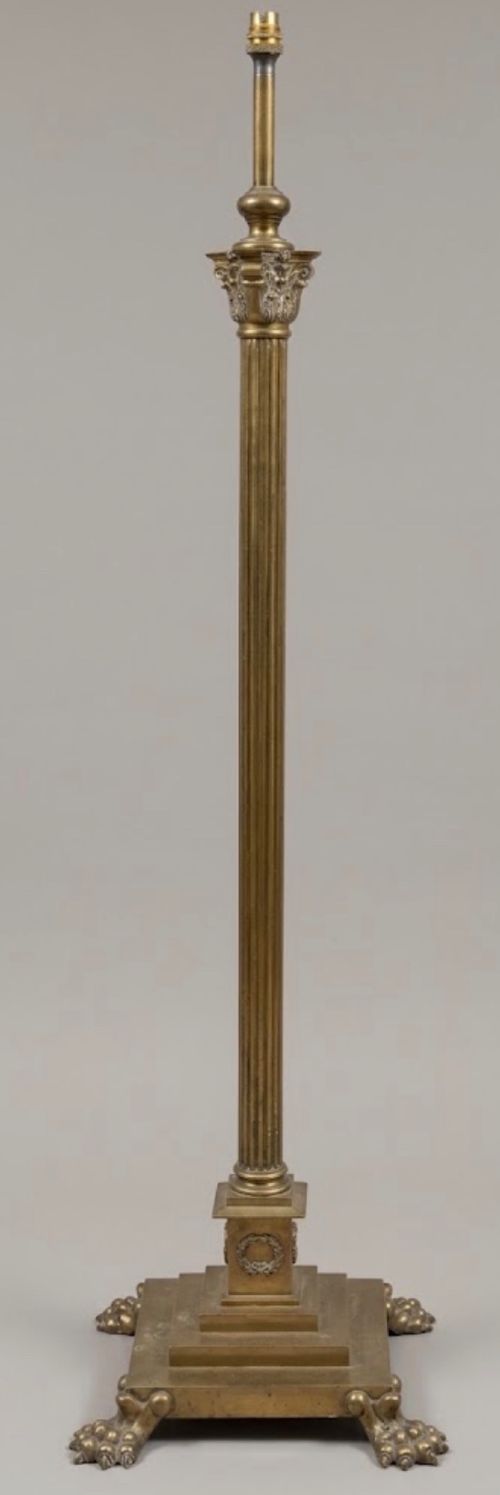
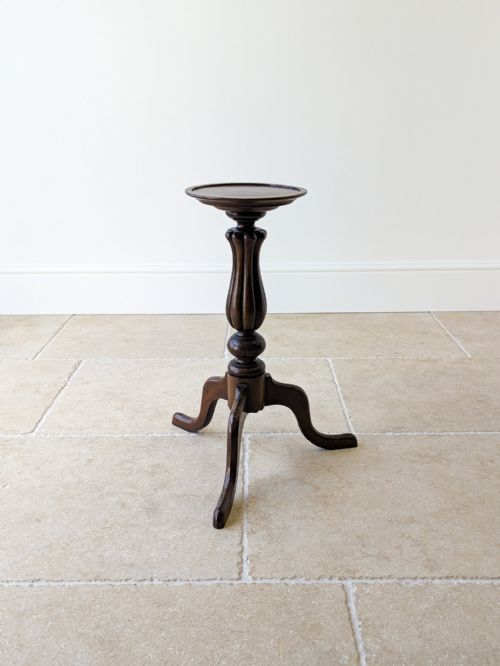
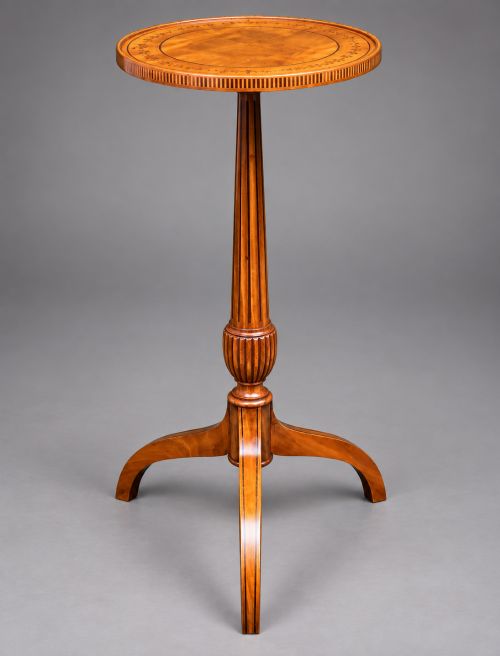
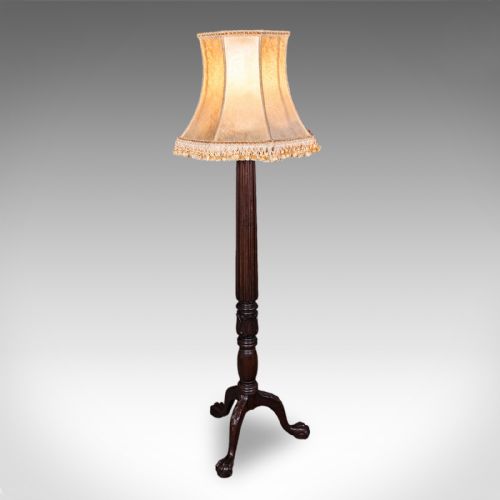
Forms vary from simple cylindrical pillars to elaborate tripod-based plant stands and tall torchères. Certain examples feature inset marble tops designed to hold heavy vessels or damp plant pots safely. Others double as standard lamps, combining vertical fluting with metal column shafts and electrical fittings.
Distinctions in craftsmanship and design
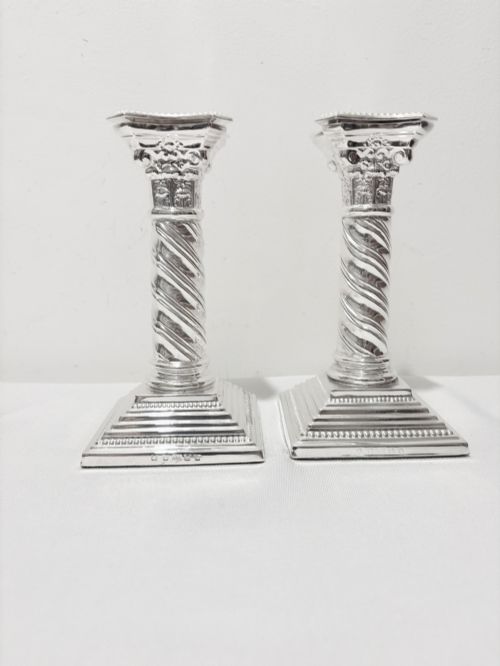
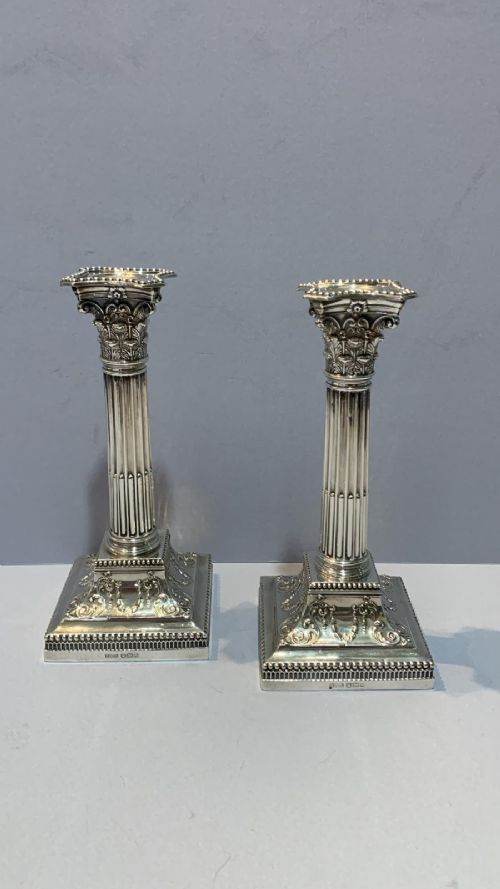
Superior execution shows in the crispness of the fluting and the precise carving of classical capitals, whether Corinthian or Adam revival. Lesser examples rely on soft mouldings or simpler turned posts with minimal detail.
Materials dictate upper tiers of quality, seen in heavy serpentine marble tops, solid mahogany, and substantial gilt bronze or cast brass mounts. Thin veneers over secondary pine or lighter construction mark out simpler domestic pieces.
Structural integrity separates ordinary stands from exceptional ones, particularly in the weight distribution of tall torchères and standard lamps. A heavy, stable base ensures the upright column stands true without leaning over time.
Victorian Fluted Column Stand Retail Price Guide 2026
Typical asking prices for victorian fluted column stand among the pieces listed under this phrase on Sellingantiques today, from the lower quarter to the upper quarter. They describe what is for sale here now, not the wider market.
A weighty marble top ensured your heavy fern stayed upright even when the household butler rushed past with the tea trolley.
James Pinder Co of Sheffield·Hinks
The Victorian Fluted Column Stand Glossary
- Torchere
- A tall stand or pedestal designed to support a lamp, candle, or decorative urn. These upright furnishings became popular in grand interiors during the nineteenth century.
- Fluting
- Vertical parallel grooves carved into the shaft of a column or pillar. This classical decorative technique adds visual rhythm and elegance to timber and stone.
- Corinthian
- An architectural order identified by ornate capitals decorated with acanthus leaves. This motif appears frequently on brass standard lamps and column pedestals.
- Ebonised
- Wood treated with a dark stain or finish to imitate ebony. This technique created a sharp, formal appearance favoured in Victorian decorative arts.
- Jardiniere
- An ornamental pot or stand for holding plants and flowers. These vessels often sat atop majolica or ceramic columns in nineteenth-century parlours.
Victorian Fluted Column Stand: Frequently Asked Questions
What is a Victorian fluted column stand used for?
These tall stands function primarily as pedestals for displaying sculpture, decorative urns, and house plants. They also serve as upright supports for oil lamps or electric standard lighting.
In period homes, positioning a heavy object on top provided both elevation and stability. The flat upper surface protected fine furniture by keeping potted plants and damp items contained.
How do I date a Victorian column stand?
Dating relies on identifying timber species, revival styles, and construction techniques typical of the nineteenth century. Mahogany and rosewood pieces often align with mid-century production, while ebonised finishes and specific revival motifs point toward later decades.
Examining the turning quality and any metal mounts helps narrow down the manufacturing window. Standard lamps with electrical conversions usually indicate later adaptations or Edwardian production.
Are marble-topped stands original?
Many nineteenth-century pedestals and column tables featured inset marble tops to handle moisture from plants or heat from lamps. These stone inserts were integrated during initial construction to provide a durable, wipe-clean surface.
Checking the underside reveals how the marble slab sits within the wooden framework. Original tops fit flush and rest securely upon internal wooden supports.
How do I care for a mahogany column stand?
Routine maintenance involves dusting with a dry, soft cloth to prevent grime accumulation on the fluted surfaces. Avoid placing timber stands in direct sunlight or near heat sources to prevent wood splitting.
Applying appropriate furniture wax periodically nourishes the wood and preserves the grain. Marble tops require simple wiping with a damp cloth and mild soap, avoiding acidic cleaners.