


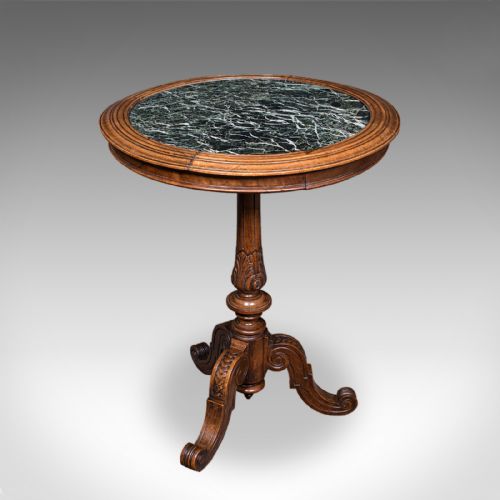
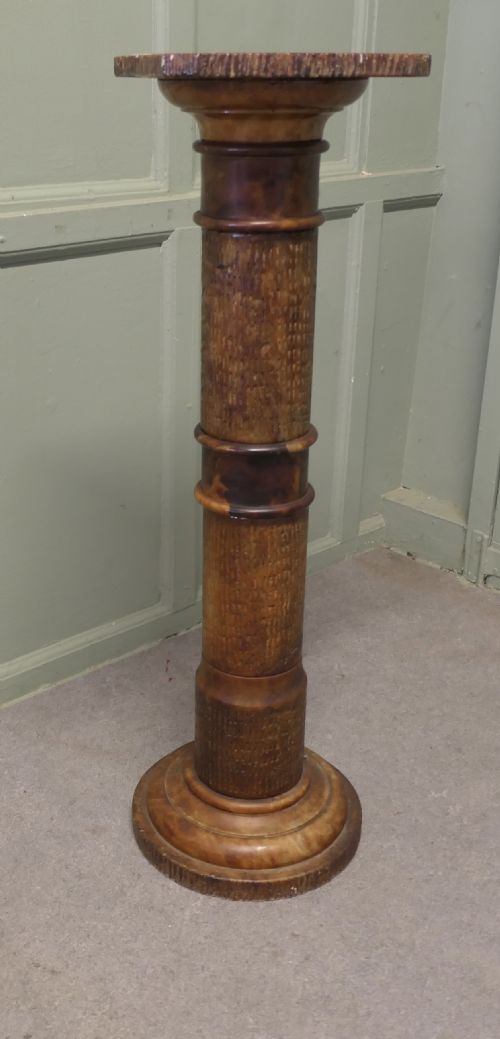

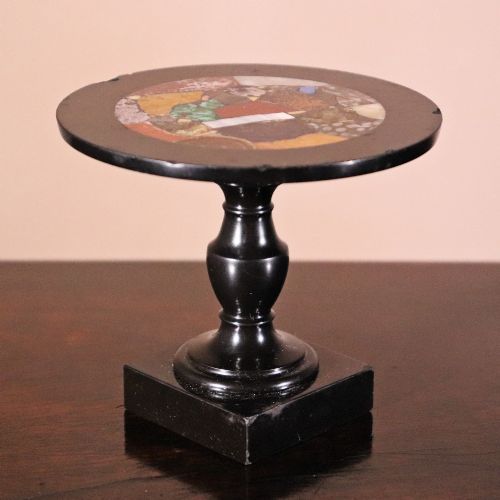
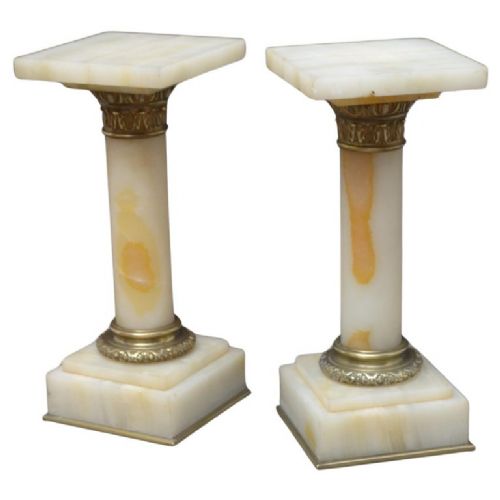


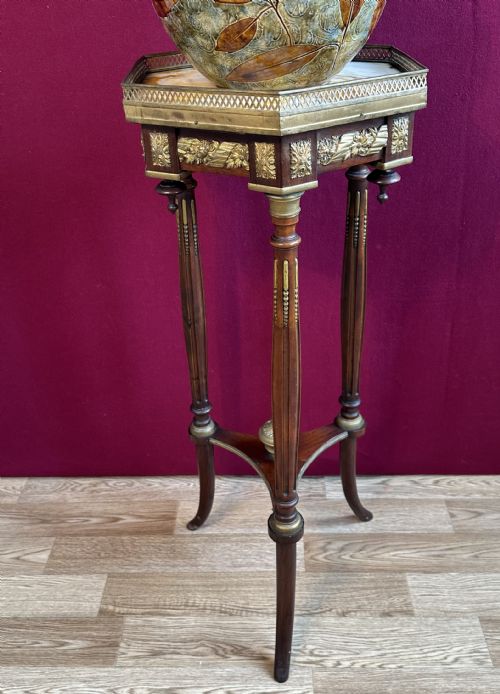


Victorian Marble Pedestal Stand
These Victorian marble pedestal stand pieces elevate plants, urns, and lamps inside the home using solid stone and carved timber.
Victorian Marble Pedestal Stand
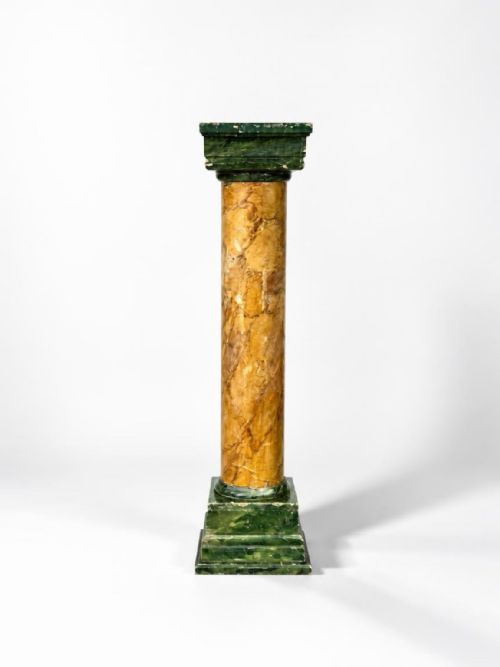
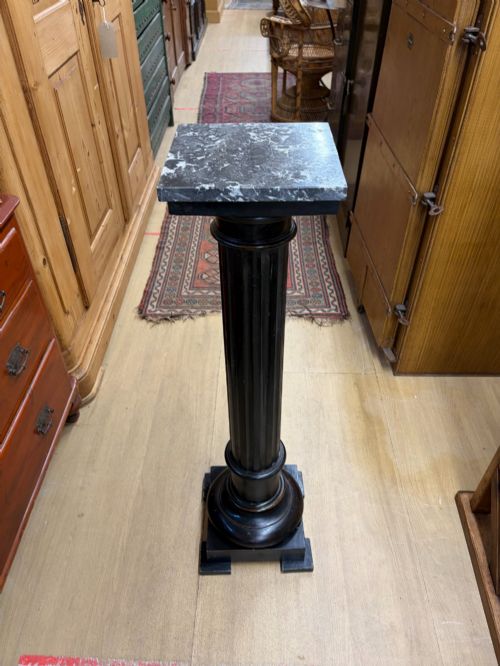
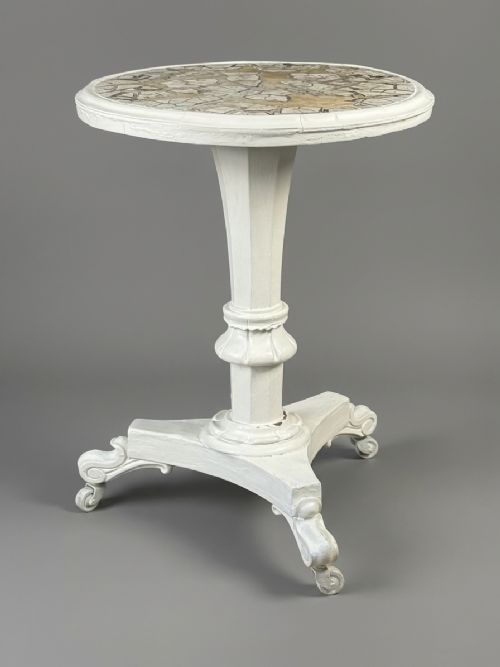
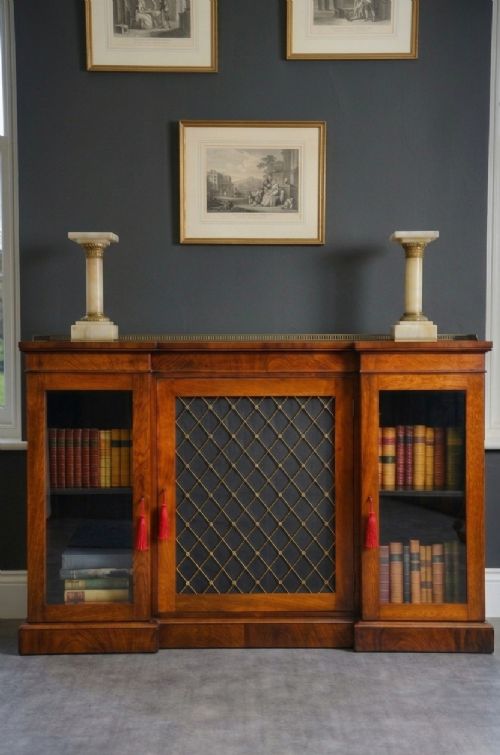
A victorian marble pedestal stand serves as a raised platform for display, taking the form of a column, plant stand, or lamp table. You will frequently encounter tall cylindrical columns and low supports dating from the nineteenth century.
How They Were Made
Makers combined natural stone with hardwoods such as mahogany, rosewood, and ebonised timber, or shaped painted wood to imitate stone surfaces. Tops utilise real marble, verde antico, onyx, alabaster, or specimen stone mosaic.
Metal components such as brass, gilt bronze, and ormolu appear as capitals, mounts, and decorative banding. Construction methods involve turned columns, carved hardwood frames, and fitted stone inserts.
Victorian Marble Pedestal Stand Retail Price Guide 2026
Typical asking prices for victorian marble pedestal stand among the pieces listed under this phrase on Sellingantiques today, from the lower quarter to the upper quarter. They describe what is for sale here now, not the wider market.
Some nineteenth-century makers painted ordinary wood with such skill that buyers still tap the surface to check for real stone.
What Varies in Quality
The choice of materials dictates the standing of a piece, separating simple painted pine imitations from solid hardwood frames fitted with rich verde antico or onyx tops. Finer examples display meticulous stone polishing and heavy cast brass mounts.
Carving detail separates standard production from superior workshops, particularly on Chinese hardwood stands and classical revival columns. The precision of the joinery and the weight of the stone define the integrity of the structure.
The Victorian Marble Pedestal Stand Glossary
- Verde antico
- A dark green serpentine marble prized for its mottled appearance. It appears frequently on nineteenth-century Italian and English columns.
- Ormolu
- Gilded bronze applied as decorative mounts and capitals. This technique adds metallic contrast to wood and stone structures.
- Torchere
- A tall stand designed to hold a light source or candelabrum. These pieces share forms with plant and urn columns.
- Scagliola
- A composite material made from glue, pigments, and selenite that imitates marble. It allows for complex coloured patterns on decorative columns.
- Jardiniere stand
- A specialised table or pedestal built to support a plant container. They often feature inset stone tops to resist moisture.
Victorian Marble Pedestal Stand: Frequently Asked Questions
What did people place on these stands?
These supports held heavy table lamps, floral arrangements, decorative urns, and portrait busts within nineteenth-century interiors. Their sturdy construction allowed them to carry weight securely at height.
They functioned as practical furniture for corners and hallways where extra display space was required. Many designs specifically accommodated indoor plant pots and jardiniere vessels.
How do I identify a Victorian piece?
Look for characteristic nineteenth-century timber choices such as mahogany, ebonised wood, and rosewood combined with stone tops. Construction details often include turned fluted columns and classical revival motifs.
Proportions and joining techniques reflect the period manufacturing methods common between the early nineteenth century and nineteen hundred.
Are these stands suitable for modern plants?
Stone and marble tops provide a durable, water-resistant surface that handles potted plants and heavy planters safely. Their solid bases ensure stability when supporting top-heavy foliage.
Care should be taken with unsealed timber surrounds to prevent water damage from overflow trays.
What is the difference between a column and a pedestal?
Columns generally follow classical architectural orders with fluted shafts, capitals, and bases designed to display busts or urns. Pedestals often incorporate square or cylindrical cupboards and flat tops suited for lamps.
Both forms utilise stone tops paired with wood or painted structures to elevate objects above floor level.