

19th Century Column Pedestal
A 19th century column pedestal elevates sculpture, lamps and plants with classical authority, bringing architectural presence into domestic interiors.
19th Century Column Pedestal
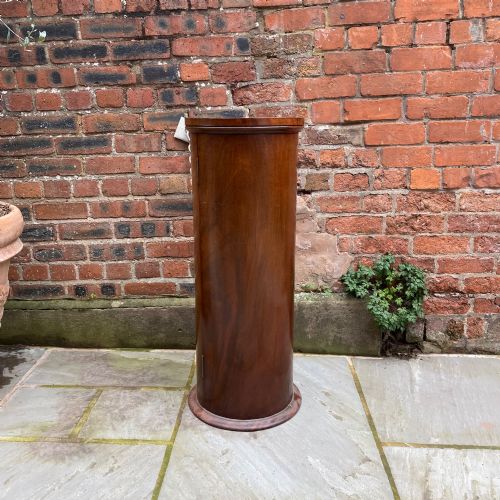
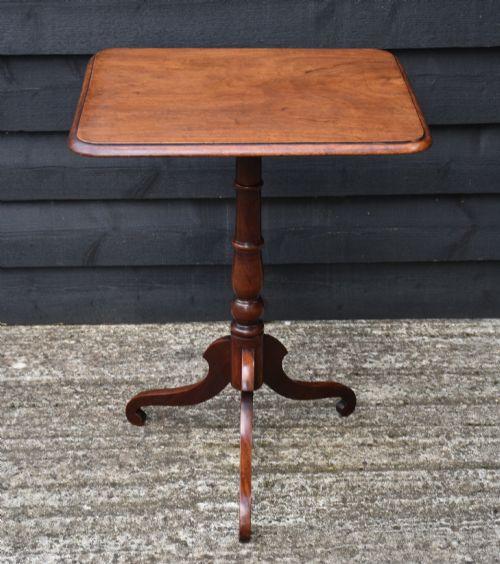
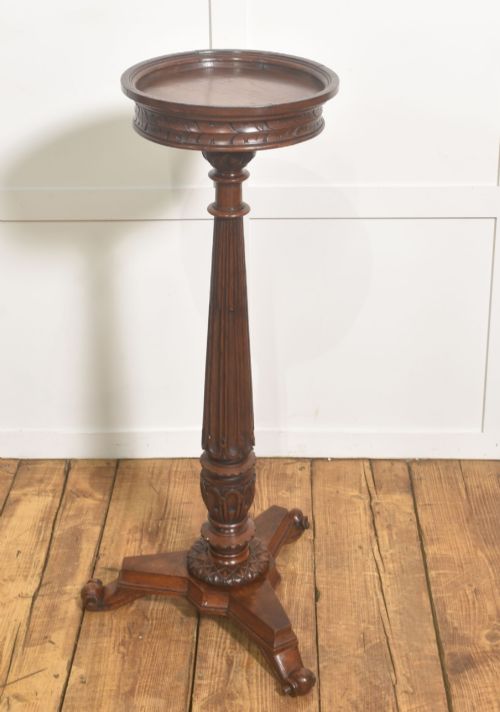
A 19th century column pedestal encompasses upright display supports, torchères, and plant stands rooted in Victorian, Regency, and Neoclassical design. Buyers searching this phrase encounter cylindrical and fluted shafts designed to elevate decorative objects, often topped with marble or wood surfaces.
The material palette spans rich hardwoods like mahogany, rosewood, and walnut alongside ebonised wood, marble, stone, and cast iron. Pieces range from restrained domestic lamp tables to French display columns and Grand Tour models.
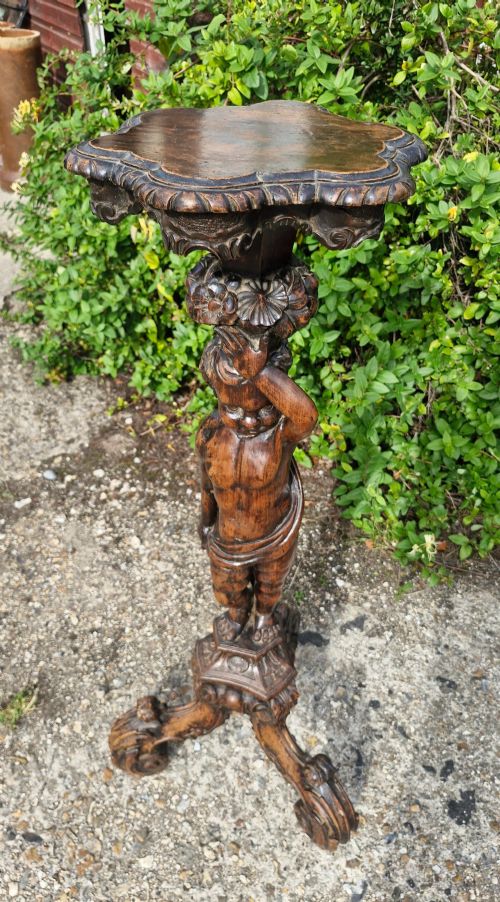
Proportions vary from slender plant supports to robust architectural columns designed for heavy busts or urns. The selection reflects diverse European tastes across the nineteenth century, including Italian carved stands and French inlaid examples.
Materials and construction
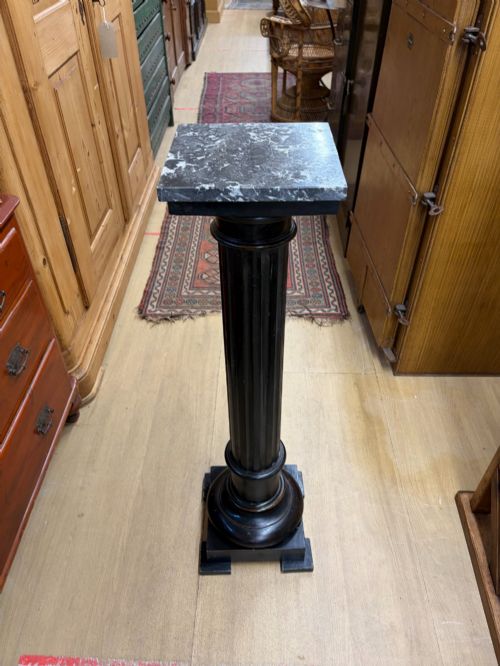
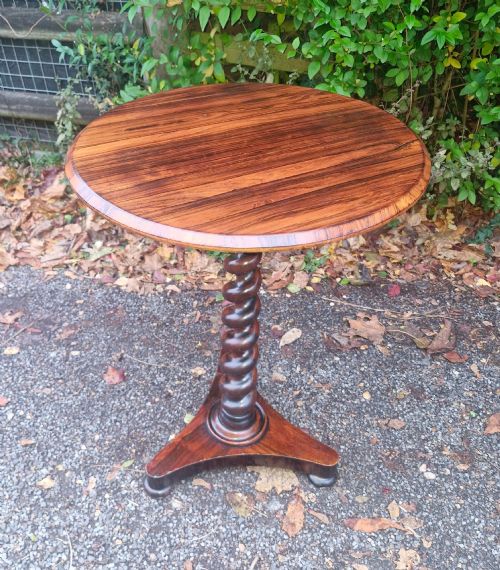
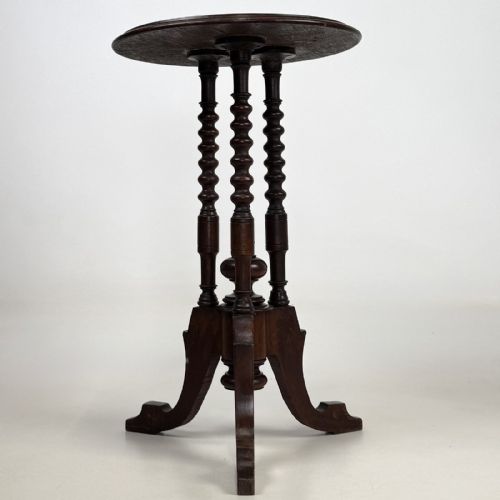
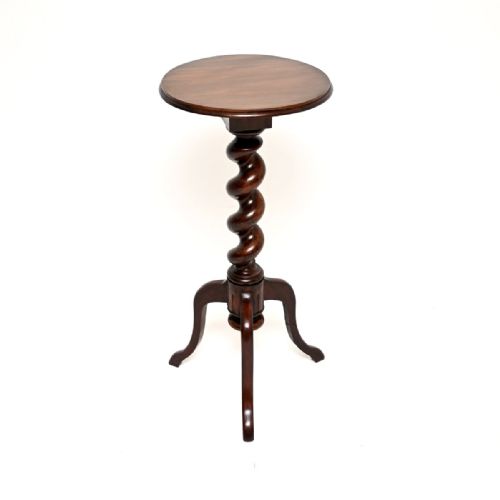
Cabinetmakers constructed these supports using solid and veneered timbers such as mahogany, walnut, and rosewood, frequently incorporating decorative turning like barley twist or bobbin details. Ebonised finishes and gilt highlights provided dramatic contrast, mimicking more expensive exotic materials.
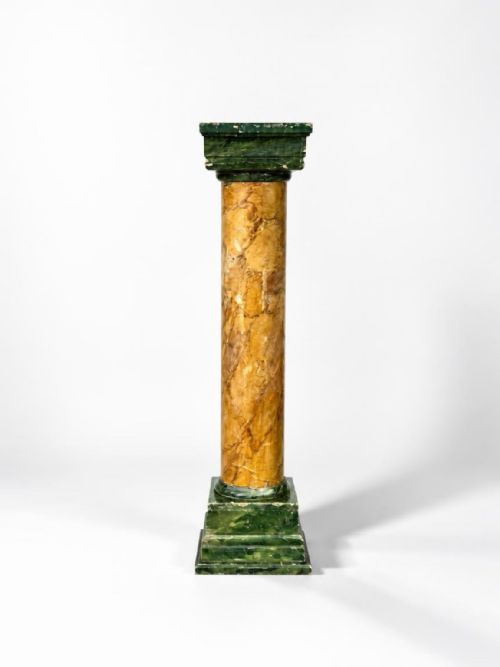
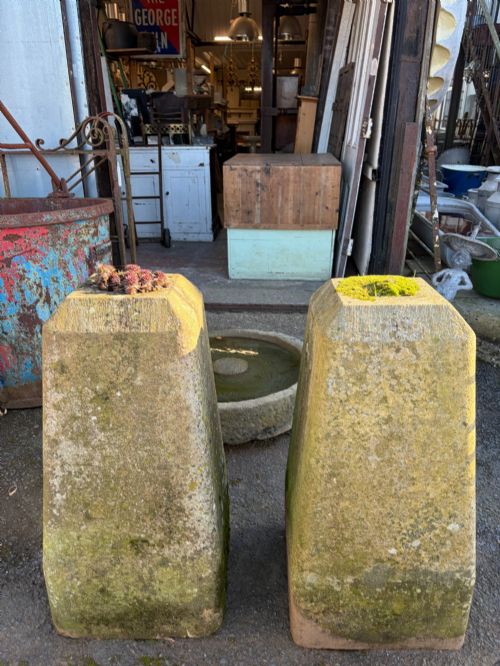
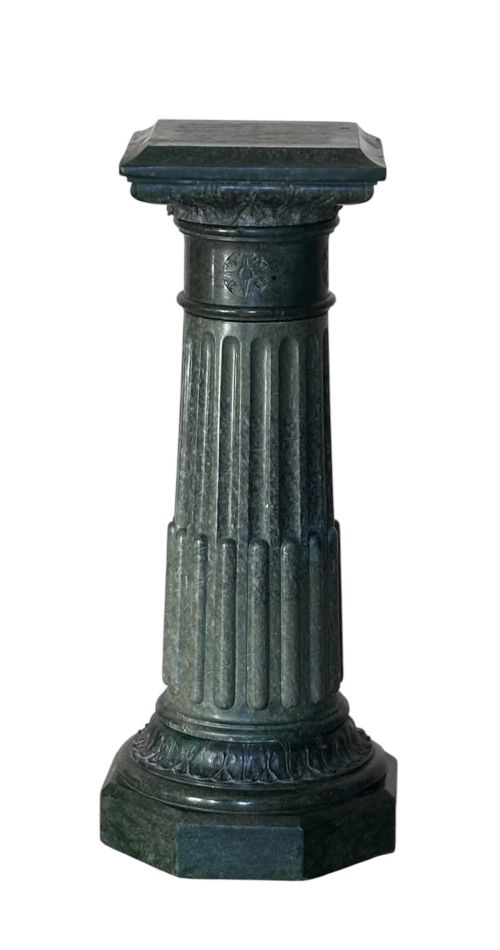
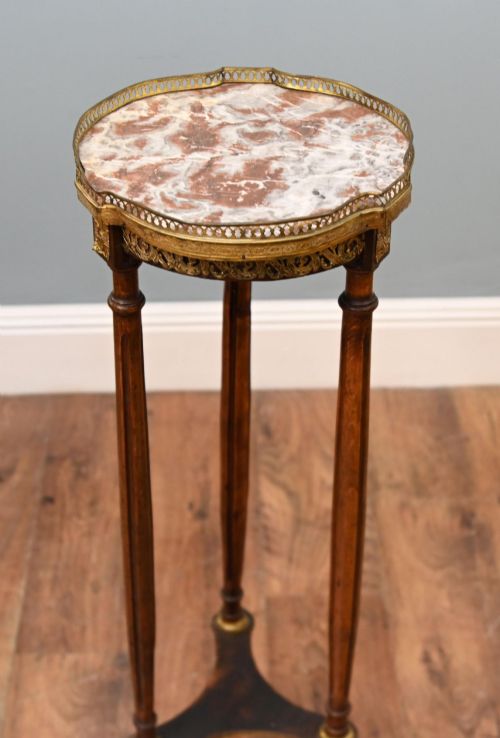
Many columns integrate inset marble tops, including Verde Antico and faux marble surfaces, mounted onto timber or stone shafts. Carved wood, composite stone, and cast iron served structural and decorative roles, particularly in garden plinths and torcheres.
19th Century Column Pedestal Retail Price Guide 2026
Typical asking prices for 19th century column pedestal among the pieces listed under this phrase on Sellingantiques today, from the lower quarter to the upper quarter. They describe what is for sale here now, not the wider market.
Period examples span the Victorian era, Regency styles, and 19th century French designs.
Assessing quality
Quality rests in the crispness of the carving, the selection of timber veneers such as burr wood or satinwood, and the stability of the column base. Superior examples exhibit harmonious proportions and precise joinery where the shaft meets the capital and plinth.
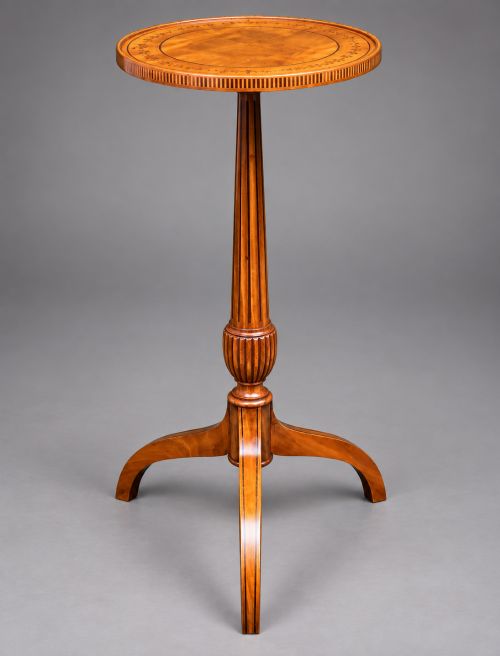
The choice of top material distinguishes standard utilitarian stands from finer display pieces. Inset marble slabs, scagliola work, and intricate marquetry inlay elevate the visual weight and craftsmanship of the piece.
Shoolbred
The 19th Century Column Pedestal Glossary
- Torchere
- A tall ornamental stand designed specifically to hold a light, lamp, or candle. These slender supports often feature tripod bases or fluted columns.
- Gueridon
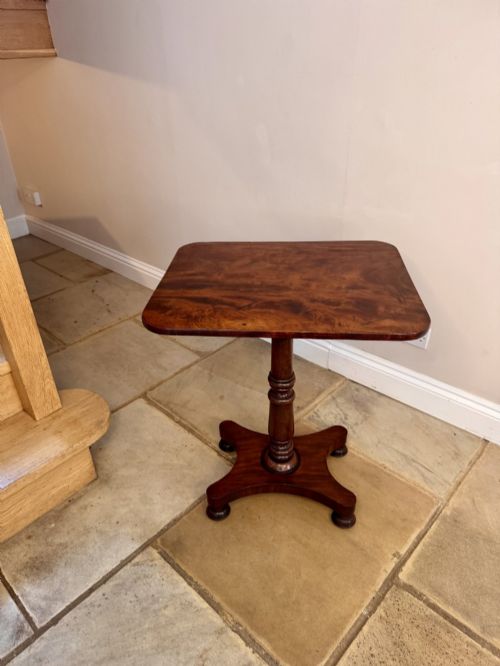
- A small French round table supported by a central pillar or column. They frequently feature marble tops and decorative inlaid veneers.
- Scagliola
- A composite material made from selenite, glue, and pigments, used to imitate marble and other stonework. It appears on high-end classical column models.
- Capital
- The uppermost member of a column, situated above the shaft. It provides architectural decoration derived from classical orders.
- Plinth
- The heavy base supporting a column or pedestal. It provides stability and grounds the vertical shaft visually.
19th Century Column Pedestal: Frequently Asked Questions
What is a 19th century column pedestal used for?
These vertical stands primarily serve to elevate decorative items, including bronze busts, table lamps, urns, and indoor plants. By lifting objects off the ground, they draw the eye upward and create distinct focal points within a room.
Historically, they also functioned as torchères to hold lighting or as display surfaces for treasured art pieces brought back from travels abroad.
Where should I place a column pedestal?
A column pedestal suits corners, entrance hallways, or flanking doorways where vertical architectural interest is needed without occupying extensive floor space. They perform best when paired with a suitable sculpture, plant, or lamp that matches the scale of the top.
Ensure the location offers enough clearance to prevent accidental knocks, particularly with taller, slender tripod-based designs.
How do I distinguish Victorian from Regency styles?
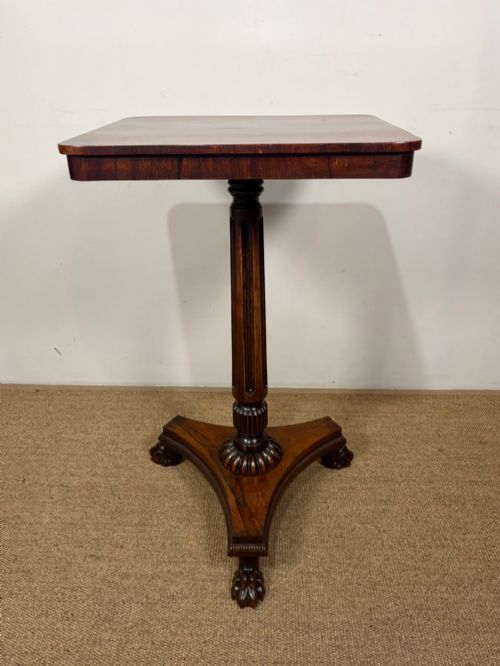
Regency pieces often display strict classical Neoclassical restraint, drawing heavily on ancient Greek and Roman motifs with clean lines and rosewood or mahogany surfaces. Victorian examples frequently embrace bolder ornamentation, including barley twist turnings, ebonised finishes, and eclectic revival influences.
Examining the secondary woods, turning styles, and overall decorative vocabulary helps clarify the specific period of manufacture.
Are marble top pedestals heavy?
Marble top columns carry significant weight at the upper section, which aids stability but requires care during relocation. The stone slabs are typically inset into the wooden framework of the capital.
When moving these pieces, lift them from the lower structural base rather than the top surface to protect the joinery.