



Ebonised Sculpture Pedestal
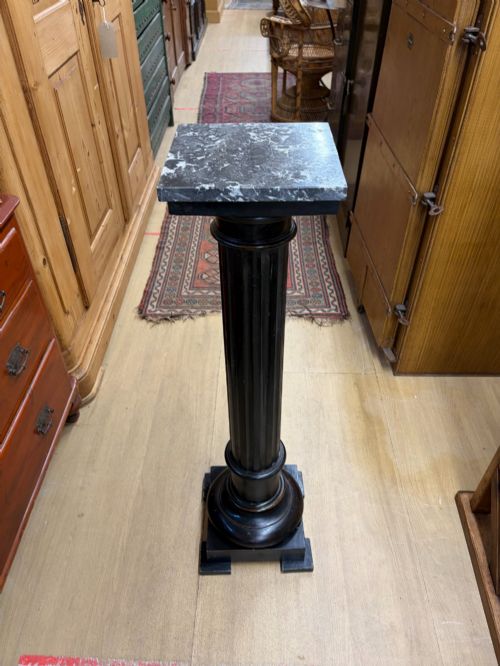
An ebonised sculpture pedestal elevates a bust or vase with dark authority, bringing architectural presence and rich surface contrast into a room.
Ebonised Sculpture Pedestal
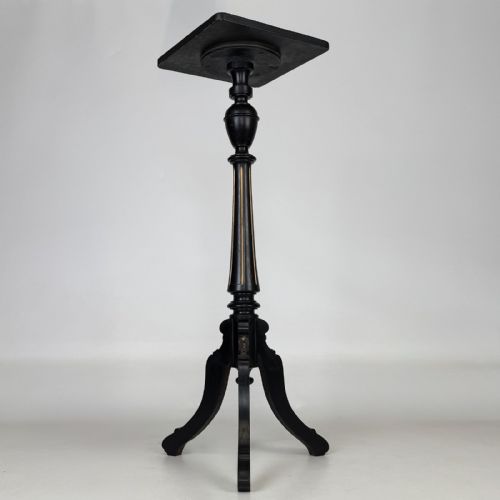
An ebonised sculpture pedestal serves to elevate decorative objects, urns, and figures, creating a distinct focal point in an interior. When searching for an ebonised sculpture pedestal, you encounter architectural columns, tripod plant stands, and figural supports designed to display art at eye level.
The selection ranges from nineteenth-century Victorian neoclassical columns to early twentieth-century wooden plinths and Italian torcheres. Many examples incorporate contrasting tops or carved figural elements that reflect the varied tastes of the nineteenth century.
Makers and workshops produced these stands in forms such as fluted columns, square plinths, and tripod bases. Each piece utilises dark wood finishes to mimic expensive ebony, offering a striking stage for sculpture and botanical displays.
How they were made
Cabinetmakers constructed these supports primarily from timber, applying an ebonised finish to simulate solid ebony wood. This dark surface treatment frequently meets carved details, gilding, or gilt accents that highlight architectural mouldings and figural anatomy.
Many nineteenth-century examples incorporate inset marble tops to provide a durable and cool surface for heavy bronze or stone sculpture. Carved wood and turned elements define the structural integrity of columns, torcheres, and tripod bases across the periods.
Ebonised Sculpture Pedestal Retail Price Guide 2026
Typical asking prices for ebonised sculpture pedestal among the pieces listed under this phrase on Sellingantiques today, from the lower quarter to the upper quarter. They describe what is for sale here now, not the wider market.
Listings span multiple historical periods, uniting Georgian craftsmanship with Victorian revival styles, Aesthetic movement designs, and early twentieth-century wooden plinths.
What varies in quality
The sophistication of the carving and the crispness of architectural details separate standard production from exhibition pieces. Superior examples feature meticulously carved figures, such as winged griffins or human forms, executed with anatomical conviction and dynamic posture.
Material combination and surface preservation dictate the standing of a pedestal. The integration of amboyna, burr walnut, or genuine marble inserts alongside fine gilding marks the upper tier of nineteenth-century craftsmanship.
Gillow & Co.
The Ebonised Sculpture Pedestal Glossary
- Ebonised Wood
- Timber treated with stain, dye, or polish to produce a deep black finish that imitates ebony. This technique gained immense popularity during the Victorian and Aesthetic periods.
- Plinth
- The heavy base or lower block upon which a column, statue, or pedestal stands. It provides structural stability and visual ground for the elevated object.
- Neoclassical
- A style drawing inspiration from the classical art and architecture of ancient Greece and Rome. Pedestals from this movement often feature fluted columns and geometric dignity.
Ebonised Sculpture Pedestal: Frequently Asked Questions
What is an ebonised sculpture pedestal used for?
These pieces function primarily to display sculptures, urns, plants, and decorative art objects above floor level. By raising the object, they draw the eye and create a distinct architectural focal point within a room.
Historically, they allowed homeowners to showcase important bronze figures or ceramic vases in drawing rooms and hallways. Their sturdy construction ensures they can support considerable weight while enhancing the interior aesthetic.
How do I identify a Victorian ebonised pedestal?
Victorian examples often exhibit revival styles such as Neoclassical fluting, Gothic motifs, or Aesthetic movement simplicity. Look for characteristic dark ebonised finishes combined with contrasting gilt accents or inset marble tops.
Construction methods typical of the nineteenth century, including hand-turned timber and traditional joinery, help confirm the period. Many feature tripod bases or column forms recorded across Victorian furniture production.
Are these pedestals strong enough for heavy marble busts?
Many pedestals, particularly nineteenth-century architectural columns and marble-topped variants, were engineered specifically to bear significant weight. The combination of solid timber cores and sturdy base designs provides reliable structural support.
However, slender tripod stands or decorative figural torcheres require careful assessment of their base width and weight distribution before supporting exceptionally heavy stone or bronze works.
How do I care for an ebonised wooden surface?
Ebonised wood benefits from gentle dusting with a soft, dry cloth to prevent the accumulation of abrasive particles. Avoid commercial liquid polishes that contain silicones, which can dull the deep black finish over time.
Keep pedestals away from direct sunlight and extreme temperature fluctuations to protect the wood and any delicate gilt or marble inserts from cracking or fading.