
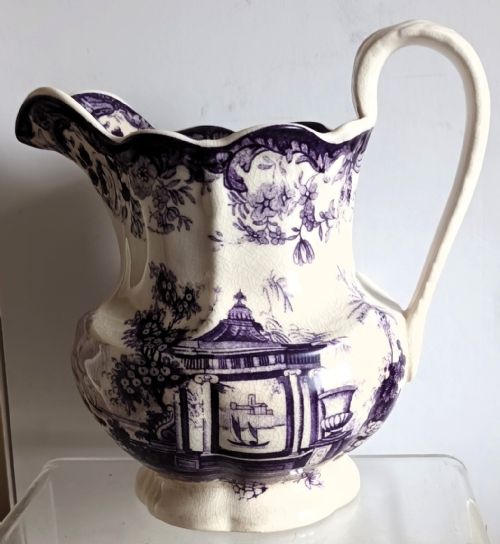


Victorian Floral Transferware
Victorian floral transferware brings domestic history to life through patterned ceramics that served everyday needs in nineteenth-century homes.
Victorian Floral Transferware
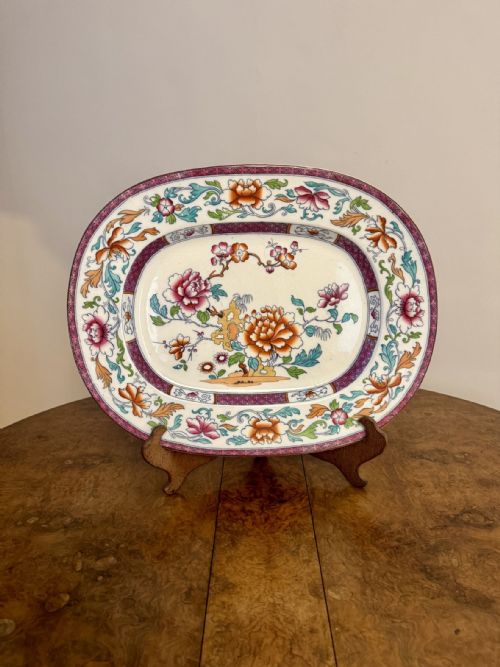
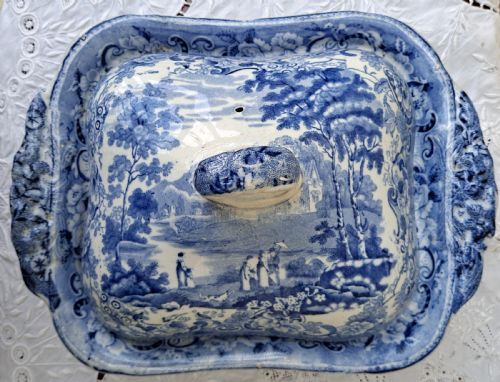
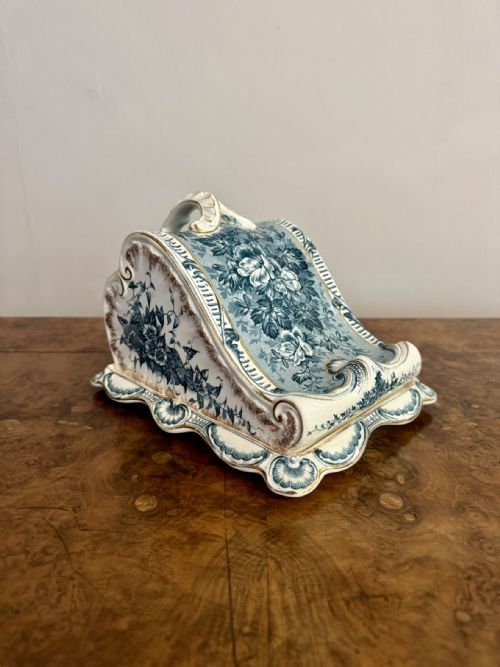
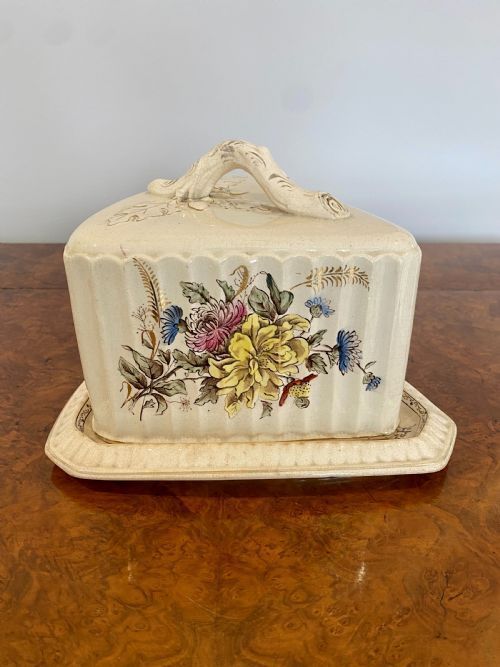
Victorian floral transferware encompasses a broad range of domestic ceramics produced primarily during the nineteenth century, decorated with printed botanical and scenic motifs. These items include large serving platters, vegetable tureens, dinner services, and bathroom sets that formed the backbone of household utility in the period. Buyers exploring this category encounter earthenware, stoneware, and porcelain decorated in blue, magenta, and polychrome palettes.
The pieces appearing most frequently range from large meat platters and footbaths to complete dinner and toilet sets, often originating from established English potteries. Production spans from early nineteenth-century iterations through to Edwardian interpretations, reflecting changing domestic tastes in floral and landscape design. These wares reveal the industrial capability of nineteenth-century ceramic manufacture alongside traditional hand-finishing.
Serving platters and dinner services dominate the selection, demonstrating the scale of nineteenth-century dining and hospitality. Utilitarian items such as chamber pots, jugs, and basins also feature prominently, showing that transfer-printed decoration was applied to every tier of household pottery. The style bridges functional requirements with decorative ambition, using botanical themes to brighten domestic interiors.
What varies in quality
Quality in this category rests on the crispness of the transfer print and the clarity of the underlying ceramic body. Superior examples display sharp lines without blurring or smudging in the printed flora, whereas lesser pieces suffer from ink pooling or broken patterns. The weight and refinement of the earthenware or porcelain also indicate the maker's ambition and skill.
The presence of hand-applied enamel highlights, gilt borders, or gold leaf distinguishes standard utilitarian wares from superior exhibition pieces. Furthermore, the comprehensiveness and preservation of a matching service or set elevate the standing of the pieces. Complete sets with uniform glaze tones demonstrate higher factory standards than assembled groups of mixed manufacture.
Object forms range from large meat platters and vegetable tureens to chamber pots, footbaths, and complete dinner services.
James Wallace And Co·Wedgwood·Minton·John Ridgway·Doulton Burslem·Carlton Ware·Adams·Elkin And Newbon·Elkin Knight And Bridgwood·Mountford
The Victorian Floral Transferware Glossary
- Transferware
- Ceramic pieces decorated by transferring a printed design from an engraved copper plate onto the clay or glaze via tissue paper. This technique revolutionised nineteenth-century pottery production by enabling intricate patterns to be replicated rapidly.
- Earthenware
- A porous, opaque ceramic body fired at lower temperatures than porcelain and typically glazed to ensure water tightness. It served as the primary material for the vast majority of domestic utility wares.
- Tureen
- A deep, covered bowl designed for serving soups, vegetables, or sauces at the dining table. These vessels frequently formed the centrepiece of larger nineteenth-century dinner services.
- Creamware
- A refined, pale yellow-toned earthenware developed in the eighteenth century and continued into the Victorian era. It provided a smooth canvas for transfer-printed botanical designs.
- Footbath
- A large, deep ceramic vessel used for personal hygiene and washing in the bedroom before plumbed bathrooms became common. They often featured robust handles and generous floral transfer decorations.
Victorian Floral Transferware: Frequently Asked Questions
How do I clean antique transferware?
Wash these pieces gently by hand using warm water and mild detergent. Avoid harsh scrubbers and dishwashers, which can damage delicate overglaze enamels and vintage ceramic glazes.
Pat dry with a soft cloth rather than leaving them to air dry. Proper handling prevents accidental chipping on historic earthenware edges.
Can I use these plates for dining?
Many collectors prefer to use antique plates and serveware for special occasions rather than daily dining. Earthenware from the nineteenth century can develop micro-cracks in the glaze over time.
Inspect the condition of the glaze surface before serving food. Wares with heavy surface wear are best reserved for display.
How do I date my transferware?
Examine the base for maker's marks, registry diamonds, or impressed numbers that indicate the year of manufacture. Stylistic clues such as floral motifs and colour palettes also help narrow down the production period.
Comparing the border patterns with documented factory designs yields further chronological certainty. Reference books on nineteenth-century pottery provide extensive mark identification guides.
What caused the different transfer colours?
Potters used metallic oxides mixed with oil to achieve different transfer colours during printing. Cobalt produced the classic deep blues, while other formulations created magenta, brown, or multi-coloured botanical scenes.
The chosen pigment had to withstand high kiln temperatures without burning away. Subsequent enamel colours were added on top of the glaze and fired again at a lower heat.
How were large platters used?
Large meat platters served central joints of roasted meat at grand Victorian dining tables. Their generous proportions accommodated substantial family feasts and multi-course meals.
Many featured recessed wells and drainage channels to collect meat juices. Today, these substantial platters make striking decorative wall pieces or serving trays.