
Victorian Floral Jug
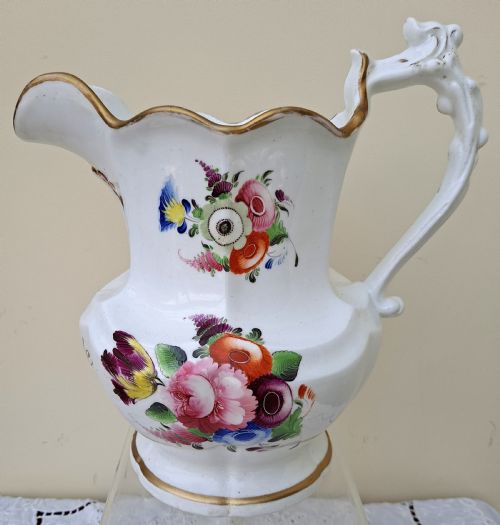
A victorian floral jug brings domestic colour and botanical decoration straight from nineteenth-century parlours and washstands into a modern home.
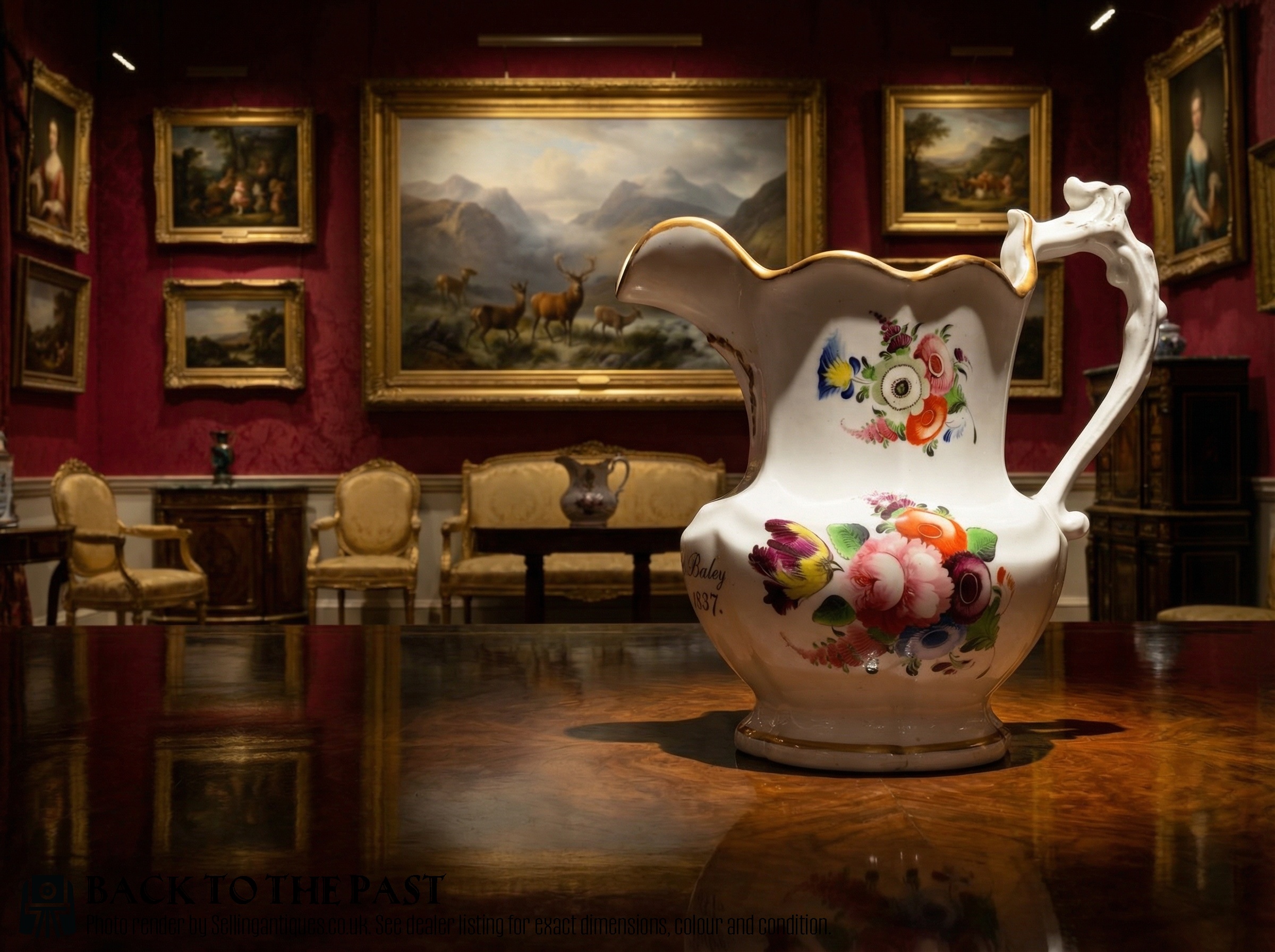
Victorian Floral Jug
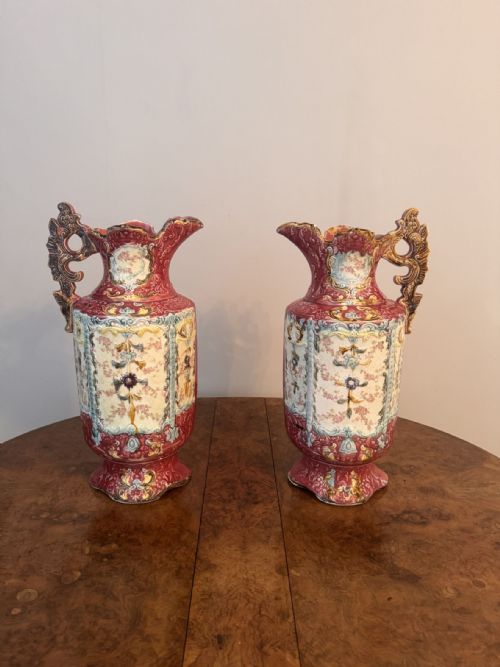
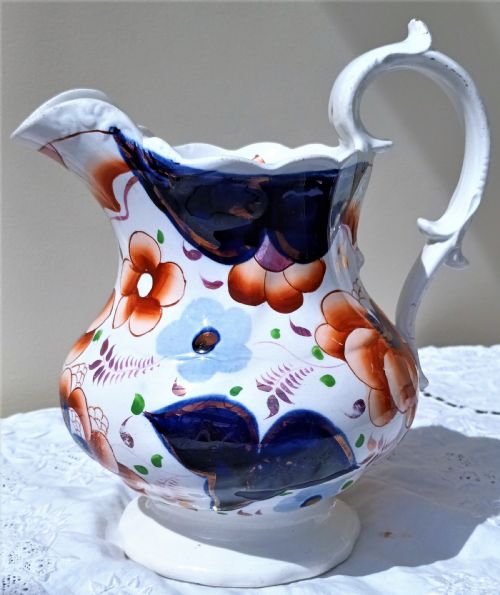
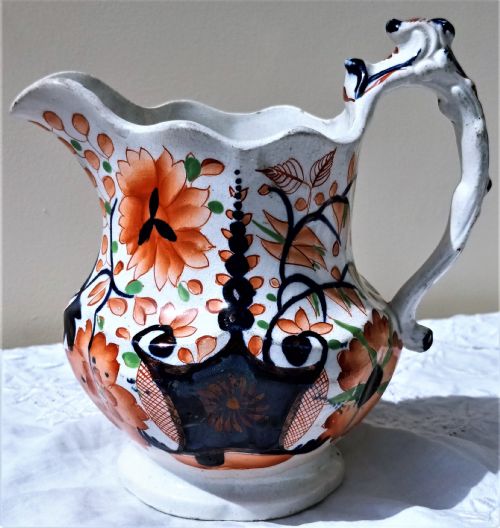
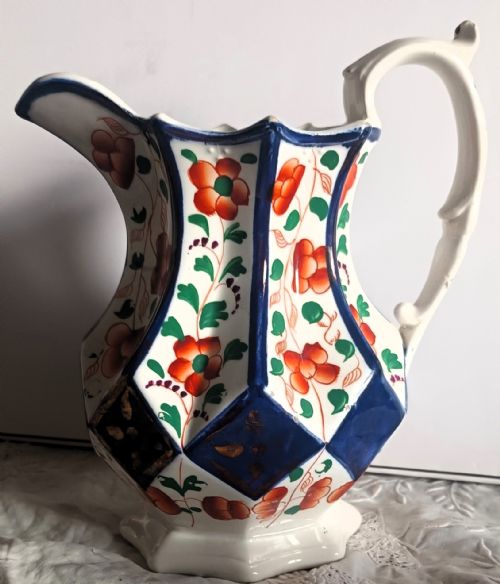
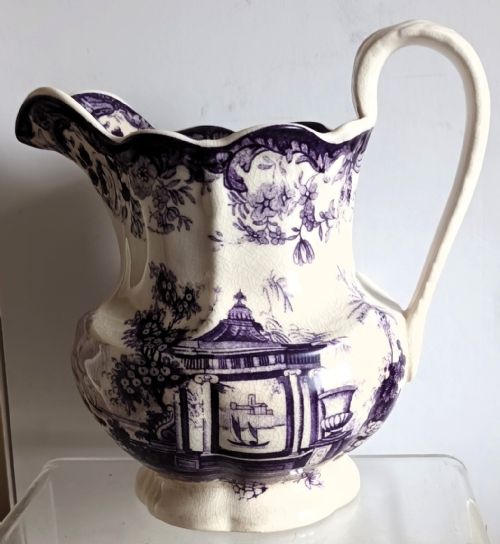
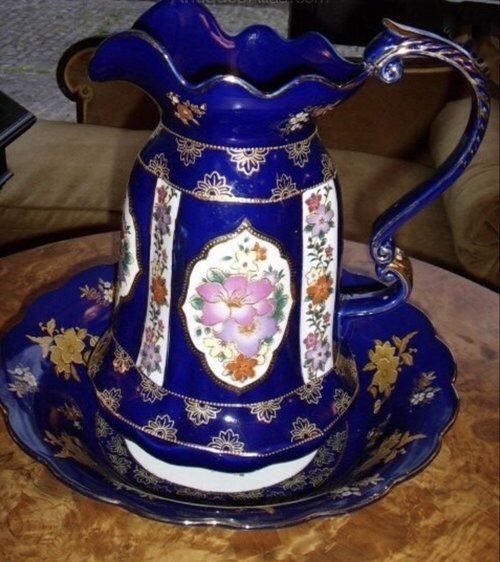
A victorian floral jug encompasses earthenware, porcelain, and ceramic vessels designed for pouring water, milk, or wine, alongside decorative ewers and washstand sets. The most frequent examples met on this page combine nineteenth-century ceramic bodies with hand-decorated botanical motifs, fruit patterns, and transfer prints.
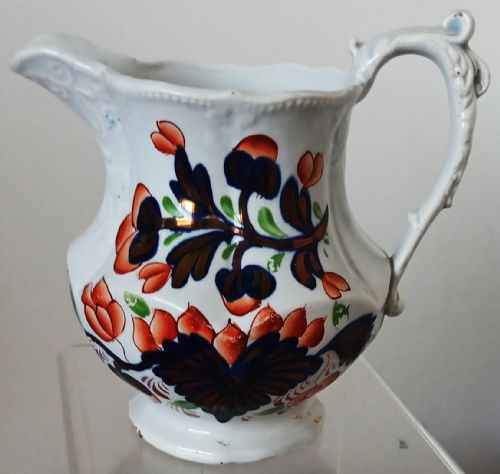
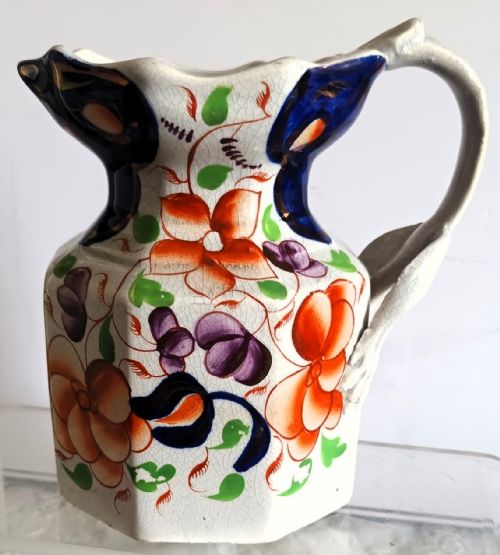
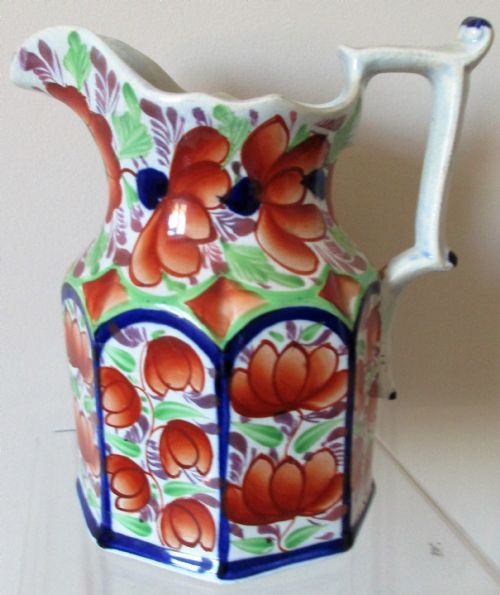
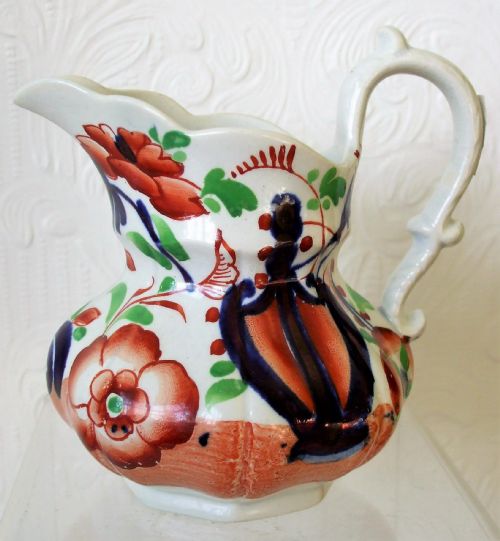
Makers and potteries span Staffordshire production, Gaudy Welsh earthenware with named patterns like Grape and Pagoda, and Royal Worcester porcelain. Forms range from miniature vessels and milk jugs to large wash basin sets and wine ewers intended for formal dining or bedroom use.
Materials and Technique
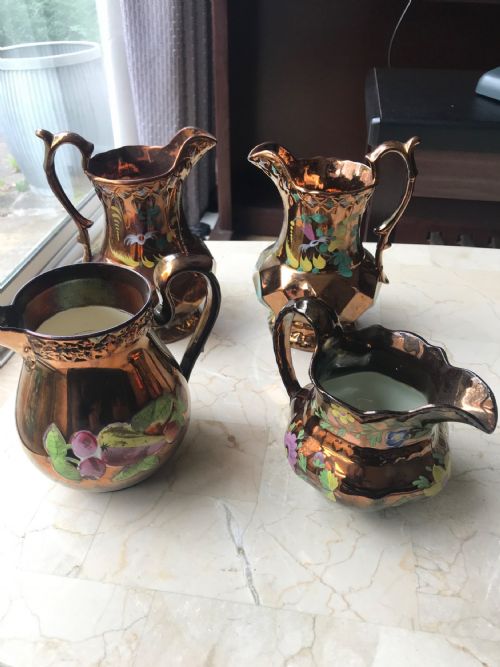
Potters shaped earthenware and porcelain bodies on the wheel or in moulds before applying transfer printing, hand painting, and cobalt blue glazes. Many ceramic examples incorporate copper lustre, gold leaf, and enamel painting to highlight floral and fruit designs.
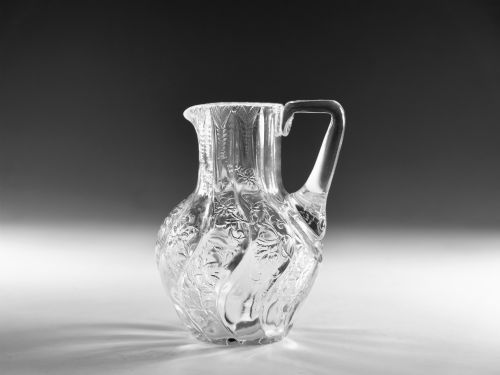
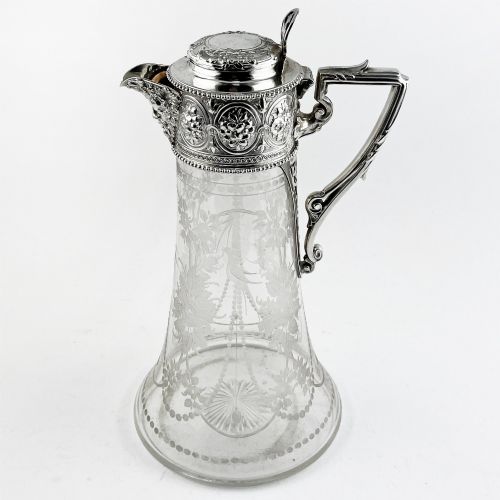
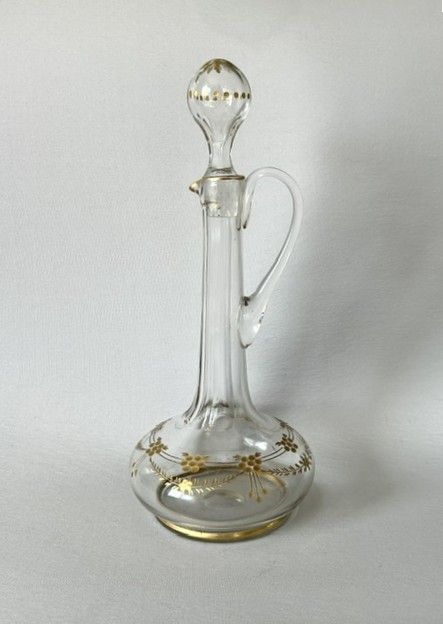
Glass and metal pieces utilise cut crystal, sterling silver, and silver plating, often featuring engraved floral collars and hinged lids. Makers combined these metallic and glassy elements with applied handles shaped as vines or woven textures.
Several washstand jugs arrive paired with their original matching basins, surviving decades of splashy morning ablutions entirely intact.
Distinctions in Execution
The division between standard domestic ware and top-tier pieces rests upon the precision of the hand painting and the crispness of the moulded relief. Fine examples display carefully layered enamel colours, rich gilding, and well-defined transfer patterns without blurring or smudge marks.
Material choice and maker reputation also determine standing, with marked porcelain from established potteries and substantial silver mounts showing superior craftsmanship compared to plain utilitarian earthenware.
Stevens and Williams·Keeling and Co.·Royal Worcester·Doulton Burslem·Mark Jones and Sons
The Victorian Floral Jug Glossary
- Ewer
- A large jug or pitcher with a wide spout and scroll handle, often used historically for decorative display or washing rather than pouring at table.
- Copper lustre
- A pottery glaze containing metallic salts that creates a reflective, coppery sheen across the surface of the ceramic body.
- Transfer printing
- A mechanical method of applying complex decorative patterns to ceramics by pressing paper from an engraved copper plate onto the clay body.
- Gaudy Welsh
- A type of colourful earthenware produced in nineteenth-century Wales and England, characterised by vibrant cobalt blue, red, and lustre highlights.
- Hydra jug
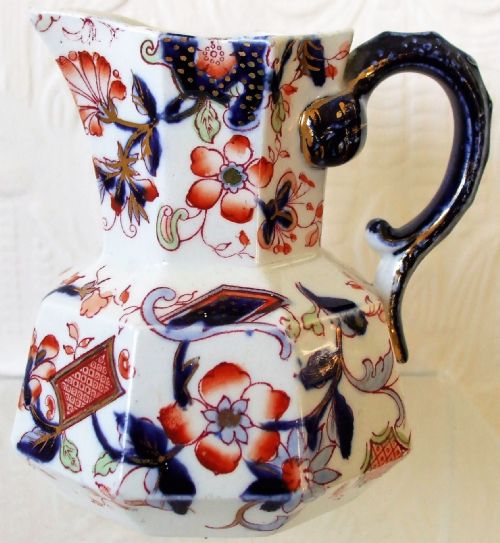
- A specific ceramic jug form featuring a distinctive flared rim and moulded handle, frequently produced in miniature and standard sizes.
Victorian Floral Jug: Frequently Asked Questions
What were these jugs used for originally?
These vessels served various domestic purposes ranging from serving milk and wine at the table to holding water within a bedroom washstand set.
Larger decorative ewers were often displayed empty on sideboards or mantelpieces as ornamental showpieces during the nineteenth century.
How do I clean and care for them?
Ceramic and glass pieces require gentle hand washing in lukewarm water with mild soap to protect fragile surface gilding and enamel painting.
Harsh abrasive sponges and modern dishwashers must be avoided to preserve the delicate decorative glazes and metallic lustre finishes.
How can I tell a Victorian piece from a later copy?
Examining the base for period pottery marks, registration numbers, and impressed factory stamps helps establish the correct nineteenth-century manufacturing origin.
The weight of the ceramic body, the depth of the glaze, and the hand-applied nature of the floral painting also indicate genuine period production.
Can these jugs still be used safely today?
Most antique ceramic and glass vessels function adequately for dry display or holding cut flowers rather than storing consumable liquids daily.
Older glazes and silver-plated mounts require careful handling and are best kept away from acidic liquids and frequent heavy use.