

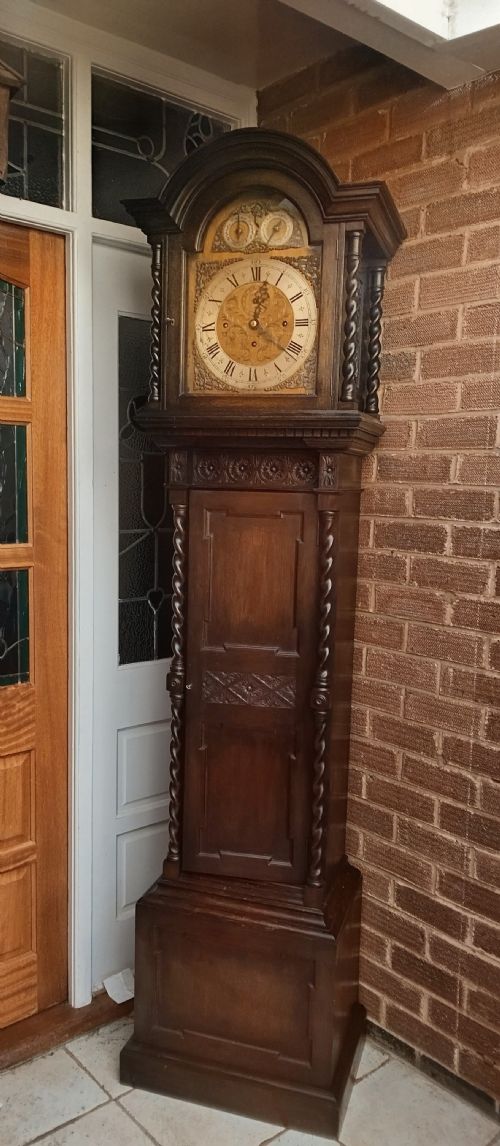

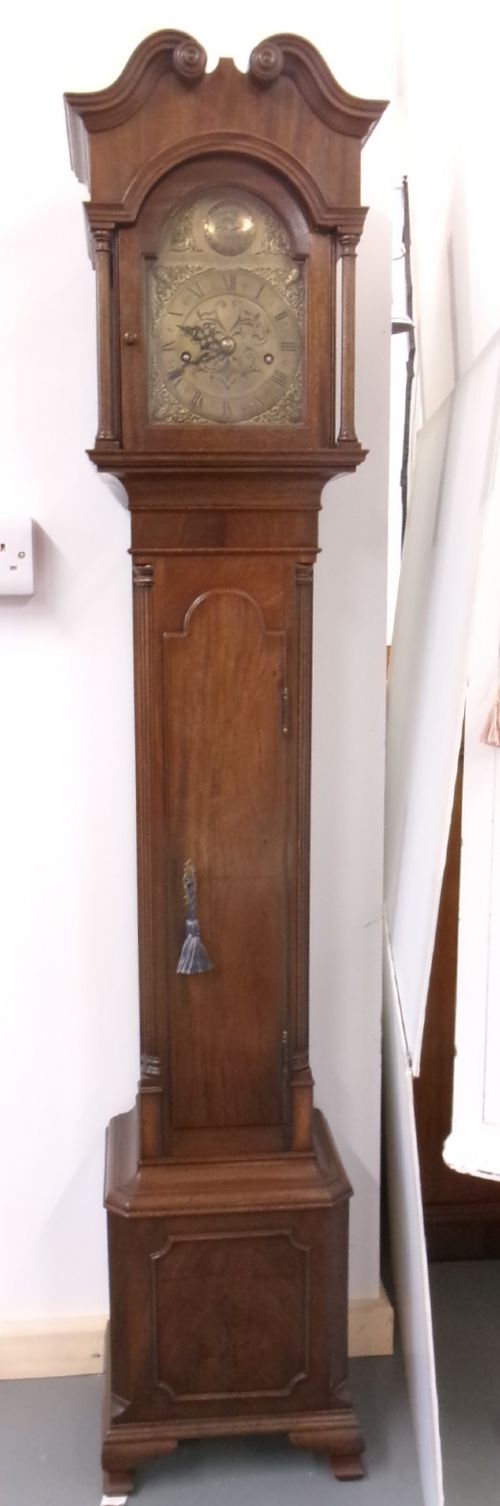
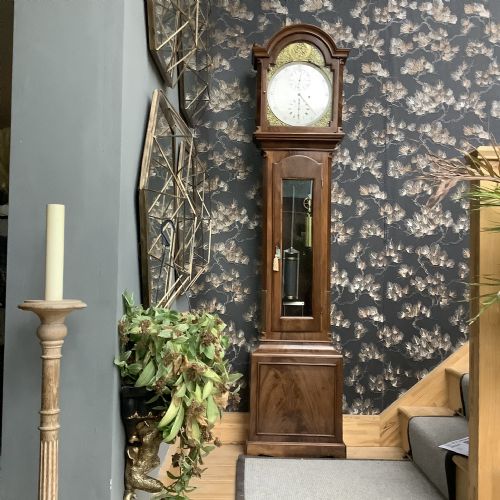
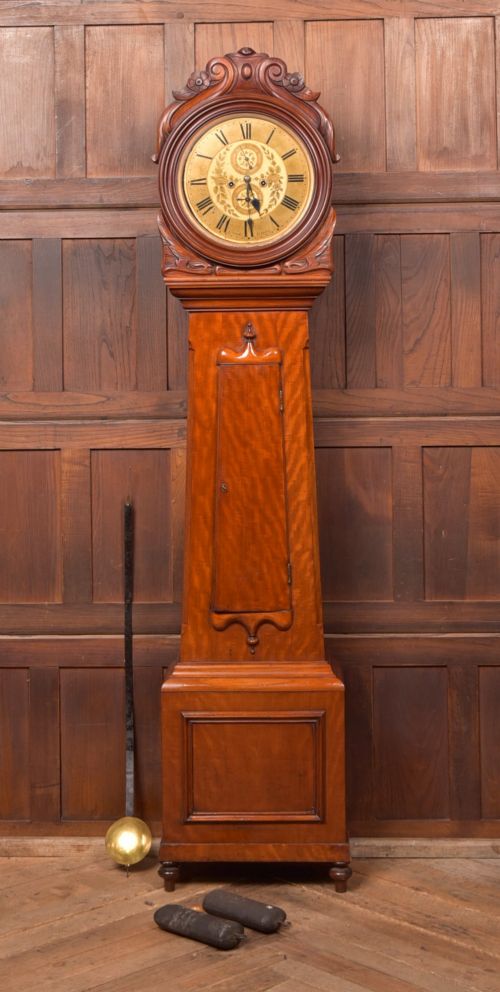


Victorian Floor Clock
A victorian floor clock is a stately timepiece that anchors a room with its grand presence and mechanical precision.
What a victorian floor clock is
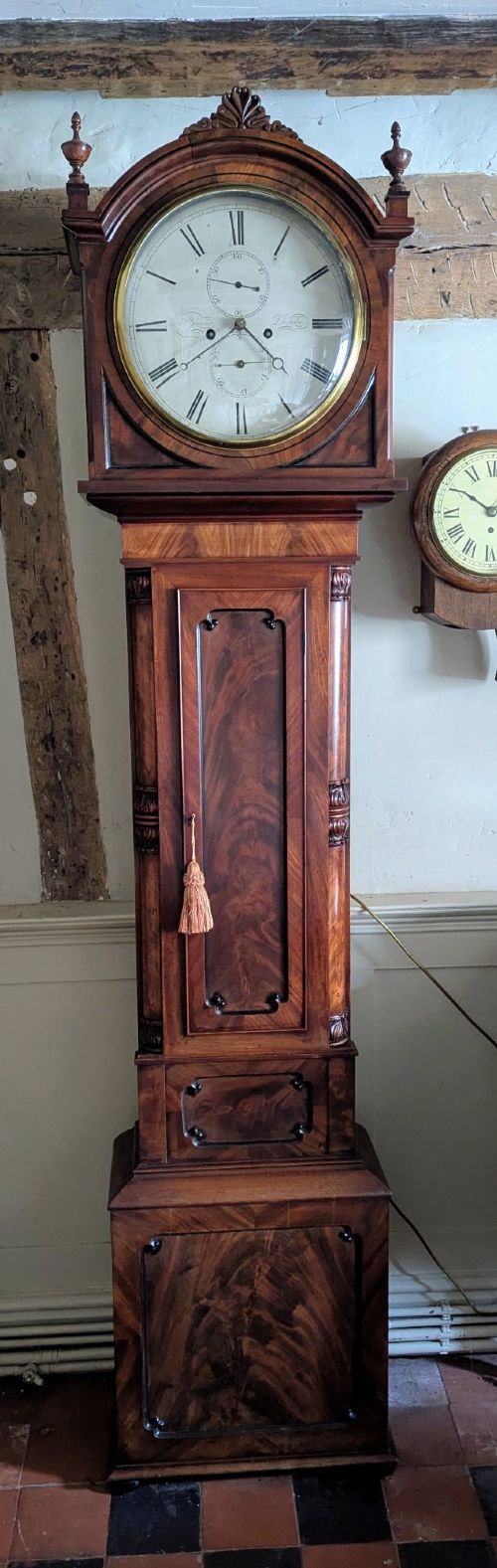
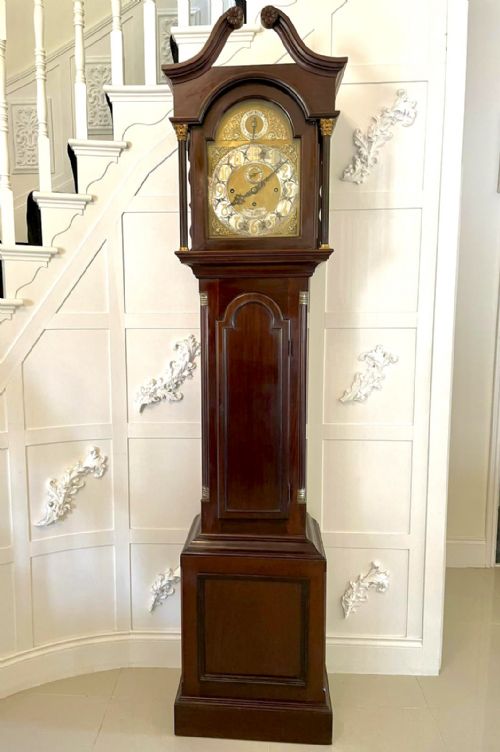
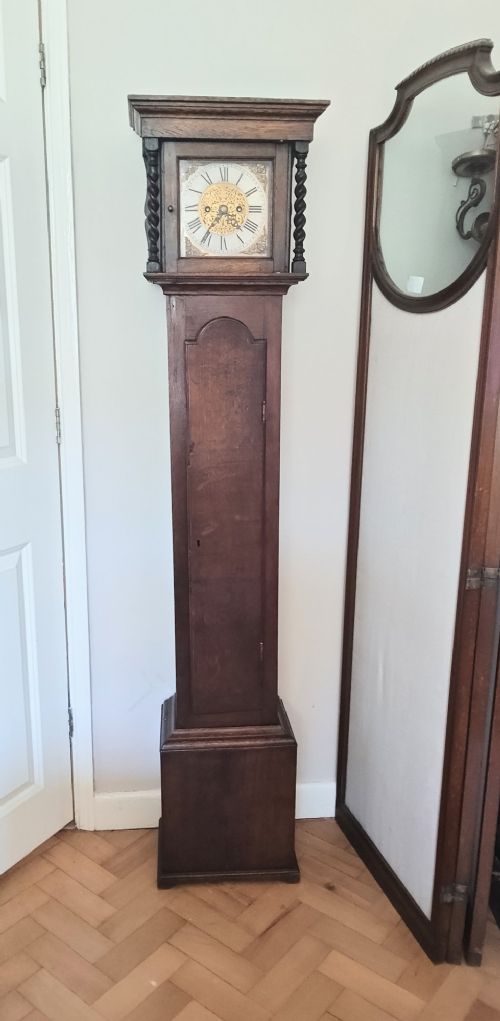
When searching for a victorian floor clock, buyers encounter tall case timepieces spanning the nineteenth and early twentieth centuries. These encompass longcase clocks, grandaughter clocks, and grandmother clocks built in standard and miniature proportions.
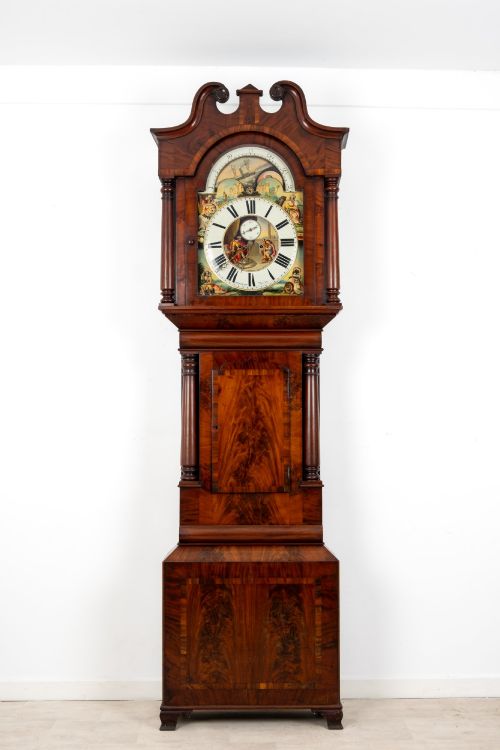
The pieces represented in current listings include Scottish Victorian variants and monumental musical longcase clocks. These tower above standard household items, bringing traditional weight-driven timekeeping into domestic interiors.
Materials and construction
Cabinets are constructed from timber materials including mahogany and oak, housing delicate internal components of brass and iron. Transparent glass panels protect the dials while allowing visibility of the moving parts.
Timekeeping mechanisms rely on weight-driven engineering to power intricate gear trains. Certain variants incorporate musical chimes or Westminster chime systems alongside standard regulator movements.
Retail Price Guide 2026
Typical UK retail prices for victorian floor clock, calculated from the Sellingantiques database of over a million retail prices indexed since 2003. This retail price guide relies exclusively on Sellingantiques data; no external sources or auction records are used, so the figures do not describe the wider market.
Some miniature models politely shrink the grand architectural ambition of a towering longcase down to a cheerful domestic scale.
Distinctions in quality
Cabinet proportions and timber selection separate standard utilitarian cases from monumental examples of fine joinery. Rich mahogany surfaces and imposing architectural scales elevate certain pieces above simpler constructions.
Movement complexity dictates the upper tier of the range, with weight-driven miniature clocks and musical mechanisms demonstrating superior horological ambition compared to basic timekeepers.
David Craig Ford Path head·JJ Elliot
The Victorian Floor Clock Glossary
- Longcase clock
- A tall pendulum clock enclosed in a wooden case that stands directly on the floor. These tall timepieces are frequently referred to as grandfather clocks.
- Regulator
- A precision pendulum clock designed to maintain exact time and often used as a standard to check other timepieces. These mechanisms prioritise strict accuracy.
- Weight-driven
- A clock mechanism powered by falling weights suspended on cords or chains. This traditional power source replaces internal springs.
- Grandmother clock
- A smaller, scaled-down version of the traditional longcase clock. These shorter variants fit easily into rooms with lower ceilings.
Frequently Asked Questions
What is a victorian floor clock?
A victorian floor clock is a tall mechanical timepiece housed in a wooden cabinet that rests directly upon the floor. These instruments measure time using weights and pendulums enclosed behind glass.
They serve as both functional timekeepers and substantial decorative furnishings within a domestic setting. The category includes grand longcase designs as well as smaller grandmother and granddaughter variations.
How do these clocks function?
These clocks operate through weight-driven mechanical movements that utilise falling weights to power the internal gear train and pendulum. As the weights descend slowly over days or weeks, they drive the hands across the dial.
More complex examples incorporate chiming mechanisms that sound the hour or play specific musical sequences like Westminster chimes. Regular winding is required to keep the mechanism in motion.
Where should a tall clock be placed?
Tall timepieces require a stable, level floor surface against a sturdy wall to ensure the pendulum swings truly and the case remains secure. Hallways, landings, and principal reception rooms traditionally house these prominent pieces.
Positioning them away from direct sunlight and damp exterior walls protects the timber cabinet and sensitive internal metal components from environmental damage.
How do styles differ?
Styles range from imposing monumental musical longcases to compact miniature grandmother clocks produced across the nineteenth and early twentieth centuries. Regional variations, such as Scottish Victorian pieces, display distinct cabinet characteristics and dial layouts.
Materials also shift between deep mahogany and oak, while movements vary from simple timepieces to intricate regulators and musical chime systems.