
Victorian Fireside Scuttle
A victorian fireside scuttle brings gleaming metal and seasoned timber to the hearth, serving as a practical fuel holder that doubles as a striking fireside ornament.
Victorian Fireside Scuttle
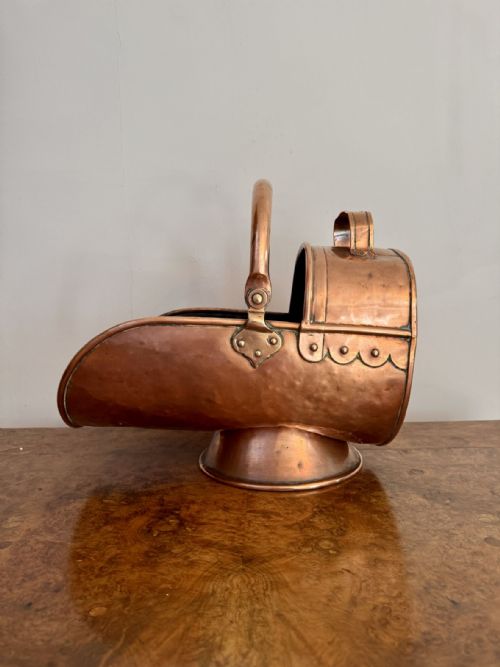
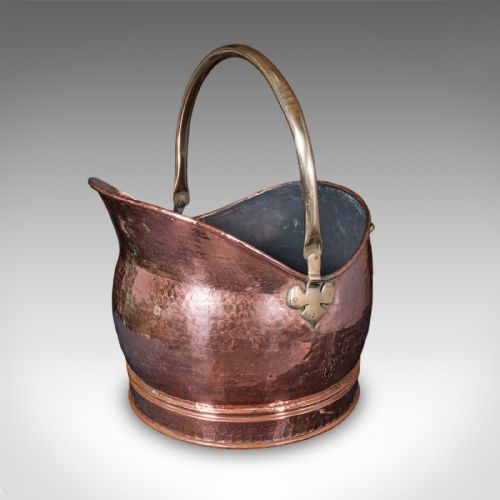
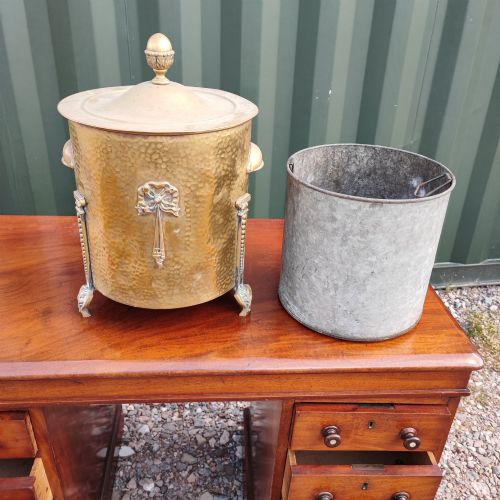
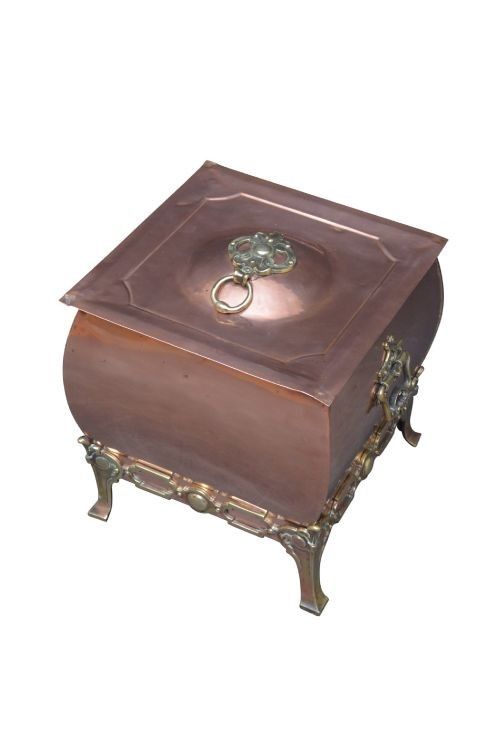
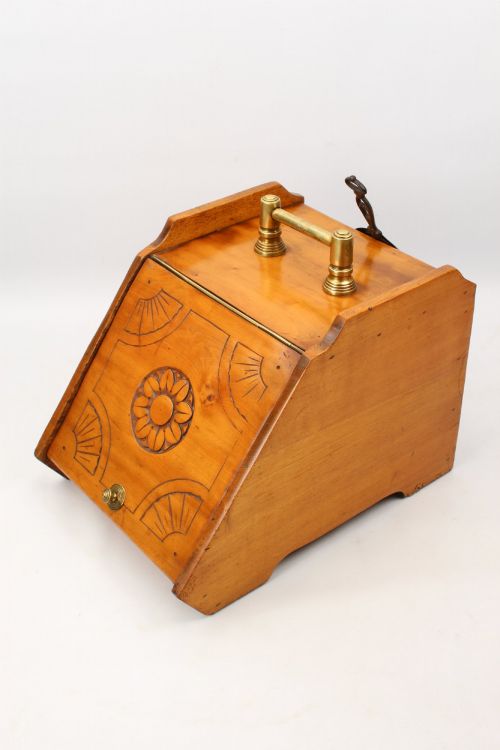
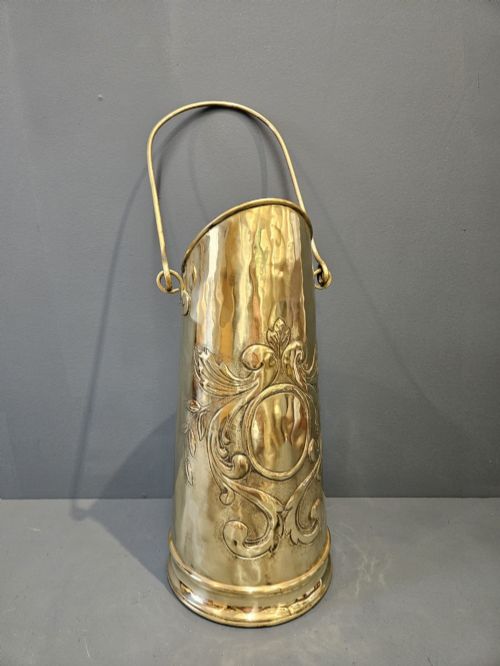
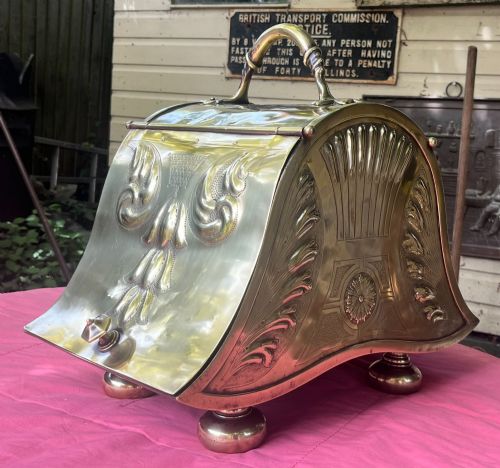
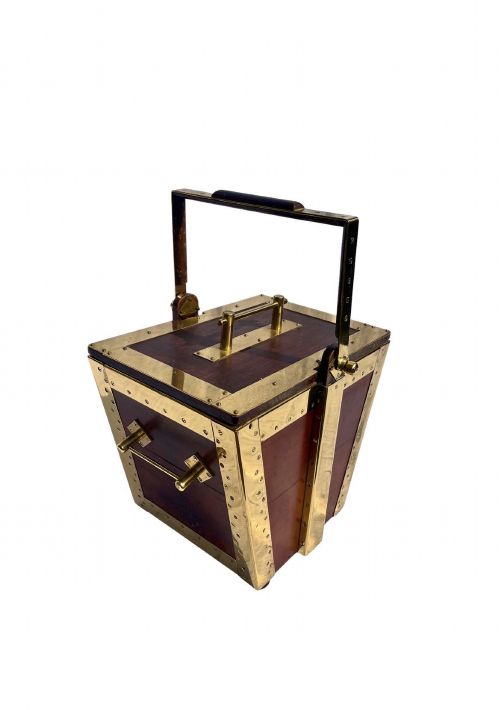
When you search for a victorian fireside scuttle, you encounter coal helmets, upright buckets, and hinged wooden boxes known as purdoniums. These pieces originate primarily from the nineteenth century, spanning periods from the eighteen-sixties through to the Edwardian era.
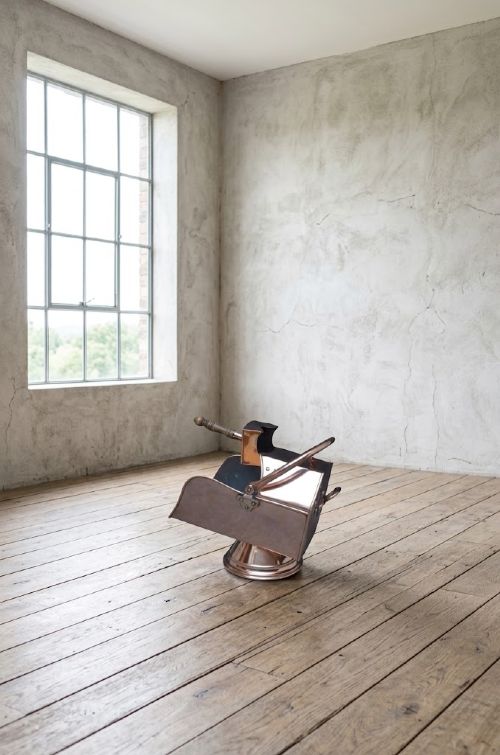
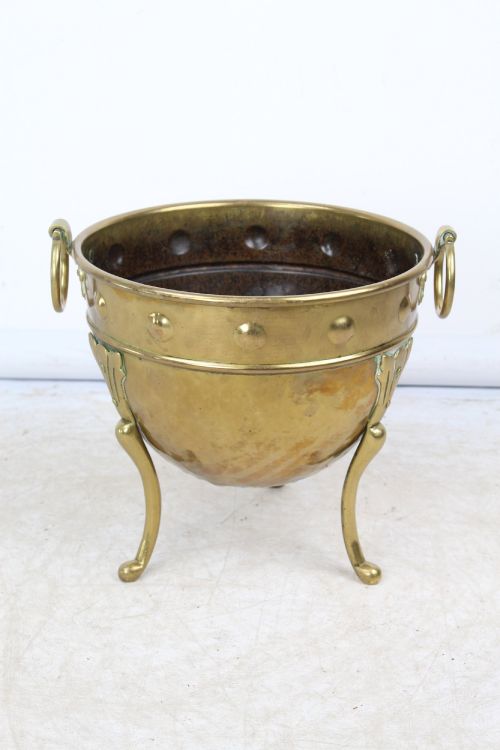
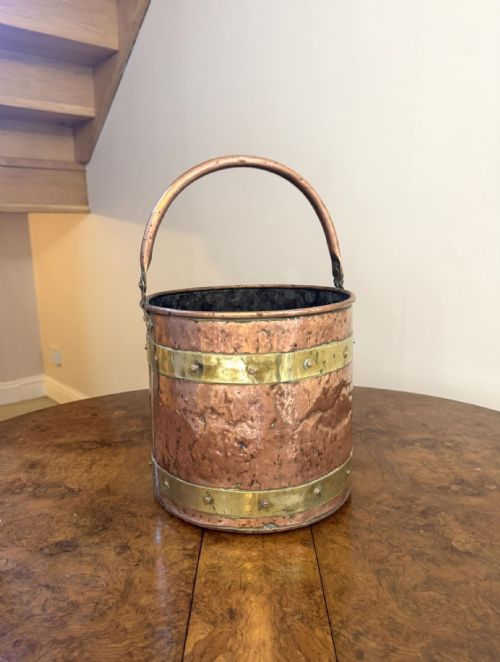
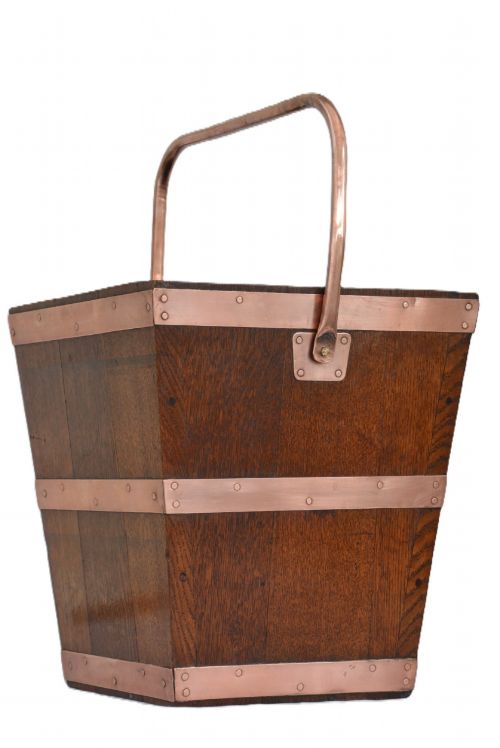
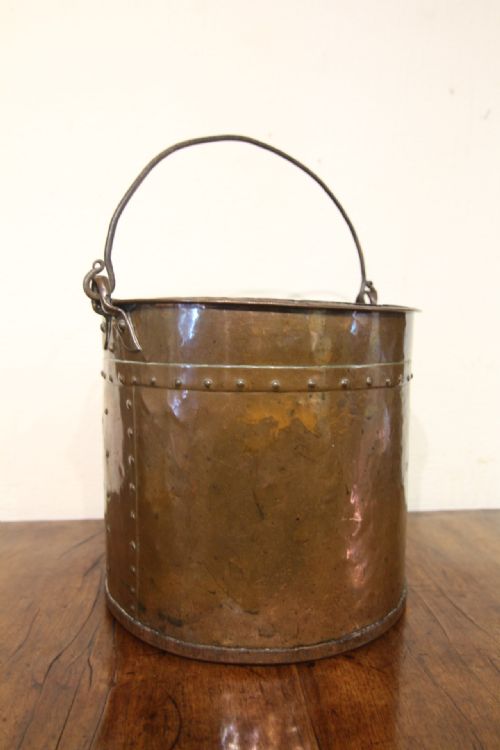
The commonest forms on this page are copper and brass helmets alongside oak or mahogany coal boxes fitted with metal liners. Many examples include matching shovels and wrought iron handles designed for carrying fuel to the grate.
Materials and Construction
Metal vessels rely on heavy gauge copper and brass sheets joined with visible rivets or smooth hammered seams, often mounted with sturdy wrought iron or brass carrying handles. These materials provide the durability required to withstand daily contact with heavy lumps of coal.
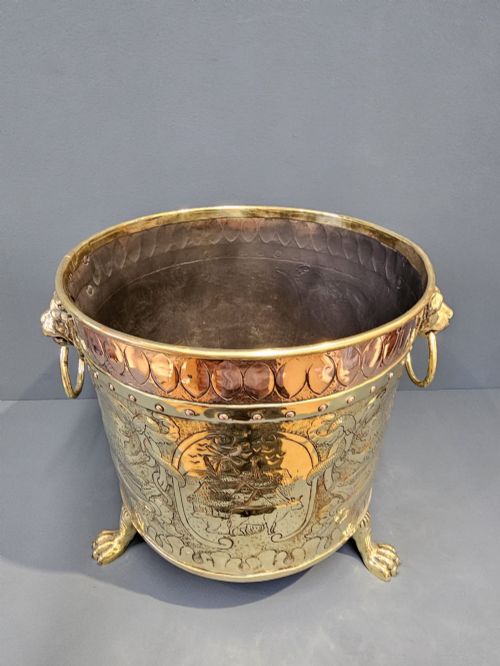
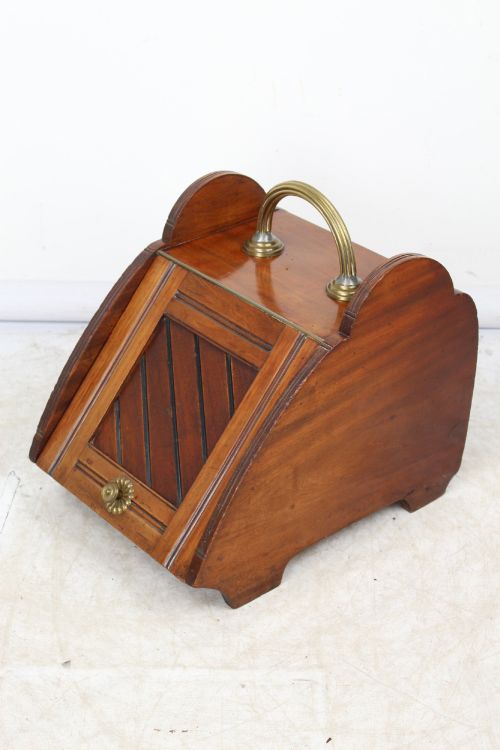
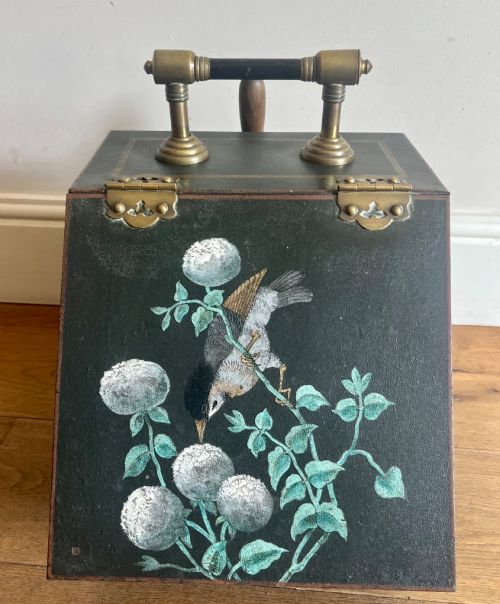
Wooden items utilise solid oak, walnut, or mahogany fashioned into enclosed boxes, occasionally featuring embossed brass panels, copper bands, or tole ware accents. Artisans of the period applied hand-finished details to the metalwork, incorporating decorative tavern scenes or floral motifs.
Victorian Fireside Scuttle Retail Price Guide 2026
Typical asking prices for victorian fireside scuttle among the pieces listed under this phrase on Sellingantiques today, from the lower quarter to the upper quarter. They describe what is for sale here now, not the wider market.
Some scuttles feature embossed tavern scenes, turning a humble coal container into a miniature art gallery by the hearth.
Distinctions in Quality
The distinction between ordinary utility items and superior examples lies in the weight of the metal and the integrity of the construction. Heavier copper gauges, solid brass mountings, and robust dovetail joints in wooden boxes separate finer pieces from standard production.
Makers and designers also dictate the standing of a piece, with recognised names and detailed embossing elevating certain scuttles above plain utilitarian containers. The presence of original matching shovels and uncompromised internal metal liners further distinguishes the better examples.
Henry Loveridge·Benham and Froud·Petrus Ramus
The Victorian Fireside Scuttle Glossary
- Purdonium
- A specialised coal box featuring a sloping front flap and an internal metal scoop or liner for dispensing fuel cleanly. This enclosed wooden cabinet became popular during the latter half of the nineteenth century.
- Helmet scuttle
- A vessel shaped like a traditional helmet, featuring a wide mouth for pouring coal and a raised loop handle at the back. This design directs fuel precisely into the hearth.
- Tole ware
- Enamelled and japanned metal objects decorated with painted or printed designs. It offers a colourful alternative to plain copper or brass hearth accessories.
- Log bin
- A deep cylindrical or rectangular container designed for storing larger pieces of firewood rather than small coal. These items often feature heavy copper banding or riveted construction.
Victorian Fireside Scuttle: Frequently Asked Questions
How do I clean an antique copper scuttle?
Polishing depends on whether you prefer a bright reflective finish or a deep historical patina built up over decades. Gentle cleaning with a suitable metal cream preserves the embossed details without stripping away the character of the piece.
Avoid harsh abrasive pads that scratch the soft copper surface. Regular dusting and occasional light wiping keep the metal secure from tarnishing further near active hearths.
What is the difference between a coal bucket and a purdonium?
A coal bucket is typically an open-topped metal vessel with a swinging handle, designed for carrying fuel directly from an outside store. It remains visible beside the fireplace as an active container.
A purdonium is an enclosed wooden cabinet, usually made of oak or mahogany, featuring a hinged front door that drops forward to reveal an internal metal shovel and liner. This design conceals the fuel entirely within a tidy piece of furniture.
Can I still use these scuttles for real fires?
Most metal helmets and buckets remain structurally capable of holding solid fuel or logs, provided the internal seams and bases stay intact. Many collectors continue to use them by the hearth exactly as intended.
Wooden purdoniums rely on removable metal liners to hold the coal safely away from the timber frame. Checking the condition of these internal liners ensures that moisture and grit do not damage the surrounding antique wood.
How can I date a brass and copper scuttle?
Dating relies on observing construction methods such as hand-riveting, rolled edges, and the style of the mounting brackets. Mid-nineteenth-century pieces often display heavier hand-worked copper sheets, while later Victorian and Edwardian examples incorporate machine stamping.
Associated makers' marks stamped onto the brass or copper provide definitive chronological markers. Stylistic shifts from plain utility vessels to ornate Arts and Crafts or Art Nouveau motifs also help narrow down the decade of manufacture.