
Victorian Fireplace Surround
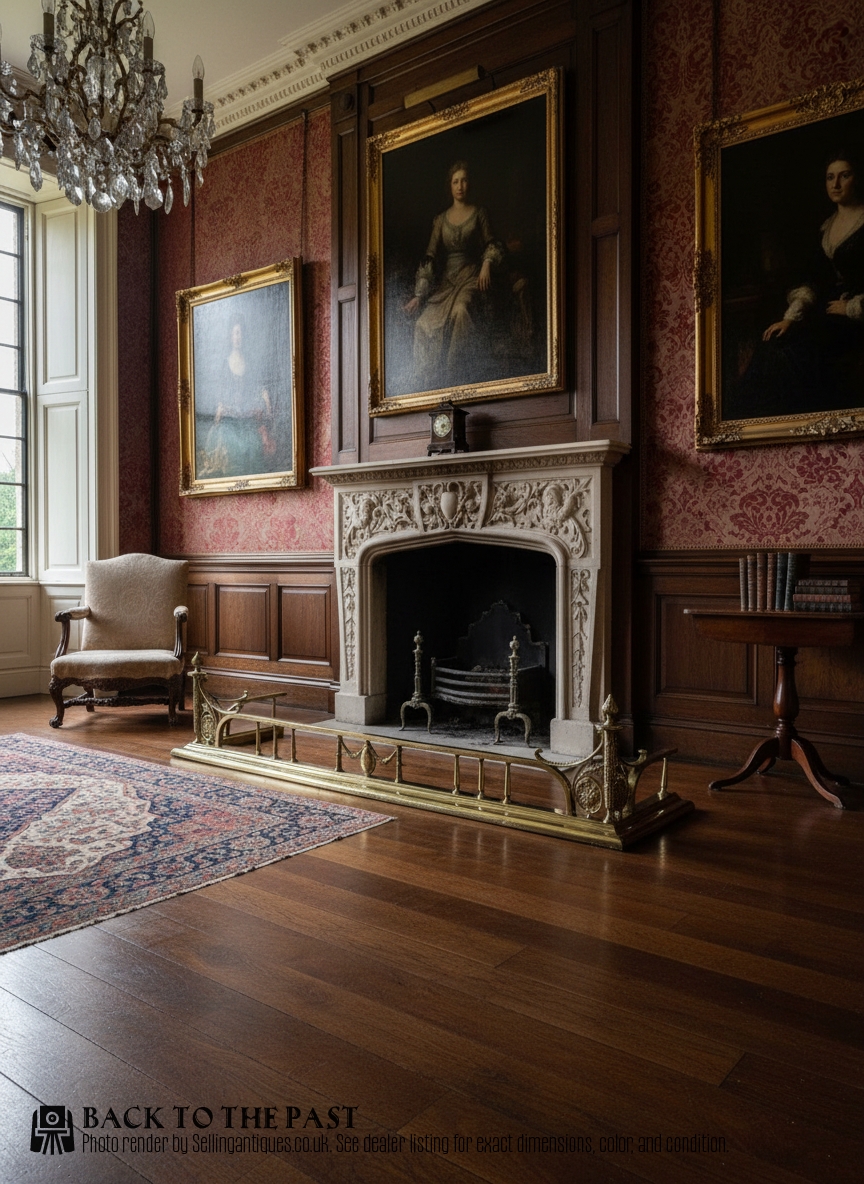
A victorian fireplace surround anchors a room with period proportion, and these cast iron, timber and marble examples bring authentic nineteenth-century weight to a hearth.
Victorian Fireplace Surround
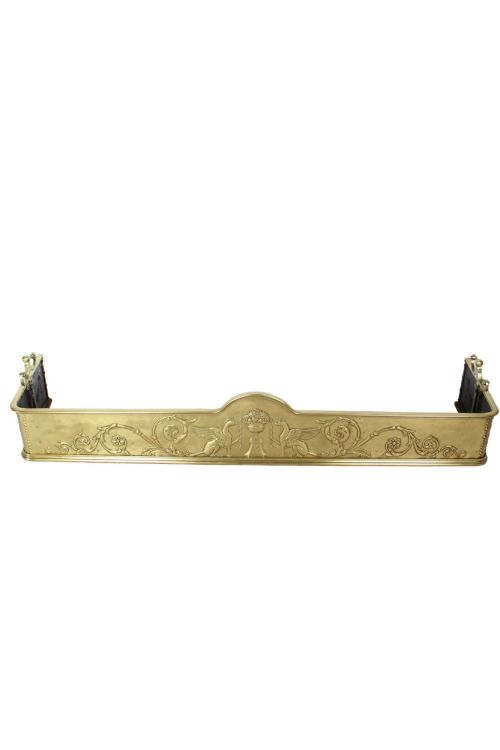
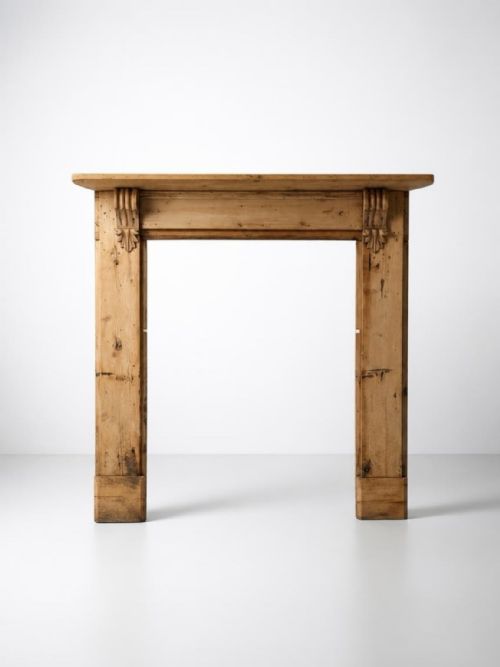
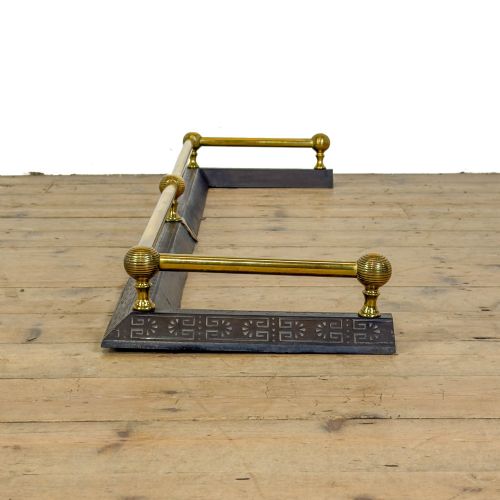
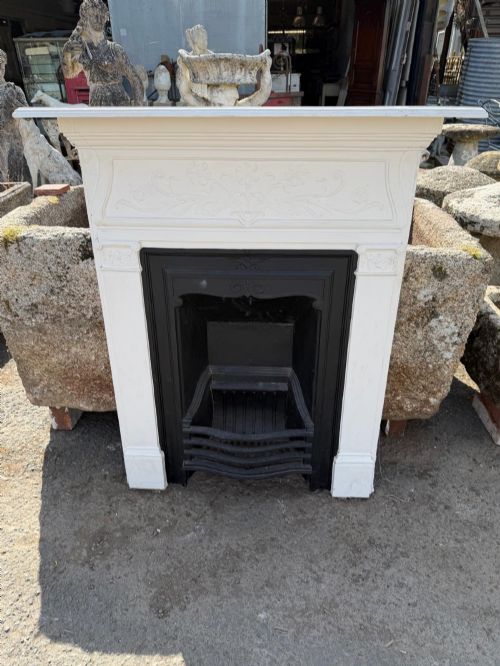
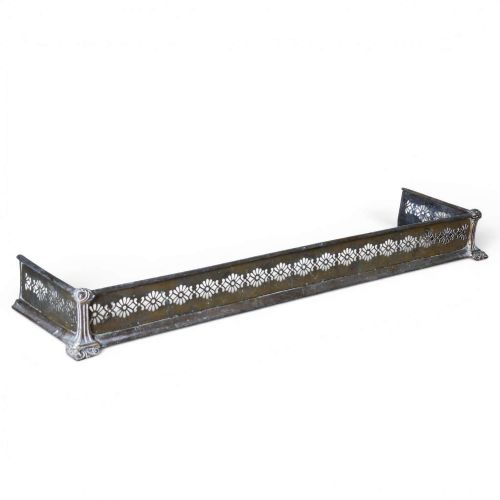
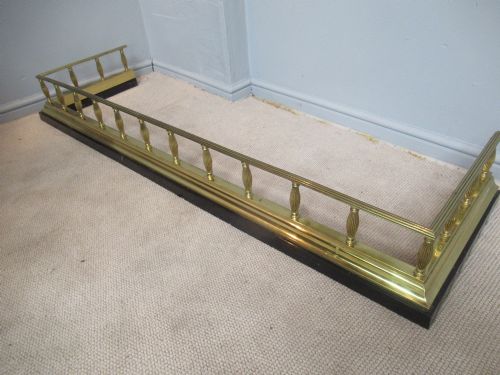
A victorian fireplace surround encompasses both the structural architectural mantlepieces framing a hearth and the protective metal fenders or kerbs sitting on the floor. Buyers searching this phrase meet architectural timber and marble frames alongside heavy metal hearth accessories designed to contain coal fires.
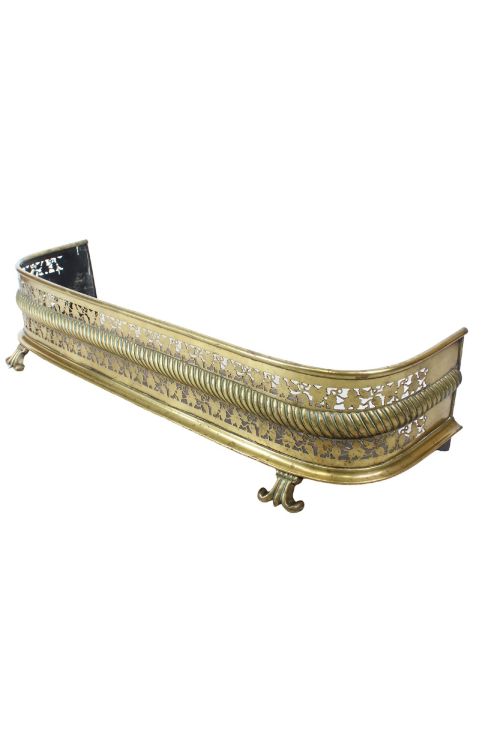
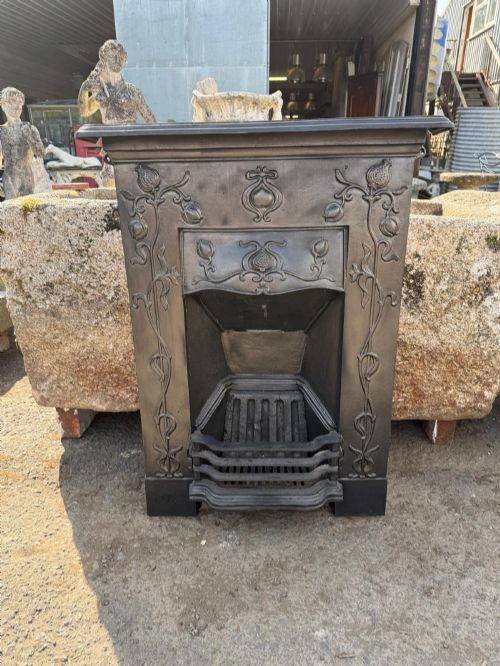
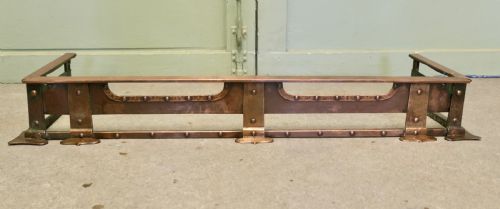
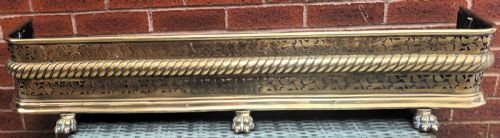
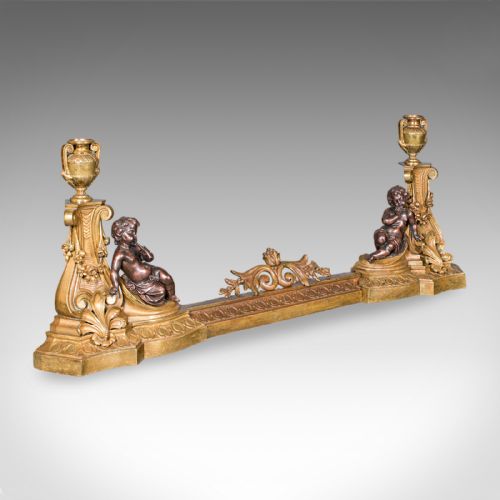
The material palette ranges from carved pine and pitch pine to white statuary marble and slate, often paired with cast iron combination grates. Metalwork forms dominate the selection, appearing as pierced brass, riveted copper, bronze, steel and iron.
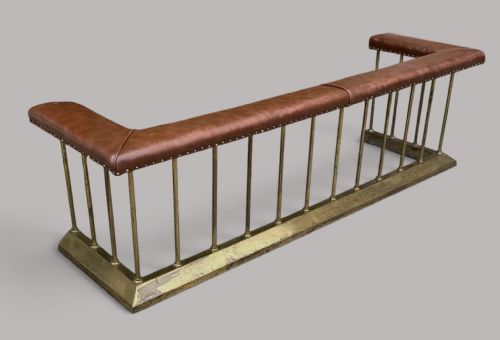
Origins stretch across the nineteenth century into the early twentieth century, taking in distinct design movements including Victorian Neoclassical, Gothic Revival, Arts and Crafts, Art Nouveau and Rococo Revival. Club fenders featuring leather-upholstered seating seats represent a prominent subtype among these hearth furnishings.
Materials and Metalworking Techniques
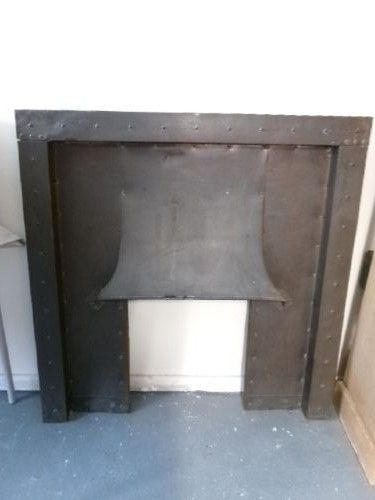
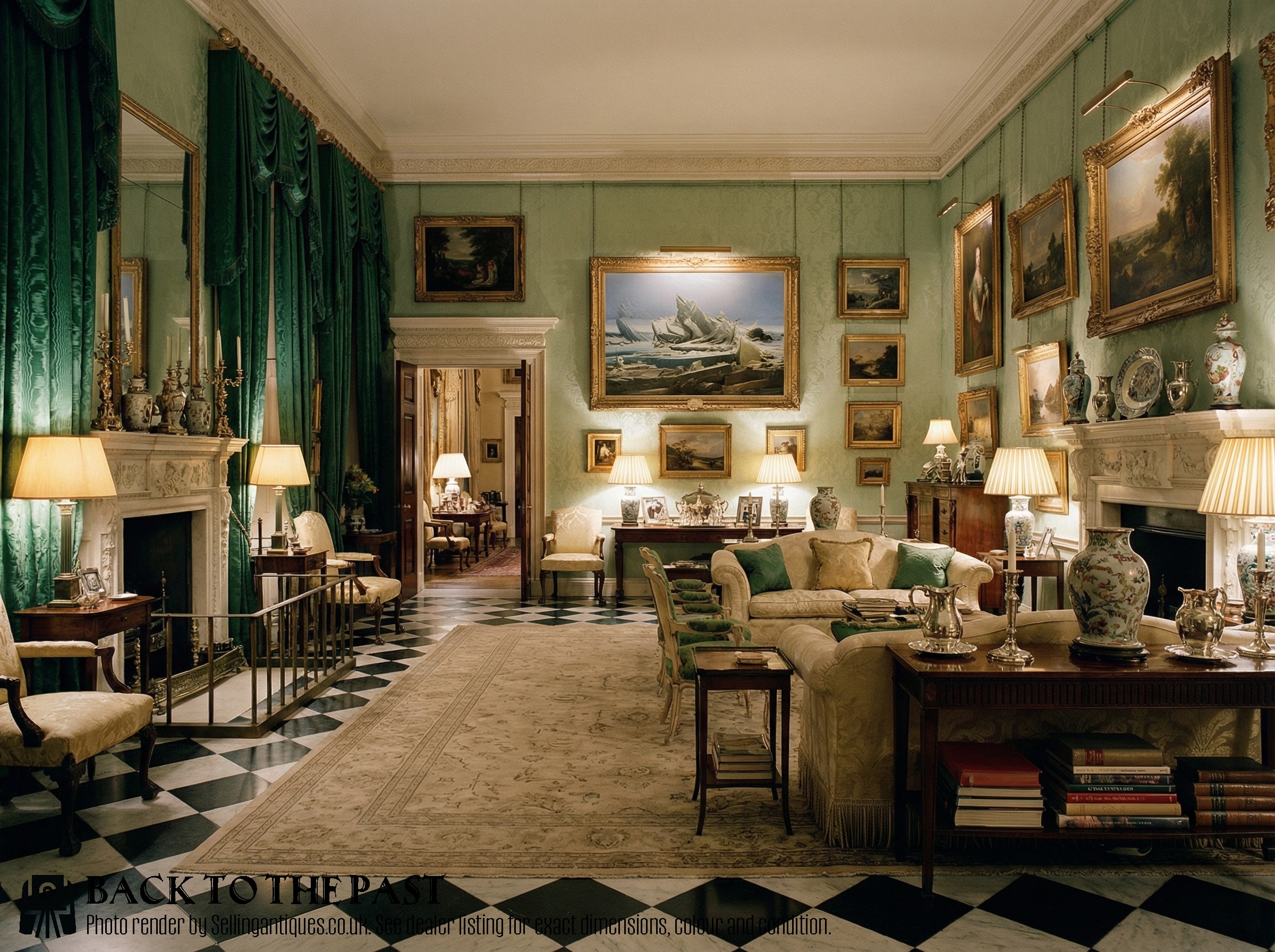
Foundries utilised cast iron and steel for structural strength, often combining these metals with brass components, copper hoods, and bronze details. Pierced brass work, flower patera, beaded decoration, and riveted copper panels demonstrate specialised nineteenth-century metal-forming techniques.
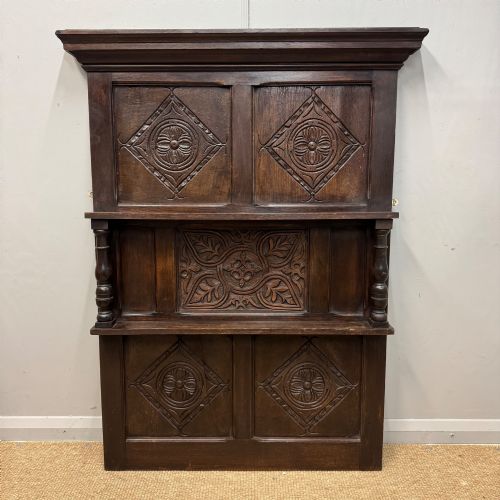
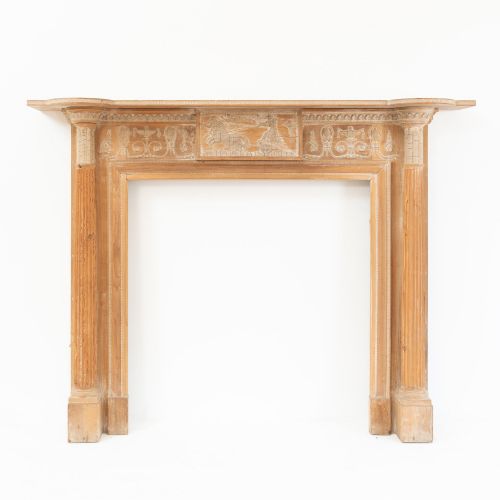
Woodworking craftsmanship appears in carved pine, pitch pine, and walnut fireplace surrounds, occasionally complemented by ebonised, marbled and gilded slate panels. Upholstered club fenders integrate mature tan leather seating pads supported by robust brass or steel frames.
Victorian Fireplace Surround Retail Price Guide 2026
Typical asking prices for victorian fireplace surround among the pieces listed under this phrase on Sellingantiques today, from the lower quarter to the upper quarter. They describe what is for sale here now, not the wider market.
Listings feature items spanning the Victorian, Edwardian and Arts and Crafts periods, constructed from brass, iron, steel, copper, oak, pine and marble.
Distinctions in Execution and Material Depth
Quality rests upon the crispness of architectural carving in timber and marble, or the intricacy of pierced brass and cast metal ornamentation. Pieces exhibiting refined patination on bronze, copper and brass demonstrate superior material honesty compared to heavily finished examples.
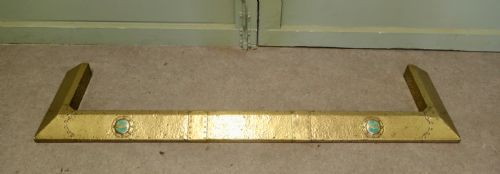
Construction substance dictates durability, separating robust cast iron grates and heavy gauge brass club fenders from lighter accessories. The integration of specialised decorative elements, such as green enamel cabochons or detailed floral patera, elevates individual pieces above standard production.
The Victorian Fireplace Surround Glossary
- Club fender
- A low metal hearth surround featuring upholstered leather seats on top. These originated in gentlemen's clubs to provide extra seating close to the fire.
- Patera
- A circular ornamental bas-relief resembling a classical libation dish. Craftsmen applied these decorative motifs to metal and woodwork.
- Combination fireplace
- A self-contained metal fireplace unit incorporating the grate, mantle and surround in a single piece. Foundries cast these as unified assemblies during the nineteenth century.
- Fire kerb
- A low metal barrier placed around the hearth to keep embers contained. These often feature adjustable widths to fit different fireplace openings.
Victorian Fireplace Surround: Frequently Asked Questions
How do I choose the right size?
Measure your hearth opening and overall wall space carefully before browsing available dimensions. Pay close attention to internal clearance and adjustable frame capabilities.
Matching the proportions of the surround to your room volume ensures the architectural weight balances the space correctly.
What is a club fender?
A club fender is a specialised hearth surround equipped with cushioned leather seats on the upper rails. This design allowed people to sit directly beside the fire.
These pieces combine functional metal guards with comfortable furniture, serving as a social focal point in period rooms.
How do I clean brass and copper?
Maintain metal surfaces by dusting regularly with a soft cloth to preserve historical patination. Avoid harsh chemical cleaners that strip aged finishes.
Gentle cleaning protects the integrity of nineteenth-century brasswork, riveted copper panels and bronze details.
Can these surrounds be used with modern fires?
Many antique surrounds accommodate modern gas or electric fire inserts with proper professional fitting. Timber and marble surrounds require correct heat clearance specifications.
Consult a specialist installer to ensure safe integration between historic surrounds and contemporary heat sources.