
Victorian Fireplace Fender
A victorian fireplace fender anchors the hearth, protecting the room from stray embers while defining the hearth itself with metal and leather.
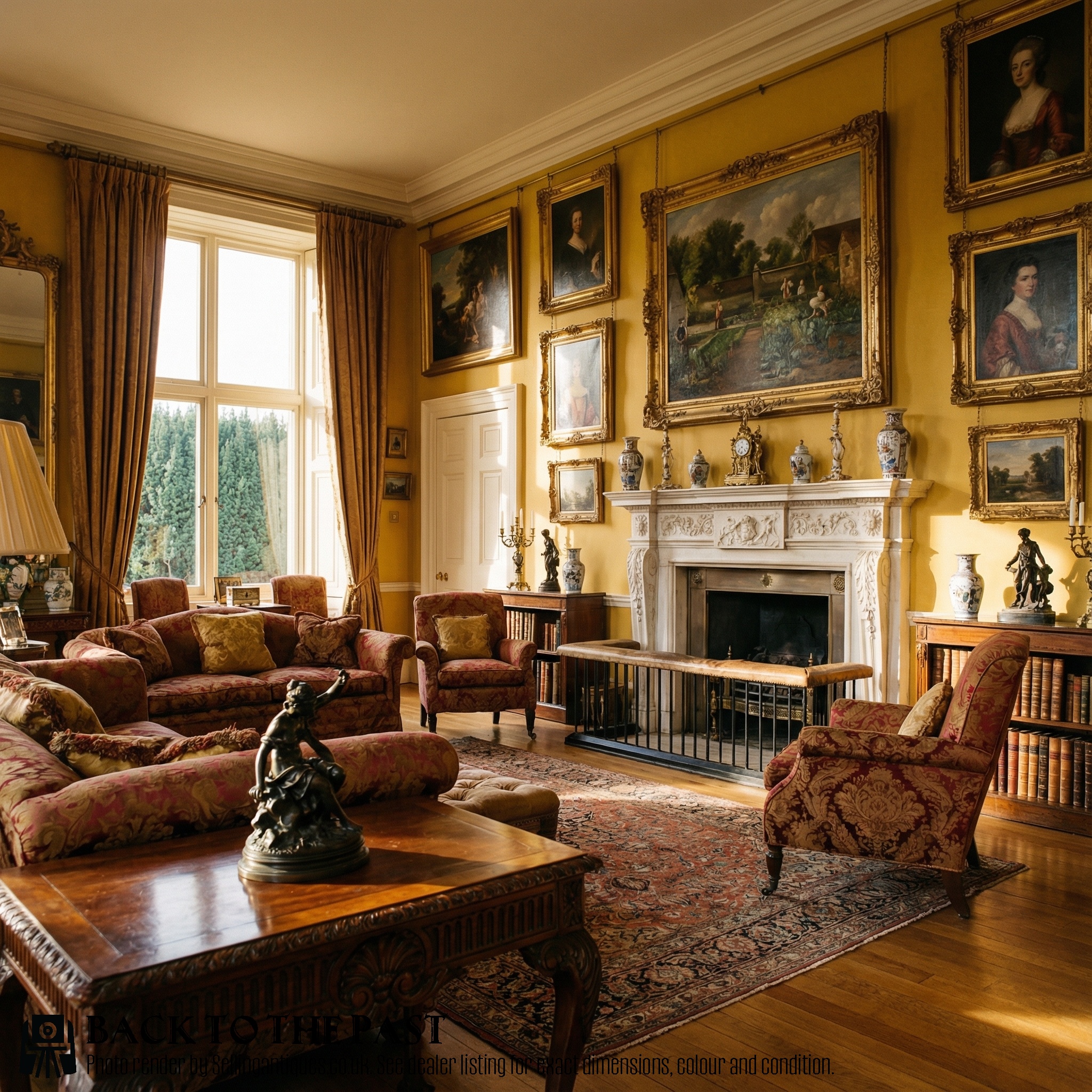
Victorian Fireplace Fender
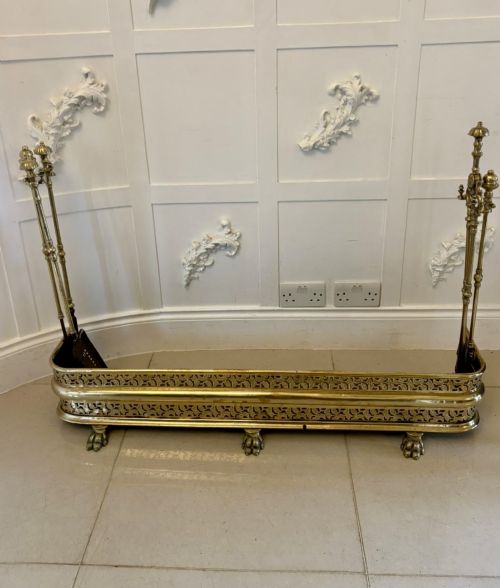
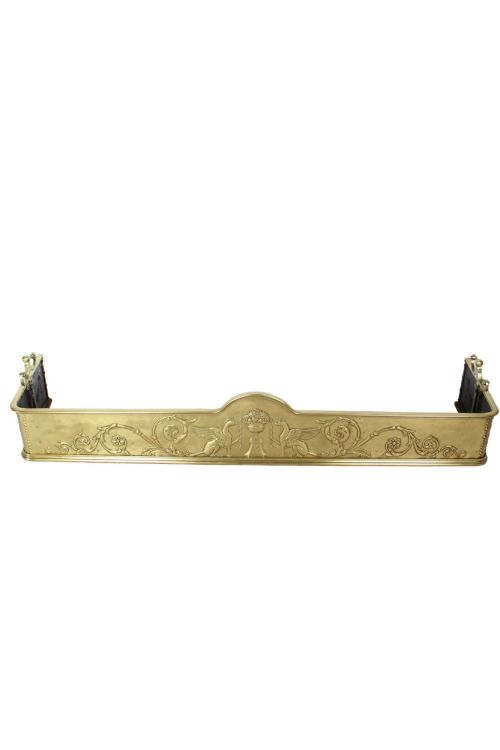
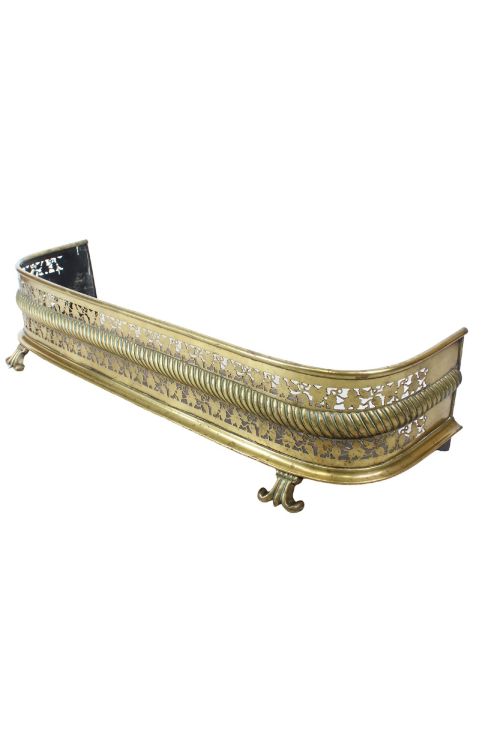
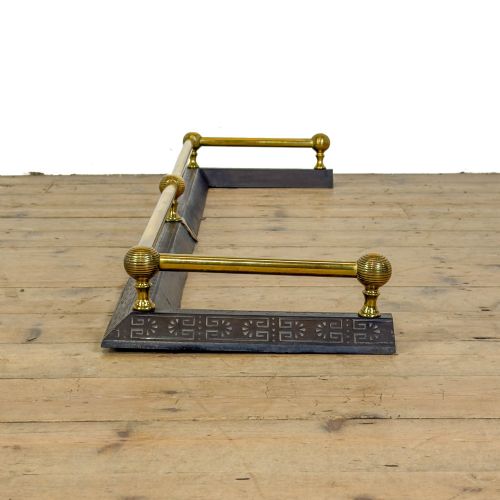
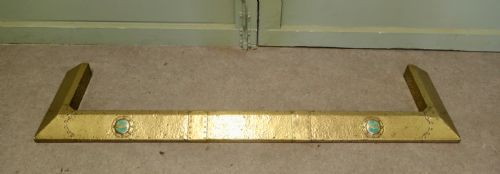
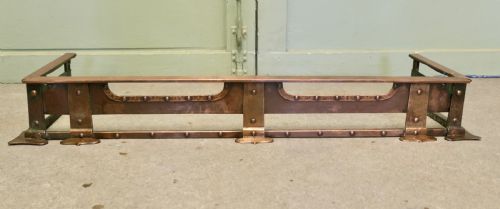
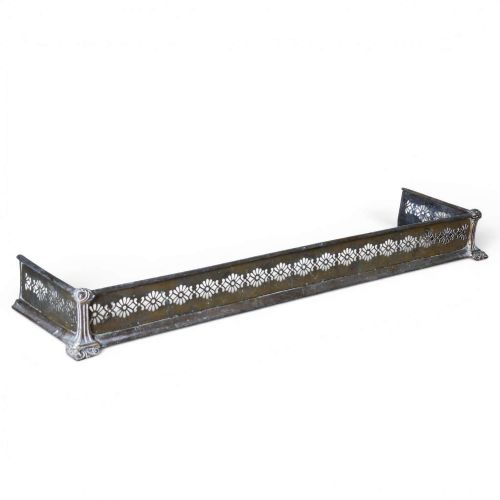
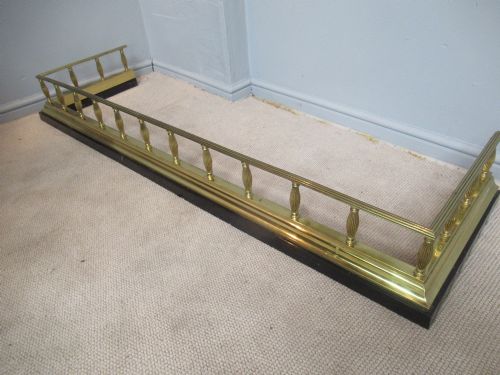
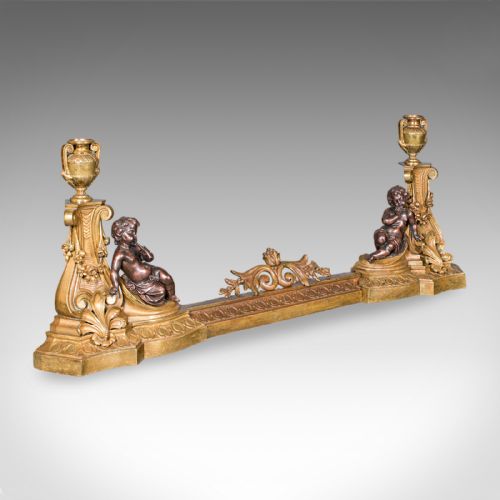
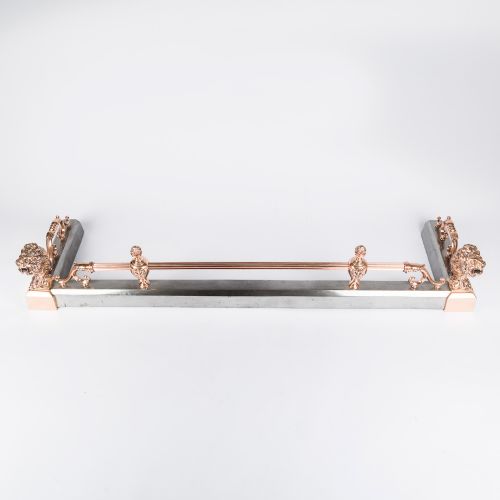
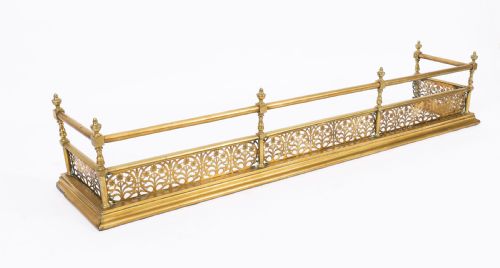
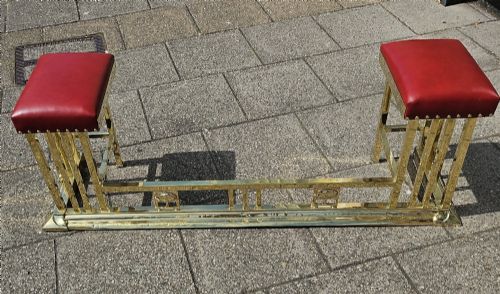
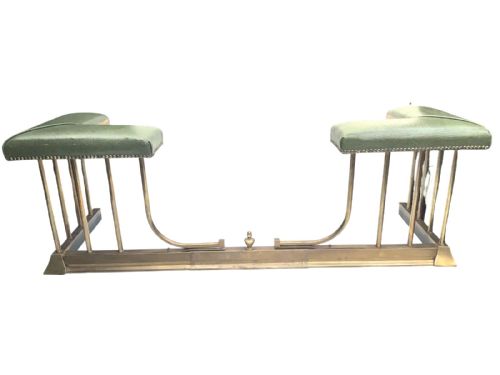
A victorian fireplace fender frames the hearth base, appearing in forms ranging from simple pierced metal kerbs to substantial seated club fenders with leather tops. These hearth boundaries emerge from the nineteenth century in various dimensions, occasionally featuring adjustable frames or integrated fire irons.
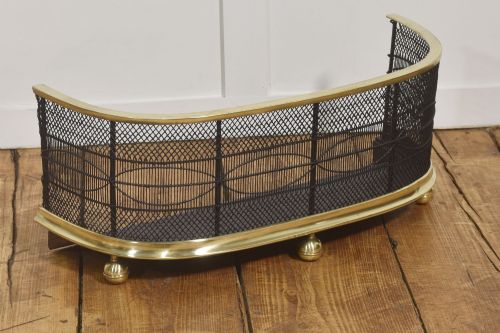
The most common examples on this page are constructed from polished brass and iron, spanning straight kerb shapes and padded club seating designed for fireside warmth. Pieces vary from understated nineteenth-century frames to decorative expressions incorporating wire mesh guards and nursery rails.
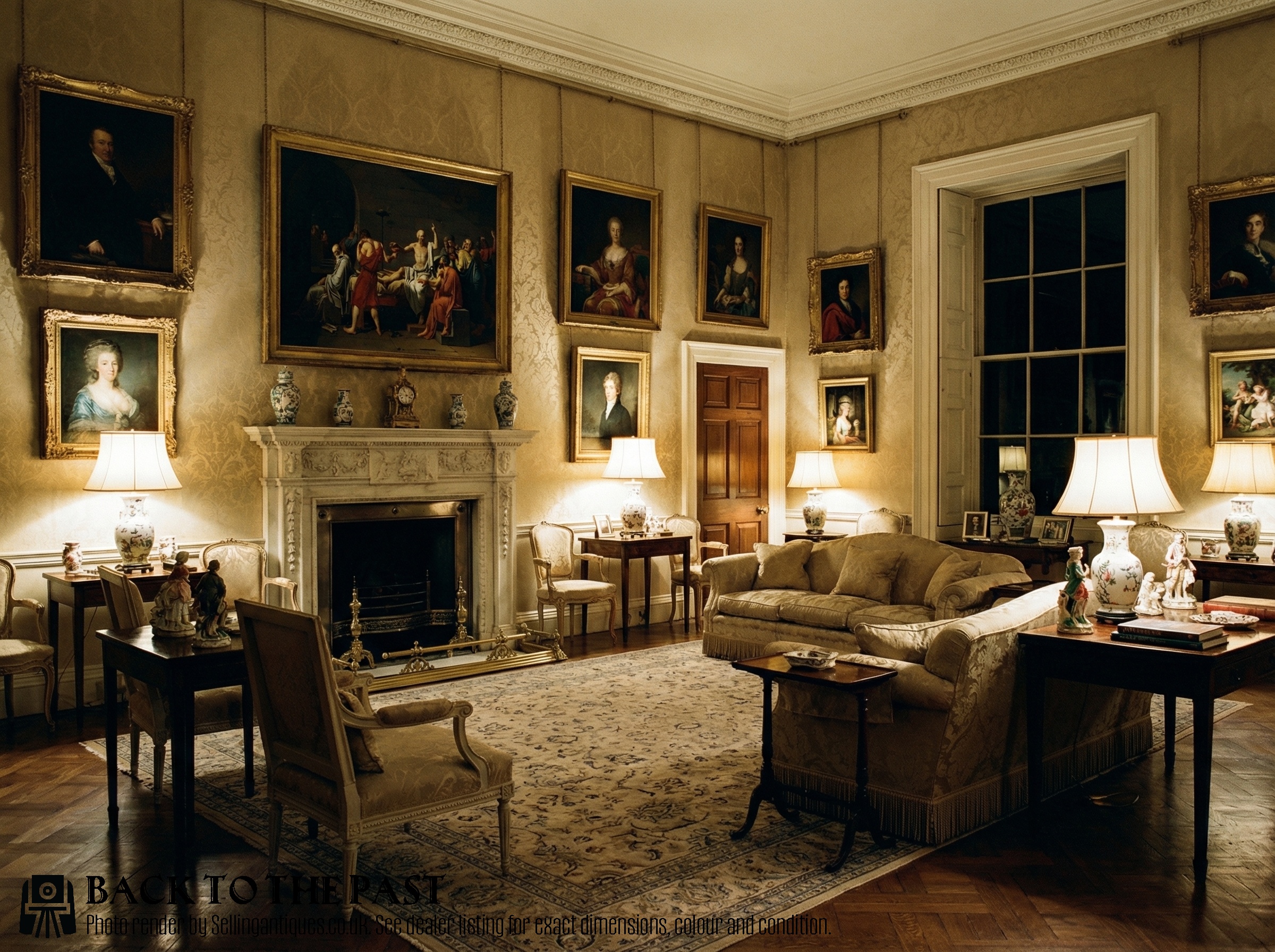
Materials and Construction
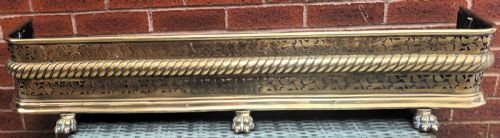
Craftsmen shaped these hearth guards using heavy cast iron, beaten copper, and solid brass sections joined with visible rivets and structural screws. Metalwork frequently incorporates pierced fretwork, embossed floral patera, and applied wirework mesh.
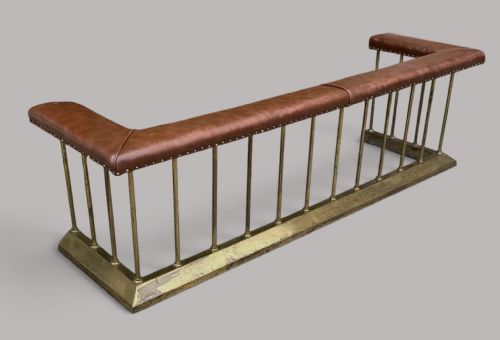
Seated variants integrate dense internal padding upholstered in mature tan leather, secured with traditional studwork. Steel and bronze components provide robust frameworks designed to withstand daily proximity to open coal fires.
Victorian Fireplace Fender Retail Price Guide 2026
Typical asking prices for victorian fireplace fender among the pieces listed under this phrase on Sellingantiques today, from the lower quarter to the upper quarter. They describe what is for sale here now, not the wider market.
The listings show materials spanning brass, iron, leather, steel, copper, wire mesh, cast iron, and bronze across the nineteenth century.
Judging Quality
Quality rests upon the thickness of the gauge metal used and the crispness of any pierced or chased detailing along the frieze. Substantial weight, robust corner joints, and well-preserved original patination distinguish superior metalwork from lighter alternatives.
For club versions, the integrity of the leather upholstery and the structural firmness of the internal frame determine the standard of the piece. Fine examples retain uncompromised adjustments and original fixings without replacement structural elements.
The Victorian Fireplace Fender Glossary
- Club fender
- A low-seated hearth surround featuring padded leather top rails, allowing people to sit directly beside the fire.
- Nursery fender
- An extended protective barrier incorporating a tall wire mesh guard designed to keep children safely away from open flames.
- Patera
- A circular ornamental bas-relief disc, often carved or embossed with flower motifs on metal fireplace surrounds.
- Pierced brass
- Metalwork perforated with decorative geometric or floral patterns, letting light pass through the border of the kerb.
- Fire kerb
- A low metallic barrier set directly against the hearth stone to contain rolling logs and coal.
Victorian Fireplace Fender: Frequently Asked Questions
What is a club fender?
A club fender is a specialised hearth surround equipped with upholstered leather top rails that function as low seats.
Originating in gentlemen's clubs and large country houses, these pieces allowed people to sit directly beside the fire while keeping sparks contained.
How do I measure for a fender?
Measure the width and depth of your fireplace opening and hearth stone to ensure the internal dimensions of the metal frame fit comfortably around the hearth.
Keep in mind that some nineteenth-century examples feature adjustable mechanisms, allowing slight expansion to match specific floor spaces.
Were these used with fire irons?
Many hearth guards and kerbs were designed to accommodate companion sets, occasionally pairing with matching pokers, tongs, and shovels.
Sets often integrated side rests or specific holders built directly into the metal framework for convenient access.
How do I care for brass and copper?
Maintain metal surfaces by dusting regularly with a soft cloth and preserving the natural historic patination built up over decades.
Avoid abrasive chemical cleaners that strip away the aged surface character developed through nineteenth-century use.