

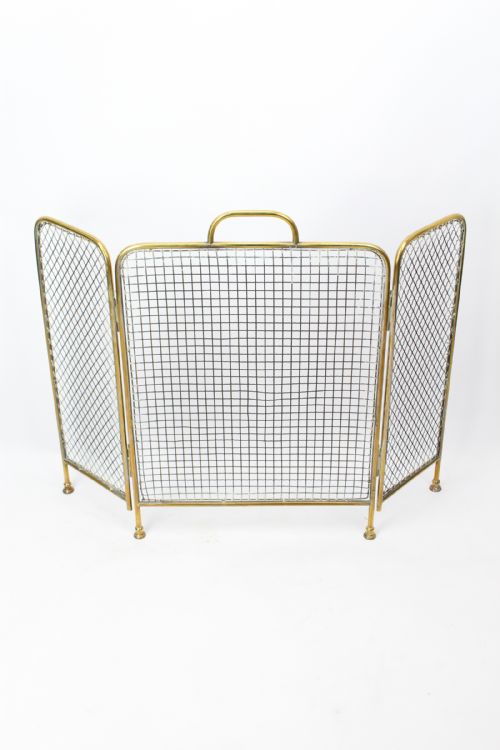


Victorian Fire Screen Panel
A victorian fire screen panel protects rooms from hearth heat while displaying needlework, glass, or brass craftsmanship.
Victorian Fire Screen Panel
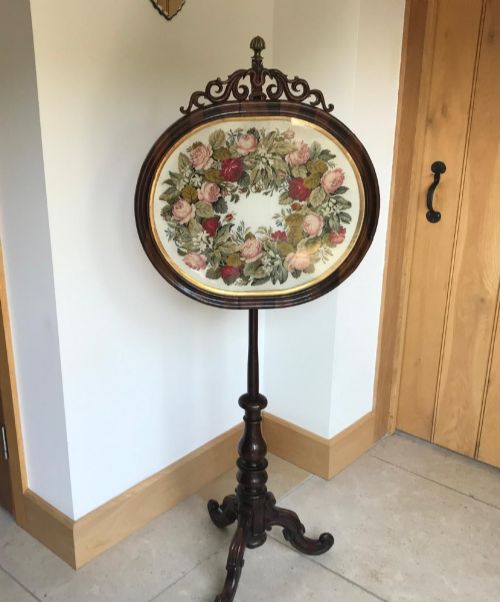
When searching for a victorian fire screen panel, buyers encounter decorative hearth barriers designed to block intense open fire radiation. These pieces appear in forms ranging from freestanding cheval frames and pole screens to multi-panel folding guards.
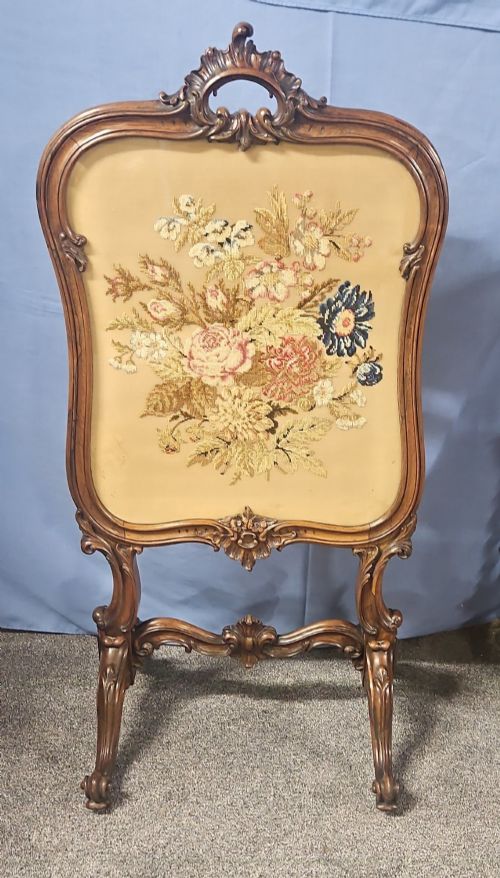
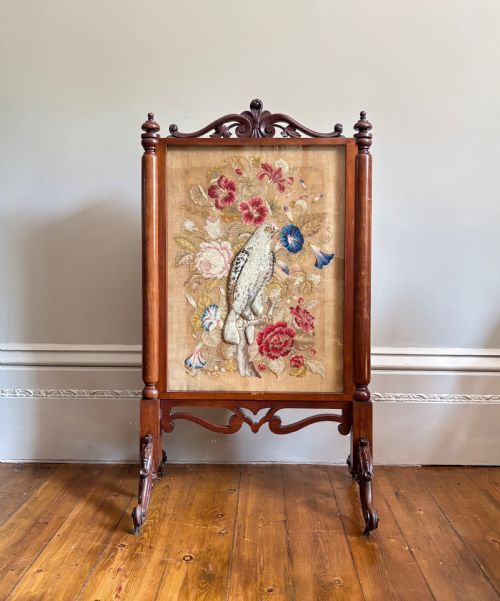
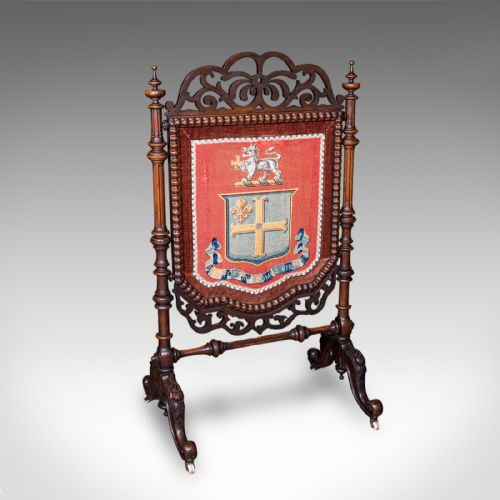
The most common versions on this page combine timber frames in rosewood, mahogany, or walnut with textile inserts. Needlework, woolwork, tapestry, and Berlin work panels dominate the surviving examples from the nineteenth century.
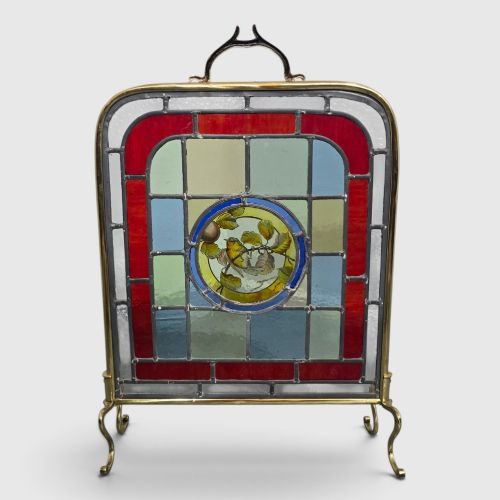
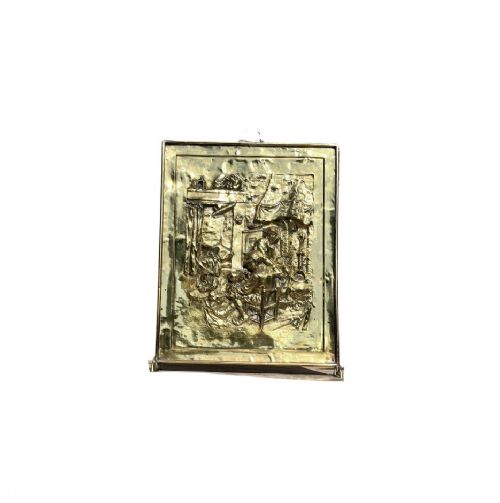
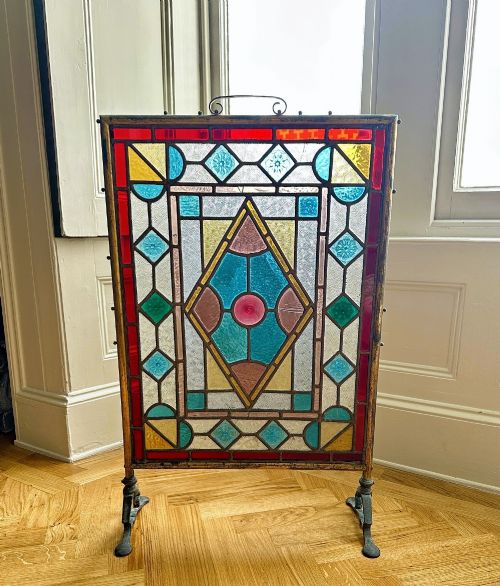
Alternative configurations utilise metal framework in brass, copper, and iron, sometimes incorporating stained glass, mirrors, or painted canvas. Certain examples double as occasional tables or feature adjustable pull-out leaves.
What varies in quality
The distinction between standard and superior pieces rests upon the execution of the frame carving and the complexity of the internal panel. Finely worked pastoral tapestry, armorial embroidery, or intricate stained glass elevates an object far beyond a basic wooden frame with simple fabric.
Material selection and structural ingenuity also dictate standard, evident in the choice of dense hardwoods like rosewood and walnut over simpler softwoods, as well as the inclusion of metamorphic table functions or multi-panel folding mechanisms.
Listings span multiple nineteenth-century periods, incorporating woods like rosewood and walnut alongside brass, copper, and iron.
The Victorian Fire Screen Panel Glossary
- Pole screen
- A vertical screen mounted on a tall wooden pole with an adjustable friction collar allowing the panel to slide up and down. This design enabled occupants to shield their faces from fireplace heat.
- Berlin work
- A type of counted-thread embroidery popular during the nineteenth century using wool on canvas guided by printed coloured grid patterns. These vibrant panels form the central display of many hearth screens.
- Cheval screen
- A freestanding screen supported by two sturdy side pillars and feet, allowing the main panel to swing on a central axis. This form provides a large display surface for detailed tapestries.
- Spark guard
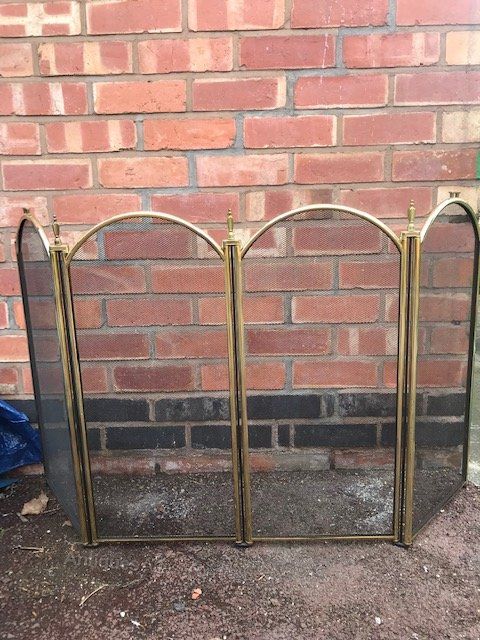
- A metal mesh or iron screen designed primarily for safety rather than decoration, stopping stray embers from reaching the room. Many incorporate folding sections for adjustable hearth coverage.
Victorian Fire Screen Panel: Frequently Asked Questions
What is a pole screen?
A pole screen is a type of freestanding hearth accessory featuring a vertically adjustable panel mounted on a slender wooden shaft with a weighted base.
Occupants adjusted the height of the embroidered or tapestry panel to block radiant heat from the fireplace while seated in the room.
How were fire screens used?
Victorian fire screens served a practical role by protecting the faces and complex dyes of inhabitants' clothing from the fierce heat of open coal fires.
When not shielding a room from the hearth, these decorative panels added colour and texture to the interior living space.
What materials are common?
Frames are constructed predominantly from hardwoods such as rosewood, mahogany, walnut, and carved oak, alongside metal structures in brass, copper, and iron.
The central panels utilise woolwork, needlepoint, tapestry, silk embroidery, stained glass, and mirrored glass.
How do folding screens work?
Folding screens utilise multiple hinged sections constructed from brass, iron, or wood that angle around the hearth opening.
This hinged design allows the guard to expand for full fireplace coverage or fold flat for compact storage when the fire is extinguished.