



Gold Silk Embroidered Panel
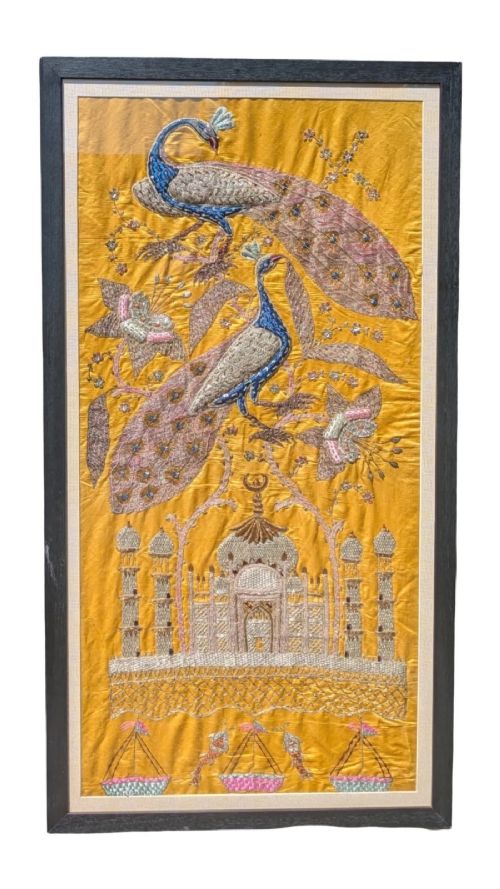
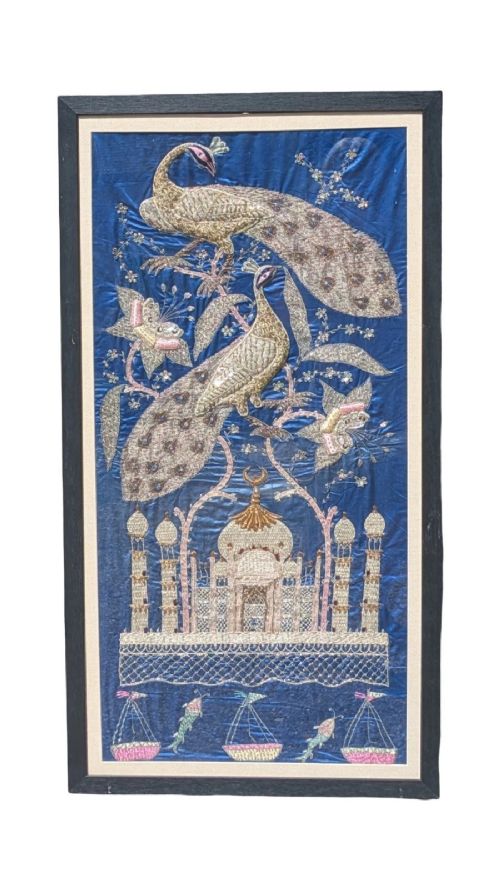
These gold silk embroidered panel pieces are textile works that bring historic metallic threadwork and fine fabrics into modern rooms.
Gold Silk Embroidered Panel
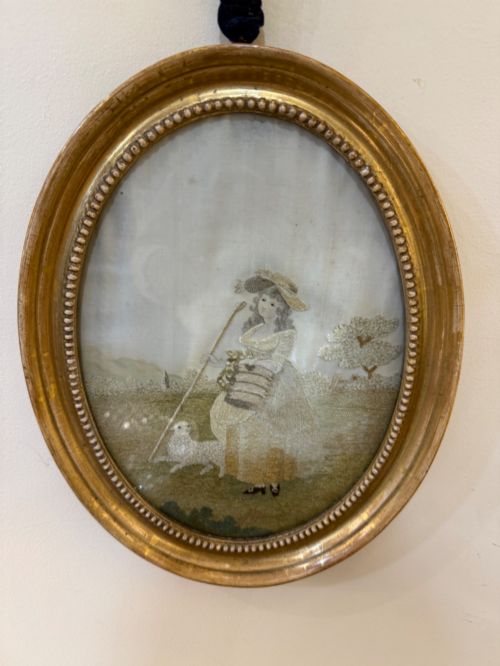
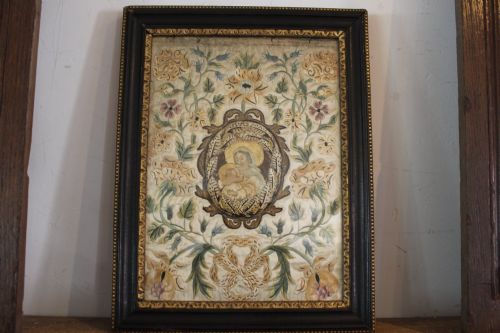
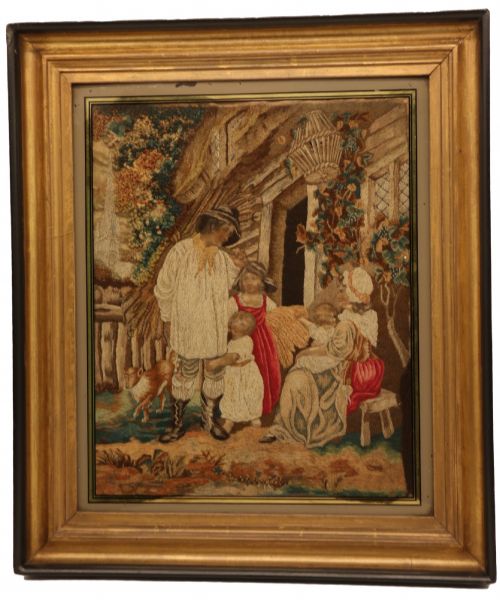
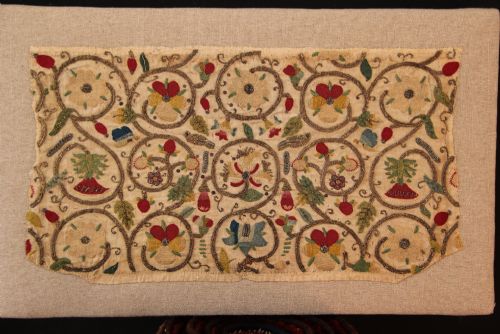
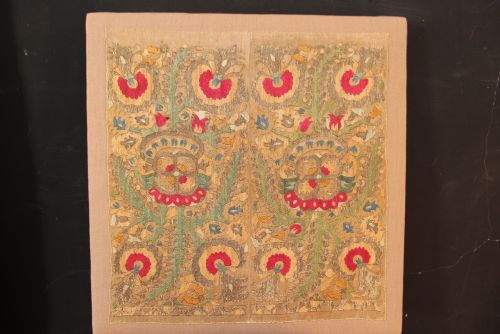
A gold silk embroidered panel represents centuries of textile artistry, ranging from English coifs and Georgian needlework pictures to Ottoman fragments and Indian silk depictions. Buyers seeking a gold silk embroidered panel will encounter diverse forms, including framed wall art, folding screens, pilaster hangings, and mounted textile pictures.
The selection spans periods from the seventeenth century through the Victorian era up to the early twentieth century. English, Greek, Indian, Ottoman, and Japanese origins appear across the inventory, showcasing regional needlework traditions and distinct cultural aesthetics.
How They Were Made
Artisans built these textiles using silk, linen, and wool grounds stitched with metallic thread, gold leaf, and silk floss. Many examples feature specialised techniques such as crewel work and needlework pictures executed on woven fabric.
Framed pieces frequently utilise wood, glass, and giltwood or water-gilded frames to protect the fragile embroidery. Structural supports for larger items include wooden folding screens and room dividers.
Military precision meets domestic craft in a commemorative embroidery dedicated to the Royal Field Artillery.
What Varies in Quality
The distinction between ordinary and exceptional panels lies in the precision of the needlework and the preservation of the metallic threads. Superior examples display dense, intricate stitching and vibrant silk work that retain their original pictorial depth.
The quality of the associated framing significantly influences the presentation. Hand-carved giltwood or water-gilded frames from the period elevate the status of a textile compared to later or simpler mountings.
The Gold Silk Embroidered Panel Glossary
- Coif
- A close-fitting cap worn in the sixteenth and seventeenth centuries, often decorated with elaborate embroidery. Surviving fragments show meticulous needlework using metallic threads on fine linen.
- Crewel work
- A type of surface embroidery executed using wool or silk yarn on a sturdy linen or cotton twill ground. This technique creates textured designs found in early pieces.
- Giltwood
- Wood that has been coated with a thin layer of gold leaf or gold powder. Frames made from this material often accompany fine needlework pictures.
- Needlework picture
- A decorative textile created by stitching pictorial scenes onto a fabric ground with thread. These are commonly framed behind glass for wall display.
Gold Silk Embroidered Panel: Frequently Asked Questions
How should I hang an antique textile?
Protect framed pieces from direct sunlight to prevent the silk and metallic threads from fading over time. Keep them away from high-moisture areas to preserve the integrity of the fabric and wooden frames.
Ensure the hanging hardware is secure, particularly for heavier framed items or multi-panel screens. Professional framing with conservation-grade materials helps support the weight and structure of fragile textiles.
How do I identify seventeenth-century needlework?
Examine the materials and stitching techniques for characteristics typical of the period, such as metal threads and specific motifs. Stuart and Jacobean works often feature distinct stylistic elements and subdued colour palettes.
Consult the framing and backing of the panel for clues regarding its age and mounting history. Early examples frequently show hand-spun threads and foundational fabrics consistent with historical manufacturing methods.
What is the difference between a screen and a wall panel?
Folding screens serve as functional room dividers or photographic props, constructed with multiple hinged panels covered in embroidered fabric. They are designed to stand independently in a room.
Wall art and framed textile pictures are mounted specifically for vertical display on a wall. These pieces are protected behind glass or secured within specialised wooden frames.
How are metallic threads used in these panels?
Metallic threads provide lustrous highlights and structural definition to the embroidered designs. Artisans wound metal strips around core yarns to create durable threads that catch the light.
Over centuries, these threads may develop a natural tarnish or patina that indicates age. Their presence distinguishes high-status decorative textiles from simpler domestic embroidery.