

Victorian Farmhouse Chair
A victorian farmhouse chair brings the sturdy timber grain and honest joinery of nineteenth-century rural life straight into a modern interior.
Victorian Farmhouse Chair
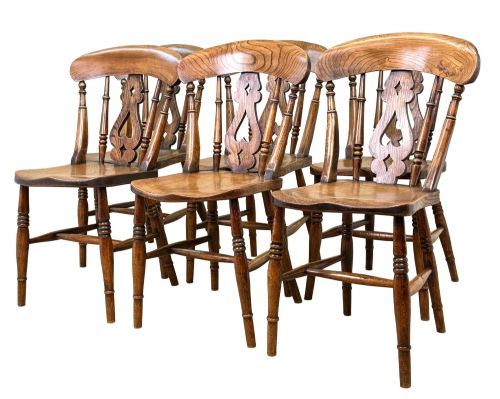
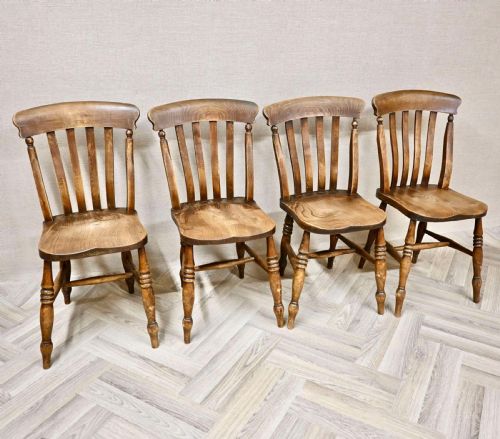
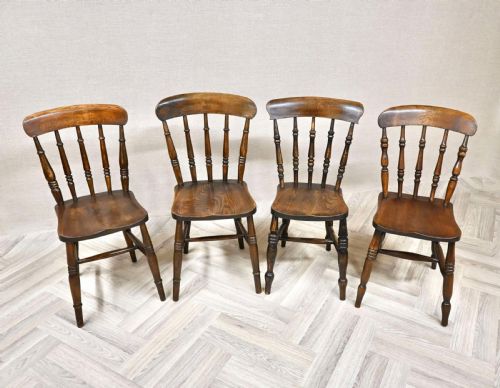
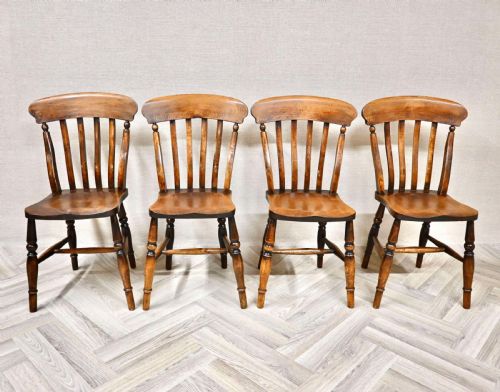
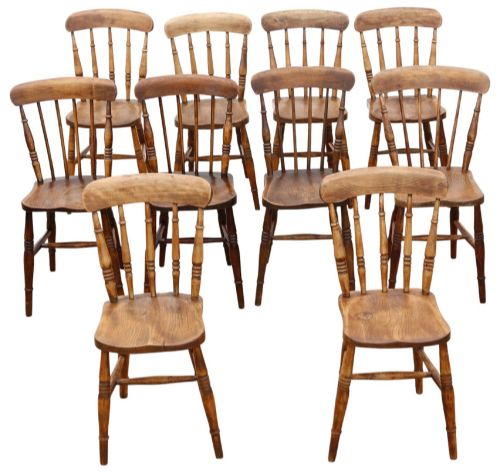
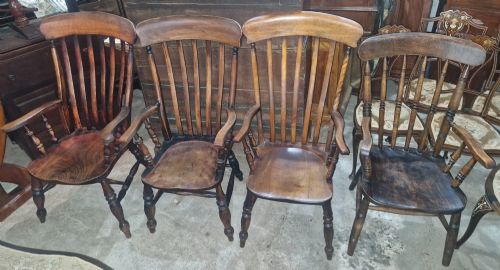
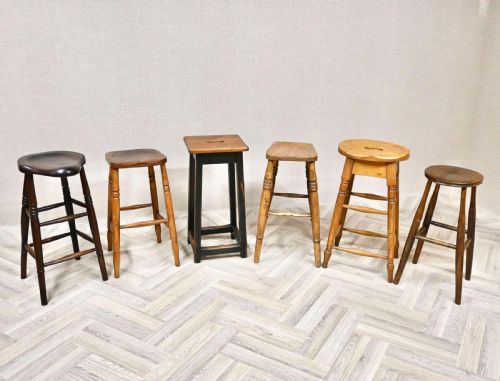
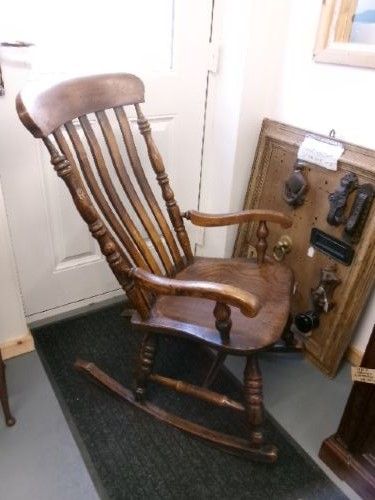
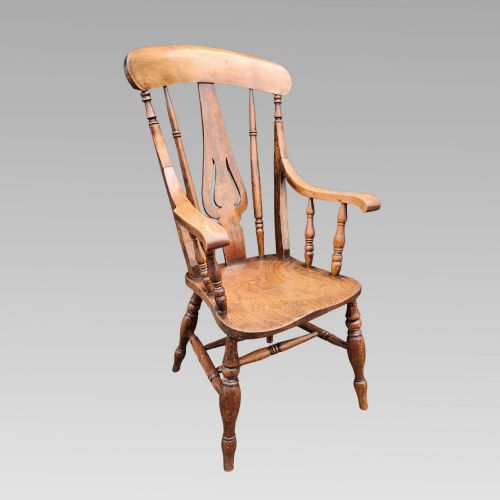
A victorian farmhouse chair encompasses a range of traditional seating built for everyday domestic labour and dining during the nineteenth century. These pieces primarily take the form of kitchen dining chairs, robust armchairs, rocking chairs, and tall bar stools used across English country homes.
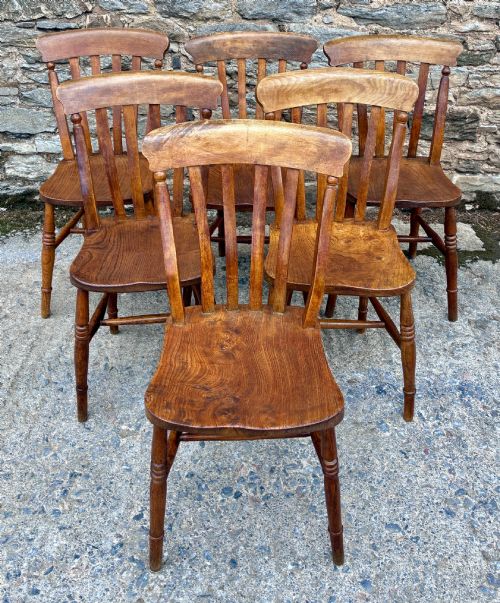
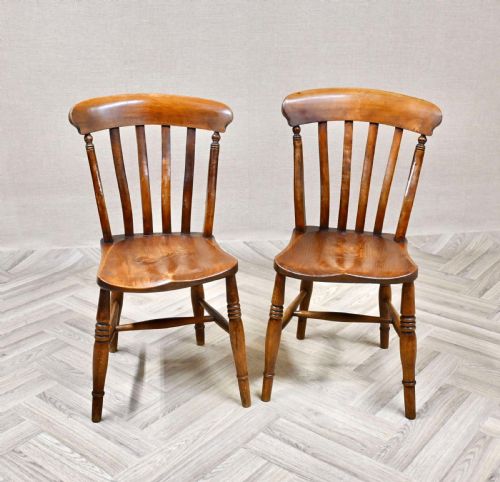
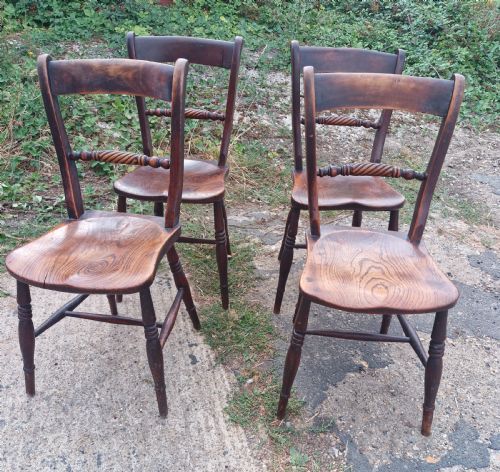
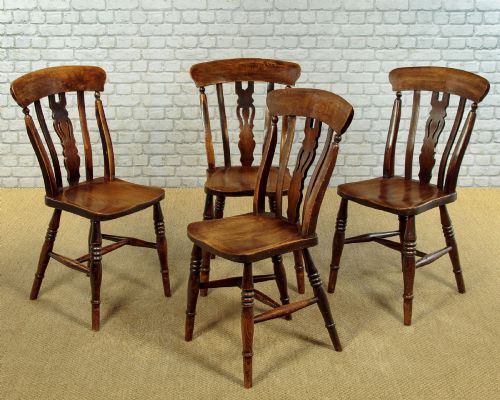
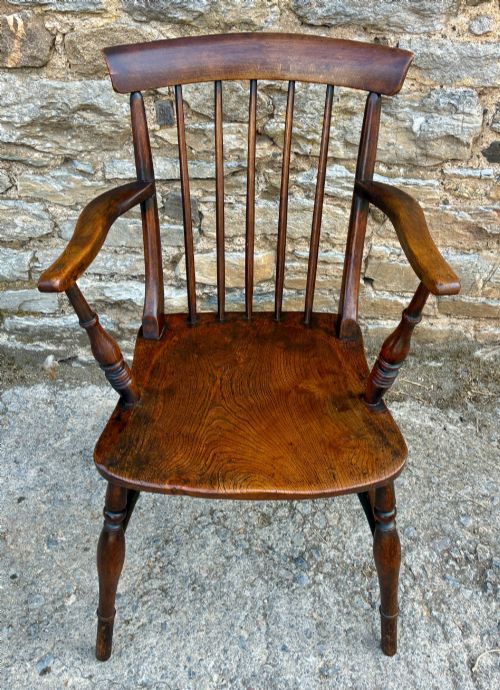
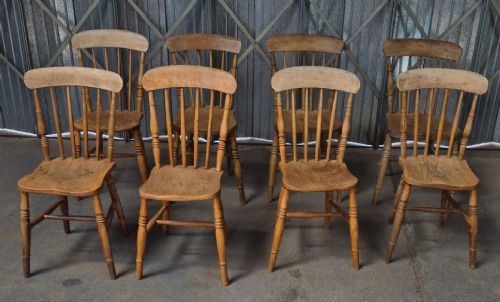
The most common examples encountered on this page belong to the Windsor tradition, featuring sculpted wooden seats supporting spindle backs, lath backs, or wheel backs. Makers also produced ladder back and fiddle back designs, often constructed to stand up to heavy daily use in busy farm kitchens.
How They Were Made
Cabinet makers and rural bodgers built these seats using a combination of native timbers, frequently pairing thick elm for solid plank seats with bent beech, ash, or fruitwood for the spindles and steam-bent bows. This multi-wood construction allowed craftsmen to utilise the specific properties of each tree, such as the split-resistance of elm and the elasticity of ash.
Construction relied on traditional joinery techniques, notably through-wedged tenons and stretcher-reinforced legs that locked the framework firmly together without complex metal hardware.
Listings demonstrate that elm, beech, and ash remain the most frequently recorded timbers across nineteenth-century country seating.
What Varies In Quality
The distinction between standard utility seating and finer examples often rests on the sculptural shaping of the seat plank and the elegance of the turned spindles. Deeply saddled elm seats and well-proportioned armbows indicate careful attention by the maker, whereas flat, plain slabs suggest more hurried production.
Original matching sets command greater interest than assembled harlequin groups, while timber preservation and the depth of natural patina acquired through generations of use shape the visual appeal of surviving pieces.
Worksop
The Victorian Farmhouse Chair Glossary
- Windsor chair
- A wooden chair built with a thick solid timber seat into which the legs and back spindles are directly inserted. This design developed deep roots in English country furniture workshops.
- Lathe back
- A chair back featuring flat vertical wooden slats shaped on a lathe. These slats offer robust support while maintaining a clean silhouette.
- Stretcher
- Horizontal wooden rods connecting the legs of a chair to provide structural rigidity. Double stretchers appear on many robust country seating forms.
- Harlequin set
- A collection of dining chairs that share a similar style and period but were not originally made as a single unified batch. They offer a gathered appearance for a kitchen table.
- Rush seat
- A traditional woven seating surface made from dried marsh plants twisted into cords. This technique provides a resilient and slightly yielding platform.
Victorian Farmhouse Chair: Frequently Asked Questions
How do I clean a wooden farmhouse chair?
Wipe down the timber using a damp cloth without harsh chemical detergents. Apply natural beeswax periodically to nourish the dry wood.
Avoid placing these chairs near direct heat sources or radiators to prevent the timber from splitting or warping.
Are these chairs comfortable for daily dining?
Most examples feature deeply saddled wooden seats shaped to fit the body over long meals. Adding loose linen cushions can increase comfort for extended sitting.
Armchair versions offer extra support with sweeping wooden armrests designed for relaxed domestic use.
How can I date a nineteenth century chair?
Examine the timber grain, tool marks beneath the seat, and the wear patterns on the footrests. Hand-turned spindles and wedged tenons point towards traditional nineteenth-century craftsmanship.
Variations in screw types or machine-cut components generally indicate later production phases towards the end of the century.
Can I mix different chair styles around a table?
Combining various country styles creates an authentic harlequin arrangement typical of historic farmhouse kitchens. Matching the overall height and wood tones helps tie the different seat designs together.
Stick back and ladder back variants complement each other well when sharing a common dining space.