



Victorian Etched Jug
A victorian etched jug brings nineteenth-century dining tables to life with decorative glass and metalwork.
Victorian Etched Jug
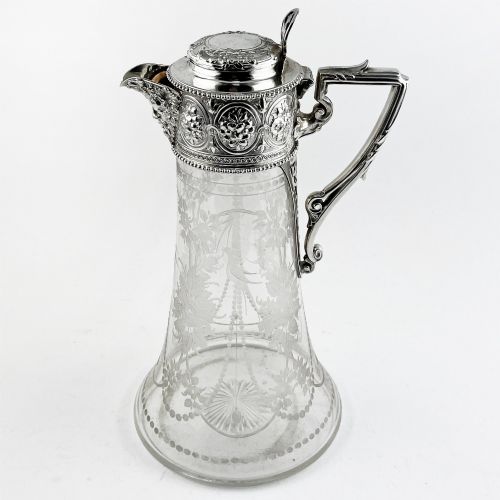
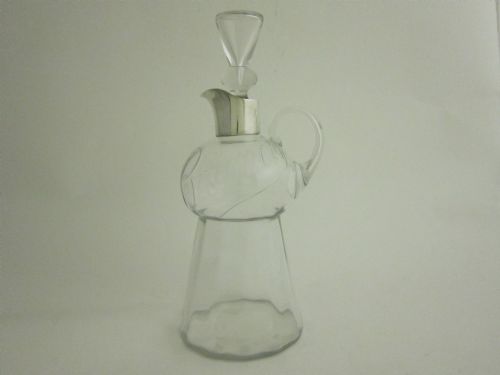
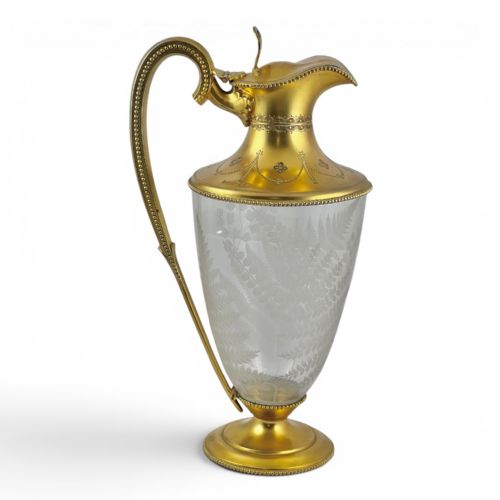
A victorian etched jug is a serving vessel designed for wine, water, or claret during formal nineteenth-century meals. These vessels combine functional glassware with intricate surface decoration, taking forms such as claret jugs, ewers, and decanters.
Most examples found here date from the nineteenth century, including periods spanning the 1860s through to the 1890s, alongside related Edwardian and later interpretations. Common motifs featured in the glass include ferns, birds, ivy, and grape and vine designs.
Makers and manufacturers paired these glass bodies with mounts in sterling silver, silver gilt, and silver plate. Buyers frequently encounter vessels where English, Bohemian, or French origins meet traditional metalwork.
How they were made
Makers shaped the glass bodies using blowing techniques before applying surface ornamentation. Artisans utilised acid-etching, hand-engraving, wheel-engraving, and cutting to create opaque or translucent decorative patterns on clear, cranberry, or overlaid glass.
Metal mounts, including handles, lips, hinged lids, and collars, were cast in sterling silver or silver plate and fitted securely to the glass necks. Many pieces incorporate decorative metalwork such as Bacchus masks or Rococo revival scrolls to complete the mount.
The archive records frequent examples of fern and grape motifs etched onto nineteenth-century water and claret jugs.
What varies in quality
The standard of a victorian etched jug rests upon the crispness of the glass engraving and the weight of the metal mounts. Deeper wheel-engraving and finely detailed acid work create sharper motifs like ferns and birds that remain distinct across the surface.
Proportion and material choice also separate standard production from superior examples. Heavy lead crystal or cased glass paired with substantial sterling silver mounts rather than thin silver plate indicates finer workshop output.
Asprey and Co. Ltd·Elkington and Co.
The Victorian Etched Jug Glossary
- Claret jug
- A specialised vessel designed for serving claret or red wine at the dining table. They frequently feature combined glass bodies and silver-plated or sterling silver mounts.
- Ewer
- A large jug with a wide spout and a curved handle, historically used for water or wine. In nineteenth-century examples, they often double as decorative display pieces.
- Acid-etched
- A decorative technique where acid is applied to bite designs into the glass surface. This method produces soft, frosted patterns such as foliage or classical motifs.
- Silver plate
- A layer of silver fused to a base metal core such as copper or brass. Many nineteenth-century serving vessels utilise this technique to achieve the appearance of solid silver.
- Stourbridge
- An English town renowned for its glassmaking industry during the nineteenth century. Artisans here produced fine engraved and coloured glassware.
Victorian Etched Jug: Frequently Asked Questions
What were victorian etched jugs used for?
These vessels served wine, claret, water, and lemonade at formal dining tables and gatherings during the nineteenth century. They allowed hosts to pour drinks from decorative containers rather than utilitarian bottles.
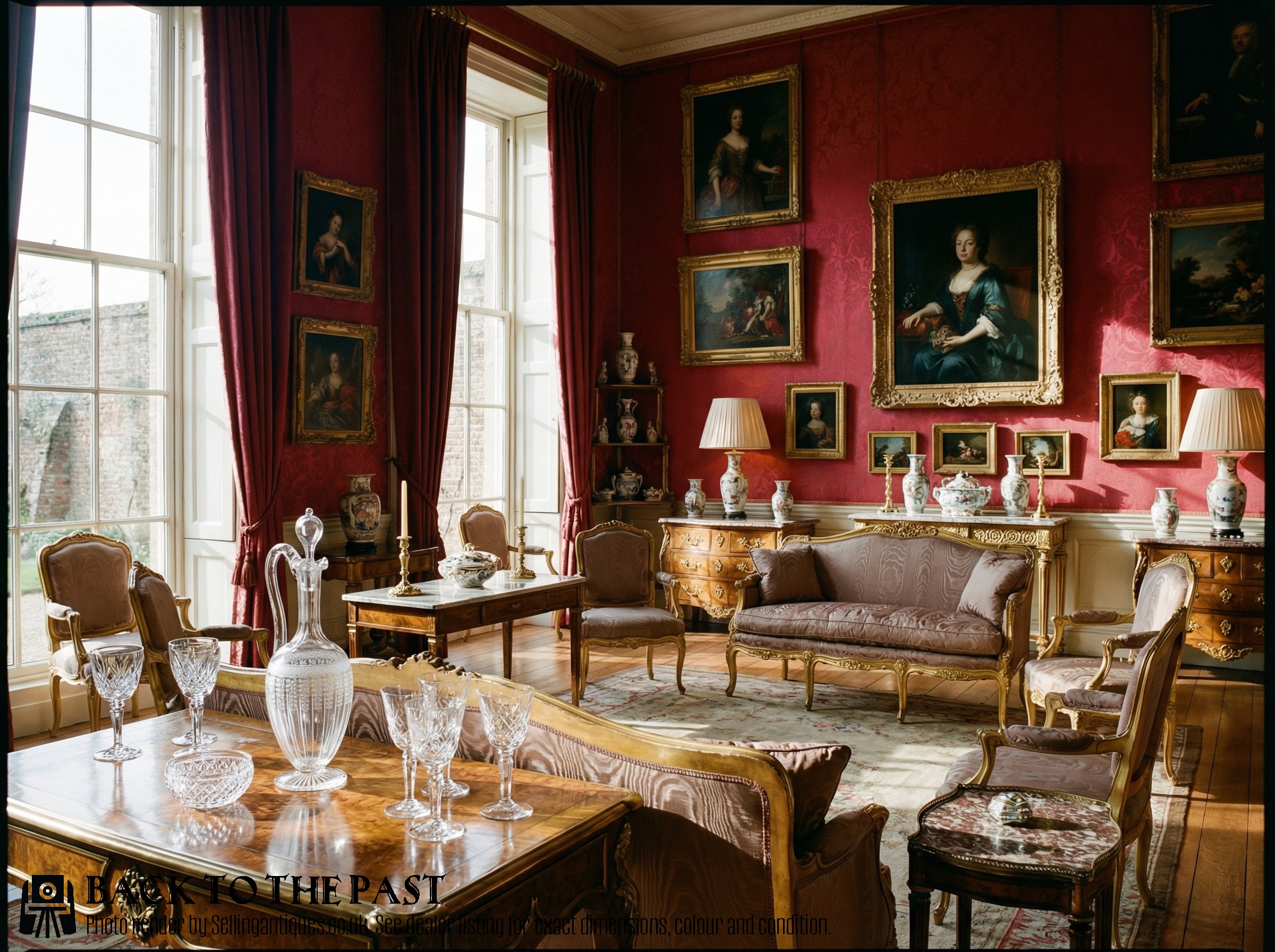
Beyond dining rooms, many vessels functioned as display items on sideboards, showcasing the craftsmanship of glassmakers and silversmiths.
How can I tell the period of the jug?
Examine the style of the engraving and the hallmarks stamped on the metal mounts, which often indicate specific decades and assay offices. Fern and bird motifs frequently point toward late nineteenth-century production.
Consider the weight and hue of the glass, as Victorian and Edwardian batches often display distinct coloration and heft compared to later reproductions.
Are silver plate mounts original to the glass?
Most quality pieces retain their matched silver-plated or sterling silver mounts fitted securely to the original glass body. Makers designed the collars specifically to fit the contours of each individual blown vessel.
Inspect the collar where it meets the glass to ensure the fit remains tight and undisturbed by later alterations or repairs.