

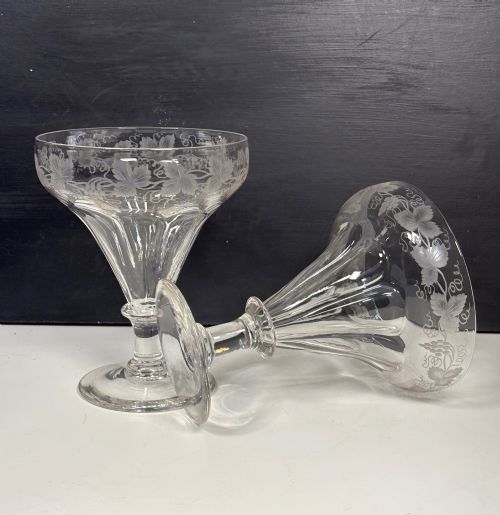


Victorian Engraved Wine Glass
When you handle a Victorian engraved wine glass, you hold the weight of nineteenth-century craftsmanship designed to elevate the dining table.
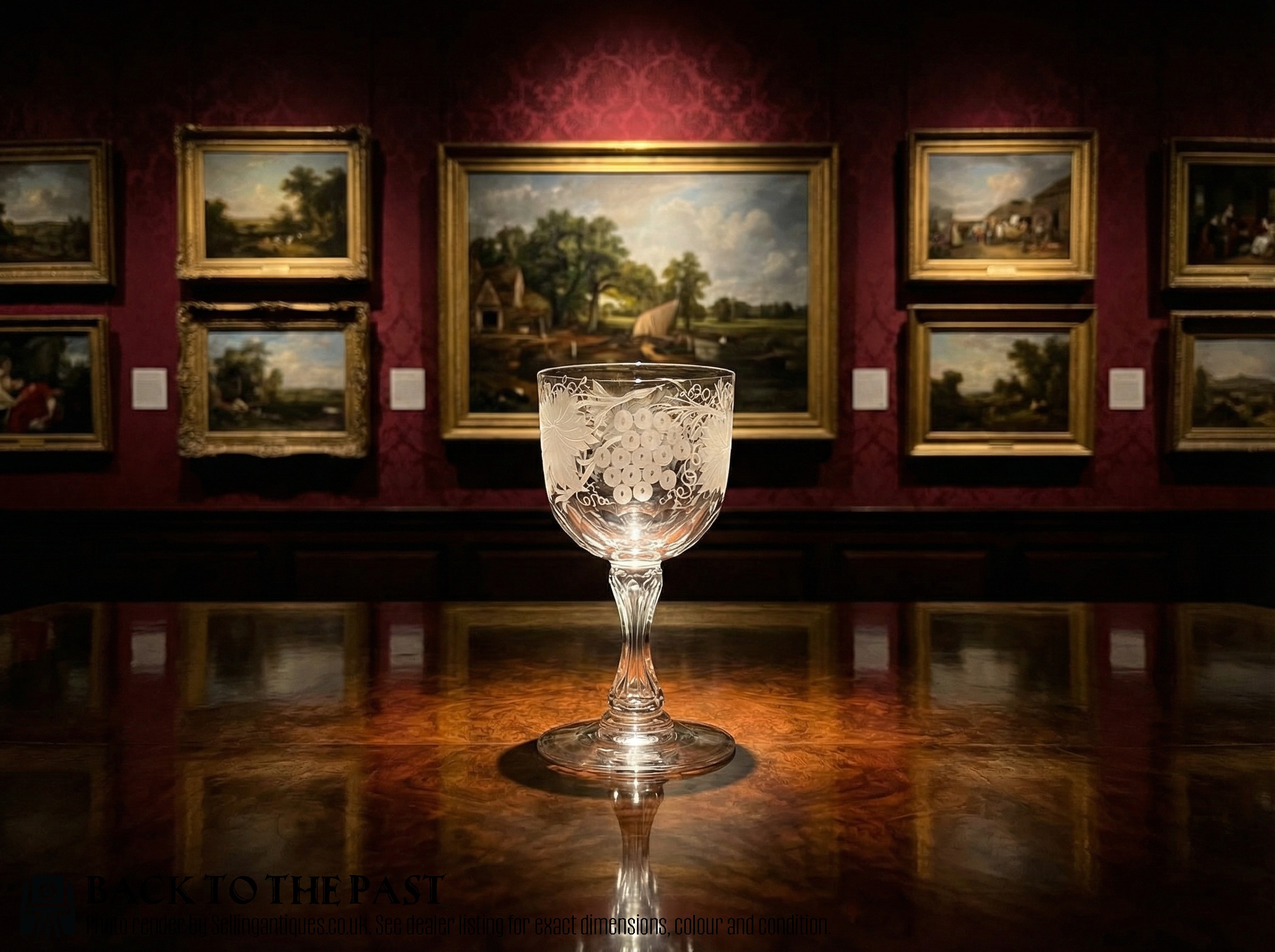
Victorian Engraved Wine Glass
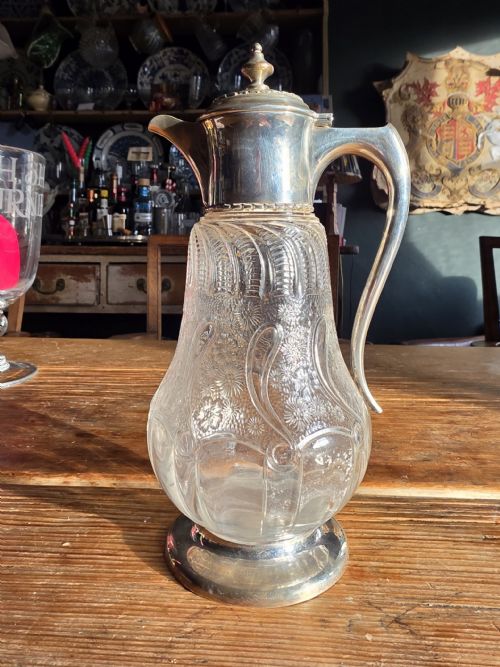
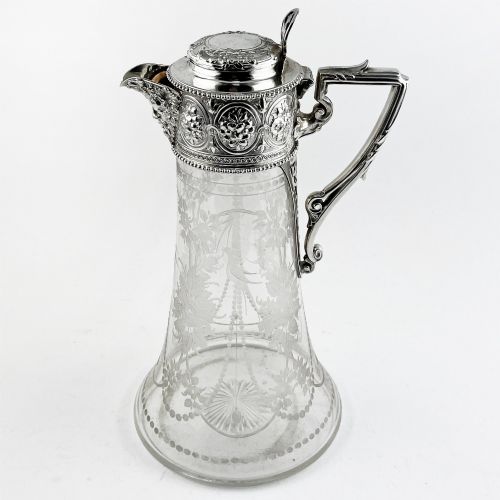
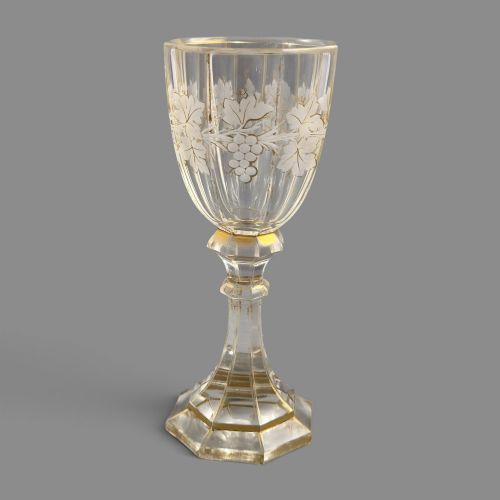
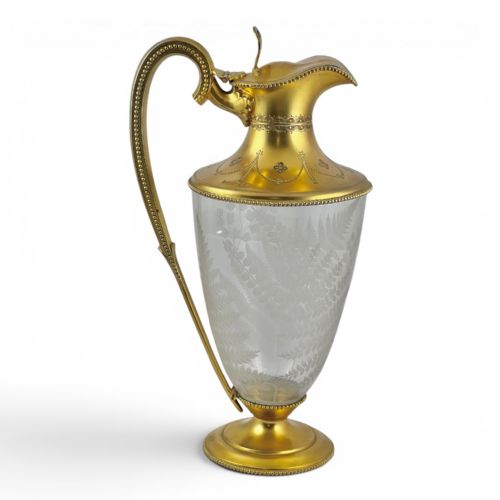
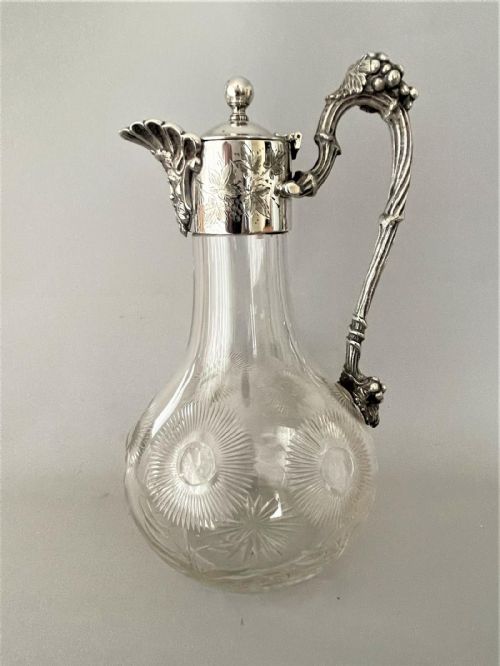
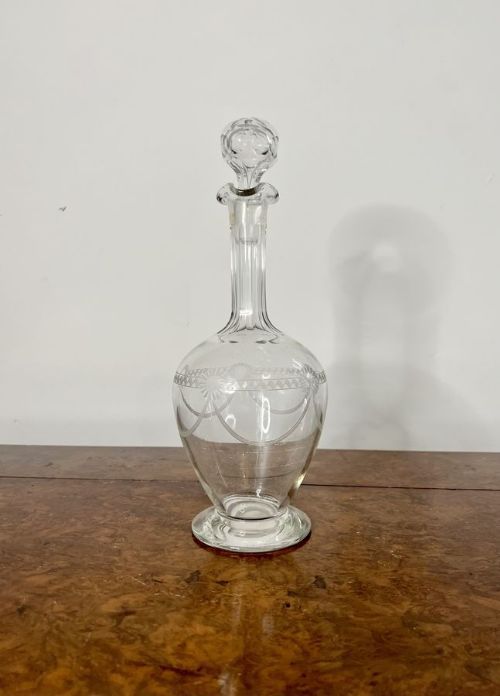
A victorian engraved wine glass represents a specific domestic tradition of table service spanning from the middle decades of the nineteenth century into the Edwardian period. The forms encompass standard wine glasses, roemers, rummers, and goblets alongside larger serving vessels like claret jugs and decanters. These pieces demonstrate surface decoration that ranges from delicate floral motifs and birds among vines to geometric cutting.
Buyers frequently encounter coloured glass vessels, including cranberry, green, amber, and red overlay crystals, often originating from English and Bohemian workshops. Sets vary from single rummers to matched groups of dessert wine glasses, reflecting the changing social rituals of formal dining over the decades.
How they were made
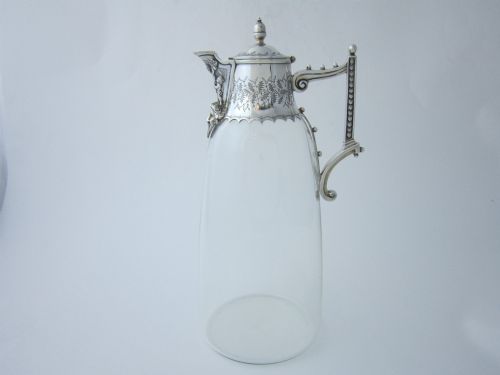
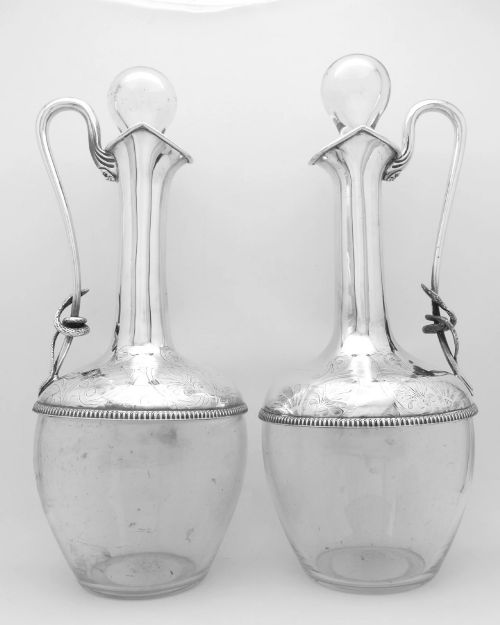
Makers utilised lead crystal, cut glass, and coloured glass bodies, frequently combining blown glass with sterling silver, silver plate, or parcel gilt mounts. Handles often took sculptural forms such as serpents or Bacchus masks.
Decoration relied on wheel engraving, etching, and facet cutting to create tactile motifs like fruiting vines and floral sprays on the bowl or carafe body.
Some nineteenth-century wine vessels feature sculpted serpent handles and fierce Bacchus masks peering out from silver mounts.
What varies in quality
Quality rests in the clarity of the crystal, the depth and precision of the wheel engraving, and the structural integration of silver mounts. Superior examples show crisp detail in motifs like birds and vines without surface distortion.
The weight of the glass, the resonance of the metal, and the harmony between metalwork and blown vessels separate standard production from distinguished workshop output.
Asprey and Co. Ltd·Moser Bohemian·Stevens and Williams·Richardson·Josphinenhutte
The Victorian Engraved Wine Glass Glossary
- Roemer
- A large German or Bohemian drinking goblet, typically featuring a ribbed stem and a wide bowl, frequently rendered in green or amber glass.
- Rummer
- A large, wide-bowled drinking glass used for wine or ale during the nineteenth century.
- Claret jug
- A pouring vessel designed for red wine, combining a glass body with silver or silver-plated mounts and a hinged lid.
- Cranberry glass
- Transparent pinkish-red glass produced by adding gold chloride to the molten batch, popular in Victorian table services.
- Overlay glass
- Glass composed of a coloured layer fused over a clear or contrasting inner body, allowing intricate designs to appear when cut away.
Victorian Engraved Wine Glass: Frequently Asked Questions
How do I clean my vintage glassware?
Wash pieces by hand in warm water using mild soap, avoiding sudden temperature changes to protect the material.
Dry them immediately with a lint-free cloth to maintain the clarity of the crystal and the integrity of any silver mounts.
Were these glasses used daily?
Nineteenth-century households utilised these vessels primarily during formal dinners, social gatherings, and dessert courses.
They formed part of larger dining services intended to display hospitality and status to guests.
How do I date a piece of glassware?
Examine the style of the engraving, the colour palette, and the presence of silver hallmarks which provide precise registration years.
Manufacturing techniques such as pontil marks on the base also offer clues to the period of origin.
Can I use these glasses for modern dining?
Many collectors incorporate antique vessels into contemporary table settings for special occasions.
Handle them with care due to the delicate nature of nineteenth-century crystal and hand-engraved surfaces.