

Victorian Engraved Glass
Victorian engraved glass brings together fine nineteenth-century vessels and delicate wheel-cut surface decoration.
Victorian Engraved Glass
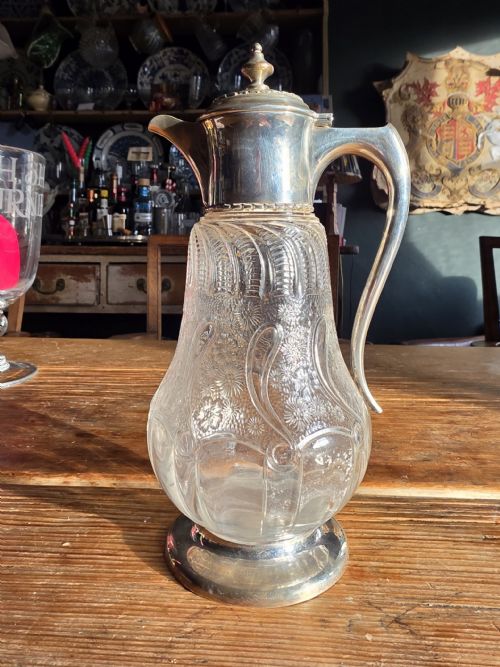
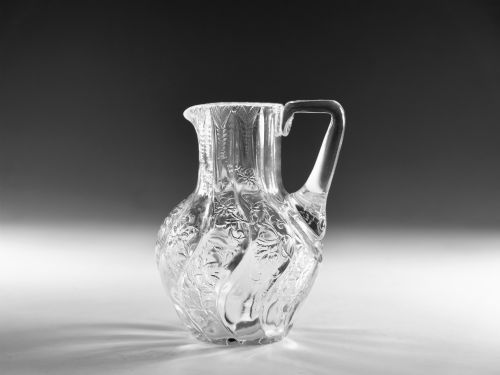
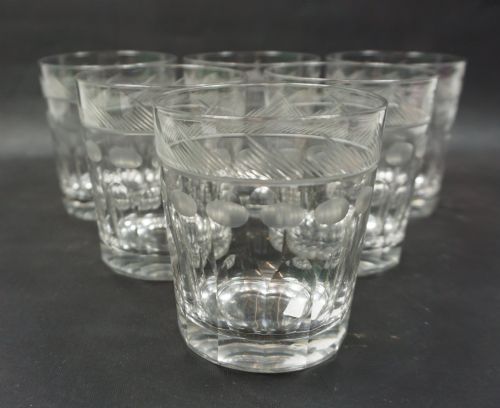
When searching for victorian engraved glass, collectors encounter a diverse range of vessels designed for dining, celebration, and display. The most common forms met on this page include wine glasses, rummers, decanters, and claret jugs dating from the mid to late nineteenth century. These objects reflect the domestic habits of the period, spanning formal dining table services and commemorative glassware.
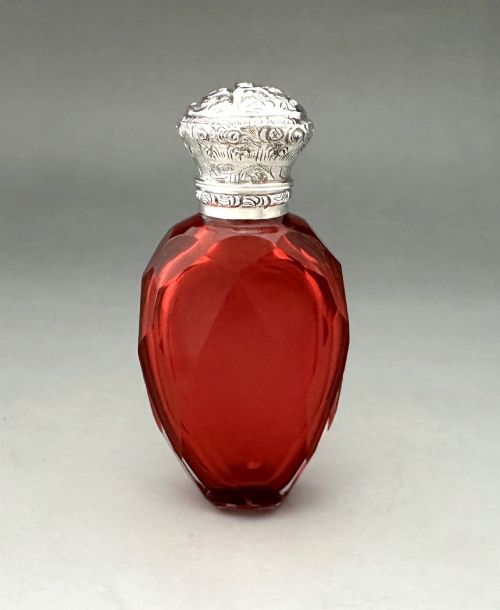
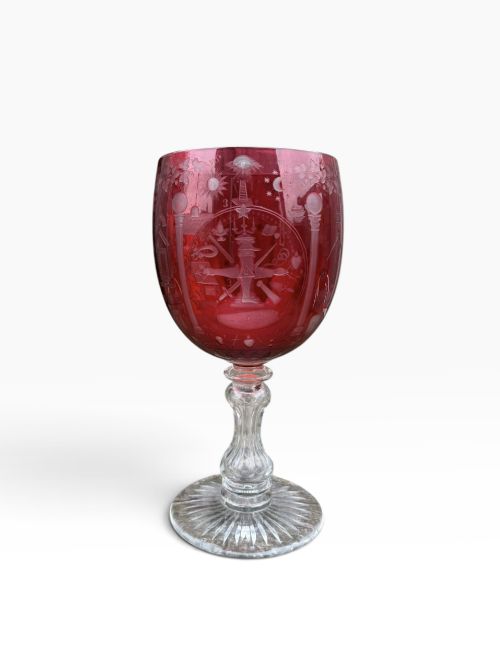
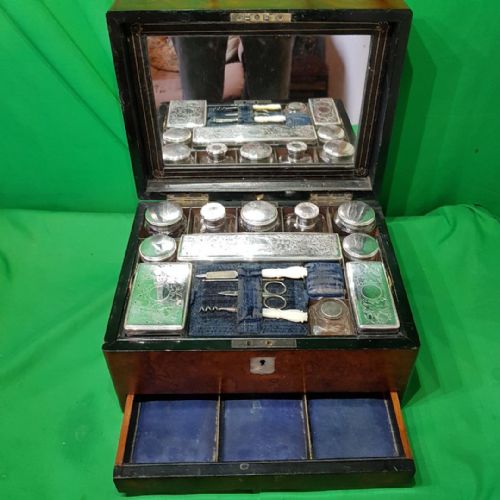
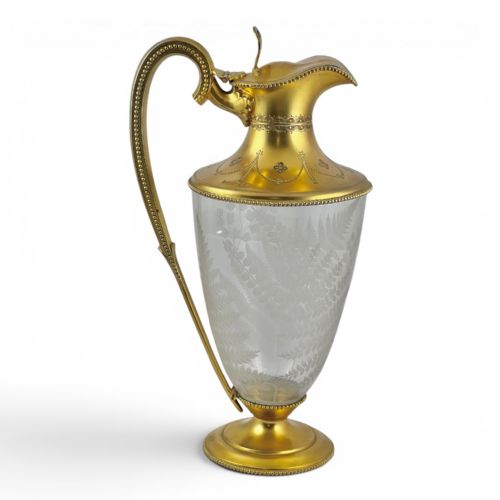
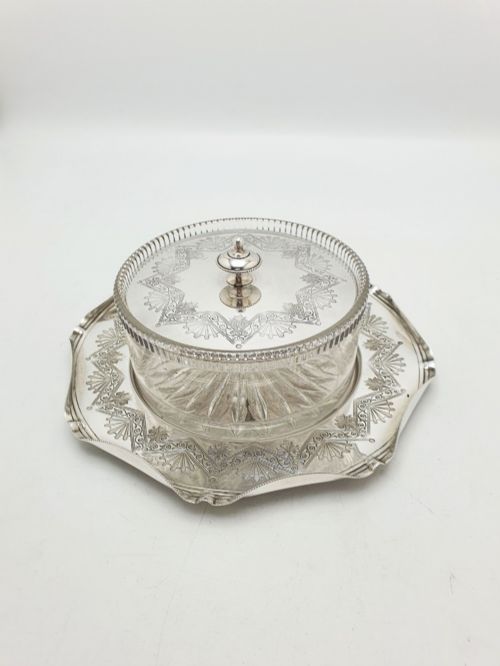
The selection ranges from clear lead crystal goblets to coloured vessels in green, amber, cranberry, and uranium glass. Many items incorporate metal mounts, combining the glass body with sterling silver, silver plate, or gilt accents. Alongside drinking vessels, the category encompasses scent bottles, celery vases, and punch bowls produced across British and continental European workshops.
Materials and Technique
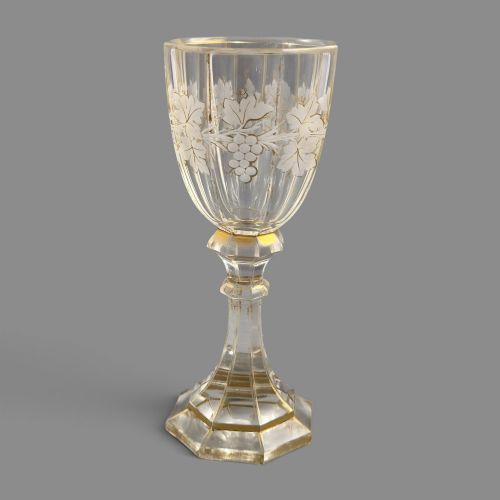
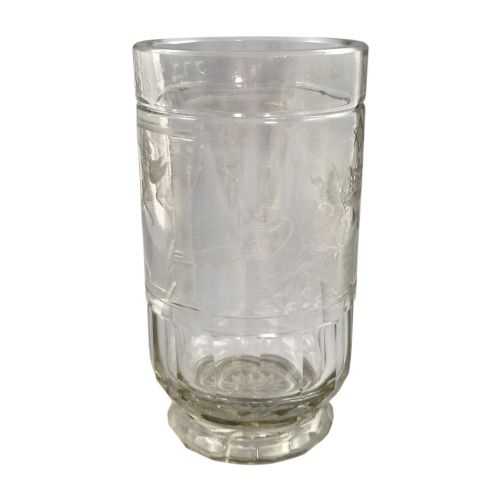
The foundation of these pieces lies in heavy lead crystal or coloured blown glass, shaped by hand before cooling. Artisans applied surface decoration using rotating copper or stone wheels to cut intricate patterns into the glass. This wheel-engraving technique allowed for detailed motifs such as hops, barley, vines, and heraldic crests.
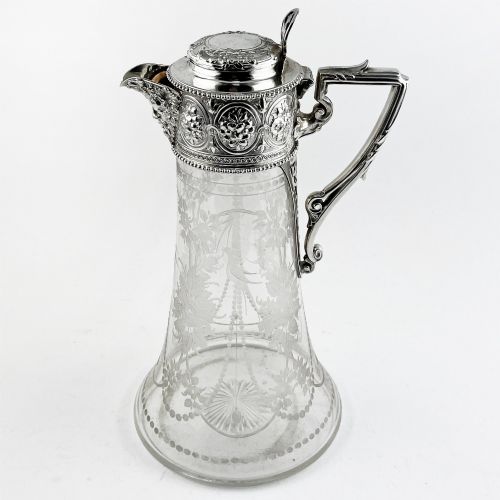
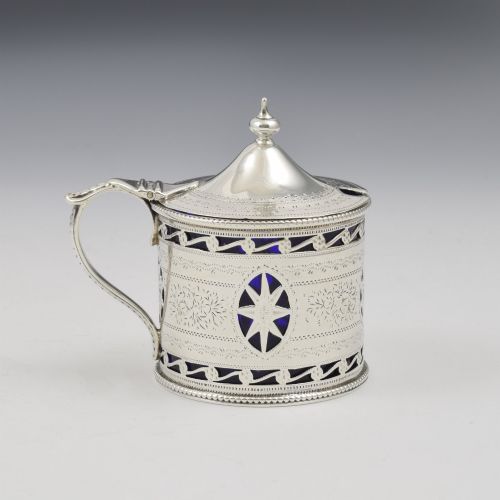
Finishing touches often included diamond-point scratching for finer details or gilding applied to rims and engraved lines. For serving vessels, silversmiths added cast and pierced sterling silver or silver-plated mounts, incorporating hinged lids, handles, and collars secured directly to the glass.
Several rummers celebrate local fraternities with cheerful depictions of bees, beehives, and elaborate lodge toasts.
Distinctions in Quality
Quality in these pieces rests primarily on the depth, clarity, and precision of the wheel engraving. Superior examples display crisp lines and high relief, whereas lesser pieces show shallow, hurried surface marks with minimal dimensionality. The weight of the metal components and the purity of the underlying crystal also dictate the tier of the piece.
The integration between the glass body and any silver mounts further separates standard production from exceptional work. Pieces featuring well-defined cutting, substantial lead crystal, and balanced proportions represent the upper echelon of nineteenth-century glass manufacturing.
Moser·Stevens and Williams
The Victorian Engraved Glass Glossary
- Rummer
- A large, heavy-stemmed drinking glass popular in the nineteenth century for ale, wine, or punch. These vessels often feature generous bowl capacities and engraved botanical or fraternal motifs.
- Claret Jug
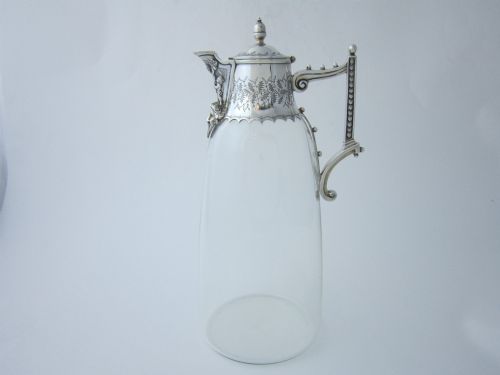
- A pouring vessel specifically intended for red wine, typically combining a glass body with a silver or silver-plated handle, mount, and hinged lid. Many examples showcase elaborate engraved foliage across the glass.
- Lead Crystal
- Glass formulated with lead oxide, increasing the weight, refractive index, and clarity of the material. This composition provided the ideal medium for deep wheel-cutting and engraving.
- Intaglio
- A technique where the design is sunk below the surface of the glass rather than raised in relief. This method creates a subtle, three-dimensional effect when viewed from the interior of the vessel.
- Overshot Glass
- A glassmaking method where fine threads of molten glass are trailed across the surface of a blown vessel to create a textured finish. These pieces are occasionally found with subsequent wheel engraving.
Victorian Engraved Glass: Frequently Asked Questions
What were rummers used for?
Rummers served as everyday drinking vessels for hearty portions of ale, beer, or wine during the nineteenth century. Their robust stems and large bowls made them staple items on domestic dining tables and in taverns.
Over time, many of these glasses were also commissioned for specific lodges, societies, or commemorative events, featuring personalised Masonic or fraternal emblems alongside traditional hop and barley motifs.
How do I date Victorian glass?
Dating relies on a combination of stylistic clues, pontil mark characteristics, and silver hallmarks where metal mounts are present. Earlier nineteenth-century pieces often display rough pontil scars underneath, while later production methods tended to grind and polish these areas flat.
Comparing the specific engraving style and glass colour to documented examples helps narrow down the decade of manufacture. Pieces associated with dated silver collars or registered design marks provide the most precise chronological markers.
How should I clean engraved glass?
These items require careful hand washing in lukewarm water using mild detergent and a soft cloth. Harsh scrubbing agents and modern dishwashers can permanently scratch the glass or damage delicate gilt highlights and silver-plated mounts.
Silver components benefit from occasional polishing with a dedicated cloth while taking care to avoid contact with the glass surface. Storing vessels away from direct sunlight preserves the colour of tinted pieces such as cranberry and uranium glass.
What is the difference between cut and engraved glass?
Cut glass involves removing substantial amounts of material with large abrasive wheels to create deep geometric facets, prisms, and patterns. This process prioritises light refraction and weight across the entire body of the vessel.
Engraved glass utilises smaller rotating wheels to incise fine, detailed pictures, monograms, or botanical scenes onto the surface. The surrounding glass often remains smooth and untouched, focusing attention entirely on the pictorial design.