


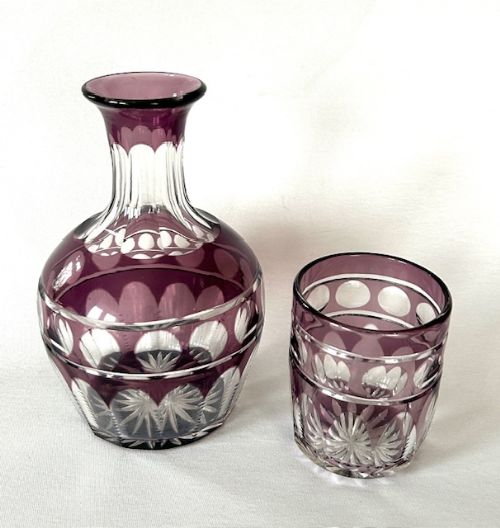

Bohemian Cut Glass
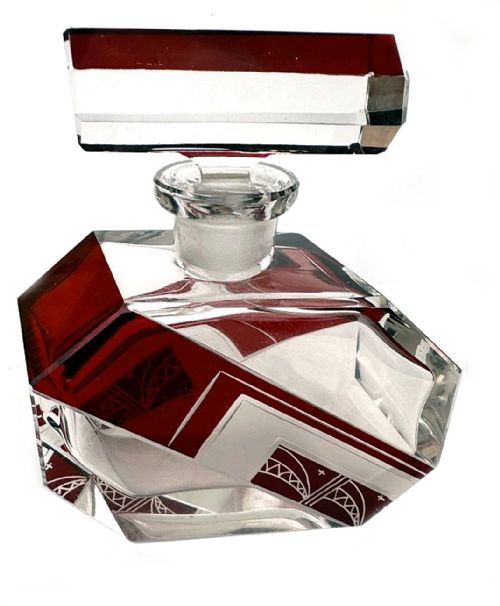
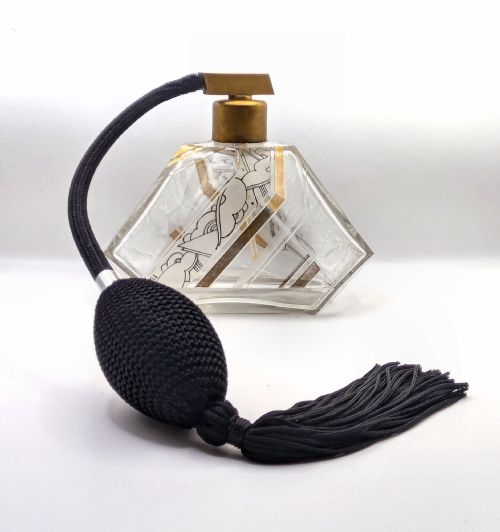
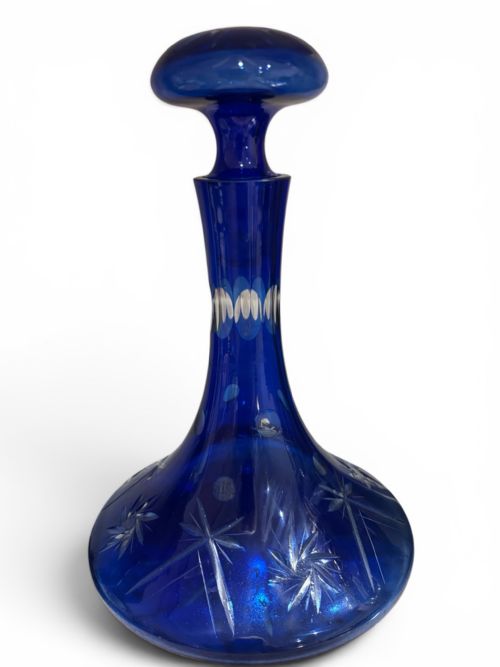
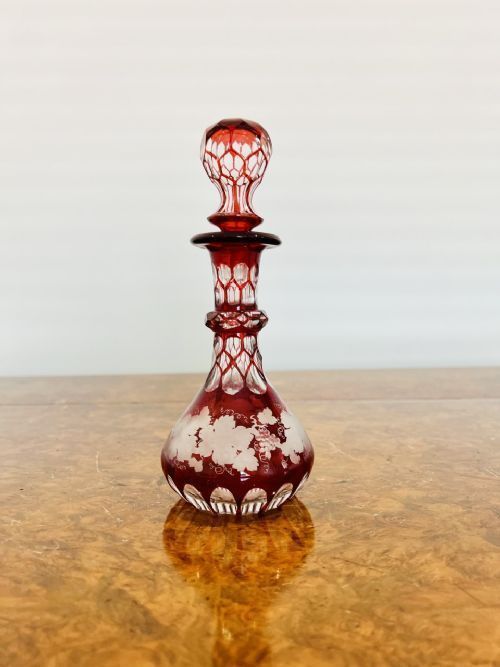
These pieces of bohemian cut glass bring heavyweight nineteenth-century romance and sleek art deco geometry into a room.
Bohemian Cut Glass
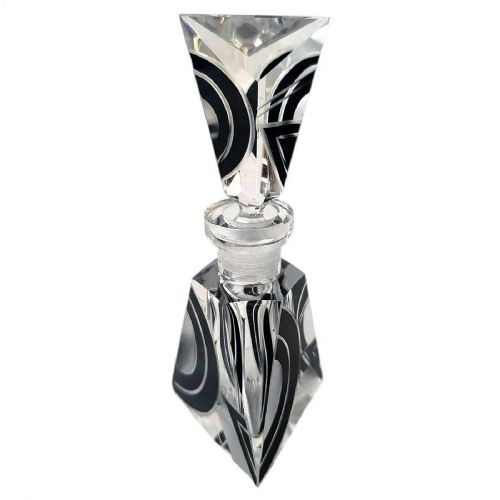
Bohemian cut glass encompasses decorative and functional vessels ranging from heavy decanters and wine hocks to mantel lustres, perfume bottles, and chandeliers. The objects originate primarily from nineteenth-century workshops and extend into twentieth-century iterations influenced by art deco design.
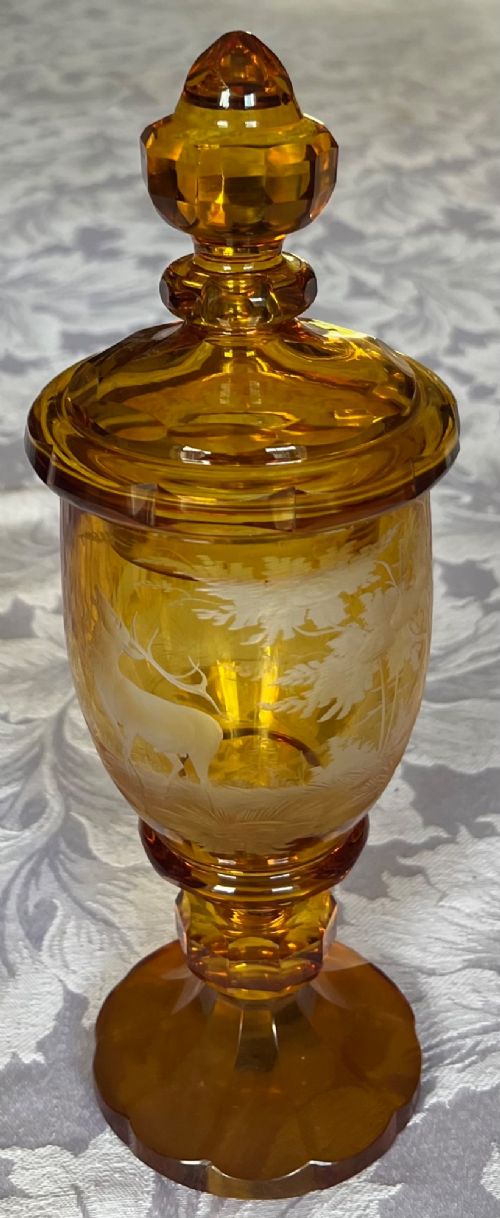
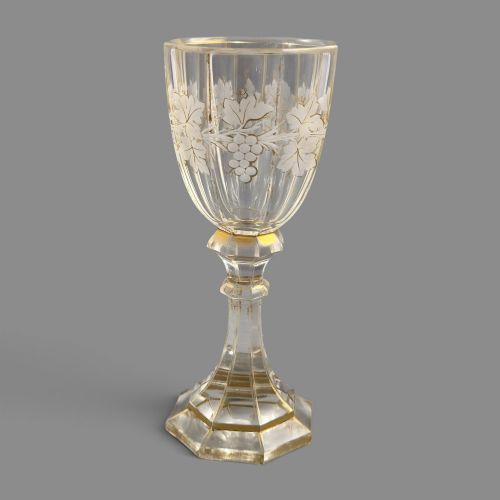
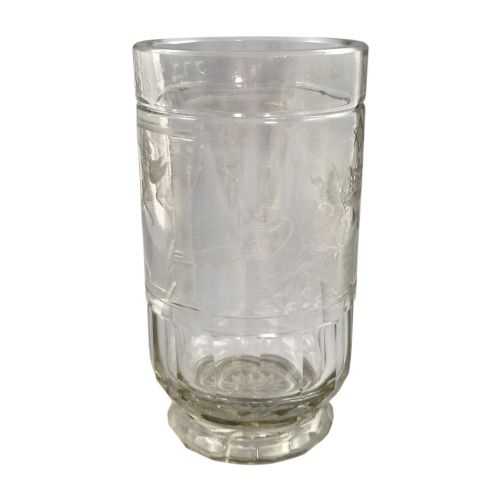
Buyers encountering this selection will frequently find nineteenth-century ruby, cranberry, or cobalt overlay pieces alongside geometric amber, green, and clear crystal items. Tableware forms such as engraved goblets, beakers, and wine jugs sit alongside larger decorative items like vases and hanging lanterns.
Materials and Techniques
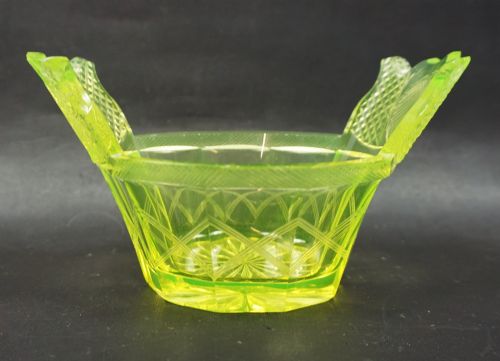
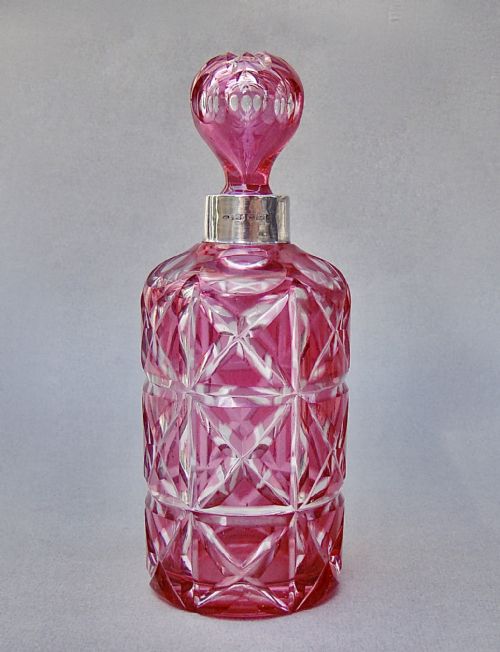
The objects are produced from glass, lead crystal, and coloured variants such as ruby glass, cranberry glass, and uranium glass. Cased or overlay techniques involve fusing layers of coloured glass over clear or contrasting bases before cutting through the top layer to reveal the colour beneath.
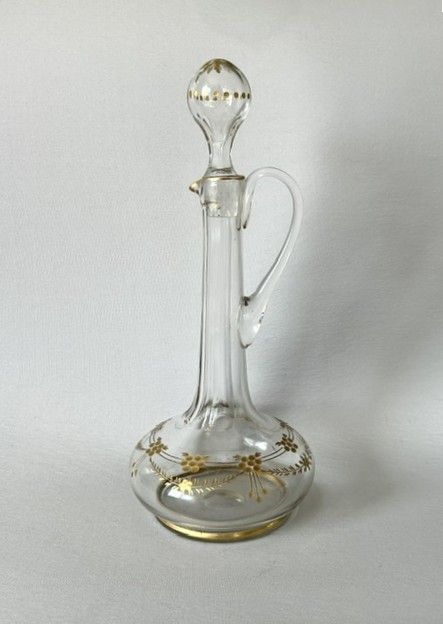
Makers employed wheel engraving, gilding with gold leaf, and enamel decoration to embellish the faceted surfaces. Lustres and chandeliers incorporate cut glass hanging drops suspended to catch the light.
The listings span the nineteenth century through the 1930s, featuring glass, crystal, gold leaf, and enamel across diverse forms.
Judging Quality
Quality rests upon the crispness and depth of the wheel cutting, where sharper, deeper facets create more complex refractions through the crystal. The precision of the overlay layer removal and the finesse of any applied gilding or engraving separate workshop standards.
Weight and balance distinguish robust utilitarian items from finer cabinet pieces. The clarity of the base glass and the preservation of hand-applied enamel or gold leaf determine the overall integrity of surviving examples.
Moser·Karl Palda·Harold Bushell and Co·Hoffman
The Bohemian Cut Glass Glossary
- Overlay glass
- A vessel formed of two or more distinct layers of glass fused together, typically a brightly coloured exterior over a clear or contrasting interior. This layered construction allows artisans to cut away portions of the outer skin to reveal the base material beneath.
- Mantel lustre
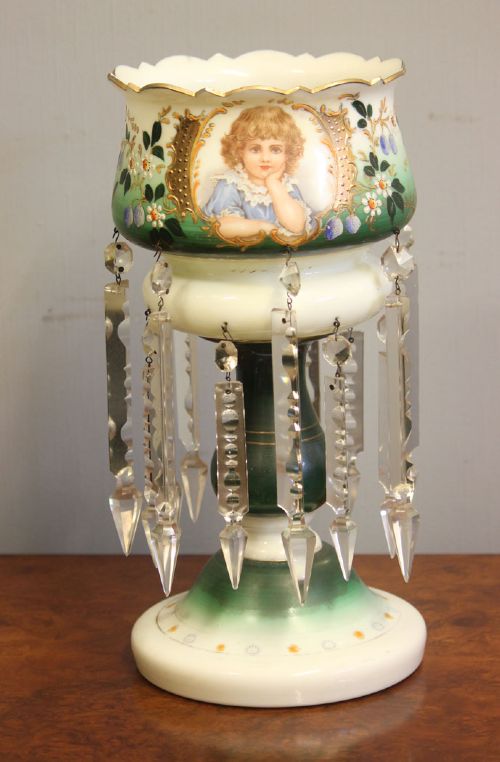
- A decorative ornamental vase fitted with a ring of pendant glass prisms or droppers hanging from the rim. These were designed to sit on a fireplace mantelpiece and reflect candlelight.
- Hock glass
- A traditional tall-stemmed wine glass specifically suited for Germanic white wines. They frequently feature coloured bowls cut back to clear glass on the stems or panels.
- Flash glass
- Glass coated with an exceptionally thin layer of coloured glass rather than a heavy overlay. The thin surface permits rapid removal by the engraver's wheel to expose the clear body underneath.
- Uranium glass
- Glass containing a small percentage of uranium dioxide added as a colourant, resulting in a distinctive yellow-green hue. It glows under ultraviolet light due to the chemical composition.
Bohemian Cut Glass: Frequently Asked Questions
How were mantel lustres used?
These decorative two-piece vases stood on drawing room mantelpieces to catch and multiply the flickering light from candles or oil lamps.
The dangling crystal prisms chimed gently in drafts and added visual brilliance to formal nineteenth-century interiors.
What is overlay glass?
Overlay glass involves fusing a skin of coloured glass over a clear or contrasting body before cutting away portions of the outer layer.
This technique creates high-contrast geometric or floral patterns where the coloured panels alternate with transparent glass.
How do I identify art deco pieces?
Twentieth-century items from this tradition typically feature sharp geometric cutting, stepped profiles, and stylized motifs rather than nineteenth-century floral scrolls.
Perfume bottles and dressing table articles from this later era often incorporate silver mounts or enamel detailing.
Are coloured glasses safe for drinks?
Many nineteenth-century vessels such as wine hocks, decanters, and beakers were made for dining and service, though historical pieces require careful hand washing.
Certain early green or yellow pieces may contain uranium content, which collectors appreciate for its authentic period composition.