





Vintage Amber Glassware
These pieces of vintage amber glassware bring rich colour and warmth to a room, offering decorative and practical charm across several distinct historic periods.
Vintage Amber Glassware
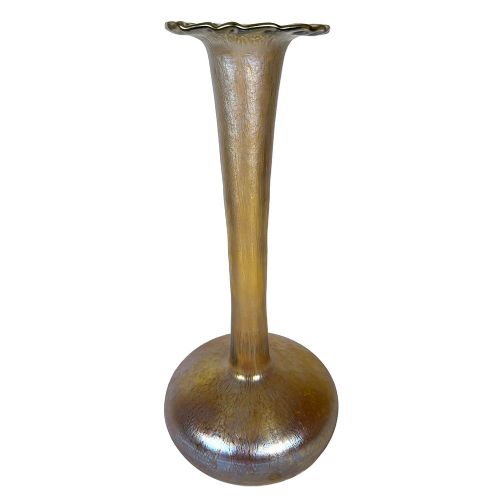
When you search for vintage amber glassware, you encounter items spanning Victorian, Georgian, 1900, 1920, and 1930 periods. The forms range from decorative bowls and decanters to wine glasses and vases.
The selection includes specific regional items such as Bohemian, Austrian, and Venetian pieces, alongside known makers like Gallé, Lalique, and Venini.
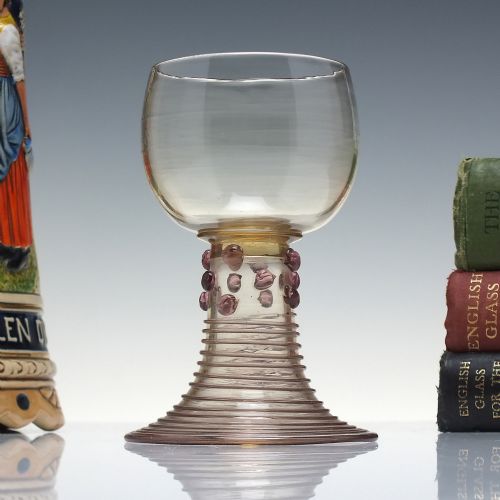
You are most likely to meet glassware sets, wine roemers, and decorative vases when exploring this category on the page.
How they were made
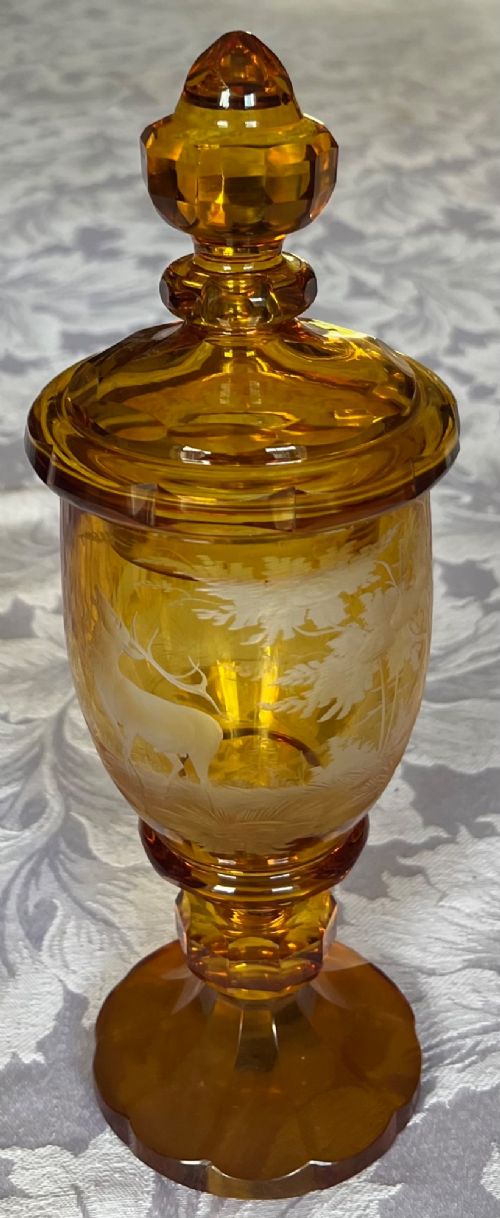
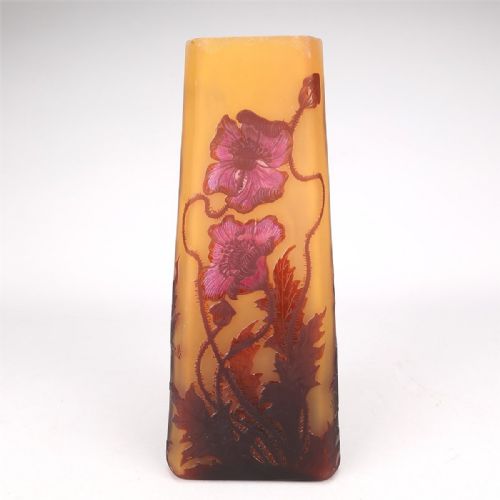
Makers utilised techniques such as hand-blowing, cutting, and engraving to shape the glass. Cameo glass and enamel decoration also appear across the inventory.
Coloured glass formulations create the characteristic amber tone, sometimes combined with clear glass or layered effects in cameo pieces.
Vintage Amber Glassware Retail Price Guide 2026
Typical asking prices for vintage amber glassware among the pieces listed under this phrase on Sellingantiques today, from the lower quarter to the upper quarter. They describe what is for sale here now, not the wider market.
Even a quiet Tuesday afternoon feels like a Bohemian salon when you set out sixteen amber wine glasses.
What varies in quality
The sophistication of the surface decoration, from simple cut facets to intricate engraved motifs and cameo carving, separates standard examples from exceptional ones.
The presence of recognised makers or specific regional attributions, such as Bohemian engraving or Venetian production, influences the standing of a piece.
Gallé·Rene Lalique·Venini·Stevens & Williams·Carlo Scarpa
The Vintage Amber Glassware Glossary
- Roemer
- A traditional Germanic or Bohemian wine glass with a large bowl and a patterned stem. They frequently feature amber bowls paired with other coloured or clear feet.
- Cameo glass
- A method of producing carved glassware by etching or cutting through fused layers of different colours. This technique creates a raised design against a contrasting background.
- Cut glass
- Glassware shaped and patterned by abrasive wheel grinding and polishing. This process produces sharp facets that catch the light.
- Hand-blown glass
- Glass formed by inflating molten metal on the end of a blowpipe. This traditional method results in individual nuances in every vessel.
- Enamel
- Opaque vitreous material fused to the surface of the glass for decoration. It adds painted details and raised texture.
Vintage Amber Glassware: Frequently Asked Questions
How do I identify vintage amber glassware?
Check the weight, manufacturing seams, and surface finish to understand the period of production. Examining the depth of the amber colour and any engraved details also helps.
Items from the Victorian and Georgian eras often display distinct hand-cut facets or heavy bases, while 1930s pieces lean towards Art Deco geometric forms.
Were these pieces used for dining?
Many of these items, including wine glasses, decanters, and cocktail services, were designed for serving beverages at the table. Sets often included matching carafes and goblets for formal entertaining.
Other examples, such as large vases and decorative bowls, served purely ornamental purposes in the home.
How should I clean my glassware?
Wash vintage glassware gently by hand using lukewarm water and mild soap. Avoid abrasive sponges or harsh detergents that might scratch the surface or damage enamel.
Dry the pieces promptly with a lint-free cloth to prevent water spots and preserve the clarity of the amber glass.
Can I use amber glassware daily?
Sturdier sets and heavy Victorian pieces tolerate careful everyday use. However, delicate cameo glass or older Georgian and Victorian stemware require gentle handling.
Consider reserving more ornate or artist-signed pieces for occasional display and careful use.