
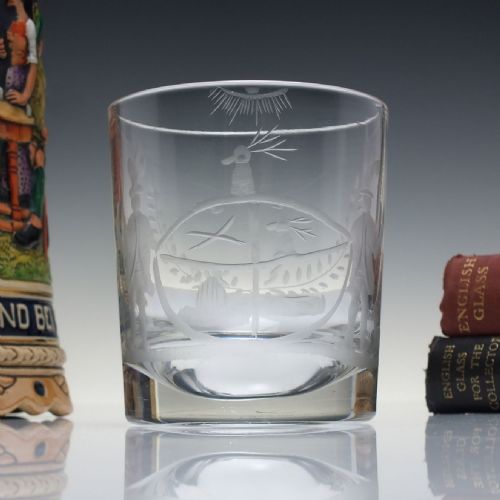


Clear Glass Beaker
These clear glass beaker selections span Georgian, Victorian, and later eras, offering functional drinking vessels and ceremonial glassware crafted to suit daily service or display.
Clear Glass Beaker
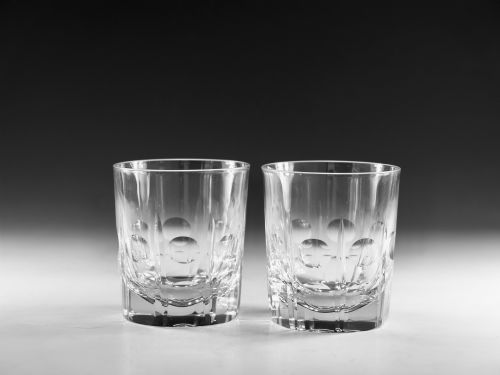
A clear glass beaker represents a versatile category of drinking vessel and glassware found across multiple periods including Georgian and Victorian eras. Buyers seeking a clear glass beaker often encounter sturdy tavern tumblers, ceremonial vessels, and scientific or medicinal measures.
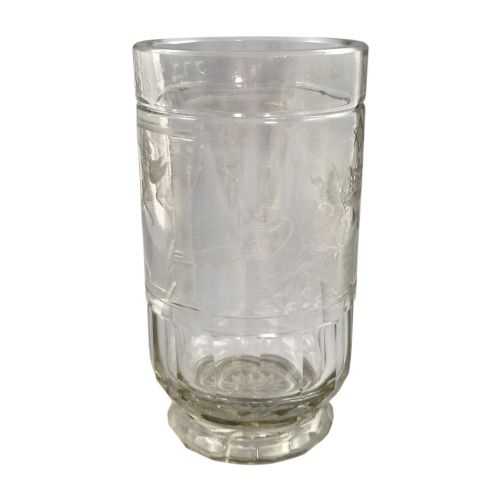
The selections on this page range from simple English early twentieth-century examples to large Bohemian ceremonial pieces. Forms include standard tumblers, flip glasses, and tall vases categorized under glassware.
Origin points span English, German, and Bohemian workshops, reflecting distinct regional techniques in handling clear glass and coloured variants. Domestic sets and pairs appear alongside individual commemorative pieces.
Materials and production methods
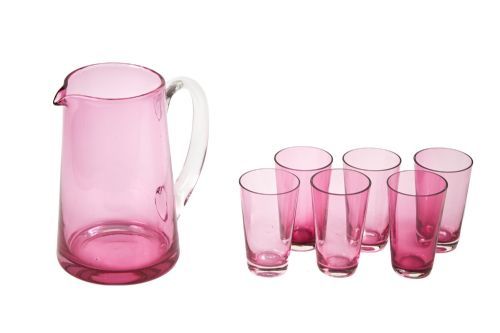
Makers utilised clear glass, lead crystal, and flint glass to achieve transparency and structural weight in each beaker. Coloured additions such as ruby flash, cranberry, and frosted glass appear alongside standard clear material.
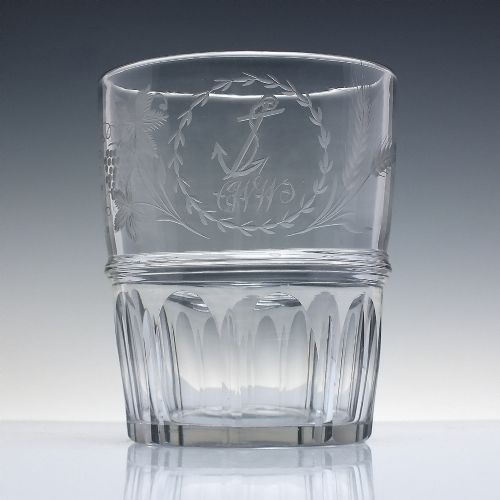
Techniques recorded in the evidence include wheel engraving, etching, and gilding to decorate the exterior surfaces. Surface manipulation creates detailed motifs ranging from Masonic symbols to customs measures.
Customs officers once measured spirits with precision glassware, ensuring that nineteenth-century enforcement kept pace with the contents of every respectable taproom.
Assessing quality in glassware
Quality separates simple utility items from pieces featuring intricate wheel engraving or heavy lead crystal composition. Clarity of the glass and precision in decorative engraving indicate superior craftsmanship.
The presence of gilding, specialised forms such as ceremonial Masonic designs, or matched pairs elevates the status of a beaker. Condition of the rim and stability of the material remain central to the evaluation of older examples.
Rene Lalique
The Clear Glass Beaker Glossary
- Flip glass
- A tall Georgian drinking glass with a flared rim, typically used for serving beer or mixed drinks. These vessels often feature delicate wheel engraving.
- Lead crystal
- A heavy variety of glass containing lead oxide, offering high brilliance and clarity. This material allows for deep, crisp cutting and engraving.
- Flint glass
- An early term for high-quality clear glass resembling quartz. It provides substantial weight and brightness to domestic drinking vessels.
- Ruby flash glass
- Clear glass coated with a thin layer of red glass before being cut away to reveal the clear base beneath. This technique creates high-contrast decorative panels.
- Ale glass
- A tall, narrow drinking glass designed for malt beverages. They frequently appear with engraved hop and barley motifs.
Clear Glass Beaker: Frequently Asked Questions
What is a clear glass beaker used for?
These vessels served various functions ranging from everyday drinking tumblers to ceremonial ale glasses and precise medicinal measures. Certain examples held specific roles in fraternal organisations like the Order of Odd Fellows.
Over time, collectors have transitioned these utility objects into display pieces or retained them for occasional use. Their durable construction makes them practical for careful handling in a modern setting.
How do I identify a Georgian beaker?
Georgian examples often display characteristic thick-walled lead glass construction with simple, hand-blown forms and subtle pontil marks on the base. Engraving from this period tends to feature floral or heraldic motifs executed with a wheel.
Comparing the weight and rim finish helps distinguish these early pieces from later Victorian and twentieth-century reproductions or standard tablewares.
Are these beakers safe for drinking?
Many antique tumblers and drinking glasses remain structurally sound for beverage service if handled gently and washed by hand. Avoiding extreme temperature shifts prevents thermal shock in older lead crystal and flint glass.
Pieces with delicate gilding or specific historical significance are generally reserved for display rather than active dining use.
What distinguishes Bohemian glassware?
Bohemian production frequently incorporates deep wheel engraving and contrasting coloured layers such as ruby flash or cranberry glass. These pieces often feature elaborate commemorative or architectural scenes.
Regional workshops in Bohemia excelled at heavy cutting and surface staining, producing distinctively ornate items compared to simpler English domestic wares.