

Victorian End Tables
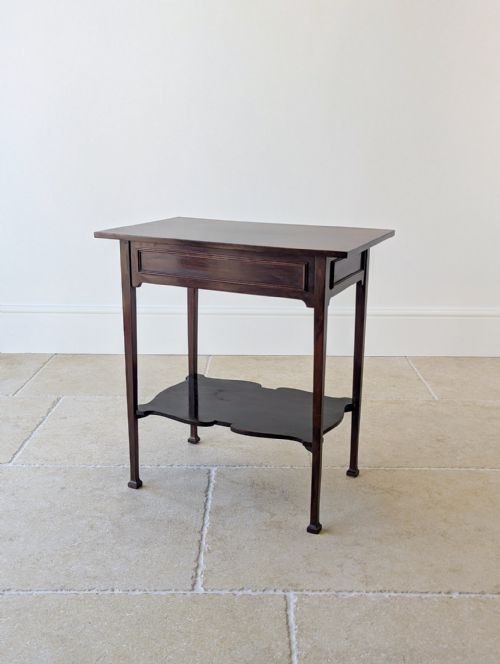
These Victorian end tables bring steady surfaces and rich timbers into sitting rooms, functioning as lamp stands, bedside pieces, and occasional tables.

Victorian End Tables
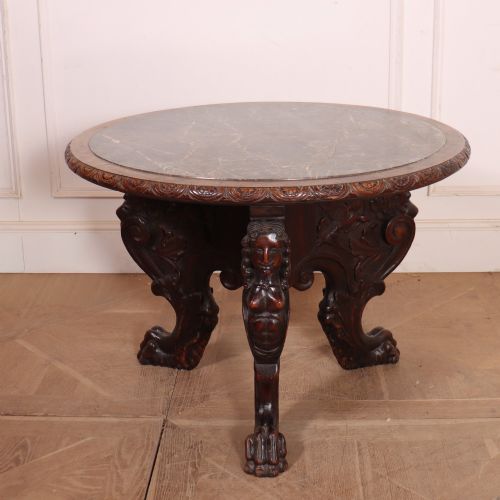
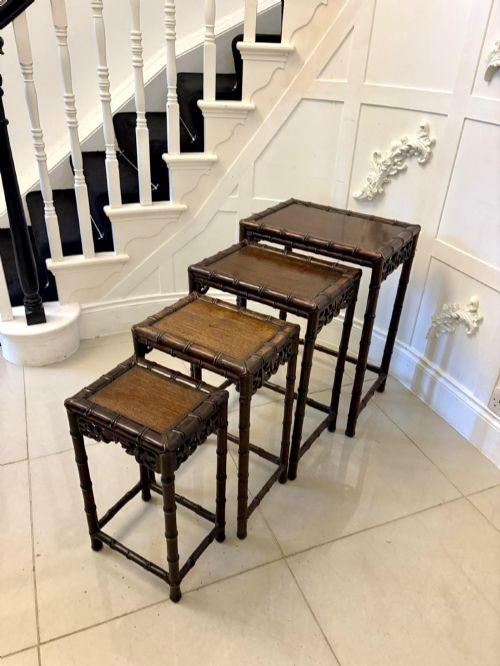
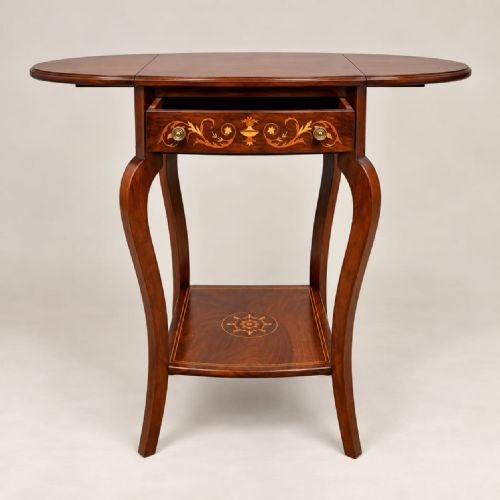
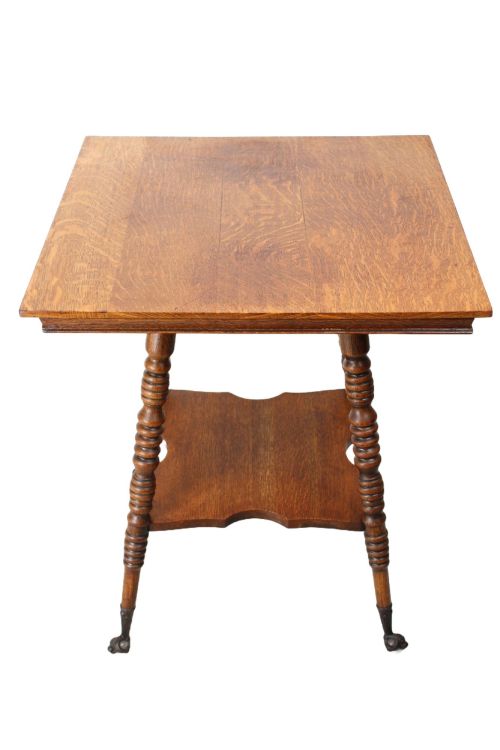
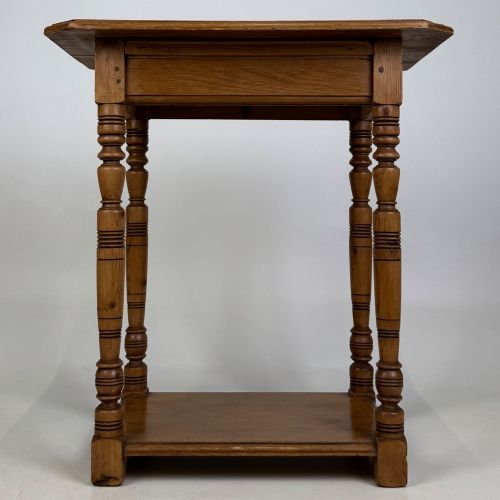
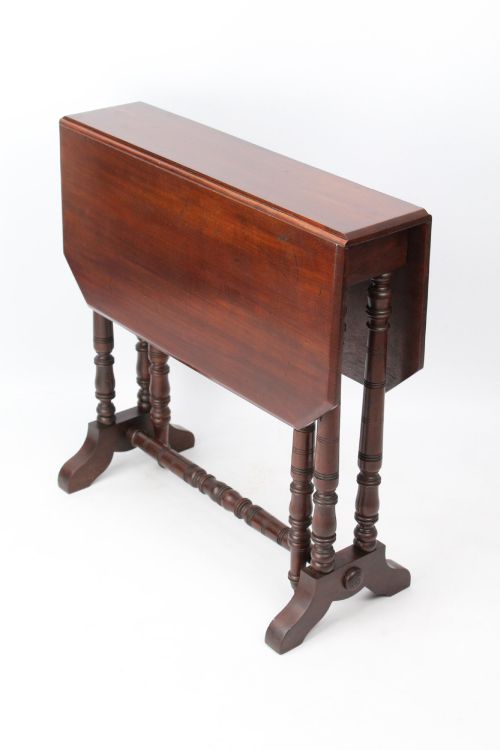
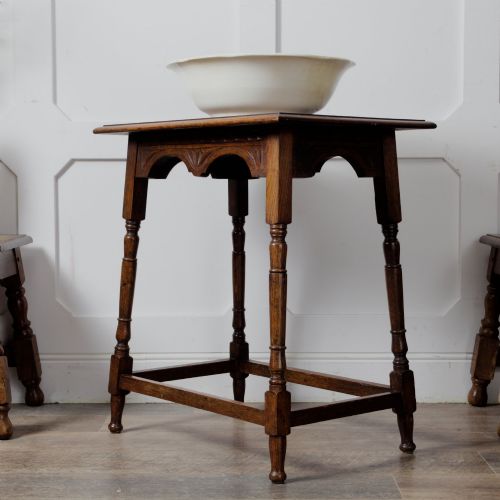
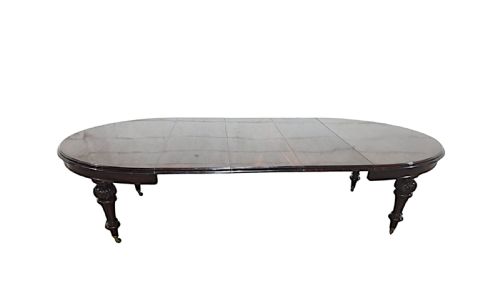
Victorian end tables encompass a varied selection of occasional, lamp, side, and bedside pieces produced during the nineteenth century. Most examples on this page function as compact surfaces for lamps or books, appearing in formats like small side tables, nests of tables, and drop-leaf designs.
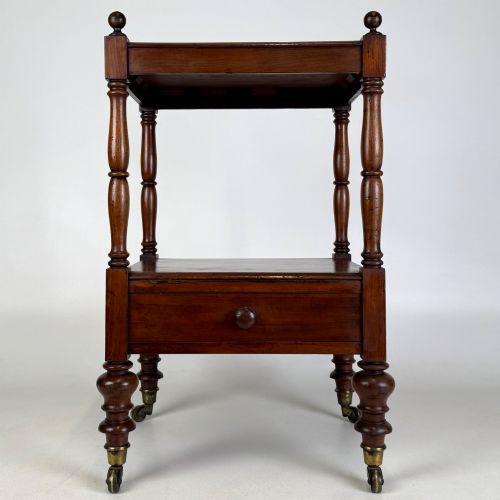
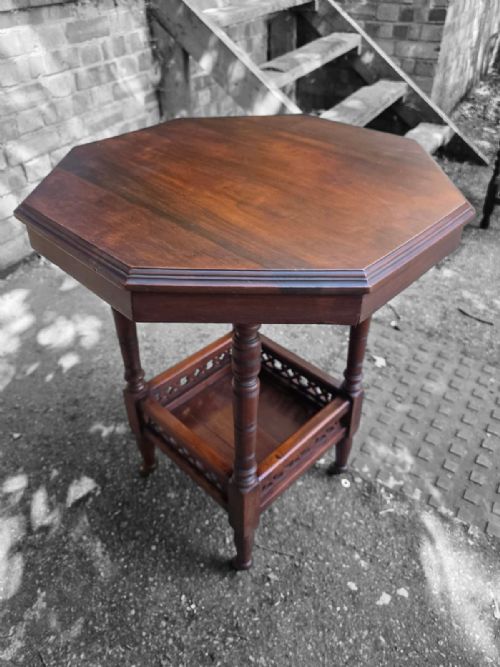
The materials span dense hardwoods, intricate brass inlays, and carved details reflecting diverse stylistic movements such as Arts and Crafts, aesthetic movement, and Anglo-Indian design. Formats range from octagonal occasional tables to drop-leaf occasional tables and bedside cabinets.
How they were made
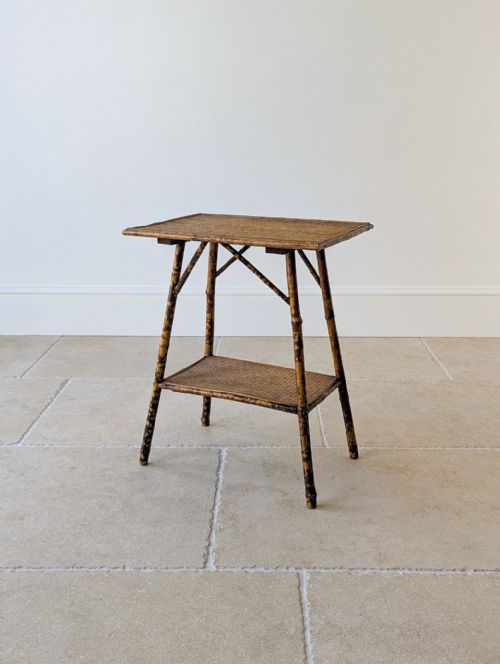
Cabinetmakers constructed these tables using solid and veneered timbers including mahogany, walnut, rosewood, oak, and amboyna, frequently incorporating turned supports and carved panels. Decorative elements rely on brass inlay, parcel gilding, faux bamboo shaping, and ebonised wood finishes.
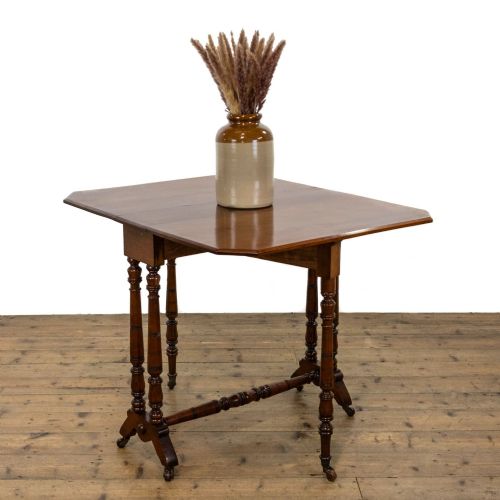
Specialised techniques distinguish particular regional styles, such as the intricate brass work found on Hoshiarpur pieces or the lacquer and marquetry on Chinese export and specimen wood tables. Joinery methods prioritise stability in smaller footprints, utilising drop leaves and folding frames where space is limited.
Listings feature woods such as mahogany, rosewood, walnut, oak, and amboyna alongside materials like brass, ceramic, and cast iron.
What varies in quality
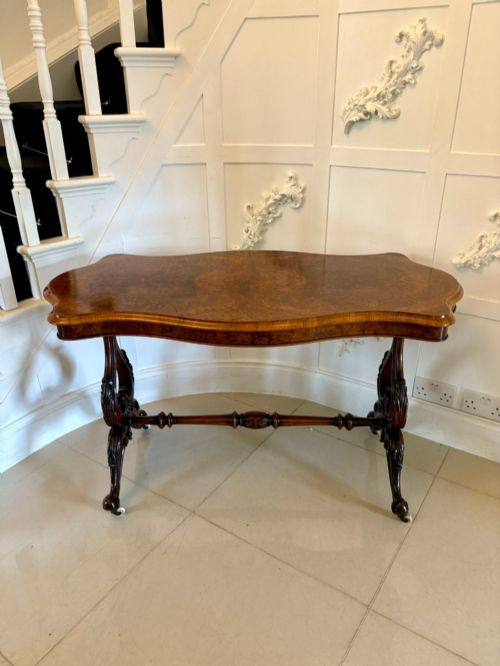
Quality rests on the selection of figured timbers, such as burr walnut or rosewood, and the crispness of hand-carved ornamentation. Superior examples display refined joinery, intact brass or gilt highlights, and balanced proportions across smaller occasional forms.
Construction details distinguish standard production pieces from fine workshop output, evident in drawer linings, secondary woods, and the complexity of marquetry or inlay work. Condition of the polished surface and originality of brass hardware further separate everyday utility items from masterwork specimens.
Hindley and Sons·Gillows·Liberty of London
The Victorian End Tables Glossary
- Drop leaf
- A table with hinged flaps on the sides that can be folded down to save space or raised to expand the surface area.
- Étagère
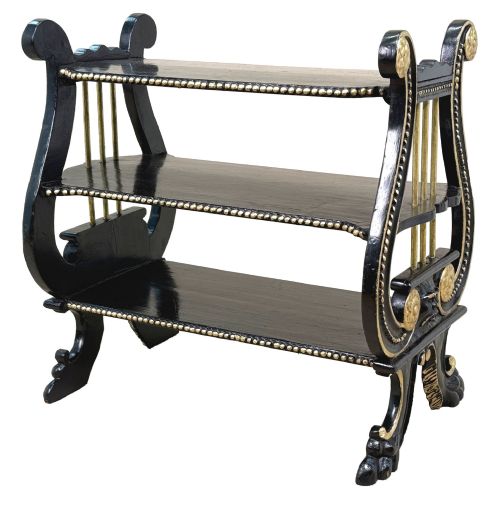
- A set of open shelves for displaying small objects, appearing in late nineteenth-century interiors as freestanding or corner furniture.
- Faux bamboo
- Wood turned and carved to imitate natural bamboo stalks, popular in nineteenth-century aesthetic and whimsical designs.
- Marquetry
- Inlaid wood veneers arranged in decorative patterns or pictures, utilising various timber colours and grains.
- Sutherland table
- A narrow drop-leaf table with exceptionally small flaps and long legs, designed to fold completely flat when not in use.
Victorian End Tables: Frequently Asked Questions
How do I use an occasional table today?
These compact tables fit easily beside sofas, armchairs, or beds, providing functional surface space without dominating a room's layout. Nests of tables offer flexible staging that expands when entertaining.
Their varied heights and shapes make them useful for displaying ceramics, holding reading lamps, or serving drinks in living spaces.
How can I tell the period?
Dating relies on timber choices, construction methods, and stylistic cues unique to nineteenth-century design movements. Early examples often feature heavy mahogany or rosewood, while later items incorporate ebonised finishes or bamboo-turned frames.
Hardware, joint construction, and secondary woods inside drawers provide further clues to whether a piece originates from the mid-nineteenth century or the late Victorian era.
What is ebonised wood?
Ebonised wood is timber treated with a black finish to imitate expensive ebony, a technique favoured in nineteenth-century aesthetic and Gothic revival furniture. This treatment often highlights carved details and pairs well with parcel gilt accents.
Such finishes appear frequently on late nineteenth-century étagères and side tables designed for dramatic visual contrast in domestic interiors.