





Pair Victorian Side Tables
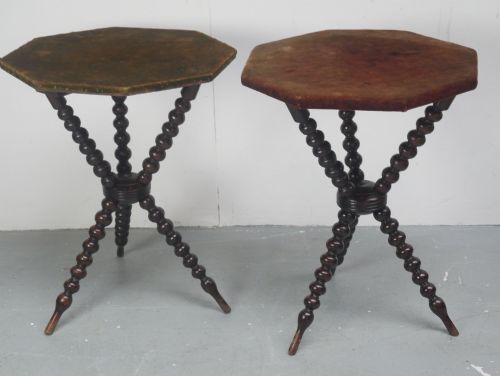
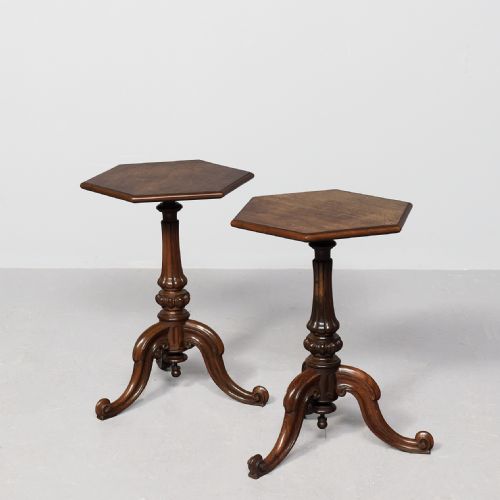
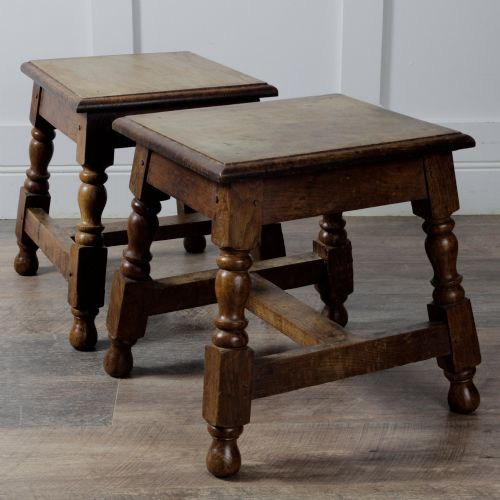
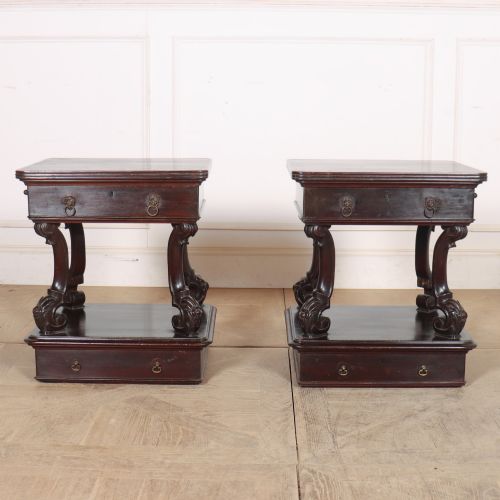
Pair victorian side tables combine practical domestic surfaces with nineteenth-century craftsmanship, offering balanced proportions and matched dual pieces for sitting rooms and chambers.

Pair Victorian Side Tables
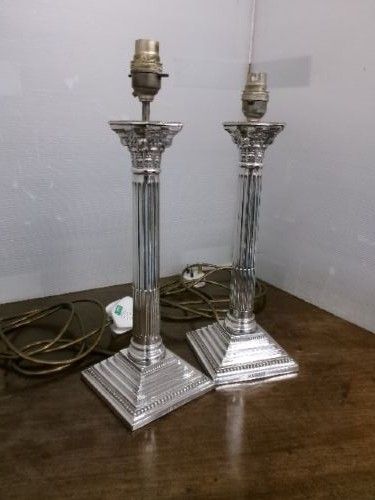
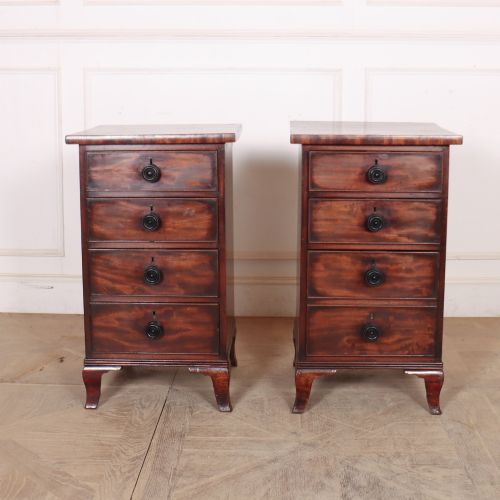
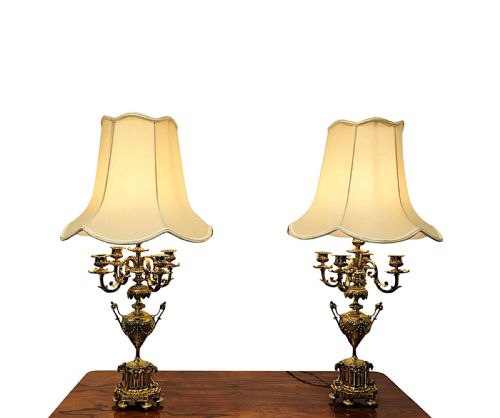
These items encompass dual furnishings designed for domestic utility, frequently appearing as bedside cabinets, lamp stands, occasional surfaces, and console tables. The nineteenth-century examples often emerge in matched configurations intended to flank a bed, fireplace, or architectural wall space.
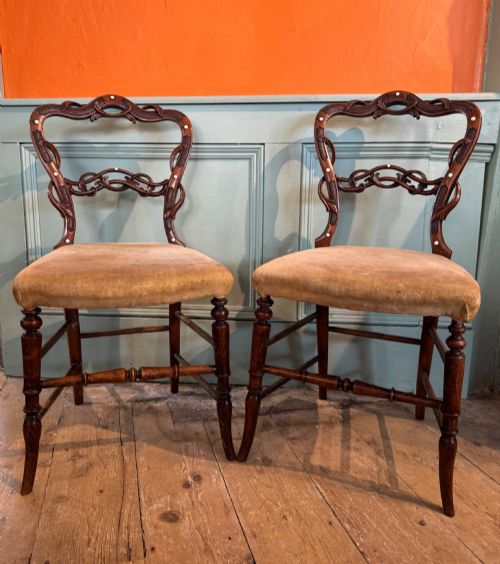
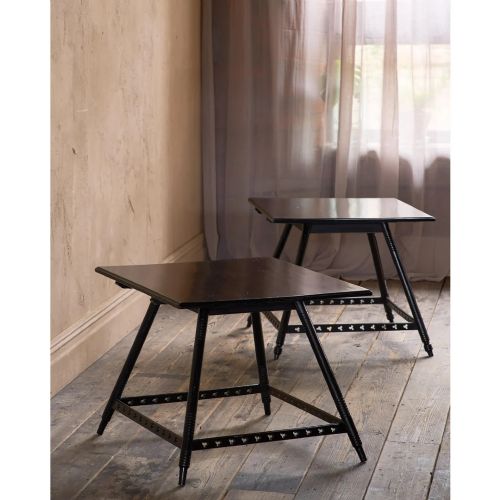
Buyers encounter variations ranging from mahogany demilune console tables to rosewood marquetry cabinets and walnut wine tables. The selection includes both formal parlour furnishings and simpler country house pieces executed in oak, pine, and hardwood.
Originating predominantly from British workshops, these dual items reflect the shifting domestic requirements of the Victorian era, accommodating everything from chamber lighting to decorative display.
Materials and Construction
Cabinet makers utilised dense timbers such as mahogany, rosewood, and walnut, frequently selecting figured veneers or flame grains for primary visual impact. Hardwoods like oak and pine formed the structural carcasses and secondary framing of interior compartments.
Surface enrichment relied upon traditional techniques including intricate wood inlay, marquetry, and brass hardware attachments. Joinery methods of the period prioritized stability, utilising dovetailed drawer construction and turned or carved supports.
Listings feature nineteenth-century furniture constructed primarily from mahogany, rosewood, and walnut, encompassing forms from bedside chests to demilune console tables.
Evaluating Construction and Material Quality
Superior examples display careful timber selection, where matched veneers mirror each other across both pieces of the pair with exact symmetry. Finer items incorporate precise marquetry, delicate brass mounts, and robust internal secondary woods that remain stable over centuries.
Execution of carved details and the retention of original brass handles or surface finishes distinguish standard domestic furniture from exhibition pieces. The integrity of the matching process matters greatly, as genuine contemporaneous pairs share identical wear patterns and construction traits.
Liberty & Co.·Edwards & Roberts·Howard and Sons
The Pair Victorian Side Tables Glossary
- Demilune
- Half-moon shape, commonly applied to console tables designed to sit flush against a wall. This profile allowed formal tables to occupy narrow hallways or reception rooms without impeding traffic flow.
- Marquetry
- Decorative veneer work forming pictorial or geometric patterns using various woods, metals, or shells. Artisans cut these thin elements meticulously to fit flush within the primary surface.
- Pot cupboard
- A nineteenth-century bedside cabinet originally designed to enclose a chamber pot behind a single door. These compact units later adapted readily into general lamp stands and bedside storage.
- Occasional table
- A small, versatile surface intended for moveable use around a principal living space. These pieces accommodated tea, books, or small decorative lamps.
- Tripod table
- A small circular or shaped tabletop supported by a central pillar resting on three spreading feet. This construction prevented wobbling on uneven nineteenth-century floorboards.
Pair Victorian Side Tables: Frequently Asked Questions
How do I know if they are a true pair?
Examine the timber grain, dimensions, and interior construction methods on both items to verify simultaneous creation. True pairs exhibit identical tooling marks and consistent ageing across both physical structures.
Slight variations in colour or wear may occur due to placement in a room, but structural proportions and decorative motifs should match precisely.
Were these originally used as bedside tables?
Many nineteenth-century examples served diverse functions as lamp tables, washstands, or occasional surfaces before modern domestic habits redefined them as bedside storage. Pieces featuring enclosed cupboards or small drawers frequently adapted to multiple domestic rooms over time.
Original interior configurations, such as shelving or ceramic liners, often provide clues to a piece's initial household purpose.
How should I care for antique mahogany and rosewood surfaces?
Maintain polished hardwood surfaces by applying natural beeswax sparingly and buffing with a soft, lint-free cloth. Avoid placing these items near direct heat sources or strong sunlight, which can dry out nineteenth-century veneers.
Promptly wipe away moisture to protect delicate inlay work and prevent water staining on the polished timber.
What is the difference between a side table and a console table?
Side tables typically feature four independent legs and stand freely against walls or beside seating furniture. Console tables are often designed with wall-fastening stability or specific demilune shapes intended for display in entryways.
Console tables from the period frequently carried heavier ornamental carvings or marble tops suited for formal reception rooms.